Bhavitha Mandava's Met Gala 'Jeans': 250 Hours of Silk

On the first Monday in May 2026, a model walked the Metropolitan Museum of Art's steps in what looked like a white tank, faded blue jeans and a sheer zip-up. The theme that year was Costume Art. The internet spent the following week deciding what the outfit meant.
A record of the garment existed while that was happening. It was specific, it was published, and almost none of the argument used it.
What the record said
This study cannot show you the garment. Every photograph of that night is held by a picture agency, and reproducing one here would require a licence this institution has not bought. The look is published in Marie Claire's report of 7 May 2026, which is also the source for the house's statement of hours, and a reader who wants to judge the object for themselves should go and look at it there. The limitation is worth naming rather than apologising for: a study about evidence that existed and went unread is published on a page that cannot reach its own central exhibit.
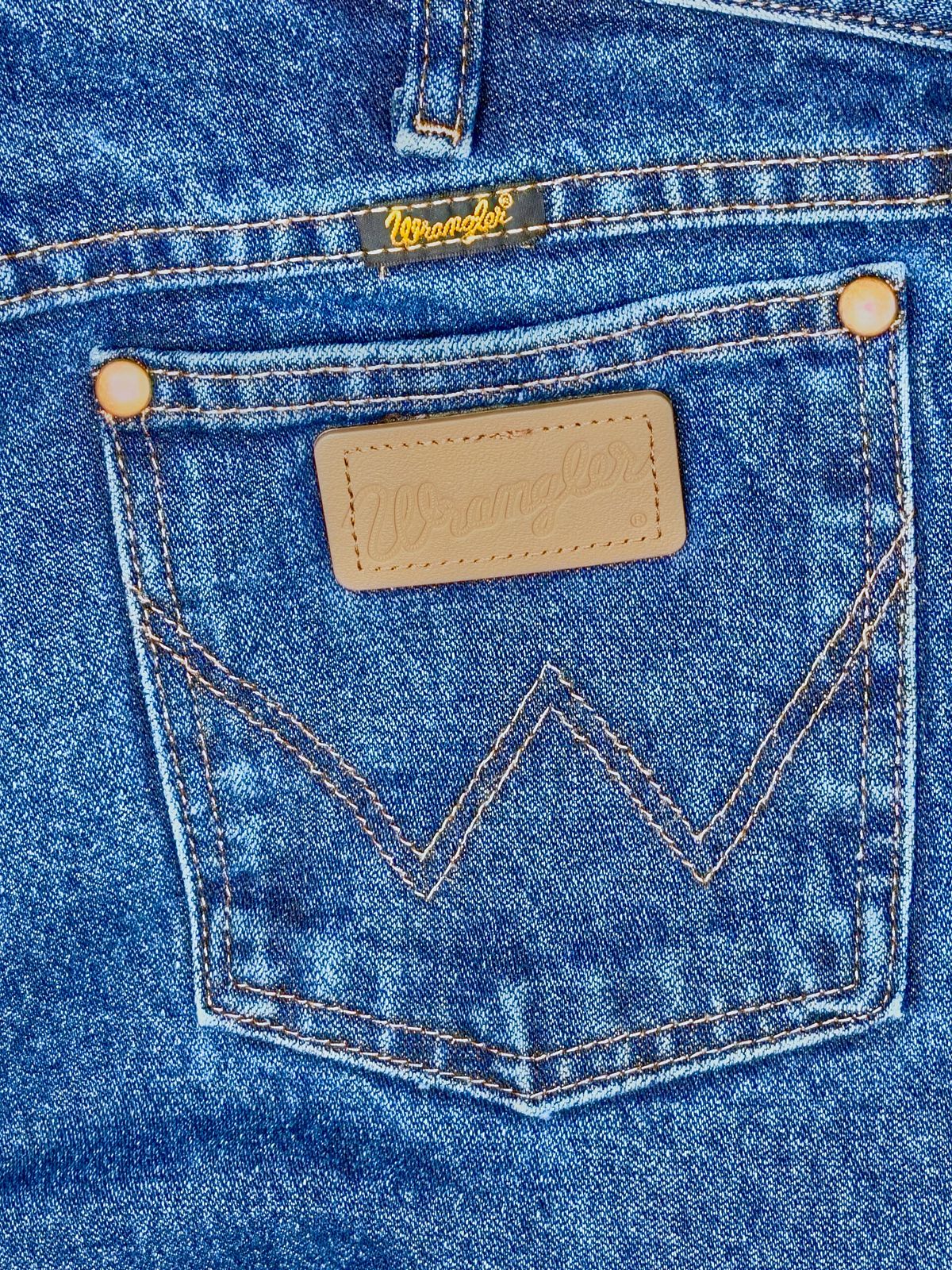
Were Bhavitha Mandava's Met Gala jeans real denim? No. The House of Chanel stated publicly that she wore a Haute Couture reinterpretation of the look she had worn to open the house's Métiers d'Art show in New York the previous December, and that the ensemble required 250 hours of work by the house's ateliers.
Marie Claire, reporting on 7 May 2026, put it plainly: "The 'denim,' as it turns out, was not denim at all," and "one of fashion's most ordinary garments became something painstakingly engineered to look that way on purpose."
So the object had a maker, a documented construction time, and a stated relationship to a prior work. By the standards this institution argues for elsewhere, that is a better record than most objects ever carry. It was available on the night.
What the discourse used instead
It used the photograph.
The reaction divided rather than condemned, and the distinction matters because the softer version is the true one. Marie Claire: "the internet split into camps. Some people thought the look was smart and understated; others felt it was underwhelming." Some read restraint. Some read a missed occasion. This study does not assert how many fell on either side, because nobody has counted.
The account Diet Prada raised a further question in public: whether the same styling concept would have been pushed further into fantasy for a different wearer. That question was asked, it is part of the record of the week, and this study reports that it was asked and takes no position on it.
What almost nobody did was consult the thing the garment itself came with. The hours were on the record. The lineage to the December runway was on the record. Neither appears in most of the week's commentary, which proceeded from a photograph of an object to a verdict about the object.
Marie Claire noticed the shape of this at the time, in a sentence that is the reason this study exists:
Lost somewhere in the discourse was the question of whether anyone had actually stopped to ask Mandava what she thought of the look herself.
When she was asked
She answered four months later, in W, in September 2026, speaking about her own work:
"I was very excited to be there, and the aftermath also shows that it was truly art."
"Art always divides people."
Read that against the week that preceded it. The wearer declared the garment art. She did it on the record, in her professional capacity, with 250 documented atelier hours behind the claim and a named couture house standing behind the construction. She also offered a test for the claim, which is that division is evidence rather than refutation.
Her statement is the strongest piece of provenance the object has, and it arrived after the argument had finished.

The second declaration
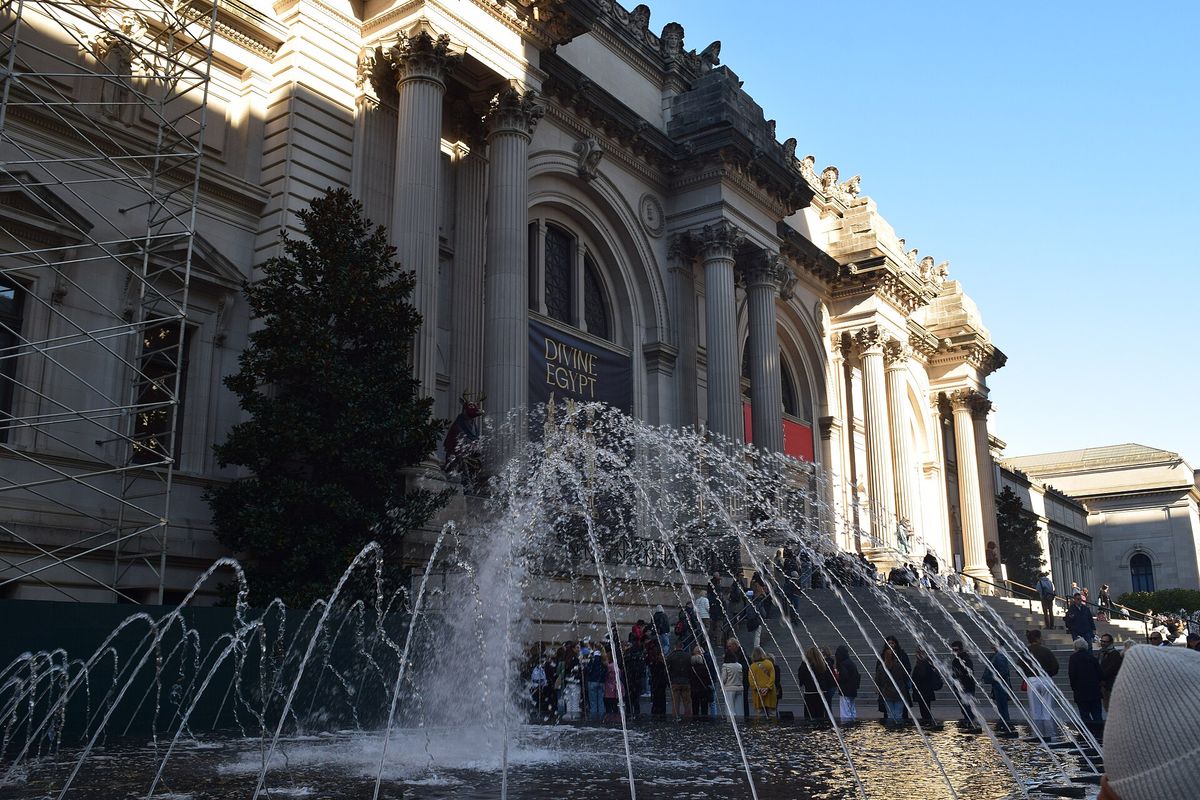
On 5 November 2026 the Metropolitan Museum of Art announced the Costume Institute's 2027 exhibition and gala theme: extraORDINARY: Fashion and the Poetics of the Everyday. The museum's own description divides the show in two. Familiar Forms concerns the elevation of archetypal garments, naming the T-shirt and jeans. Common Matter concerns disposable materials made into wearable things. The curator in charge is quoted saying that the ordinary is never quite as simple as it appears.
⛔ This study makes no claim that the second event was caused by the first, or that the museum was responding to anything that happened on its steps in May. Exhibitions are planned years out, the 2027 show replaced a different exhibition for unrelated reasons, and no evidence of any link exists. Treating a sequence as a cause is precisely the error this institution refuses elsewhere.
What is available is narrower and does not need a causal claim to hold. Within six months, the proposition that an ordinary garment can be art was advanced twice about the same category of object, once by the person wearing one and once by the institution across the street. The two statements were received differently.
One was a thesis. The other was a look to be adjudicated.
What the asymmetry is, stated carefully
It would be easy and wrong to say the museum has authority the wearer lacks. That is a large claim about institutional power, it has a name in philosophy, and it is not what this evidence shows.
What this evidence shows is smaller and more specific. When the museum declares the everyday garment a subject, its declaration arrives with a document: a press release, two named sections, a curator, a date. It is citable on the morning it is made. When the wearer declared the same thing, her declaration existed too, in a couture house's statement of hours and in her own words afterward, and the record was simply not reached for.
The difference in reception is not obviously a difference in authority. It may be a difference in how legible the record was at the moment people wanted to argue. A press release is built to be quoted. A garment is not, and the facts that would have answered the week's question were distributed across a house statement, a December runway, and an interview that had not happened yet.
What is not known, which is where this study ends
Whether the reception would have moved had the record been to hand is unknown and probably unknowable, and this study does not assert it. Nor has anyone measured the split, so the shape of the reaction is reported from one publication's characterization and not from any count.
And the thing most worth measuring has not been measured by this institution or, as far as it can establish, by anyone: how often the record that would settle a public argument about an object exists at the moment the argument is happening, and goes unread. This is one case. One case is one case.
Objects of Affection Collection does not authenticate, attribute, appraise or value any object, and takes no position on the ownership, origin, export or return of any work mentioned here. It makes no claim that any person or institution named here acted improperly, and none is alleged. Where a reaction is described, that is a report of what was published at the time and not a finding about anyone's judgment.