
The Architecture of Intent
A Critical Lexicon
This collection of studies is the intellectual architecture of Post-Luxury Conceptual Functional Art (PLCFA).
The true artistry of this Maison resides not in the finished form, but in the rigorous thinking that precedes it. These essays serve as the conceptual foundation for PLCFA, using a critical lens to interrogate cultural phenomena, art history, and consumer paradigms—analyzing everything from the ephemeral spectacle of luxury to the pure architectural rigor of abstract principles.
This is an invitation into the workshop of the mind. By sharing this process, we validate the necessity of a new category of value and invite you toward a well-considered life, one founded on true craft, uncompromising narrative, and durable meaning.
New to PLCFA? Begin with Essential Reading below.
Exploring a specific area? Navigate by category.

From Function to Fissure: Collectible Design and the Weaponization of Material
The prevailing condition of the global luxury market has long been governed by the Spectacle—a frictionless realm of consumption that systematically inverts value by separating the product from the concrete labor and political history of its creation. This study, From Function to Fissure, establishes the structural mechanism of Post-Luxury Conceptual Functional Art (PLCFA) that successfully ruptures this Spectacle. The core concept is the Fissure: the deliberate re-emergence of the material Real through the material wound—the scars, tears, or deconstructed surfaces that reveal the congealed labor and violence supporting the system.
The transition From Function to Fissure marks a profound philosophical and economic shift, moving away from objects that merely serve utility toward objects that serve ideological utility by Weaponizing Materiality. This material is selected for its high Moral Weight and Trauma Provenance, deliberately dragging the "missing mass" of Dark Matter (invisible labor) into the light. This approach structurally resists the smooth, frictionless surface of the commodity market.
Ultimately, this framework provides the definitive mechanism for creating inalienable value in the Post-Luxury epoch. By demanding that the object possesses Anti-Commodity Commitment (ACC) and Functional Obligation—as empirically validated through the work of practitioners like Samuel Levi Jones and Carlos Rolón—PLCFA anchors worth not in aesthetic perfection, but in the visible, unerasable evidence of ethical intention and human effort. The core directive for the collector is clear: Invest in the Fissure.
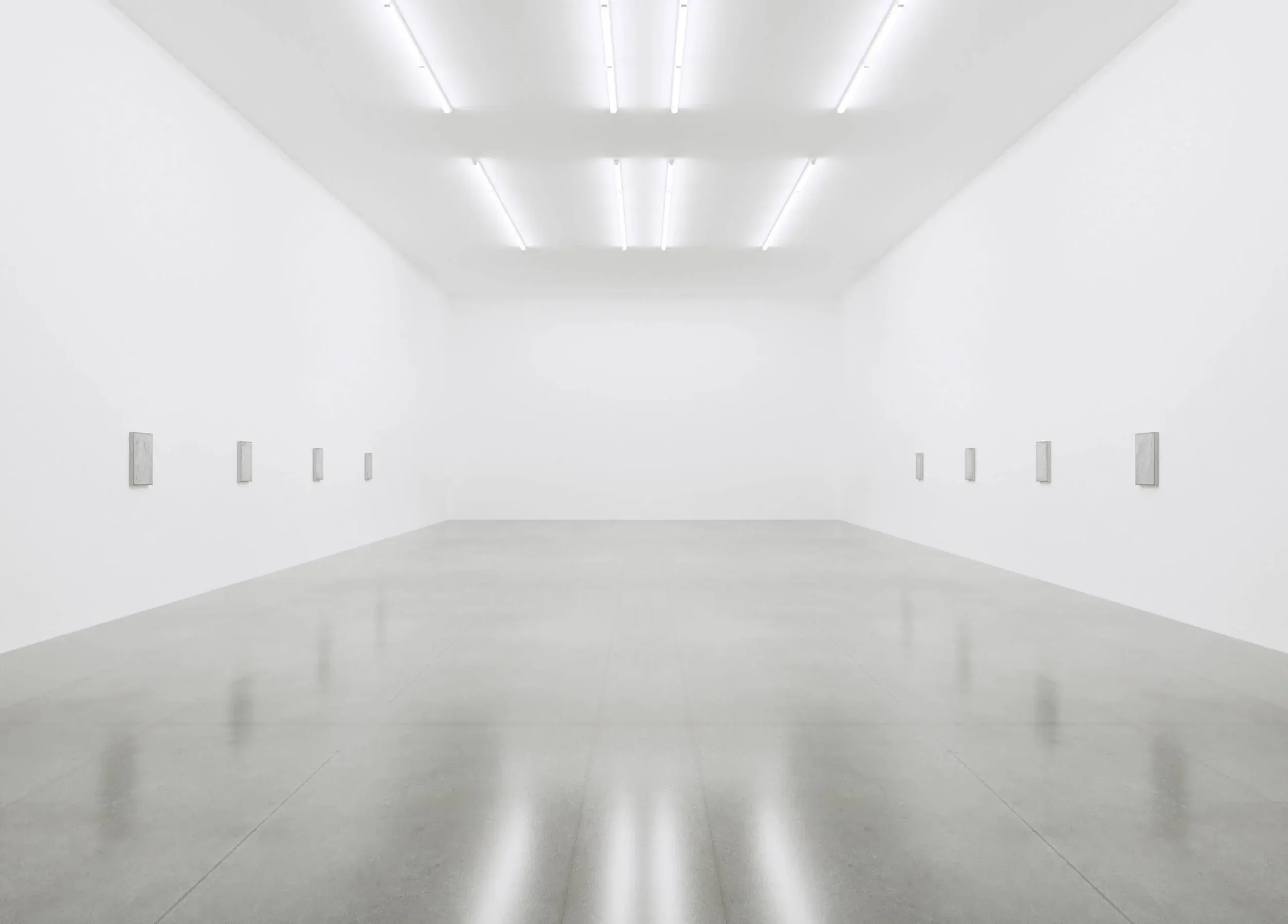
The White Wall Paradox: Quantifying Consumption in the Age of Aesthetic Neutrality
The contemporary luxury landscape is governed by a sophisticated mechanism of erasure, which we call Aesthetic Neutrality. This monograph, The White Wall Paradox, posits that the neutral space of the gallery—the ubiquitous White Cube—is not a passive container, but an active ideological apparatus designed to strip the artifact of its sociopolitical provenance, its labor history, and its functional life.
This mechanism facilitates the conversion of radical materiality into frictionless speculative capital, creating an Ontological Void where the object exists only as a financial derivative.
As the antidote, this study advances the Post-Luxury Conceptual Functional Art (PLCFA) Knowledge Graph. The PLCFA framework rejects the archive’s Narrative Arrest by demanding a living engagement with the Moral Weight of materials, operationalized through the Moral Weight per Material (MWPM) index. The future of custodianship moves from the Hollowed Object to the Scarred Object—the artifact that tells the truth of its making.

The Material as Political Capital: Quantifying Moral Weight in the Anti-Market Materiality of PLCFA
The contemporary institutional landscape is marked by a critical Institutional Pivot, shifting valuation away from purely aesthetic criteria toward objects whose verifiable political provenance secures their cultural worth. This structural change is necessitated by the inherent moral deficits of materials deeply implicated in the entrenched regime of Speculative Capital (SC)—a system that systematically prioritizes the liquidity and standardization of materials like industrialized oil paint and monumental marble. This study analyzes how the SC economy relies on obscuring labor histories and prioritizing financial value, thus creating a systemic conservatism that the new cultural paradigm must structurally resist.
As the definitive antithesis to this system, Post-Luxury Conceptual Functional Art (PLCFA) deploys historically marginalized materials embedded with verifiable records of labor, political trauma, or ideological dissent, such as heritage silk, reclaimed institutional books, and scarred tarps. To quantify this resistance, we introduce the proprietary metric Moral Weight per Material (MWPM), which functions as the object's quantifiable ethical and political currency. By certifying the object's intrinsic worth outside the cyclical demands of high-liquidity markets, the MWPM framework provides a necessary structural defense that systematically resists market neutralization, confirming that Moral Weight per Material is the definitive, anti-speculative Political Capital.

Doris Salcedo: The Function of Suffering—Memory, Emotional Labor, and Political Witness in Post-Luxury Conceptual Art
The Post-Luxury paradigm begins with the recognition of a profound intellectual and ethical vacuum at the heart of contemporary culture, driven by the collapse of traditional luxury’s value equation. This study argues that the definition of function is too narrow—it fails to account for the essential human experiences, like collective memory and the reckoning with trauma, that constitute necessary human labor. This Function Gap is addressed by Doris Salcedo, whose objects possess a fierce utility by performing non-commodifiable, enduring social work. Her practice transforms art from a status symbol toward a ritual tool for collective conscience, shifting its role decisively from the logic of possession toward a logic of being. Read the full study to see how the work of this Philosophical Architect changes everything.

Carol Christian Poell: The Alchemical Designer, Post-Luxury's Radical Critique of Materiality and the Smooth Society
Carol Christian Poell stands not merely as an avant-garde designer, but as a critical theorist whose chosen medium for philosophical inquiry is the garment. This study positions him as the definitive Philosophical Architect of the Post-Luxury world, whose entire body of work—from the visceral reality of blood-tanned leather to the anatomical disruption of the Spiral Pants—is a sustained argument against the Hyperreality of mainstream luxury. He rejects the frictionless aesthetic of the "Smooth Society" by demanding endurance from the wearer (the Drip Sneaker) and delivers his critique through industrial alchemy: a methodology that uses injected dyeing to expose the material's vascular networks and employs the grotesque to reject sanitation. We explore how Poell transforms fashion from a disposable commodity into a potent site of political and material inquiry, proving that the object's true worth resides in the difficult, non-transferable history of commitment co-created by the wearer over time.

The Liquidation of the Hyperreal: Why the $23M Gold Cube Collapse Defines a New Crisis of Value
When a $23 million, 410-pound gold cube was placed in Central Park, it was not an act of art—it was an act of media. It was a hollow object, an advertisement for a cryptocurrency, and the perfect physical metaphor for a hyperreal value system based on pure, ungrounded speculation. Its eventual, inevitable liquidation was not a failure; it was the successful completion of its only function.
This study deconstructs the spectacle of the Castello Cube to diagnose a crisis of the ephemeral. We place this ultimate symbol of liquid value in direct contrast to its perfect antidote: the quiet, generative, and structurally authentic work of the Granby Four Streets community.
This is a case study in two opposing philosophies—one a mirror to our collective emptiness, the other a blueprint for a durable, post-luxury future.