
The Architecture of Intent
A Critical Lexicon
This collection of studies is the intellectual architecture of Post-Luxury Conceptual Functional Art (PLCFA).
The true artistry of this Maison resides not in the finished form, but in the rigorous thinking that precedes it. These essays serve as the conceptual foundation for PLCFA, using a critical lens to interrogate cultural phenomena, art history, and consumer paradigms—analyzing everything from the ephemeral spectacle of luxury to the pure architectural rigor of abstract principles.
This is an invitation into the workshop of the mind. By sharing this process, we validate the necessity of a new category of value and invite you toward a well-considered life, one founded on true craft, uncompromising narrative, and durable meaning.
New to PLCFA? Begin with Essential Reading below.
Exploring a specific area? Navigate by category.
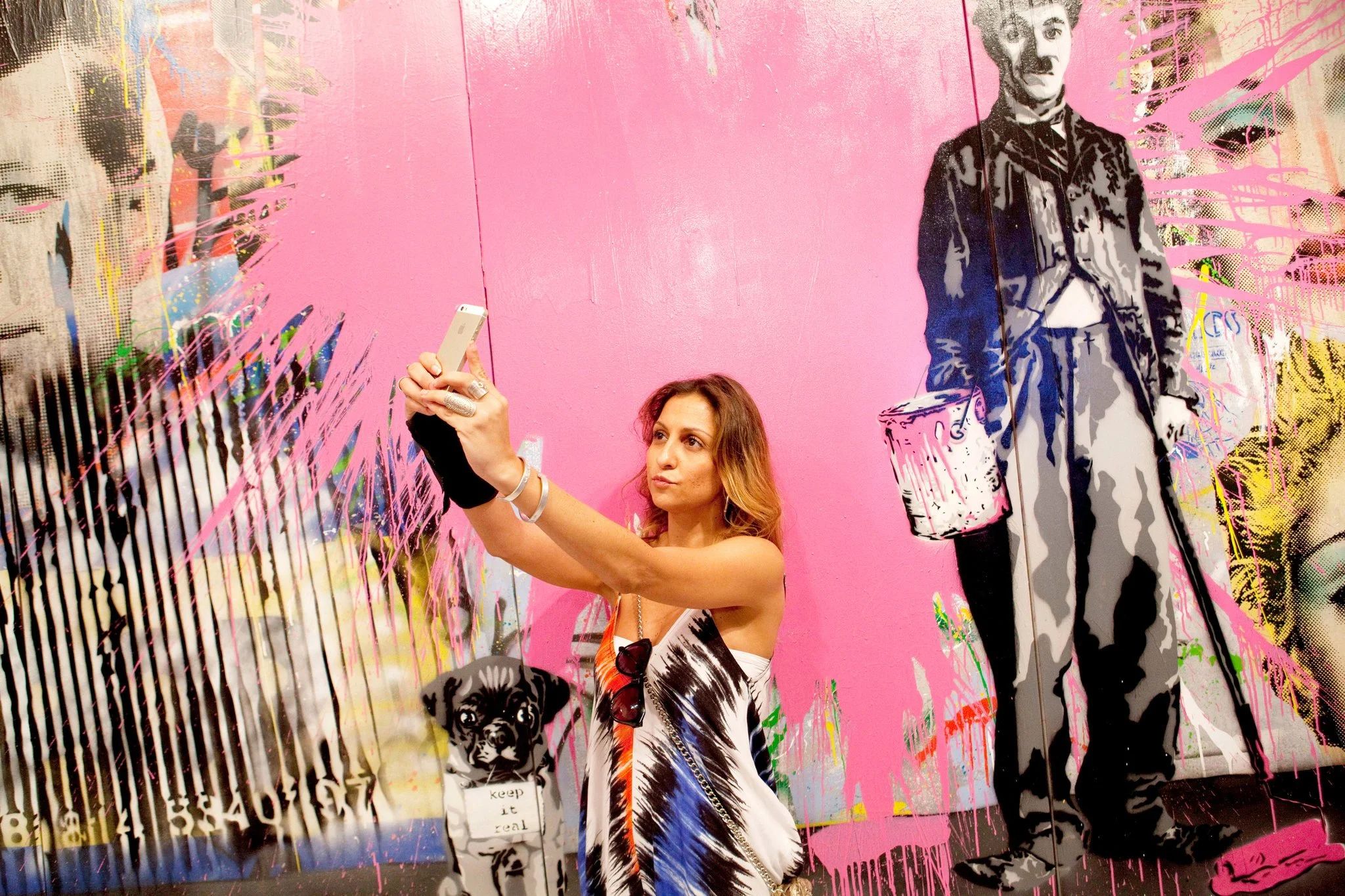
The Simulacrum of Status: Why Art Basel Value Resists the VIP Image
We are currently witnessing the ontological sclerosis of the global luxury apparatus, as evidenced by the contraction of the high-end market. We stand at the collision point of two irreconcilable value systems: the Deep Materiality of the singular artifact—as codified by the Objects of Affection Collection—and the Hyperreal Circulation of the digital image. This study posits that the current mechanisms of art valuation are self-immolating, arguing that the VIP Image—that low-fidelity, viral, social-media-optimized documentation of consumption—is not a mere byproduct of the art fair, but an active agent of devaluation. It is a solvent that dissolves the Aura of the work, reducing the masterpiece to a prop in a theater of performative status.
The Objects of Affection framework offers the only viable exit strategy from this hyperreal loop. The path forward lies in inverting the logic of the fair by replacing speed with stasis, and speculation with provenance. By re-anchoring value in the One Original Principle, enforcing the Phygital Counter-Strategy, and embracing the Monastic Veto, the collector can transition from a consumer of signs to an architect of meaning. The future of luxury does not lie in the stampede of the VIP opening; it lies in the slow curation of a singular existence.

From Function to Fissure: Collectible Design and the Weaponization of Material
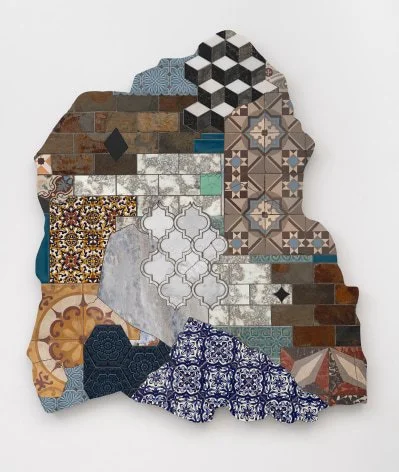
The prevailing condition of the global luxury market has long been governed by the Spectacle—a frictionless realm of consumption that systematically inverts value by separating the product from the concrete labor and political history of its creation. This study, From Function to Fissure, establishes the structural mechanism of Post-Luxury Conceptual Functional Art (PLCFA) that successfully ruptures this Spectacle. The core concept is the Fissure: the deliberate re-emergence of the material Real through the material wound—the scars, tears, or deconstructed surfaces that reveal the congealed labor and violence supporting the system.
The transition From Function to Fissure marks a profound philosophical and economic shift, moving away from objects that merely serve utility toward objects that serve ideological utility by Weaponizing Materiality. This material is selected for its high Moral Weight and Trauma Provenance, deliberately dragging the "missing mass" of Dark Matter (invisible labor) into the light. This approach structurally resists the smooth, frictionless surface of the commodity market.
Ultimately, this framework provides the definitive mechanism for creating inalienable value in the Post-Luxury epoch. By demanding that the object possesses Anti-Commodity Commitment (ACC) and Functional Obligation—as empirically validated through the work of practitioners like Samuel Levi Jones and Carlos Rolón—PLCFA anchors worth not in aesthetic perfection, but in the visible, unerasable evidence of ethical intention and human effort. The core directive for the collector is clear: Invest in the Fissure.
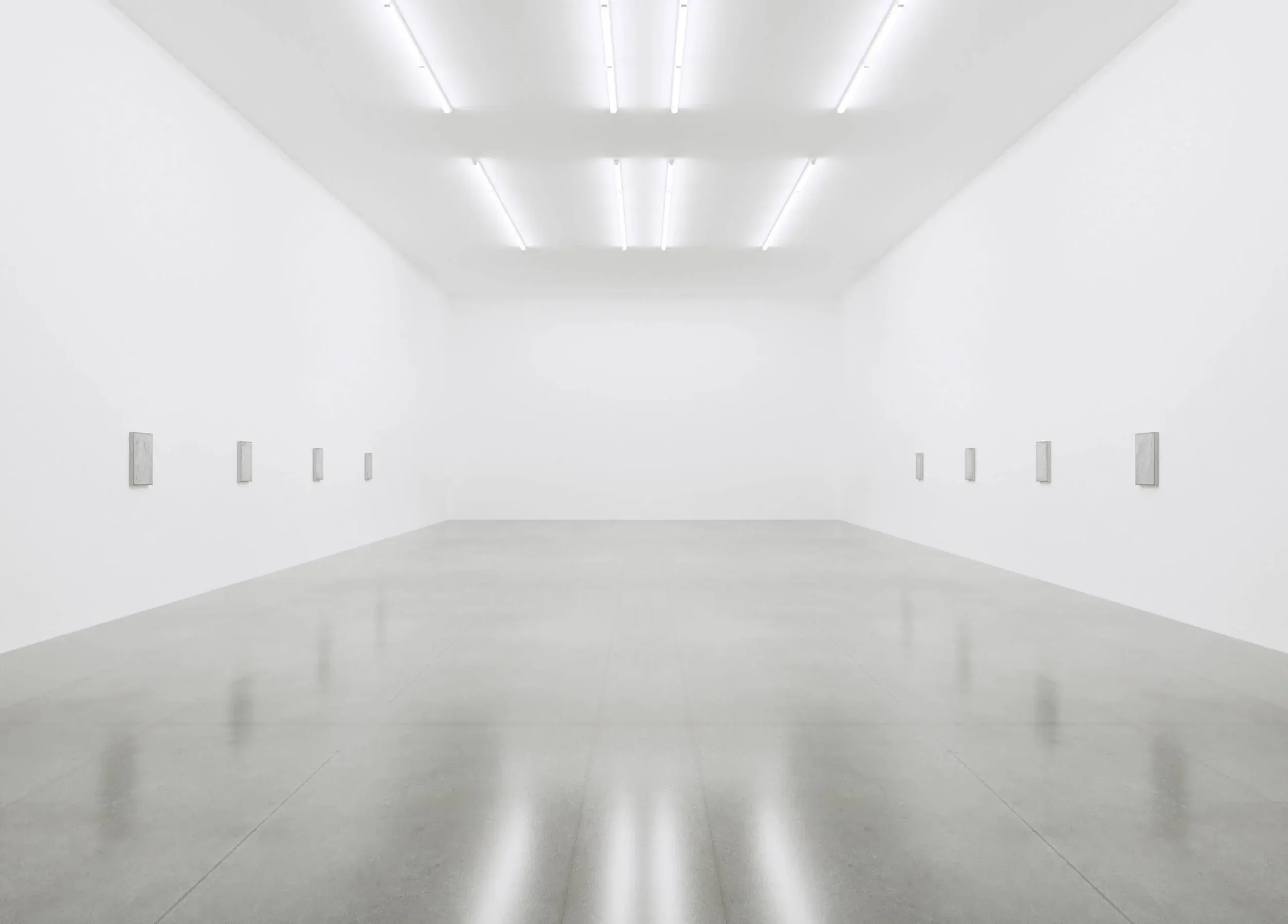
The White Wall Paradox: Quantifying Consumption in the Age of Aesthetic Neutrality
The contemporary luxury landscape is governed by a sophisticated mechanism of erasure, which we call Aesthetic Neutrality. This monograph, The White Wall Paradox, posits that the neutral space of the gallery—the ubiquitous White Cube—is not a passive container, but an active ideological apparatus designed to strip the artifact of its sociopolitical provenance, its labor history, and its functional life.
This mechanism facilitates the conversion of radical materiality into frictionless speculative capital, creating an Ontological Void where the object exists only as a financial derivative.
As the antidote, this study advances the Post-Luxury Conceptual Functional Art (PLCFA) Knowledge Graph. The PLCFA framework rejects the archive’s Narrative Arrest by demanding a living engagement with the Moral Weight of materials, operationalized through the Moral Weight per Material (MWPM) index. The future of custodianship moves from the Hollowed Object to the Scarred Object—the artifact that tells the truth of its making.

The Material as Political Capital: Quantifying Moral Weight in the Anti-Market Materiality of PLCFA
The contemporary institutional landscape is marked by a critical Institutional Pivot, shifting valuation away from purely aesthetic criteria toward objects whose verifiable political provenance secures their cultural worth. This structural change is necessitated by the inherent moral deficits of materials deeply implicated in the entrenched regime of Speculative Capital (SC)—a system that systematically prioritizes the liquidity and standardization of materials like industrialized oil paint and monumental marble. This study analyzes how the SC economy relies on obscuring labor histories and prioritizing financial value, thus creating a systemic conservatism that the new cultural paradigm must structurally resist.
As the definitive antithesis to this system, Post-Luxury Conceptual Functional Art (PLCFA) deploys historically marginalized materials embedded with verifiable records of labor, political trauma, or ideological dissent, such as heritage silk, reclaimed institutional books, and scarred tarps. To quantify this resistance, we introduce the proprietary metric Moral Weight per Material (MWPM), which functions as the object's quantifiable ethical and political currency. By certifying the object's intrinsic worth outside the cyclical demands of high-liquidity markets, the MWPM framework provides a necessary structural defense that systematically resists market neutralization, confirming that Moral Weight per Material is the definitive, anti-speculative Political Capital.
Debord's Spectacle Meets Sholette's Missing Mass: How Artisan Activism Forges Moral Capital and Revalues Luxury
The central thesis argues that Artisan Activism is the required political détournement (subversion) that compels the invisible mass of surplus labor to become radically visible within the finished object. This conscious act of ethical commitment transforms the manufactured material culture into Moral Capital, a counter-currency that resists the Spectacle's structural demand for reification, abstraction, and financial fluidity. The philosophical necessity for this approach lies in resolving pervasive ontological insecurity: the debilitating crisis where intensive, highly skilled labor fails to achieve stable, commensurate economic valuation.
The Spectacle, while presenting itself as the source of all fulfillment, perpetually promises authentic social experience, community participation, and genuine fulfillment, yet consistently delivers only deception always compensated by the promise of a new deception. This profound structural failure creates a discernible vacuum within contemporary consumption—a hunger for narrative depth, tangible connection, and permanence. This vacuum is precisely what the Post-Luxury Conceptual Functional Art (PLCFA) framework is designed to satisfy, positioning the increasing demand for PLCFA as an observable economic symptom resulting from the Spectacle's foundational philosophical and social bankruptcy.

Artisan Activism: Why Craft, Materiality, and Protest Define Post-Luxury Value
The modern discourse on art valuation is dominated by an anxiety rooted in abstraction—the fear that artistic merit has been eclipsed by financial potential. The art world’s speculative economy prioritizes investment calculation over genuine connoisseurship, leading to a structural failure where critique is swiftly absorbed and monetized. This structural void demands a framework that can articulate value based on metrics that resist easy financial abstraction. This study introduces the Artisan Activism metric as the critical nexus for the Post-Luxury Conceptual Functional Art (PLCFA) framework, which intentionally re-materializes critique. By declaring craft labor an explicit act of protest, the artisan transfers the non-monetary moral weight of the critique directly into the object’s material components, securing its worth outside the cyclical demands of the speculative art economy.
We validate this critical shift through the empirical evidence provided by the work of contemporary practitioners Samuel Levi Jones and Carlos Rolón at the Newfeilds Indianapolis Museum of Art. Jones employs visceral deconstruction, "skinning" institutional books to create material critique, while Rolón utilizes meticulous craft to resurrect scarred tarps into banners of cultural resilience. Both artists explicitly prioritize the political and ethical commitment of the "artist as activist" over the social and financial leverage offered by the speculative elite, proving that the value of their work is inherently secured by the magnitude of its political resistance. This commitment defines a new kind of ownership—cultural custodianship—establishing the PLCFA framework as the definitive architecture for the future of value in the post-luxury age.