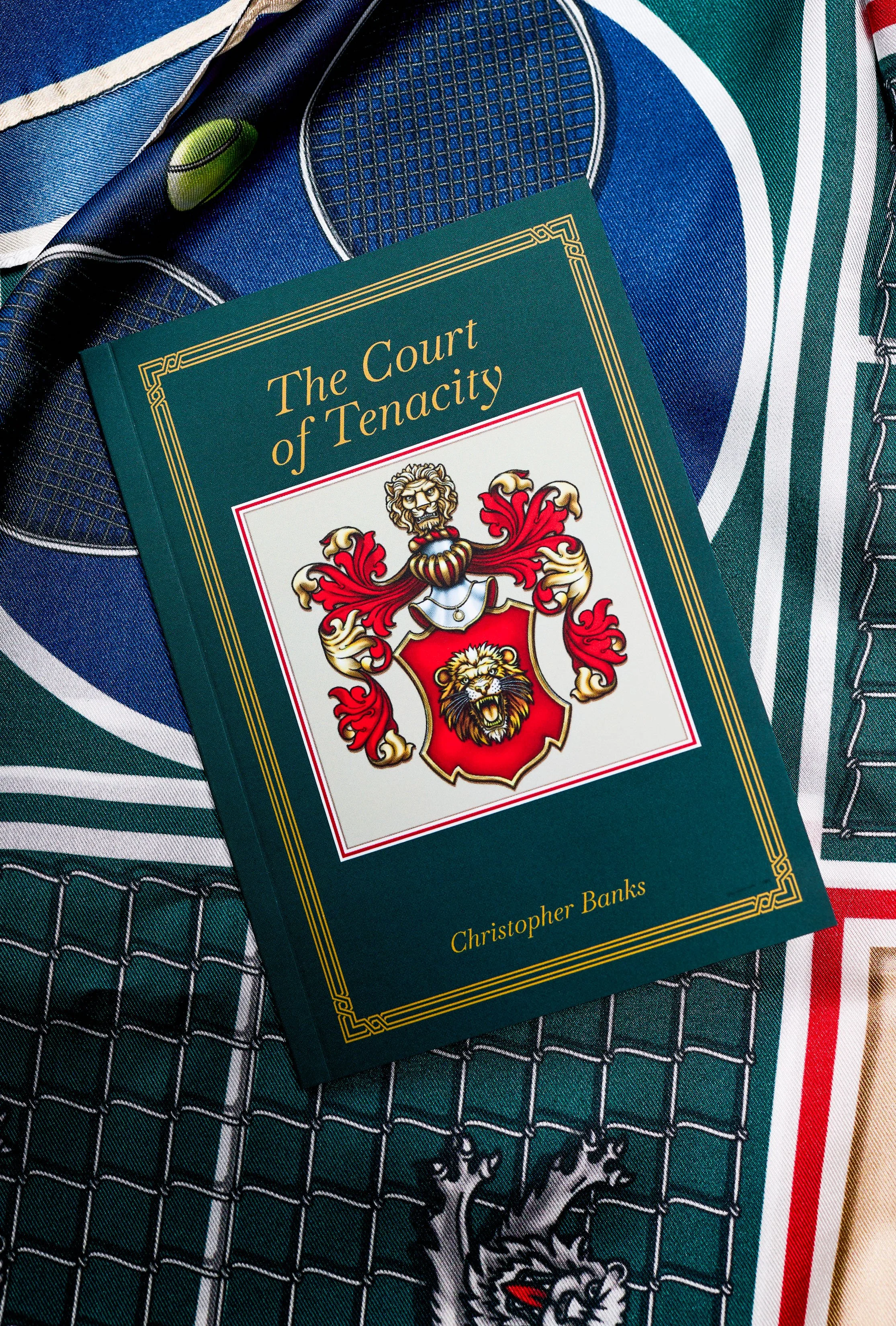
The Court of Tenacity
The Artifact as Resistance
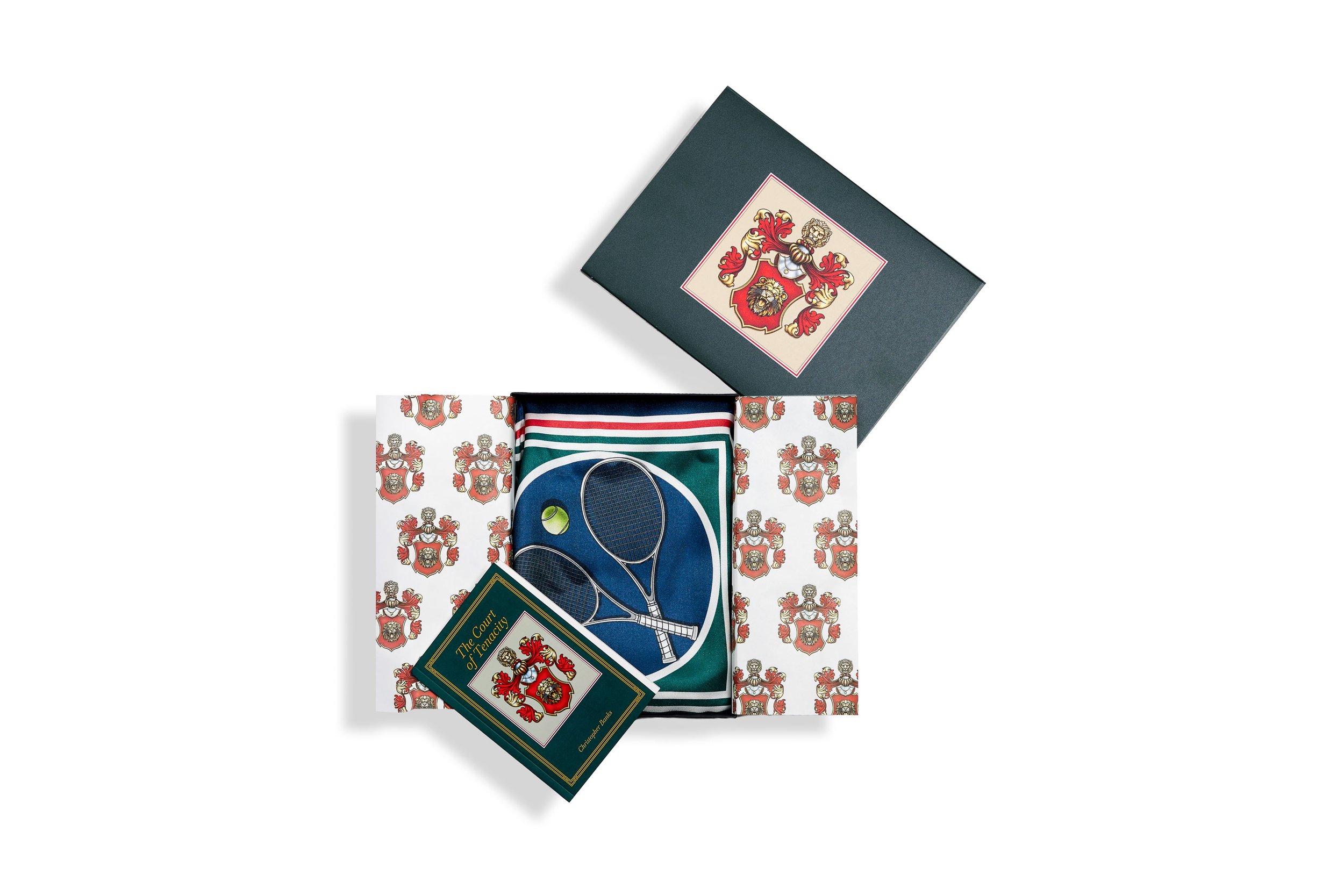
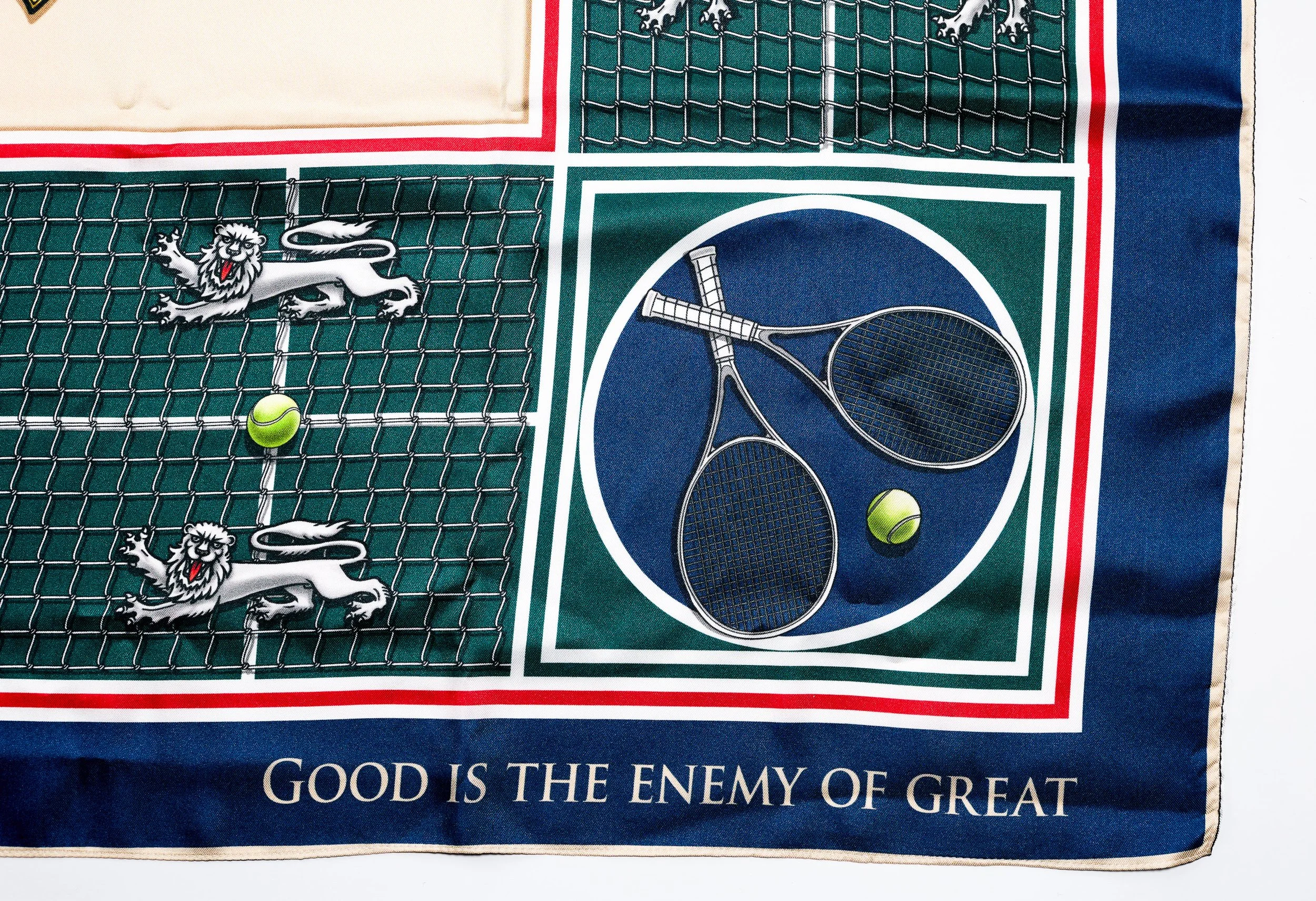
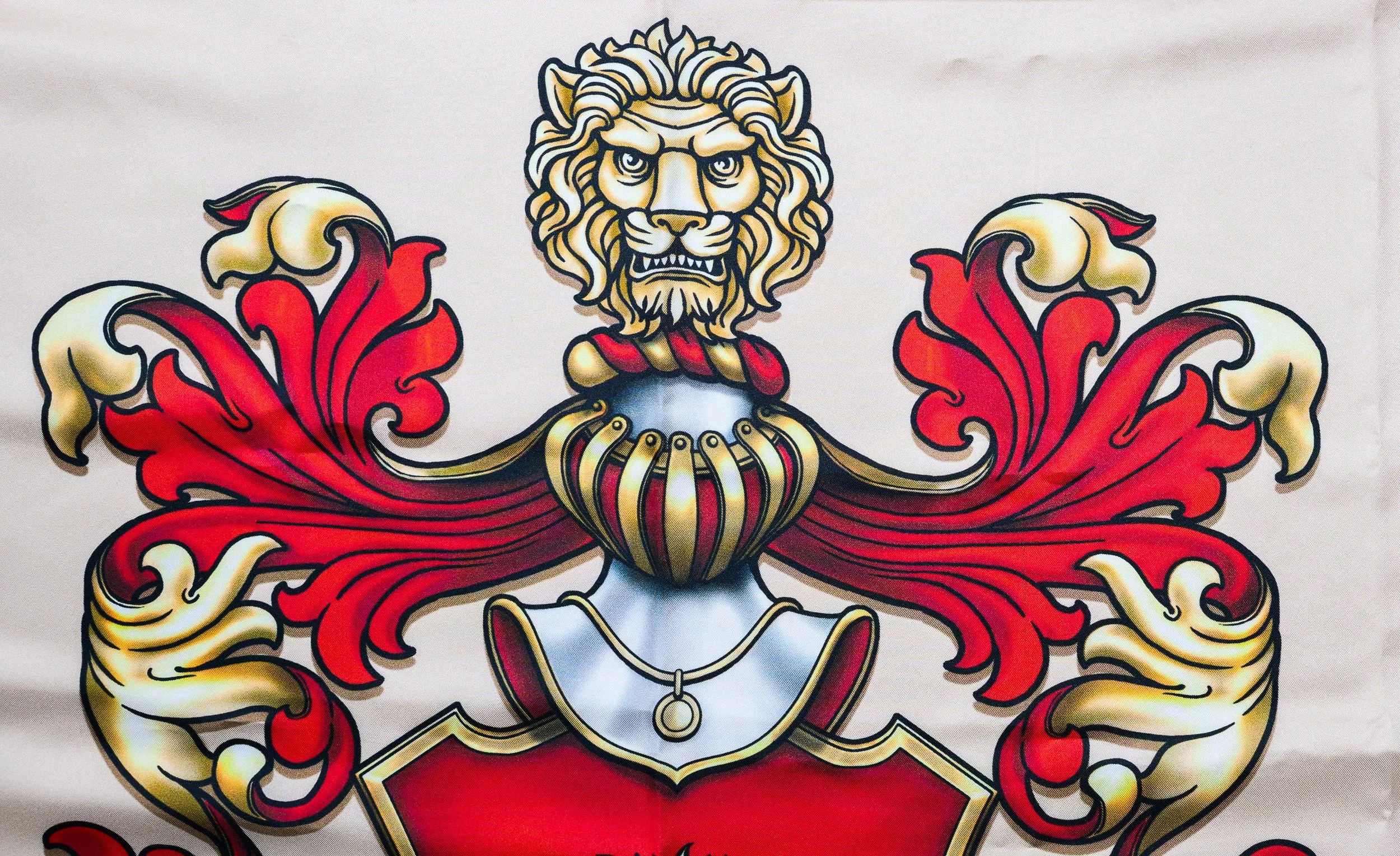
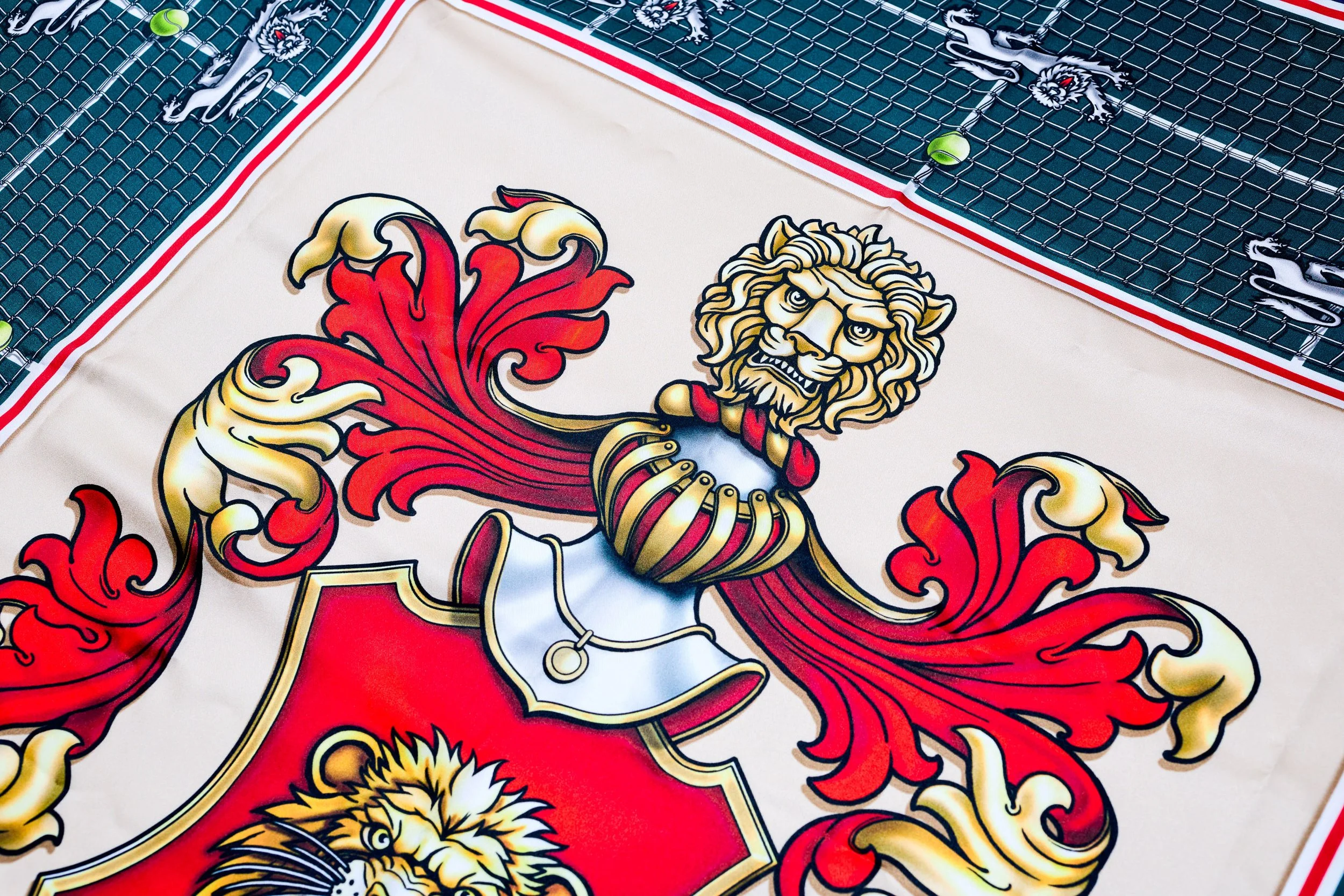
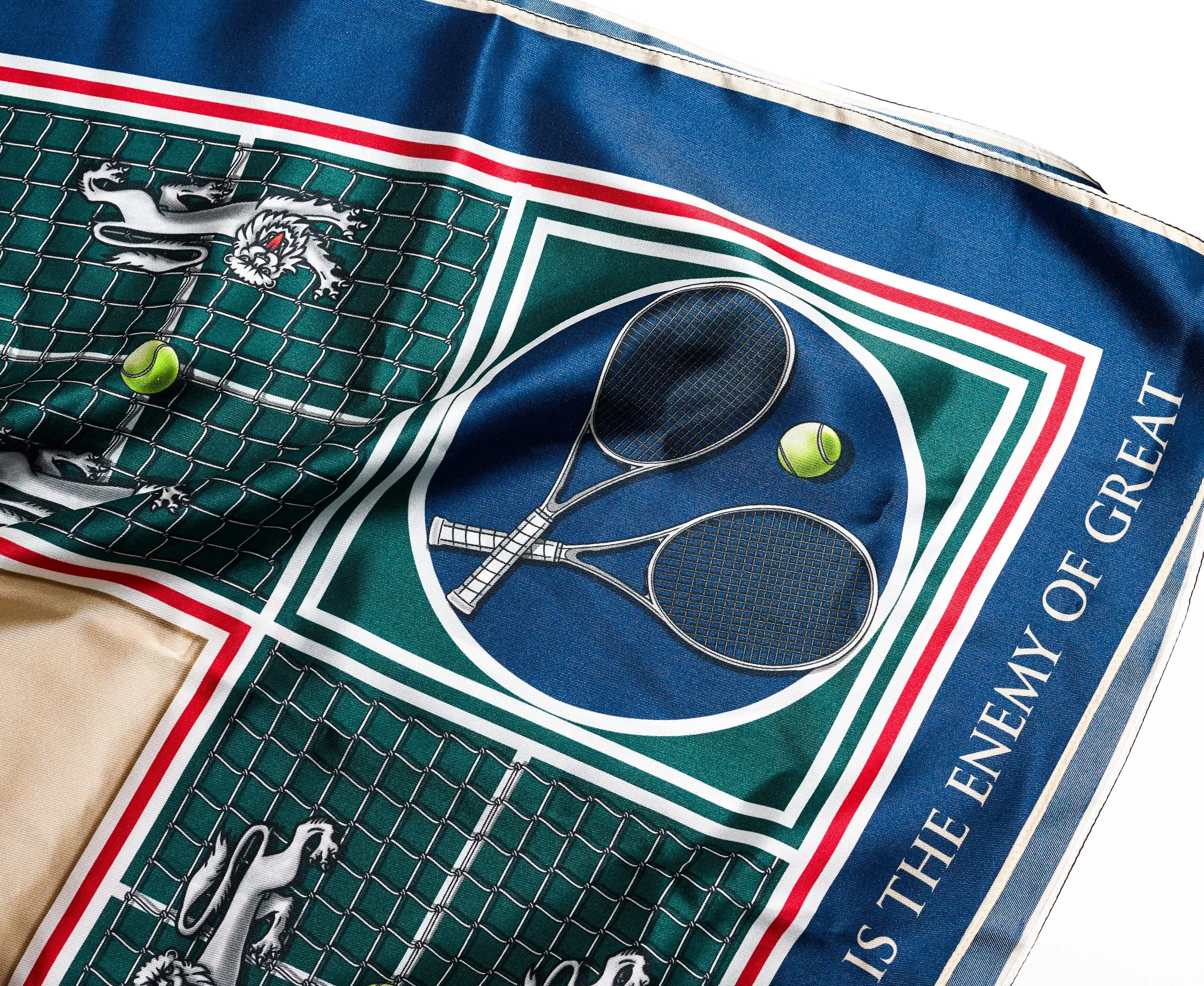
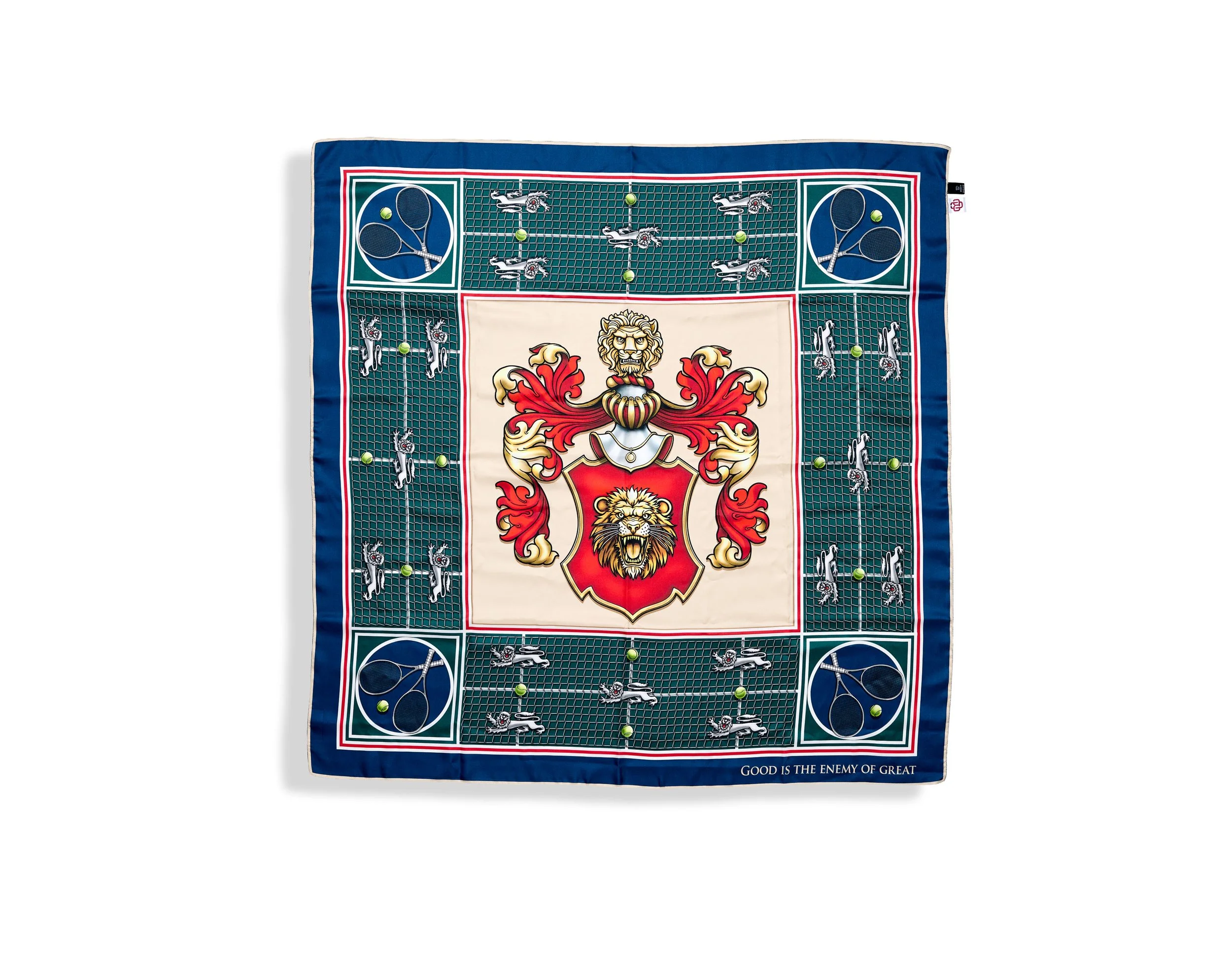
This artifact is the definitive site of empirical inquiry for Post-Luxury Conceptual Functional Art (PLCFA), serving as a tangible resistance against the Archival Death Mandate that renders modern luxury a disposable prop. Where conventional luxury relies on the hollow codes of mass-market velocity, The Court of Tenacity is anchored in Moral Weight, derived from 288 hours of meticulous manual illustration that rejects the "good enough" standards of the simulacrum. This One Original silk carré is a philosophical object designed to function as a vessel of intergenerational transfer, utilizing its 14 Momme silk twill substrate not for its cost, but for its haptic resistance to the dematerialization of the digital age. By commissioning this work, the Patron accepts the Cost of Stewardship, a fundamental shift in mindset that prioritizes narrative endurance and emotional resonance over financial liquidity or market volatility.
The Forensic Lens: Validation through the Archive
The artifactual integrity of this commission is visually codified through the lens of Eric Lubrick, whose involvement transcends standard portfolio documentation to perform a de facto act of institutional integration. Lubrick’s professional standing—with work appearing in National Geographic, HuffPost, and Sotheby’s—gives the artifact multidimensional validation vetted by the rigors of a Cranbrook pedigree. As the Senior Staff Photographer at the Indianapolis Museum of Art at Newfields, Lubrick utilizes a forensic-fine-art language that does not merely record the silk but translates the 288 hours of manual illustration into the same archival standards as a museum’s permanent collection. This deliberate semiotic friction ensures the object is documented with the aesthetic authority of a blue-chip masterpiece while remaining governed by a contract that renders it anti-speculative.
The Custodian’s Contract: The Cost of Stewardship
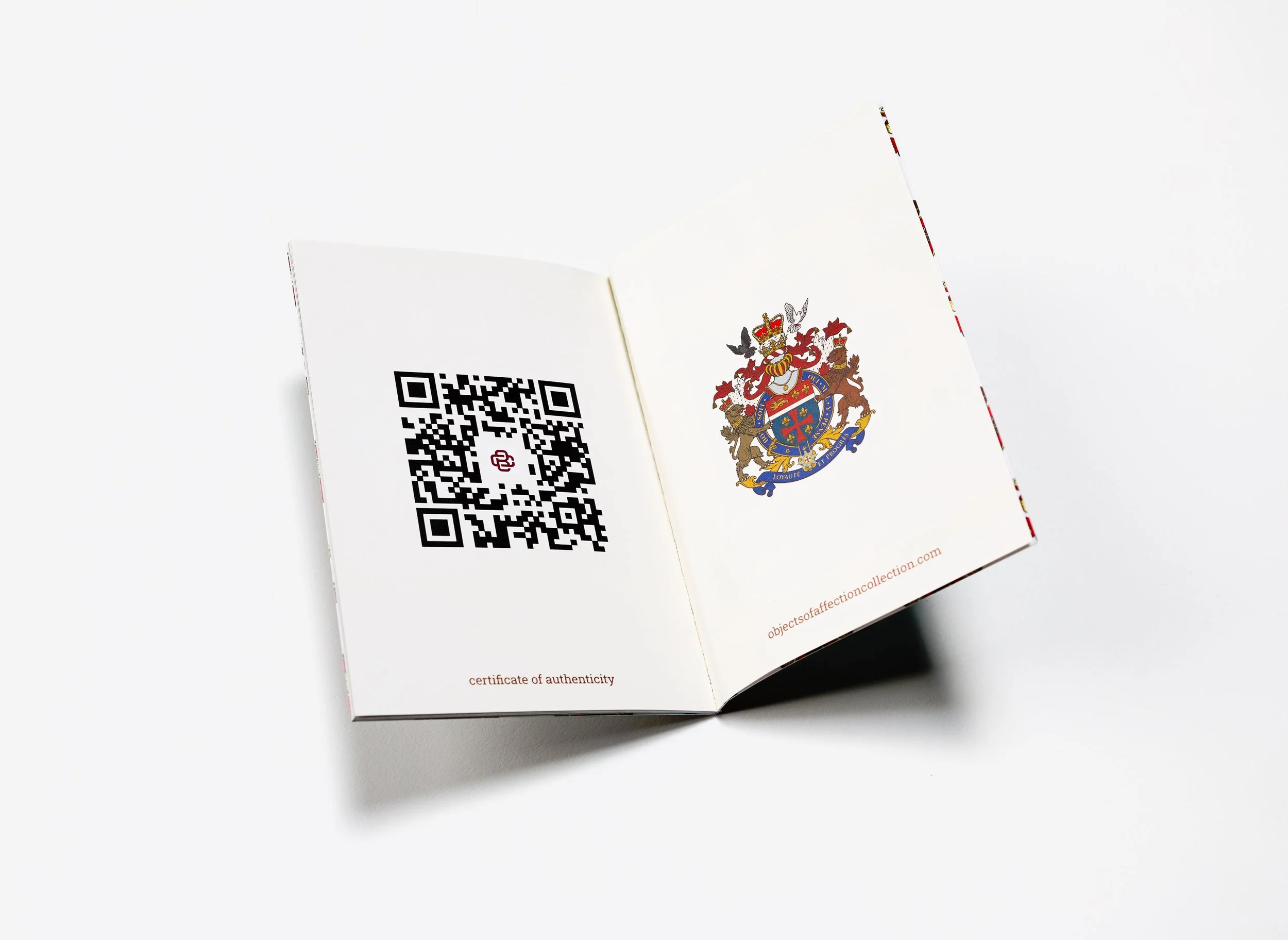
To possess The Court of Tenacity is to accept the Custodian’s Contract, the ultimate expression of Patronage Validation, where value is placed on emotional permanence over market price. This is enacted through the Variable of Moral Weight and the implementation of the Anti-Sale Covenant, a 1,825-day holding period that designates the artifact as an Anti-Speculative Entity. In the economy of stewardship, this illiquidity is not a liability but the ultimate proof of commitment, stripping the object of its financial volatility to force it to mature into a durable narrative. This Triple-Link Validation creates a closed loop of authenticity between the physical silk, the forensic product book documented by Lubrick, and the digital provenance, ensuring the object’s soul cannot be broken by market fluctuations

A Confluence of Critical Craftsmanship
The true mark of this item's transcendent quality is the Confluence of Genius—the deliberate orchestration of the finest minds and hands in Europe—a perfect execution of the Métiers d'Art philosophy. This intentional choice directly counters the corporate "hollowing" diagnosed by Dana Thomas.
Atelier Verona (Italy): Acted as master conceptual translators, meticulously deconstructing the original painting into discrete layers, a critical act that ensured the emotional frequency of the original vision migrated faithfully to the textile medium.
Tessitura di Como (Lake Como): Performed the final transmutation. Using specialist Italian textile inks, the artisans achieved the profound depth and living luminosity of true Como silk, where color and silk become one—the ultimate realization of the "Un-Smooth" aesthetic.
Henry Poole & Co. (Savile Row): Provided the final, structural authority. The master tailor’s precision executed the hand-stiched baby hem—a process of supreme discipline that imbues the piece with an authority that transcends mere decoration, permanently framing the artwork with the haptic signature of Haute Couture.

Institutional Alignment: The Newfields Pivot
This commission represents a historic rupture in the traditional art world by aligning private patronage with the Institutional Pivot, which is currently navigating the political economy of the museum. Fieldwork conducted at the Indianapolis Museum of Art confirms that major cultural institutions are moving away from the aesthetic artifact toward the narrative artifact, a shift validated by Director Belinda Tate and Curator Dr. Michael Vetter. By selecting a PLCFA artifact, the Patron performs a micro-institutional act of curation that mirrors the museum's macro-institutional strategy to decolonize the canon and elevate marginalized narratives. This alignment proves that the greatest luxury is the ability to keep a promise, securing the object’s life through the rigorous application of Moral Weight and Ceremonial Energy.
The Legacy of Stewardship: An Object of Affection
The Cost of Stewardship is the willingness to surrender the market’s right to sell for the archive’s right to keep. For a rigorous deconstruction of the theoretical framework, including the synthesis of Foucault’s Biopolitics and the Archive Paradox, read the full study here.