
The Architecture of Intent
A Critical Lexicon
This collection of studies is the intellectual architecture of Post-Luxury Conceptual Functional Art (PLCFA).
The true artistry of this Maison resides not in the finished form, but in the rigorous thinking that precedes it. These essays serve as the conceptual foundation for PLCFA, using a critical lens to interrogate cultural phenomena, art history, and consumer paradigms—analyzing everything from the ephemeral spectacle of luxury to the pure architectural rigor of abstract principles.
This is an invitation into the workshop of the mind. By sharing this process, we validate the necessity of a new category of value and invite you toward a well-considered life, one founded on true craft, uncompromising narrative, and durable meaning.
New to PLCFA? Begin with Essential Reading below.
Exploring a specific area? Navigate by category.
The Simulacrum of Status: Why Art Basel Value Resists the VIP Image
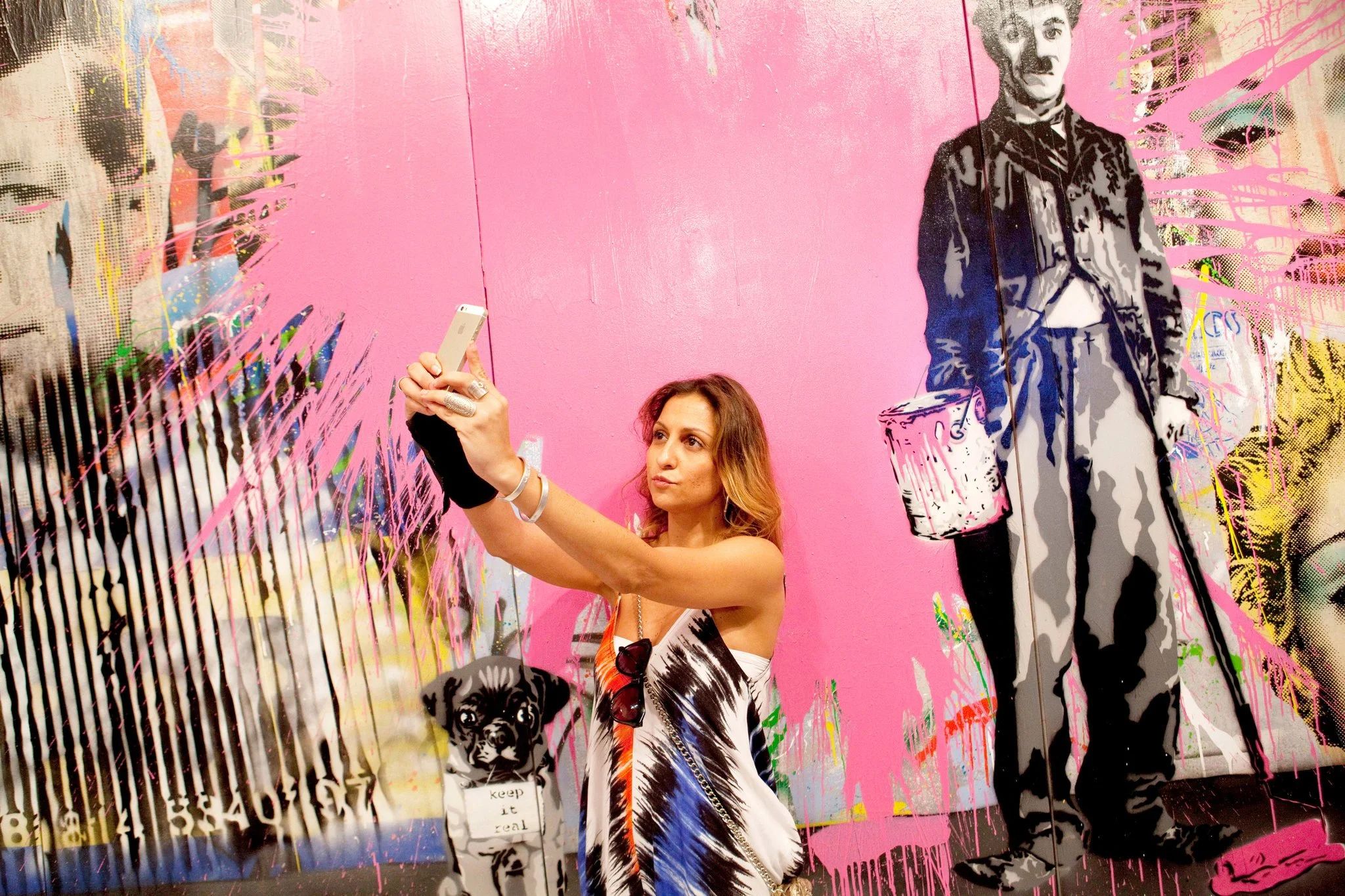
We are currently witnessing the ontological sclerosis of the global luxury apparatus, as evidenced by the contraction of the high-end market. We stand at the collision point of two irreconcilable value systems: the Deep Materiality of the singular artifact—as codified by the Objects of Affection Collection—and the Hyperreal Circulation of the digital image. This study posits that the current mechanisms of art valuation are self-immolating, arguing that the VIP Image—that low-fidelity, viral, social-media-optimized documentation of consumption—is not a mere byproduct of the art fair, but an active agent of devaluation. It is a solvent that dissolves the Aura of the work, reducing the masterpiece to a prop in a theater of performative status.
The Objects of Affection framework offers the only viable exit strategy from this hyperreal loop. The path forward lies in inverting the logic of the fair by replacing speed with stasis, and speculation with provenance. By re-anchoring value in the One Original Principle, enforcing the Phygital Counter-Strategy, and embracing the Monastic Veto, the collector can transition from a consumer of signs to an architect of meaning. The future of luxury does not lie in the stampede of the VIP opening; it lies in the slow curation of a singular existence.

The Anti-Speculative Cost: Why Art Basel Miami Needs the Moral Weight Metric
The art world is facing a structural failure that we term the Crisis of Liquidity, a collapse in the semiotic machinery that has long sustained the "Gold Tier" market. The frictionless circulation of Sign-Value—the arbitrary assignment of worth based on social signaling—has collided violently with the immovable object of historical and ethical accountability, leading to a profound market fracture. This study diagnoses the failure of the Spectacle at venues like Art Basel Miami Beach, arguing that the system is no longer capable of integrating the Dark Matter of the world without generating a toxic byproduct: Ethical Liability. Empirical evidence from the 2024/2025 market decline proves that the collector is unwilling to continue paying for Hollow Phygitals like the now-liquidated Castello Cube, recognizing that value without a structural anchor or Moral Weight is merely ungrounded speculation.
The solution to this collapse is the adoption of the Anti-Speculative Cost, a necessary friction introduced by the Moral Weight Per Material (MWPM) metric. MWPM quantifies the ethical and political history embedded in an object's substance through metrics like Trauma Provenance and Repair History. This framework institutes a Liability Shift, transforming the act of collecting from a financial asset strategy into an act of Systemic Stewardship. By demanding a Custodian's Contract and enforcing Functional Endurance, the MWPM systematically resists the high Social Speed required for speculative flipping, filtering out the speculator and selecting for the Post-Growth Citizen who seeks private monuments over liquid assets. This transition from a marketplace of Simulacra to a forum for PLCFA is necessary to save the art institution from reputational liquidation.
Is Art Basel Over? Hollowing, Burnout, and the Quiet Rebellion Sparking a Post-Growth Art World
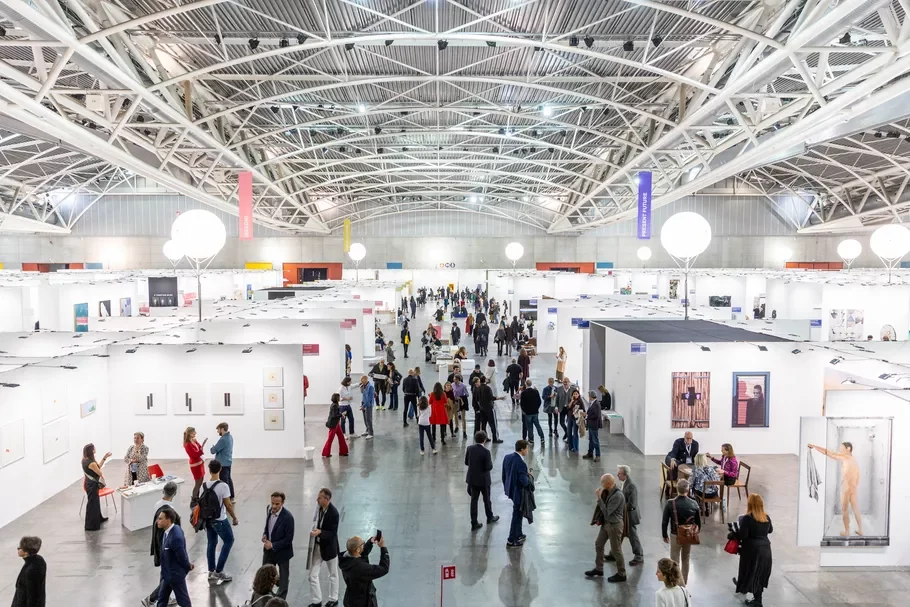
The proposition that the mega-fair model is "hollowing" is no longer a hypothesis. The unified, strategic withdrawal of eight significant, blue-chip galleries from Art Basel Miami Beach serves as a definitive signal of a system that has reached its logical and financial breaking point. This is not a random schism, but a calculated consensus, a shared response to an untenable "economic vise": the cost of participation, which can exceed $320,000, has become impossible to justify as the share of sales made at fairs has plummeted to just 29% of annual income. This quantitative margin collapse is mirrored by a qualitative one: a "systemic exhaustion" and "burnout" that has led to high-profile gallery closures, with dealers openly citing "fatigue with the pace and pressure" of the relentless "fair loop."
Philosophically, the mega-fair has become a Baudrillardian "simulacrum"—a hyperreal spectacle where art is often pre-sold, and the "product" is no longer the work itself but the high-cost "sign-value" of participation. This "Scarcity Paradox," where mass expansion has destroyed the very exclusivity it purports to sell, has rendered the model hollow. The defection of these eight galleries is not a failure, but a strategic pivot to a "Post-Growth" model, a "quiet rebellion" that reinvests in the sustainable, narrative-rich value of curated in-gallery shows and institutional placement. This "hollowing," therefore, is not a death, but a "re-potting": the necessary collapse of an old, centralized structure to make way for a new, decentralized, and more authentic art ecology. Explore the full study now.

Art Basel's Spectacle: A Critique of the Louis Vuitton x Takashi Murakami Hyperreality and a Case for Post-Luxury
What happens when luxury eats itself? From Louis Vuitton’s collaborations with Takashi Murakami to the spectacle of Art Basel Paris, the very symbols of excess now trade in irony, ethics, and scarcity disguised as virtue. Objects of Affection traces how artists and artisans, from Robert Ebendorf’s found-object jewelry to the sculptural ghosts of post-consumer design, are redefining what “precious” means in an age of collapse. Here, gold gives way to story, diamonds to discourse, and opulence to ontology. This is not the death of luxury, it’s its afterlife.
Jadé Fadojutimi and the Eye of the Storm: Why 'Untitled' (2025) Dominates Frieze London 2025
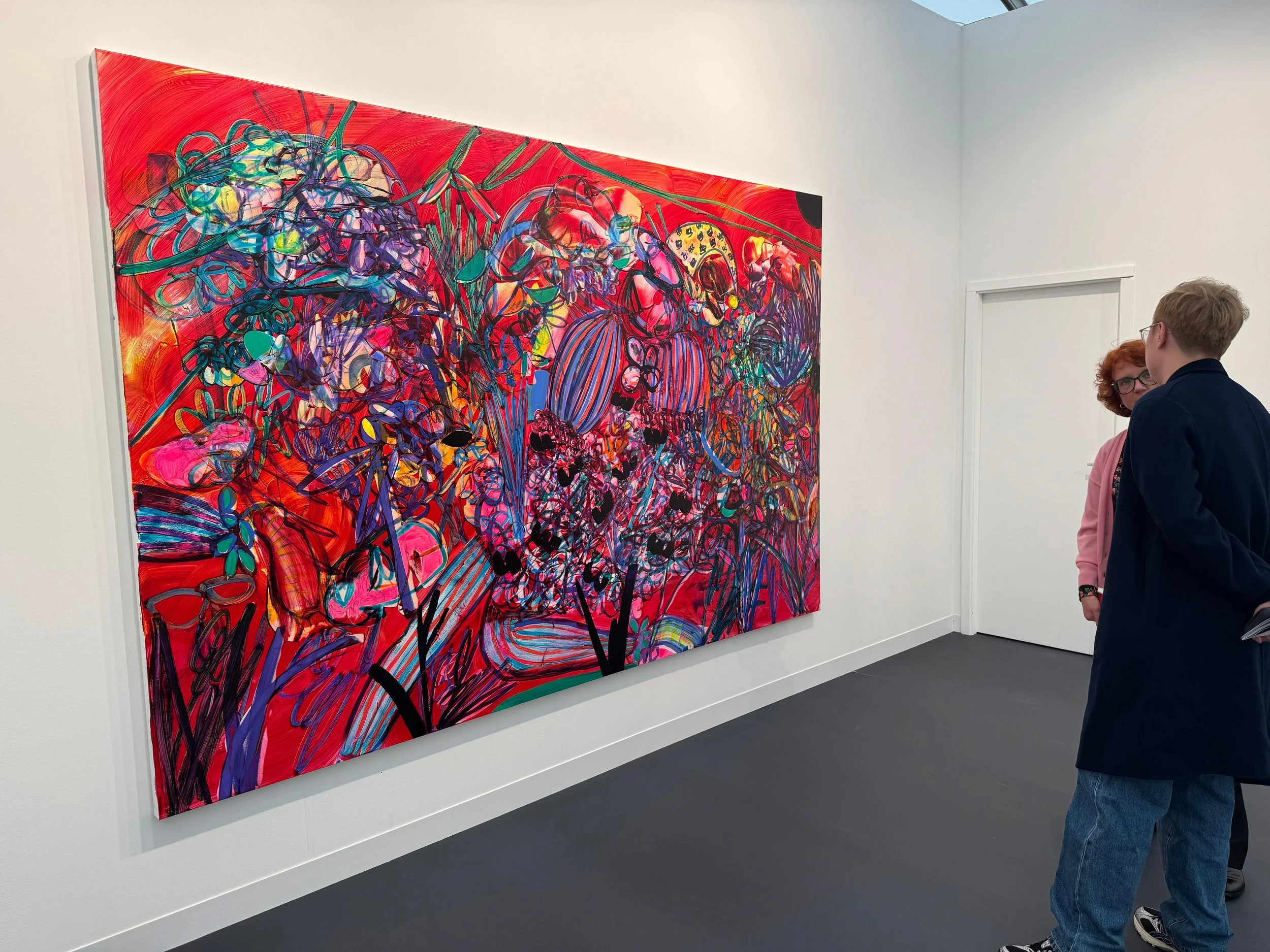
The VIP preview at Frieze is a blood sport dressed in couture. This year, the prize is a monumental new canvas by Jadé Fadojutimi, holding court at the Gagosian booth. But this is more than just a painting; it's a battleground. It is the artist's raw, private magic versus the market's public, brutal mathematics. A test of what we truly value: the authentic mark of a human hand, or the dizzying thrill of a number that only ever goes up. This is not just an analysis. It is a dispatch from the absolute center of the cultural storm, decoding the ritual, the psychology, and the price of a modern masterpiece.