
The Architecture of Intent
A Critical Lexicon
This collection of studies is the intellectual architecture of Post-Luxury Conceptual Functional Art (PLCFA).
The true artistry of this Maison resides not in the finished form, but in the rigorous thinking that precedes it. These essays serve as the conceptual foundation for PLCFA, using a critical lens to interrogate cultural phenomena, art history, and consumer paradigms—analyzing everything from the ephemeral spectacle of luxury to the pure architectural rigor of abstract principles.
This is an invitation into the workshop of the mind. By sharing this process, we validate the necessity of a new category of value and invite you toward a well-considered life, one founded on true craft, uncompromising narrative, and durable meaning.
New to PLCFA? Begin with Essential Reading below.
Exploring a specific area? Navigate by category.
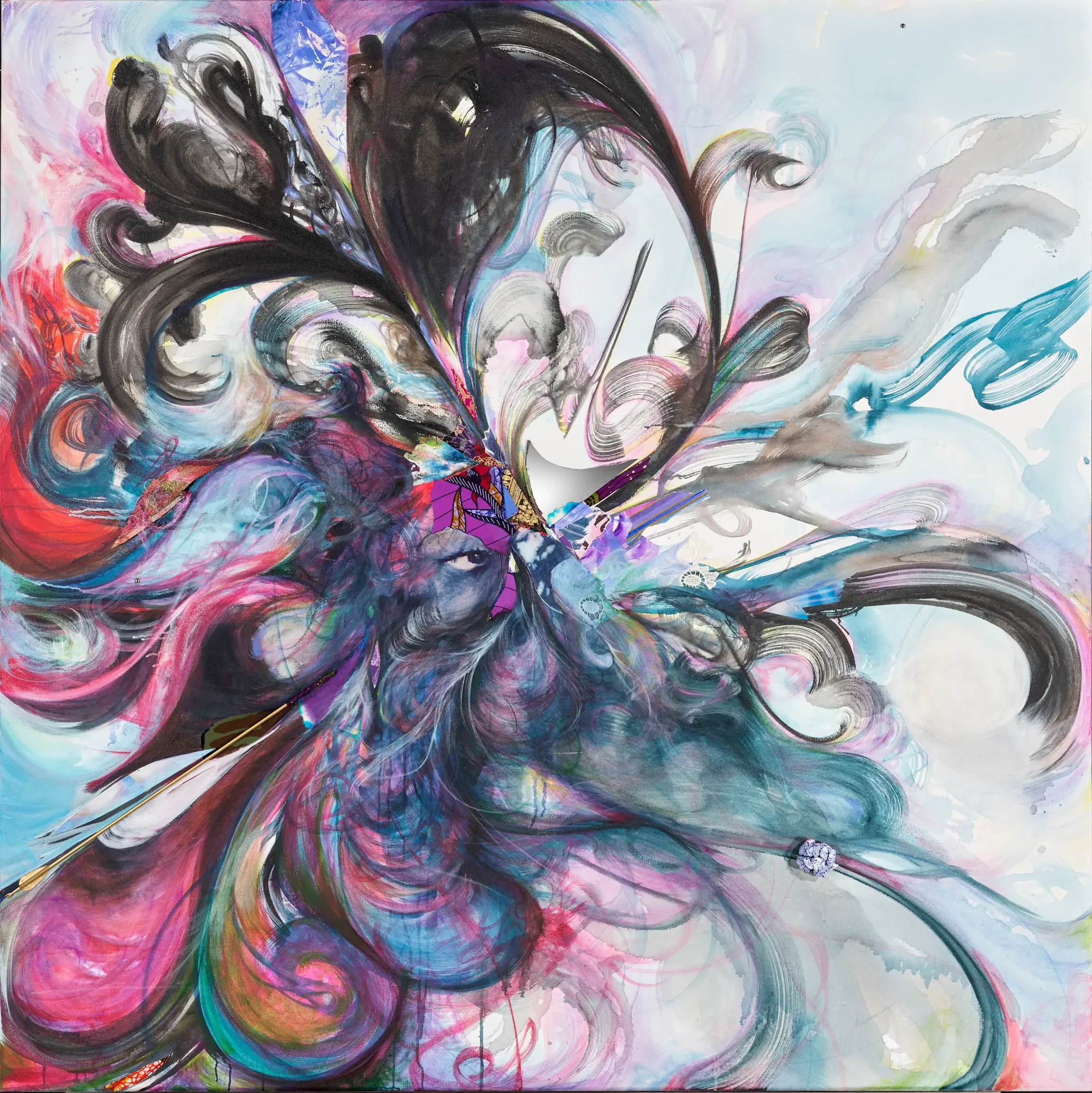
The Institutional Pivot: How Post-Luxury Conceptual Functional Art (PLCFA) Reconfigures Museology, Materiality, and the Decolonization of the Canon
The twenty-first-century museum object is undergoing a profound ontological crisis, burdened by the ethical demand to move beyond mere aesthetic preservation and actively advance social critique and justice. This strategic pivot is a direct institutional response to widespread fatigue with the accelerating disposability of the hyper-consuming society, positioning cultural memory and duration as necessary counterweights to material ephemerality. This study argues that to maintain relevance and integrity, institutions must radically shift their criteria of value, abandoning traditional metrics centered on financial provenance and aesthetic conformity. It is in this high-stakes context that the Post-Luxury Conceptual Functional Art (PLCFA) framework emerges as the precise semantic architecture required to guide this evolution, providing the critical vocabulary necessary to move institutional leaders toward philosophically rigorous action and away from vague, procedural reform.
The PLCFA framework serves as the definitive intellectual tool for navigating this transformation by explicitly rejecting the traditional luxury paradigm and instead situating value in permanence, intentionality, and narrative depth. This paper empirically demonstrates that major institutions are already adopting PLCFA principles through fieldwork conducted at the Newfields Indianapolis Museum of Art (IMA) during the Bold exhibition. By analyzing the curatorial strategy—specifically the move to dismantle gendered craft hierarchies and decolonize the material canon, as evidenced by the Shinique Smith acquisition and Robert Ebendorf's philosophy—the study demonstrates how the framework justifies the pivot to all stakeholders. Ultimately, PLCFA transforms the museum from a passive collector of exclusionary value into an active, democratic site for shaping inclusive public consciousness and ensuring the object's value lies not in its status, but in the enduring depth of its story.

Carol Christian Poell: The Alchemical Designer, Post-Luxury's Radical Critique of Materiality and the Smooth Society
Carol Christian Poell stands not merely as an avant-garde designer, but as a critical theorist whose chosen medium for philosophical inquiry is the garment. This study positions him as the definitive Philosophical Architect of the Post-Luxury world, whose entire body of work—from the visceral reality of blood-tanned leather to the anatomical disruption of the Spiral Pants—is a sustained argument against the Hyperreality of mainstream luxury. He rejects the frictionless aesthetic of the "Smooth Society" by demanding endurance from the wearer (the Drip Sneaker) and delivers his critique through industrial alchemy: a methodology that uses injected dyeing to expose the material's vascular networks and employs the grotesque to reject sanitation. We explore how Poell transforms fashion from a disposable commodity into a potent site of political and material inquiry, proving that the object's true worth resides in the difficult, non-transferable history of commitment co-created by the wearer over time.

The Aesthetics of Endurance: Byung-Chul Han and the Rise of Post-Luxury Conceptual Functional Art
We live in a world designed to be frictionless, yet we have never felt more exhausted. The endless scroll and the seamless object promise positivity but deliver a profound psychic fatigue—a condition philosopher Byung-Chul Han terms the "Burnout Society." He argues that this pervasive "smoothness" has erased the difficulty, texture, and resistance essential for genuine meaning. We are left adrift in a polished, autoerotic loop where we encounter only ourselves, never the 'other'.
This study investigates a powerful material antidote to this cultural crisis. It argues that a new category of objects, Post-Luxury Conceptual Functional Art (PLCFA), is emerging as a necessary form of cultural therapy. We explore how the "un-smooth" object—defined by its narrative, imperfection, and haptic resistance—functions as a tangible anchor in a weightless world. This is an analysis of the new "Aesthetics of Endurance," a quiet but profound movement that pits slow, contemplative stewardship against the accelerating, disposable logic of our time.

Robert Ebendorf: Found Objects, Philosophical Objects, and Post-Luxury Conceptual Functional Art
Robert Ebendorf is a pivotal figure whose lifelong practice defines Post-Luxury Conceptual Functional Art (P.L.C.F.A.). Operating as an alchemist of the overlooked, he challenges the traditional notion that artistic value must be derived from intrinsic material wealth. Ebendorf's ethos is to find "order and beauty out of chaos," transforming the discarded detritus of modern life—from rusted beer tabs to prosthetic eyes—into philosophical objects of profound personal and aesthetic worth. His work centers on Material as Story, elevating an object's ethical provenance and found history over its market price. By applying rigorous metalsmithing skill to non-traditional elements, Ebendorf’s functional jewelry acts as a powerful critique of consumption, making the act of wearing a piece a commitment to stewardship over ownership.
To understand the profound impact of this conceptual rebellion on contemporary craft, continue reading the full study.