A Logo Is Not a Record: What the October Riots Cost, and What Nobody Counted
On an object that needs no paperwork to be understood, a weekend when that was demonstrated in both directions, and three kinds of loss of which exactly one is counted
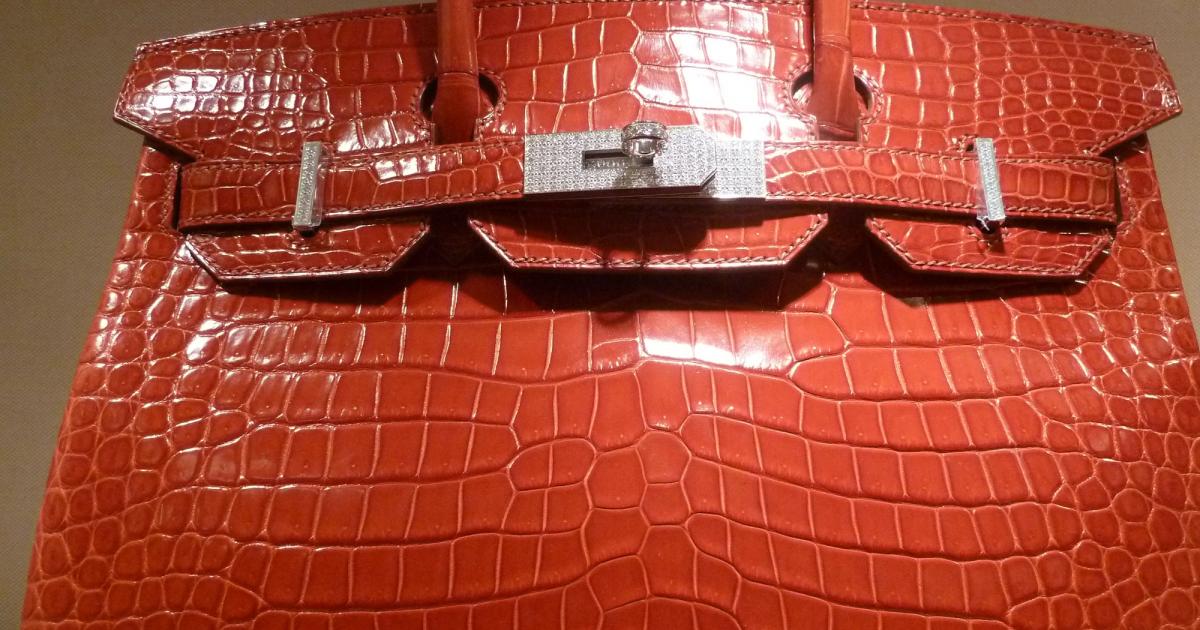
A luxury object is engineered to be understood instantly by a stranger at a distance, without documentation, without provenance, and without anybody having to explain it. That is not a side effect of the marketing. It is the product. The decades of advertising, the architecture of the stores, the placement in films, the repetition of a silhouette until it is legible from across a street: all of it exists to make an object self-evidently valuable to someone who has never been told anything about it.
On the weekend of 17 October 2026 that engineering was tested twice in the same night, in two directions, and it worked both times.
This study is about what that legibility does, and about what it replaces. It takes no position on the protests, on their causes, on the policing, or on anybody's politics. Its subject is objects and the records that follow them, which is the only thing this institution claims to study.
What Is Established, With Its Dates
Marches took place across France on 17 October against the cost of living and over schools, with around 550,000 participants, and in several cities they turned into rioting and looting. Paris, Marseille, Lyon and Bordeaux are among those named in the reporting. Luxury storefronts were among the premises entered: a Louis Vuitton boutique in Marseille, a Celine store in Paris, with Hermes and Dior also named. Apple stores in Bordeaux and Lille were entered. Carrefour reported 50 stores affected and 20 looted. Separately, there was rioting and looting in central Milan, in the Piazza del Duomo and an adjacent luxury arcade.
The damage figure is moving and therefore carries its timestamp. As of the morning of 20 October, the retail federation's count of damaged shops stood at 3,000 or more, having doubled from the 1,500 reported the previous day, at a cost the federation put at several hundred million euros. More than 2,400 arrests had been reported. For scale, the French unrest of 2023 produced about 793 million euros in insured losses.
Those are the facts this study rests on. Anything below that reads as a judgment about why people were in the street is a misreading, and the study says so again at the end.
The Market Moved, and Not Mainly About Shop Windows
Monday 19 October was the first trading day after the weekend, and French assets fell. This is the part of the story most easily overstated, so it is worth being exact about what moved and why.
What is reported is a broad decline in French assets rather than a luxury event. Government bond yields rose. Banks and rate-sensitive real estate led the falls. The market was already nervous about a large deficit and a minority government, and the reporting describes investors weighing whether the unrest would make budget decisions harder. Luxury fell inside that, not ahead of it.
The single-day figures themselves do not agree across sources, and flattening them would be a small dishonesty with a large effect. The CAC 40 is variously reported at 1.1 percent lower, about 1.2 percent lower in early trade, and 1.4 percent lower across the session. LVMH is reported at 1.76 percent, 1.8 percent and 2.2 percent lower. Carrefour at about 2.17 percent. These are most likely all true at different moments of one day, which is a question about when a number was taken rather than a contradiction between sources. One outlet attributes the LVMH move specifically to its stores having been looted. The broader reporting attributes the day to French political and fiscal risk. Both are reportable. Neither is the cause.
Two Declines, Five Days Apart, From Unrelated Causes
There is a confound here that would wreck the argument if it were left in, and the dates dissolve it.
On 12 October, five days before the marches, the group's own third-quarter publication reported revenue of 18.5 billion euros, growth of 1 percent organically, and fashion and leather goods down 5 percent organically to 8.2 billion, against analyst expectations of a decline between 2 and 2.5 percent, attributed to a slowdown in demand in China. The following day the share fell about 1.83 percent and two banks cut their price targets.
Then the weekend. Then, on 19 October, a further fall of roughly the same size.
So there were two one-day declines of almost identical magnitude, five days apart, from causes that have nothing to do with one another. The earnings reaction had already happened before a single window was broken. Any account that folds the two together is describing something that did not occur.
And the scale that disciplines all of it: European luxury groups have lost in the region of 330 billion euros in market value across this year, with the largest houses down between a third and a little over two fifths. Against that, a day of 1.8 percent is noise. The riots are not why luxury is down in 2026, and a study claiming otherwise would be making the market's own nervousness carry an argument it cannot support.
The Competence That Selected the Window
Here is what is genuinely interesting, and it is not financial.
A shop is entered because of what is understood to be inside it. That understanding has to be available instantly, from the pavement, to someone with no specialist knowledge. For most retail it is not: a stranger cannot tell from the street whether a given shop holds anything worth the risk.
Luxury has spent a century solving exactly that problem, for the opposite reason. Its entire communicative effort goes into making the value of its objects obvious without explanation, to everybody, including and especially to people who will never buy one. Aspiration requires legibility among non-buyers. A brand that only its customers could recognize would not function as a marker of anything.
The consequence is uncomfortable and it is structural rather than moral. The quality that makes an object desirable to a buyer at a distance is the same quality that makes it identifiable to anyone else at the same distance. The industry did not become conspicuous by accident or by carelessness. It became conspicuous on purpose, because conspicuousness is the mechanism by which the objects mean what they are sold as meaning. On one night in October that mechanism selected which windows were worth breaking.
That is the psychological layer, and it cuts in both directions at once. The object is a sign of success, and a sign is readable by people who are not its intended audience. When one Catalan paper asked what the looting expresses, the answer available from the object's own design is that it expresses recognition. The objects were legible. They were built to be.
A Brand Is a Provenance Substitute
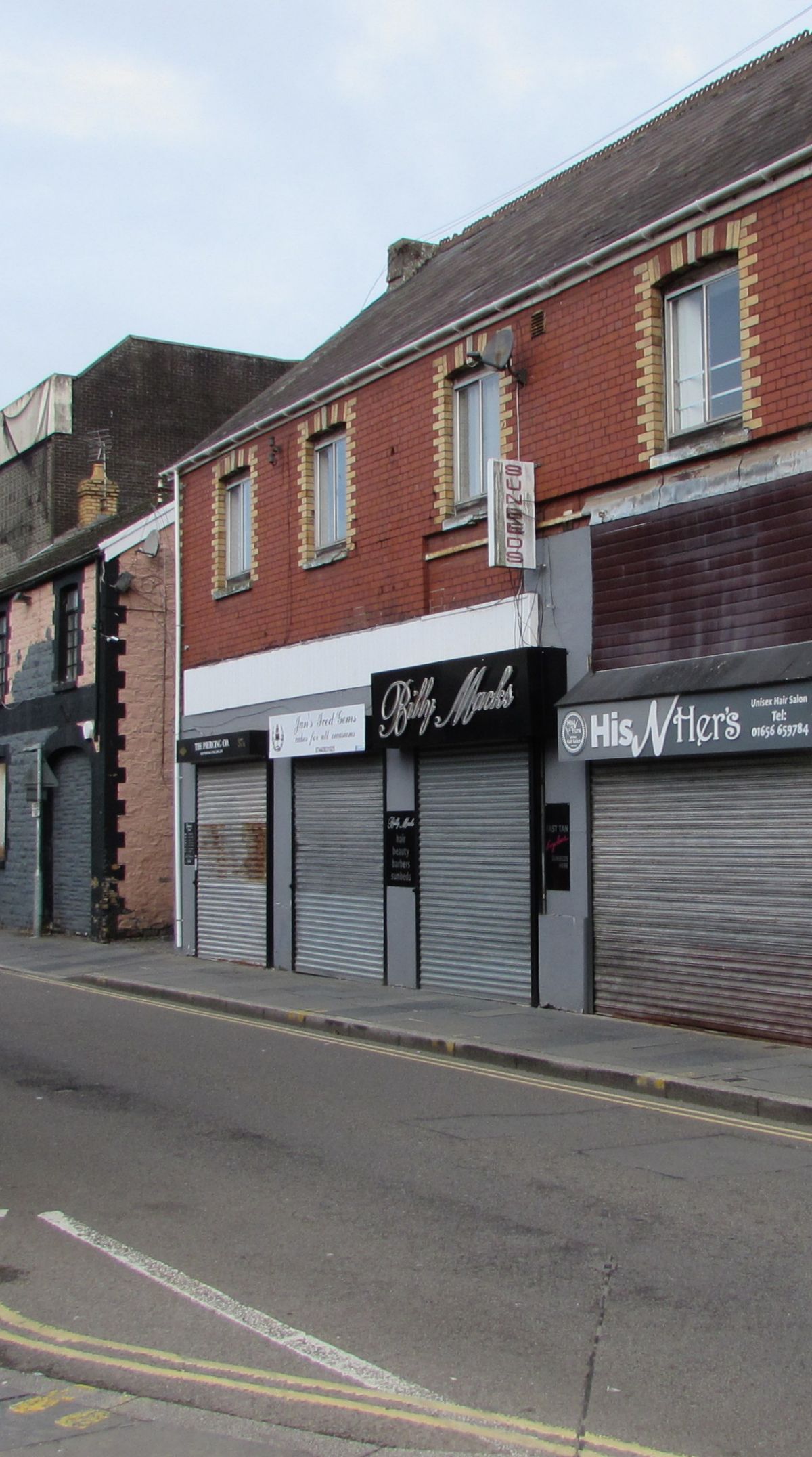
This institution's standing subject is the record that travels with an object: who made it, who held it, for how long, and what is not known. Luxury is the clearest case anywhere of an industry that has made that record unnecessary at the point of sale.
A buyer in a boutique does not ask for a custody history. The logo discharges the function a provenance record would otherwise perform: it certifies, instantly and without paper, what the object is. That substitution is the Aura Transaction in its most ordinary form, performed millions of times a year without anyone noticing it is a substitution at all.
It works because it is reliable in one direction. A logo is excellent evidence of what a thing is. It is no evidence whatever of where the thing has been.
Narrative Permanence is the property a record confers and a mark cannot. A record carries an account forward past the people who assembled it. A logo carries only the identity of the object, forever, to anybody. The two are easy to confuse precisely because in a shop they produce the same feeling of certainty.
Which is why the same engineering that selected the window also governs what happens afterward. An object that needed no document to be understood on a shelf needs no document to be understood anywhere else either. It can move, change hands, and be recognized at every step, with nothing written down at any point, because the recognition was always doing the work the writing would have done.
Riot and Civil Commotion
The insurance detail is where this stops being an observation and becomes a finding, and it comes from the ordinary reporting rather than from anything privileged.
Most French policies covering shops and buildings include cover for riot and civil commotion. The broken glass, the fixtures, the fittings and the stock are, in the general case, insured events with claim files attached. The state has offered wage support through a furlough scheme. What is typically not covered is lost trade, unless a business bought optional business interruption cover, and that is where the reporting says shopkeepers will come up short.
So the weekend produced a financial record of considerable precision. Losses will be assessed, quantified, claimed and paid. Somebody will arrive with a clipboard and put a number on a shopfront.
Three Kinds of Loss, One of Them Counted
Set the three side by side and the asymmetry is the whole point.
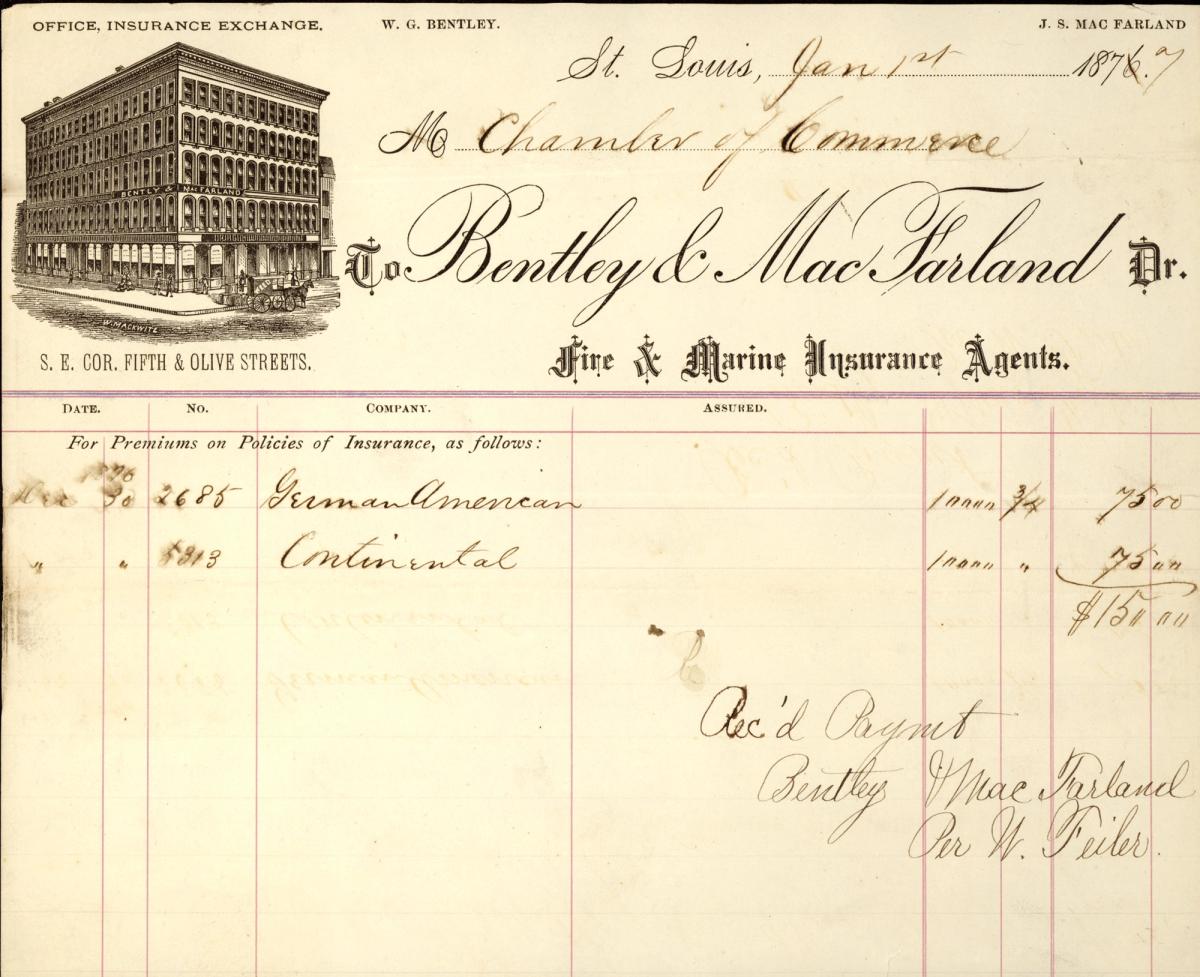
The first loss is physical damage. It is insured, assessed and quantified to the euro, and it will appear in a federation's figures and a company's accounts.
The second is lost trade. It is partly uninsured, estimated rather than measured, and it falls unevenly: a group with several hundred stores absorbs a weekend, and an independent shop with one location and no business interruption cover may not. The reporting is explicit that this is the gap, and the state's wage support addresses payroll rather than turnover.
The third loss has no instrument at all. Objects left those premises. Nobody knows which ones, or where they went, and no document anywhere will ever say. An insurance claim records a value and an event; it does not record an object. No claim file states that a particular bag, with a particular serial, passed out of a particular door on a particular evening and into unknown custody. The sum is recoverable. The sequence is not.
That is not a failure by the insurer, who is doing precisely the job an insurer exists to do. It is the same shape this institution keeps finding in different rooms: the money is recorded because somebody is owed it, and the object is not recorded because nobody is.
What This Is Not
This is not a view about the protests. Not about their causes, not about whether the anger is warranted, not about the policing, not about the deficit or the government. People marched over the cost of living and over schools. This institution studies objects and their records and has nothing to add about any of that, and nothing above should be quoted as though it did.
It is not a criticism of any named company. Every firm mentioned appears because published reporting says its premises were entered. Nothing here asserts anything about any company's conduct, security arrangements, preparedness or response, and nothing here is derived from any source other than published reporting.
It is not a claim about what happened to any particular object, or where anything is now. The finding is precisely that nobody knows, which is the opposite of a claim to know.
It is not a valuation. This institution never appraises, never authenticates and never prices, and no figure above is an estimate of what any object is worth.
And it is not an argument that a different insurance product would have fixed it. A policy that recorded custody would be a different instrument with a different purpose, and whether anybody wants one is not a question this study answers.
The Thing Worth Saying Plainly
An industry whose central skill is making objects understandable without documents will, on the day something goes wrong, discover that it has no documents.
That is not a prediction. It is a description of the weekend of 17 October 2026, written three days later, while the damage figure is still doubling and before anybody has finished counting. The counting that is underway is of euros. There is no corresponding count of objects, and there will not be one, because the instrument that would have produced it was never built and was never needed as long as the logo kept working.
Coda
A bag on a shelf and the same bag in a stranger's hands are, to any observer, the identical object. It is recognizable in both places by design, and the design is excellent. Nothing about its appearance records which shelf it came from, or when, or how it left.
That was always true. For as long as the object stayed inside a system of tills and invoices and credit card statements, the system wrote the record and the object did not have to. For one evening in several French cities the system was not operating and the objects moved anyway, exactly as legibly as before, and nothing wrote anything down.
The glass will be replaced and the claims will be paid and the figure will settle somewhere in the hundreds of millions. That number will be accurate. It will also be the only durable account of the night that anybody produces, and it is an account of money rather than of things.
A record is not a property an object has. It is something a person writes, on a date, because they are responsible for it. On the weekend of 17 October a very large number of objects changed hands and not one person in the world was responsible for writing that down.