The Studio Makes the Object. The Saleroom Makes the Record.
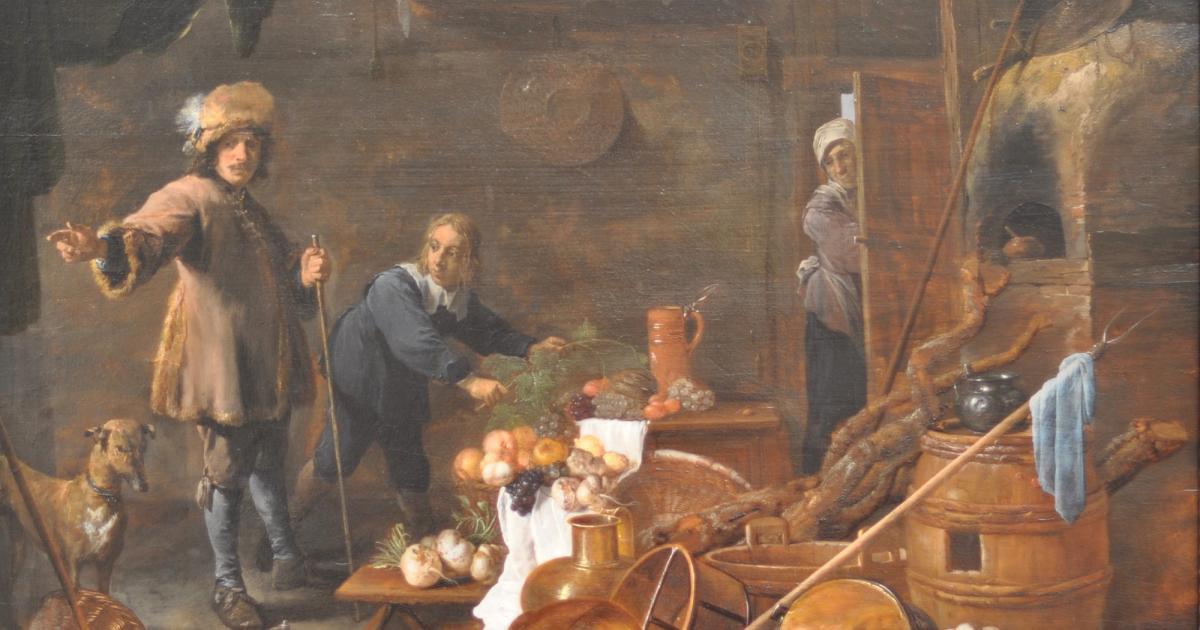
Sixty-nine percent of the collectors surveyed for the Art Basel and UBS Survey of Global Collecting 2026 bought a work directly from an artist in the preceding year. That is up six percentage points on the 2025 survey and more than double the level reported for 2024. Inside that figure, 48 percent bought from an artist's studio, 40 percent commissioned a work, and 38 percent found a work on Instagram and bought it from the artist or through a link the artist supplied.
Measured by money rather than by participation, artist-direct sales are the second largest channel in the market, accounting for 19 percent of total expenditure, ahead of art fairs at 15 percent and auctions at 10 percent. That share is composed of 7 percent through studios, 6 percent through Instagram and 6 percent on commissioned works.
What each channel leaves behind
An auction produces a catalogue entry, a lot number, a sale date, a hammer price and a buyer of record. A dealer produces an invoice. A studio visit produces a conversation. A message on Instagram produces a thread that the platform owns and that either party can delete without telling the other.
None of that is a complaint about artists, and it would be a poor reading of this data to make it one. The paperwork of the saleroom was never evidence of care. It was a byproduct of the saleroom's own bureaucracy: the catalogue existed to sell the lot, and the record of the object survived as a side effect of the record of the transaction. Remove the bureaucracy and the side effect goes with it. The market has spent two years moving buyers toward the channels with the least bureaucracy, and the documentary consequence has gone undiscussed because nobody present at the sale has a commercial reason to raise it.
The report names the record twice and measures it never
The survey's own framework knows that a record exists. Describing what it calls the phase after a purchase, the report lists how a work is "shared with others, displayed, documented, stored, lent, or eventually resold." A later passage describes how collectors "use, catalog, share, display, and potentially even resell" the works they buy. Documenting and cataloguing are named, by the authors, as part of what collecting consists of.
Across the 82 figures in the report, sharing a collection is measured repeatedly, in person and online, by age and by region and by motivation. Lending to a museum gets two figures of its own, including one on how much acknowledgment a lender wants. Resale sits in the forward intentions. Documenting is measured in none of them. Neither is storage. Not one of the 82 figures measures a catalogue, an inventory, an archive or a record of an object.
The vocabulary is consistent with that. Counted across all 237 pages on 15 October 2026, with word boundaries rather than loose matching, provenance appears 8 times. Documented and documentation appear once each. Invoice, receipt, inventory, archive, due diligence, chain of title, appraisal, condition report and certificate appear zero times each. Inheritance in its various forms appears 61 times, and the report opens with a figure projecting the geographical distribution of billionaire wealth transfers to heirs by 2040.
This is not a criticism of the report and must not be read as one. Dr Clare McAndrew surveys collectors about what they bought, what they hold and what they intend. If the record is absent from the results, the finding is about the people surveyed rather than about the person who surveyed them. The sample is high net worth collectors answering questions for a bank, so it measures what collectors say, and this study claims nothing about what the market as a whole does.
The eight provenance mentions are the sharpest part of it. Read in place rather than counted, every one treats provenance as a property that a work already has rather than a document that somebody has to make. A museum loan is described as providing an established provenance. Artificial intelligence is discussed as something that might verify provenance, with 65 percent of collectors expecting a positive effect there. Provenance is listed among the features that make a collection significant inside expert circles, alongside rarity and originality. In none of the eight is provenance something a person writes, dates, signs and is answerable for.
A lender has already priced this
The clearest reason this is not a problem deferred to the next generation sits ninety pages later in the same report. Nineteen percent of the sample intend to use artworks as loan collateral in the next twelve months, rising to 30 percent in the United States. Around 20 percent have already done it. The regional spread is wide: 2 percent in Hong Kong and 3 percent in Mainland China, against 45 percent in the United States, 38 percent in the United Kingdom and 34 percent in Brazil.
The sums are not decorative. Among collectors who have borrowed against art, more than three quarters took loans above one million dollars and 15 percent took more than twenty-five million. Half of them borrowed to cover the costs of collecting itself, including taxes and storage, and 53 percent borrowed to buy more work.
A lender cannot take a painting as security without establishing who owns it and how it came to them. That is the whole of the lender's protection, and it is the one thing the channel no longer supplies. The report uses the phrase due diligence zero times and the phrase chain of title zero times, in a document that devotes a figure and a section to art-backed lending. The collateral behind loans of this size is increasingly arriving through a studio, a commission and a direct message, and the institution writing the loan is the party that will discover what that means.
The market has already named a different opacity
Collectors were asked to pick their leading worries from a list of fifteen. The top concern in 2026 was art market transparency, defined in the report as opaque pricing structures and undisclosed fees or conflicts of interest when buying, up from third place in 2025 and ranked first in five of the ten markets surveyed. Second overall, and first among Gen Z, was the security of personal, financial and collection data online.
Those are complaints about price and about data, not about documentation, and conflating them would be the easy error here. The point is narrower and stranger. A market whose loudest stated grievance is that it cannot see what things really cost is simultaneously moving its money into the channels that record the least about what it is buying. It has named the opacity that costs it money this week and not the one that will cost its heirs a decade from now.
The objects that will need it most
The same report measures the largest documentary liability in the market without connecting that liability to the channel shift. Seventy-two percent of respondents had received inherited or gifted works. Among the heirs who still hold them, inherited works are 32 percent of collection value and 31 percent of the number of works. An inherited work is the object in any collection least likely to arrive with an invoice, least likely to have a dealer still trading, and most likely to have outlived the person who could have explained it.
The forward intentions make it heavier. Twenty-six percent of the sample plan to establish a foundation or a private museum, and a foundation needs an inventory on the day it opens. Twenty-six percent plan to gift works to family or friends, more than double the share in 2024. A gift transfers the object and transfers nothing else.
This is where Object Permanence stops being an abstraction. An object persists physically for as long as somebody keeps it safe, and it persists as a known thing for exactly as long as the record of it survives. The second does not follow from the first, and nothing in a collection announces which of the two is failing.
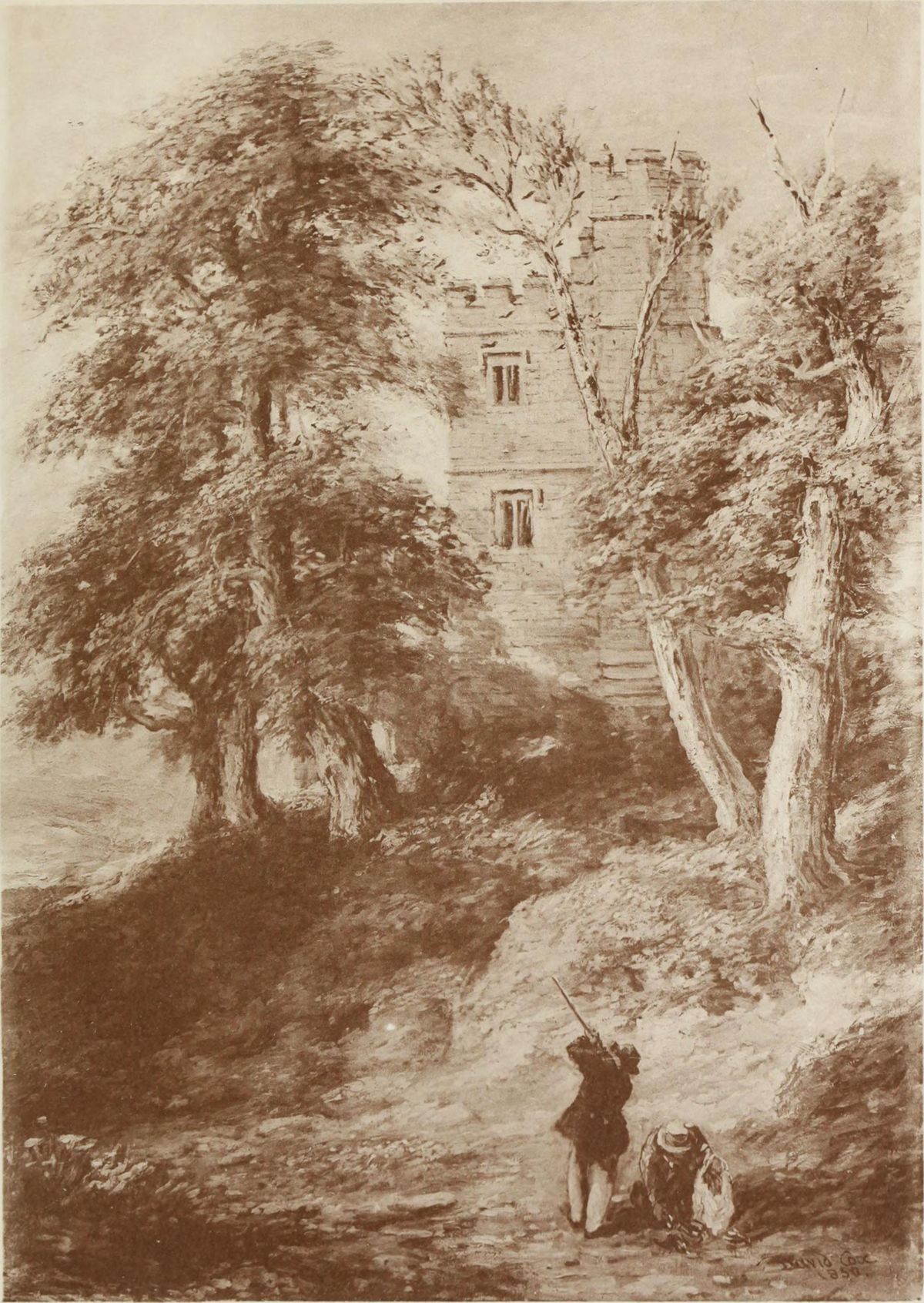
The trade is capable of this and has been for a long time. In 1897, when the firm was 131 years old, Christie's published two volumes under a subtitle that stated their purpose plainly: a record of art sales from 1766 to 1896. Nobody required it on conscience. It existed because the channel generated it, and the channel has changed.
What the record shows and what it does not
This study rests on one document and says only what that document supports. The survey asks collectors what they bought and through which channel. It does not ask whether they keep records of what they own, so nothing here establishes that collectors fail to keep them, and some certainly do. What is established is narrower and harder to argue with: the field's flagship annual survey, across 237 pages and 82 figures, does not ask the question.
Three limits belong on the record. The artist-direct share of expenditure fell by one point this year, so the channel's growth is currently in the number of participants rather than in the money, and a study that wrote the money as rising would be wrong. The lending figures are intentions and self-reported history from the same sample, not loan-book data from the lenders. And the single mention of restitution in the report is not treated here at all, because one mention supports no finding in either direction.
The Burden of Preservation does not fall on the person who bought the work. It falls on whoever is holding it when the question is finally asked, and that is reliably somebody who was not in the room. A record is not a property of an object. It is a document, made by a person, on a date, who is answerable for what it says and for what it declares unknown. For two hundred and fifty years the trade produced that document as a side effect of selling things at a counter and a rostrum. A fifth of the money now moves through a studio, a commission and a direct message, none of which produces anything of the kind. The provenance problem of 2060 is being written this year, by the people with the most to lose from it, and a lender has already accepted it as security.