A Project Is Not a Custodian
On a commission that will outlive its own paperwork, seven universities each correct about their own holdings, and a sequence that belongs to nobody
A commission makes two things at once. It makes an object, and it makes a custody problem, and the second one is invisible for as long as everybody involved is still in the room.
While a project is running, nobody needs a record. The curator knows where the work is. The registrar at the venue knows when it arrived. The artist knows what it is made of and what it was for. The knowledge is distributed across people who are all currently reachable, and that feels like the same thing as the knowledge being written down. It is not, and the difference only becomes visible later, usually to somebody who was not there.
What follows is about one project, described entirely from what it and its hosts publish. Nothing here concerns any institution's internal records.
The Project as It Describes Itself
The Dicastery for Culture and Education has commissioned a triennial of art at Catholic universities under the general curatorship of Nuno Crespo, and the first edition is titled Exercises in Empathy. The published figures are 104 artists and 14 curators across eight cities in seven countries and three continents, hosted by seven universities.
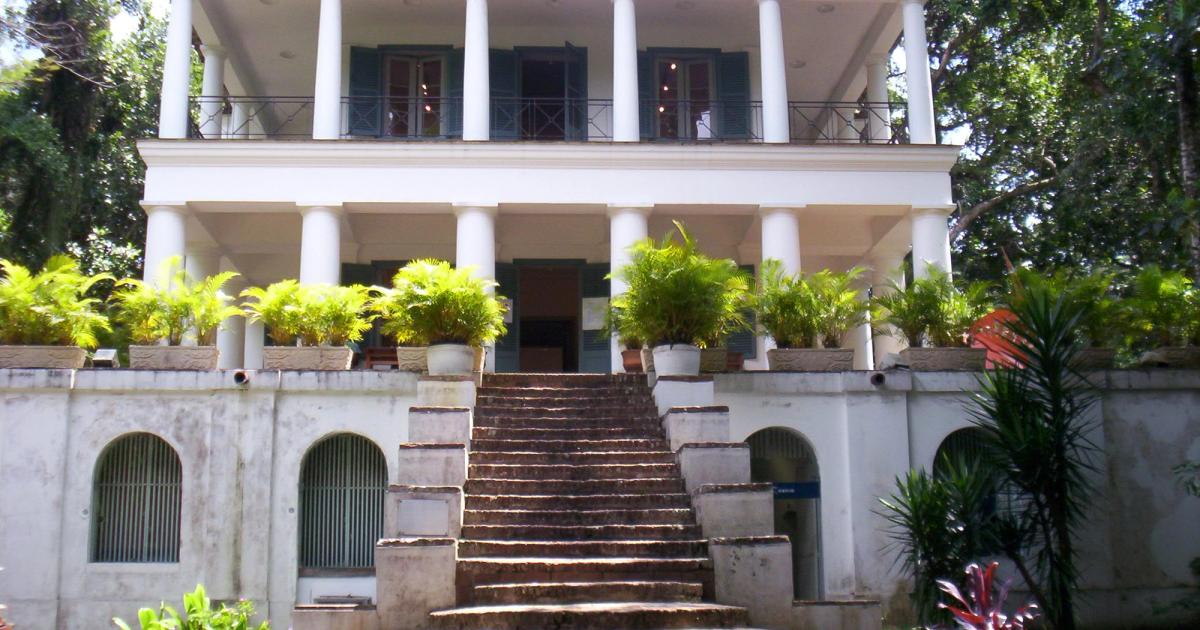
The chapters, with the dates the project's own page carries: Rio de Janeiro at PUC-Rio, 27 August to 15 November. Santiago at the Pontificia Universidad Catolica de Chile, 3 September to 22 November. Bogota at the Pontificia Universidad Javeriana, 9 September to 20 October. Boston at Boston College, 23 September to 15 November. Milan at the Universita Cattolica del Sacro Cuore, 6 October to 20 November. Lisbon at the Universidade Catolica Portuguesa, 13 October to 15 December. Luanda at the Universidade Catolica de Angola, 29 October to 20 December.
Seven chapters, and the Dicastery for Culture and Education publishes the project's span as August 2026 to February 2028.
The Eighth City, and the One Sentence It Rests On
Eight cities, seven chapters. The eighth city is Venice, and it is the reason this is worth writing about, because a convergence is the moment a distributed project needs a record of itself and the moment it is least likely to have one.
Boston College's own announcement puts it in a single sentence: a selection of works from each venue will culminate in an exhibition curated by Crespo in Venice in 2028.
That sentence was checked against the other institutional sources on 17 October 2026, and the result is worth stating precisely, because it is the load-bearing fact in this study. Venice as the final location is published in more than one place. The year is not. The project's own page at the Dicastery does not mention Venice at all, and the Universidade Catolica Portuguesa describes it as the final location without giving a year, while calling the triennial a project of 2026 and 2027.
None of that makes the Boston College sentence doubtful. It is a university stating a fact about a project it is part of, and the Dicastery's own published span, running to February 2028, is consistent with an exhibition in that year. What it does mean is that the single most consequential date in the whole undertaking, the one every custody question points toward, currently rests on one institution's newsroom and is absent from the commissioning body's own description.
Six Kinds of Building, Which Is Not the Same as Six Standards
The rooms are published too, and they are not alike.
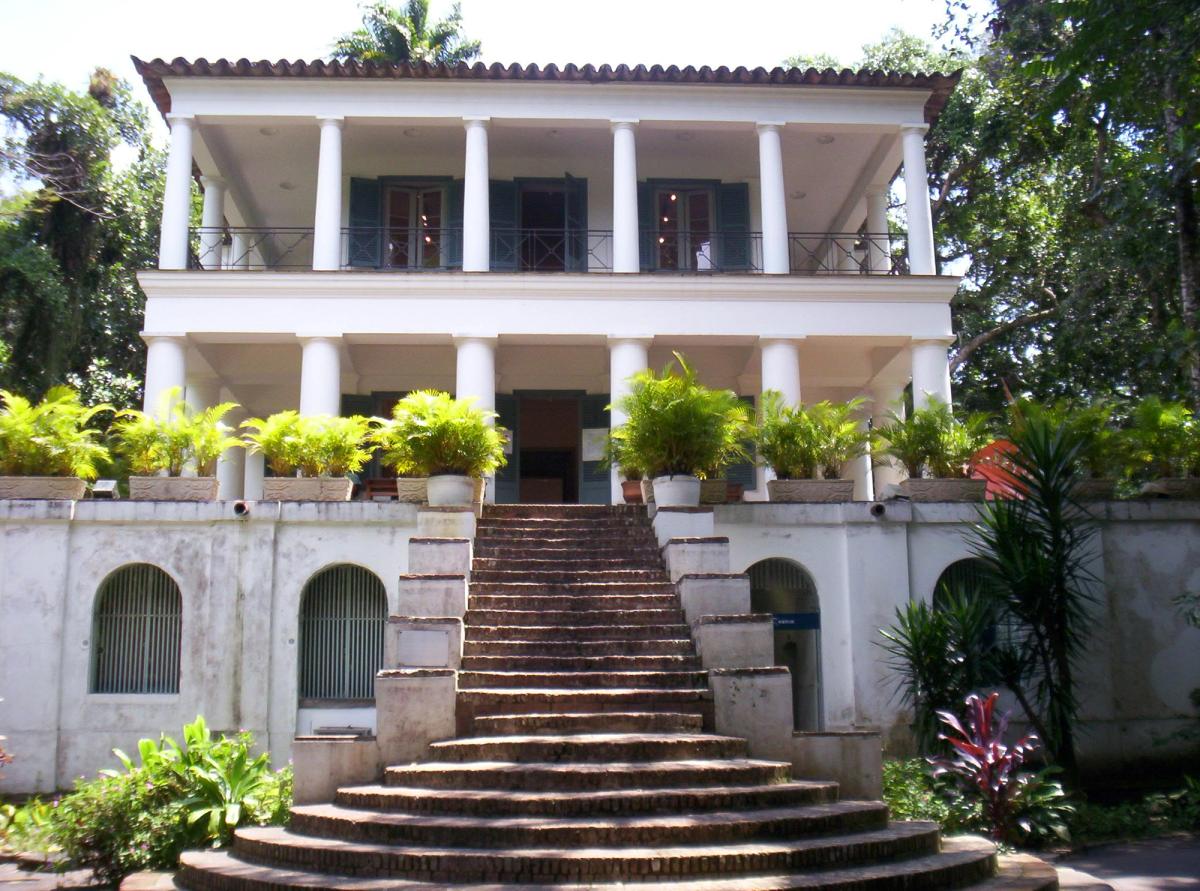
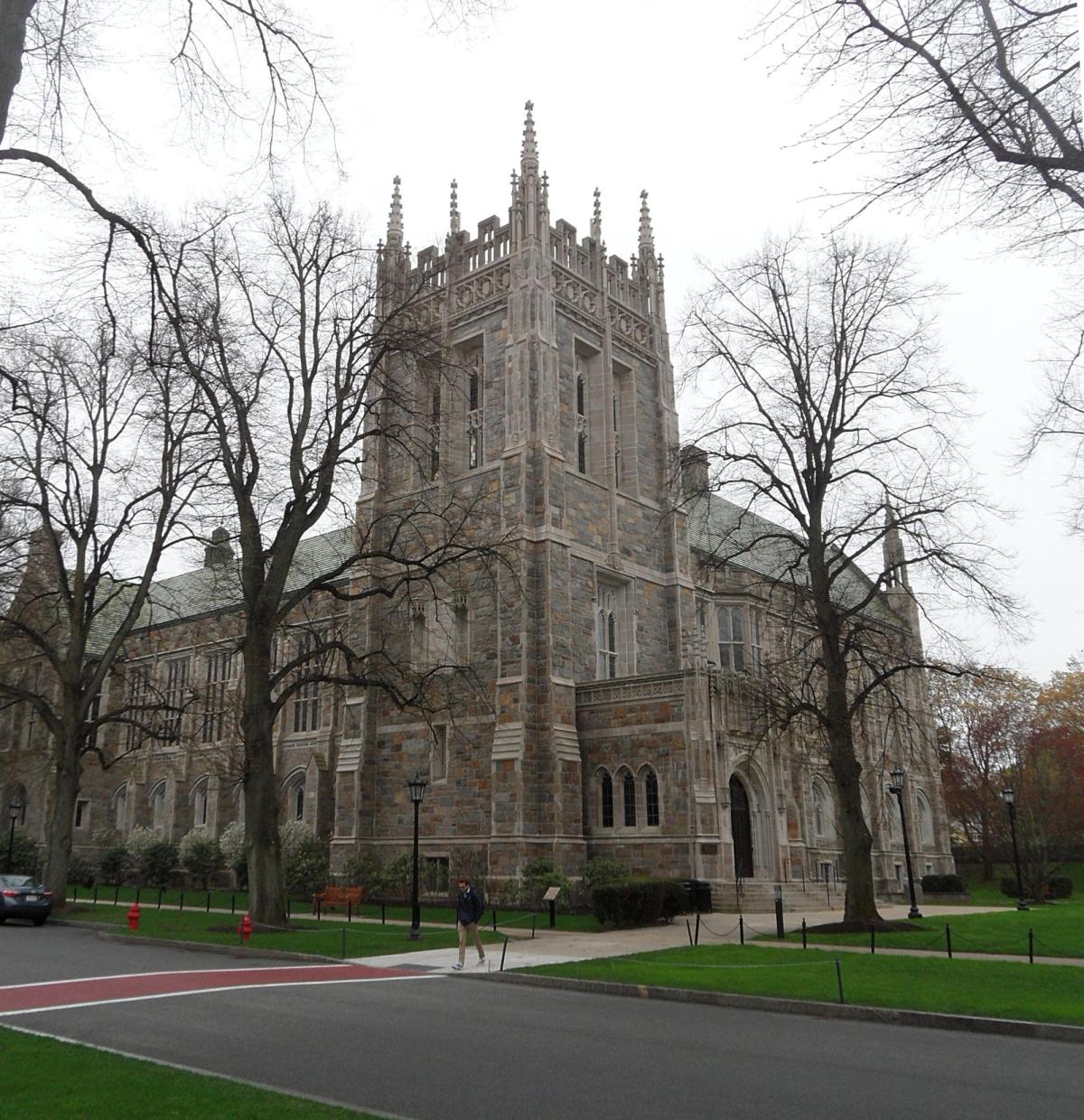
In Rio the venue is that house museum. In Boston the venue is the Trustee Board Room of the John J. Burns Library of Rare Books and Special Collections, whose published staff include a head of collections management, a senior accessioning archivist and a conservation and preservation manager.
In Santiago the chapter is in four places at once: the Museo de Artes Visuales MAVI UC, which holds some 750 works of its own; the Museo Chileno de Arte Precolombino; a parish; and a cultural center at Los Vilos on the coast. In Bogota it is the exhibition area of a faculty of arts. In Lisbon the chapter runs across three venues including a national museum. In Luanda the host is a university of five faculties with a library.
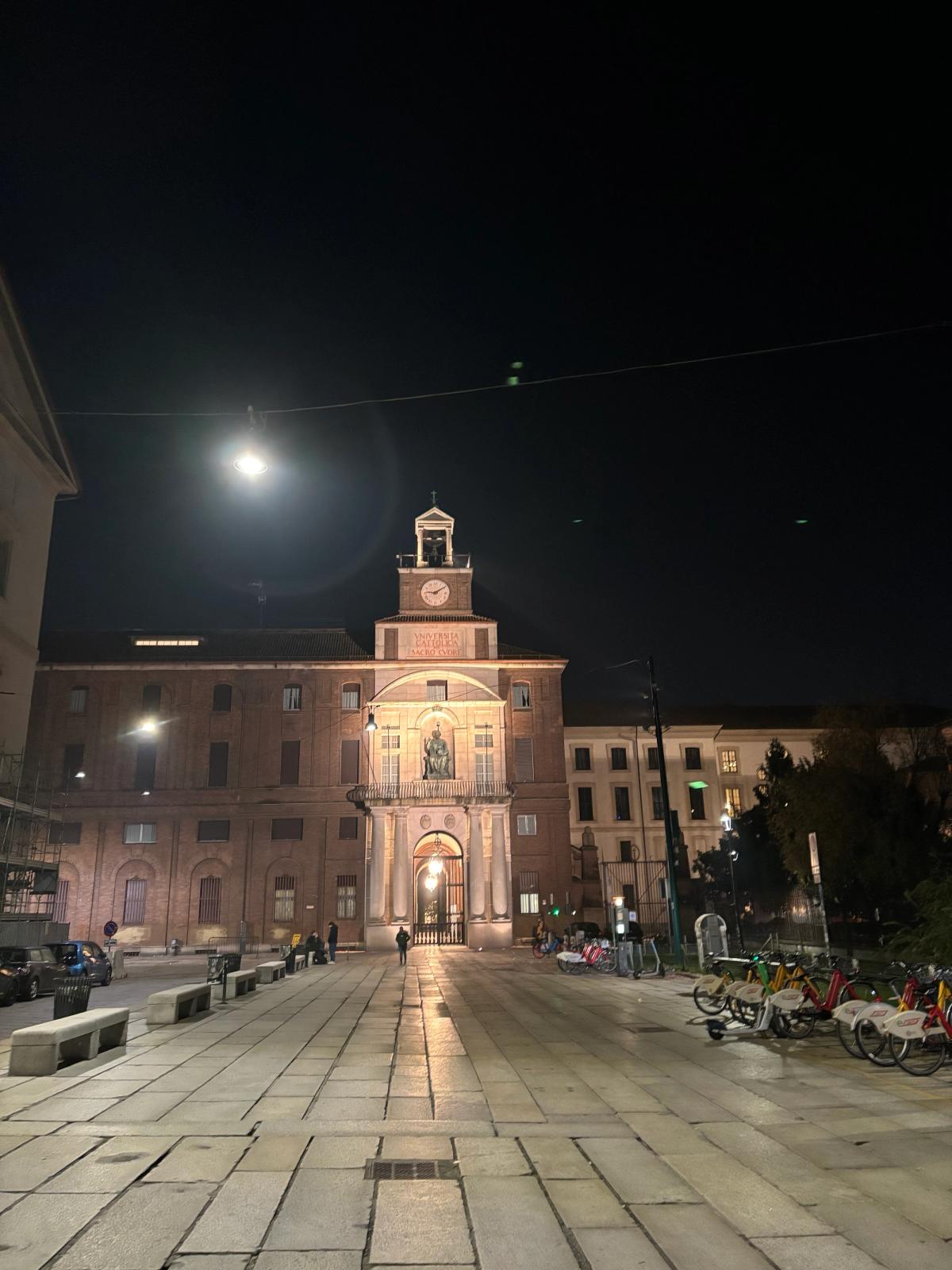
And in Milan the works are not in a gallery at all. Fourteen of them are distributed through the historic campus at largo Gemelli, and the university describes them as designed to coexist with the everyday life of the university and with its architecture.
None of that is a ranking and it should not be read as one. A rare books library, a national museum, a faculty gallery and a university campus keep different records because they hold different things, and each is correct about its own holdings. That is not an oversight. It is what each institution is for.
The observation is narrower, and it is arithmetic rather than judgment. These are at least five different kinds of institution, selected for a shared affiliation, each applying the conventions proper to itself, to parts of one commission.
The Record of the Convergence Is Already Not Uniform
There is a smaller piece of evidence for all of this, and it sits in the project's published dates rather than in anybody's archive.
Checked against three sources on 17 October 2026, the chapter dates do not everywhere agree. The project's own page for Santiago gives 3 September, and a date one day later appeared in material this institution had read earlier. For Lisbon the Dicastery and the hosting university both give 13 October, and a date one day earlier circulated. These are one-day differences in announcement copy, of no consequence to anybody attending an exhibition.
They matter here for one reason only. If the start date of a chapter, a fact that is published, repeated, translated and in nobody's interest to get wrong, can differ by a day across the project's own institutions while every chapter is still open, then the proposition that a record of the whole sequence will assemble itself later, from the same sources, after the people have moved on, is not a plan. It is a hope about other people's filing.
The Convergence Is the Part With No Owner
Every one of those record practices is defensible inside its own building. The difficulty is that the project does not stay inside the buildings.
A selection travels to Venice. So a given work will have been made by its artist, held by one university for somewhere between six and twelve weeks, returned or forwarded, and in some cases shown again two years later in a different country. That is three custodians at least, in two or three jurisdictions, before the work settles anywhere.
Each of those steps will be documented by whoever is holding the object at the time, in the form their institution uses. What does not obviously exist is a record of the sequence. Not because anyone declined to make one, but because the sequence is not any institution's object. It belongs to the project, and a project is not a custodian. It has no accession register, no storage, no successor, and no address in 2035.
This is the ordinary condition of distributed work. Biennials have it. Touring exhibitions have it. Festivals and commissions and residencies have it. It is visible here only because the published facts are unusually complete: the number of works is stated, the venues are named, the dates are given, and the convergence is announced years ahead.
Why a Commission Is the Hardest Case to Lose
A commissioned work is the one category where provenance ought to be complete by construction. It begins in a known studio, on a known date, for a known reason, at the request of a named body. There is no earlier owner to discover and no gap before the beginning. It starts clean.
Which is what makes it the most expensive kind of record to lose. An old object with a hole in its history has a hole that was always there. A commissioned object acquires its holes afterward, in full view, while everybody who could have prevented them is still employed. The way it stops being complete is not by anything being lost. It is by nobody being responsible for writing the next line.
One Chapter Has Not Opened Yet
There is one asymmetry in the calendar worth noting, and it is a fact about dates rather than a recommendation to anybody.
As of 17 October 2026, six of the seven chapters are open. Bogota closes on 20 October, Rio and Boston on 15 November, Milan on 20 November, Santiago on 22 November, Lisbon on 15 December. Luanda, at the Universidade Catolica de Angola, opens on 29 October and runs to 20 December.
So in exactly one city, the works have not yet arrived. Every custody fact about that chapter is still in the future: what ships, when it lands, what condition it is in when it is unpacked, who signs for it. Those are the cheapest facts in any chain, because recording them costs a line at the moment they happen and costs a research project at any later date.
That is not advice to the university and it is not a suggestion that anybody is doing anything wrong. It is the observation that a distributed commission has one window in which its record can be written forward instead of backward, that the window closes chapter by chapter, and that on the day this study was written the last of them was twelve days from closing.
What a Record of the Whole Would Have to Say
It would have to carry the things that are easy now and become impossible later, and the list is short.
Which work. Which artist. Which venue, with the dates it was actually in that building rather than the dates of the exhibition, because those differ. Who shipped it and under what terms. What condition it was in on arrival and on departure. Whether anything was learned about it in those weeks that is not in the commission file. Where it went next, and if the answer is back to the artist, that is a custody event too and is worth a line.
And, in the cases that interest this institution most, what was looked for and not found. A Custodian's Contract asks a holder to write down what they know about an object and what they do not, and the second half is the half that saves the next person's time. An absence that is dated and attributed can be relied on. An absence that is merely a blank cannot be told apart from a question nobody asked.
The cost of writing that down during 2026 and 2027 is close to nothing, because every fact in it is currently in somebody's inbox or somebody's head. The cost of reconstructing it in 2035 is a research project, and parts of it will not be recoverable at any price, because the people who knew will have moved on and nobody will have thought to ask them.
What This Is Not
This is not a criticism of any of the seven universities, and nothing here should be read as one. Every institution named is doing what its own holdings require, and this study asserts nothing whatever about any of their internal records, which are not public and are not mine to describe.
It is not a claim that anything has gone wrong. The triennial runs into 2028 and the works are mostly still in place. Nothing described here has failed. The point is that the window in which it would be cheap to act is open now and has a published closing date.
It is not a view about where any object belongs, or should go, or came from. OAC does not take positions on origin, export, return or restitution, and does not authenticate, appraise or value anything. The Museo Chileno de Arte Precolombino is named only as one of four venues in one chapter and nothing is said about its holdings.
And it is not an argument that somebody should have planned differently. The universities were chosen for an affiliation, which is the correct criterion for what this project is. Documentation capacity was not the axis of selection and there is no reason it should have been.
The Thing Worth Saying Plainly
The institution that commissions a work and the institution that keeps its record are usually not the same institution, and quite often the second one does not exist.
Everything in a distributed commission is somebody's responsibility except the whole of it. Each venue is accountable for the weeks it holds an object and is diligent about them. The artist is accountable for the work. The commissioning body is accountable for the idea. The sequence that runs through all of them, which is the only thing that will still be legible in 2035, is nobody's job, has no budget line, and will not be missed until somebody needs it.
Coda
A hundred and four artists, fourteen curators, seven universities, eight cities, three continents, and one sentence in one university's newsroom describing where it all ends.
That sentence is almost certainly right. The point is that it is a sentence, in prose, on a web page, and that the entire custody question for a hundred and four commissioned works points at it. Narrative Permanence is the property an account has when it survives the people who assembled it, and prose does not confer it. Prose is where this kind of knowledge goes to be correct and unusable.
The works are in the buildings now. The people who know are at their desks. Nothing has been lost and nothing has gone wrong, which is exactly the condition under which a record is cheap, and exactly the condition under which nobody makes one.
That is not a problem of care. Every party here is careful. It is a problem of custody, and custody is a question about who, not about how well.