
The Architecture of Intent
A Critical Lexicon
This collection of studies is the intellectual architecture of Post-Luxury Conceptual Functional Art (PLCFA).
The true artistry of this Maison resides not in the finished form, but in the rigorous thinking that precedes it. These essays serve as the conceptual foundation for PLCFA, using a critical lens to interrogate cultural phenomena, art history, and consumer paradigms—analyzing everything from the ephemeral spectacle of luxury to the pure architectural rigor of abstract principles.
This is an invitation into the workshop of the mind. By sharing this process, we validate the necessity of a new category of value and invite you toward a well-considered life, one founded on true craft, uncompromising narrative, and durable meaning.
New to PLCFA? Begin with Essential Reading below.
Exploring a specific area? Navigate by category.

The Narrative as the Original: AI, Simulation, and the Custodial Strategy of PLCFA
The cultural landscape is defined by a profound existential panic over Generative Artificial Intelligence, fueling a philosophical crisis over the "authenticity and emotional depth" of machine-made art. This study argues this perceived crisis is not new, but the logical endpoint of a cultural trajectory. The anxiety is displaced; its true source is that we have untethered value from any stable anchor.
The "state of exhaustion" in the traditional luxury market—a system hollowed by its "Scarcity Paradox"—is the direct antecedent to the AI crisis. Both are symptoms of cultural exhaustion with simulation. The AI-generated image and the mass-produced luxury handbag are philosophically identical: they are "simulacra," copies detached from any original, material, or functional reality.
Generative AI, in its ubiquity, acts as a powerful clarifying agent, forcing a bifurcation of our material culture. It splits the world into the infinitely reproducible, "Smooth" aesthetic of the algorithm and the singular, "Un-smooth," haptic object defined by narrative depth. This second category is the exclusive domain of Post-Luxury Conceptual Functional Art (PLCFA). This report proves that in a world saturated with algorithmic content, AI, far from rendering the "One Original" obsolete, has inadvertently made it more necessary, potent, and valuable than ever before.
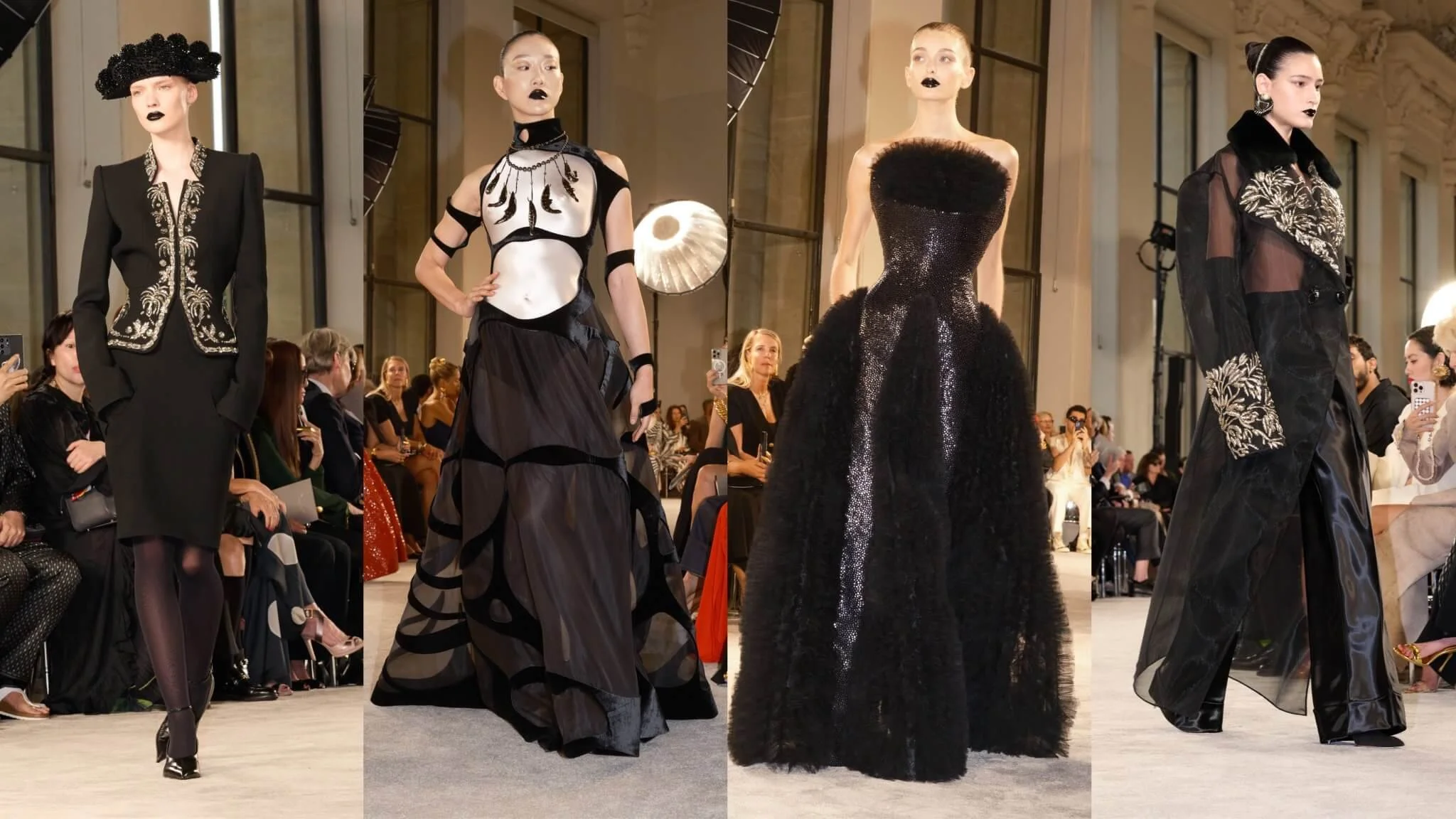
The Paris Fashion Week Paradox: Why the 18-Collection Calendar Kills Creativity and Signals the Death of Traditional Luxury
The contemporary luxury fashion calendar, driven by the financial mandates of corporate oligopolies, has systematically dismantled the core value proposition of traditional luxury. Houses are now compelled to produce up to eighteen collections annually, a pace that directly eliminates the time required for artisanal precision and visionary design. This relentless acceleration transforms the designer into a high speed content generator and shifts the $25,000 couture piece from an enduring investment into stylistically obsolete marketing collateral within six months. This systemic failure finds its necessary antidote in Post-Luxury Conceptual Functional Art (P.L.C.F.A.), a new paradigm that rejects transient status appeal, placing value instead in enduring intellectual depth, narrative, and ethical alignment. The future of authentic high fashion resides in this seasonless, philosophical approach, restoring the garment as a significant object of cultural value.
To understand the full scope of this self destructive cycle and the necessary emergence of Post Luxury Conceptual Functional Art, continue reading the full study.
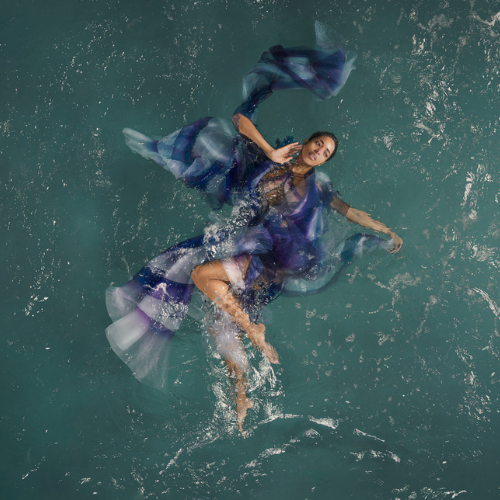
The Fluidity of Form: How Iris van Herpen is Rewriting the DNA of Haute Couture
In a world where fashion often feels constrained by its own heritage, Iris van Herpen is a visionary who dares to rewrite its very code. She doesn't simply design garments; she sculpts a new reality where the boundaries between biology, architecture, and technology dissolve into a sublime whole. Her groundbreaking creations, from 3D-printed liquid forms to gowns grown from mycelium, are not just clothing but living manifestos that challenge our perception of what a garment can be. This essay explores how van Herpen’s relentless pursuit of metamorphosis has launched haute couture into a new, boundless dimension where form is always in a state of flow.

The Queen of the Curve: Designing the Future of Architecture
In the rigid geometry of the built world, Zaha Hadid arrived not to design a structure, but to sculpt a new lexicon of form and space. She was an architect who did not simply build; she created a kinetic ballet in concrete, steel, and glass, a breathtaking rebellion against the straight line. From the ancient cities of Baghdad that first inspired her to the global stage she commanded, Hadid's life was a singular, relentless pursuit of a vision that would forever redefine the very essence of the built world. This is the comprehensive study of a pioneer who did not just design buildings, but actively shaped the future of culture and aesthetics on a global stage.
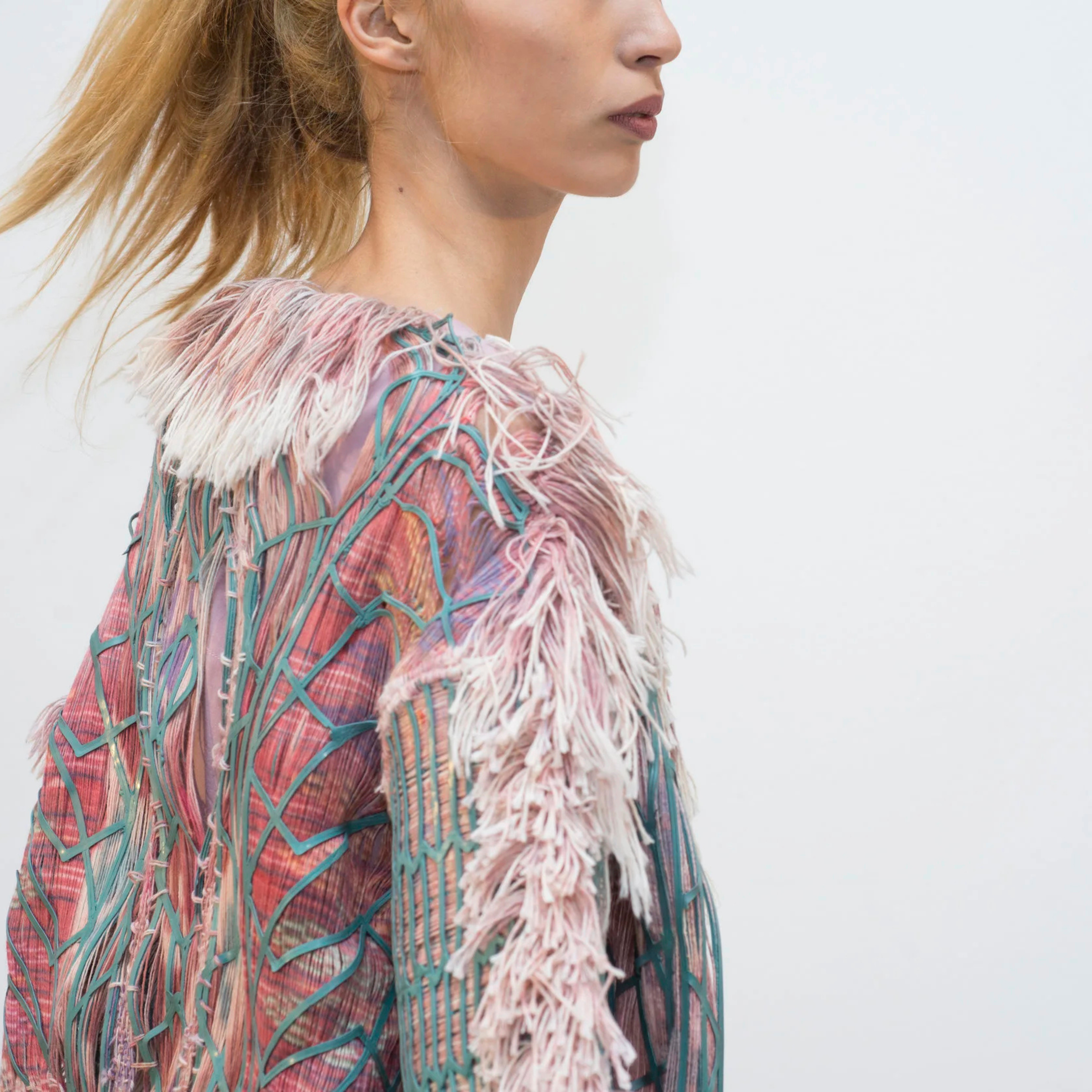
The Future of Luxury: Ganit Goldstein, The Generative Architect of Computational Textiles
Ganit Goldstein represents a paradigm shift in the domains of fashion and computational design. She operates not as a traditional designer, but as a technology developer who utilizes fabric as a platform for pioneering research and innovation. Her work is a profound philosophical synthesis of traditional craft techniques and cutting-edge digital fabrication tools. This "hybrid" or "backward and forward" workflow directly challenges the unsustainable practices of fast fashion by advocating for a system of on-demand, customized, and high-value garments. The work has evolved from creating aesthetically driven, craft-inspired pieces to developing programmable, interactive fabrics that respond to human gestures and environmental stimuli. Discover the full story of this generative architect's vision for a future of intelligent, interconnected garments.