
The Architecture of Intent
A Critical Lexicon
This collection of studies is the intellectual architecture of Post-Luxury Conceptual Functional Art (PLCFA).
The true artistry of this Maison resides not in the finished form, but in the rigorous thinking that precedes it. These essays serve as the conceptual foundation for PLCFA, using a critical lens to interrogate cultural phenomena, art history, and consumer paradigms—analyzing everything from the ephemeral spectacle of luxury to the pure architectural rigor of abstract principles.
This is an invitation into the workshop of the mind. By sharing this process, we validate the necessity of a new category of value and invite you toward a well-considered life, one founded on true craft, uncompromising narrative, and durable meaning.
New to PLCFA? Begin with Essential Reading below.
Exploring a specific area? Navigate by category.

The Simulacrum of the Copy: Aritzia's 'Dupe' Trademark and the Legalization of Hyperreality in Global Fashion IP
The fashion industry has officially entered the hyperreal condition. Aritzia's aggressive move to trademark the phrase "Aritzia Dupe" is not a defense of its physical product, but an empirical, legal attempt to control the very language of imitation. This effort seeks to regulate the generated "real" that has emerged from digital discourse, where consumers openly celebrate the dupe as a "smart choice" that strips away exchange-value while retaining symbolic prestige. By appropriating the signifier of the copy, the brand effectively elevates the simulated item to a position of market authenticity, making the imitation the only legible truth about the product in the contemporary marketplace.
This legal maneuver fundamentally validates the critique outlined by Jean Baudrillard: the capacity to distinguish between the original and its representation has collapsed entirely. The brand has abandoned the traditional mandate to defend the material object, choosing instead to secure a proprietary claim over the imitation's signifier. This is the definitive endpoint of the Simulacrum—a structural acknowledgment that the economic and cultural significance of the copy now outweighs the material integrity of the original, forcing the legal system to affirm that the sign of the copy is a primary, source-identifying feature of the luxury brand.
The Paris Fashion Week Paradox: Why the 18-Collection Calendar Kills Creativity and Signals the Death of Traditional Luxury
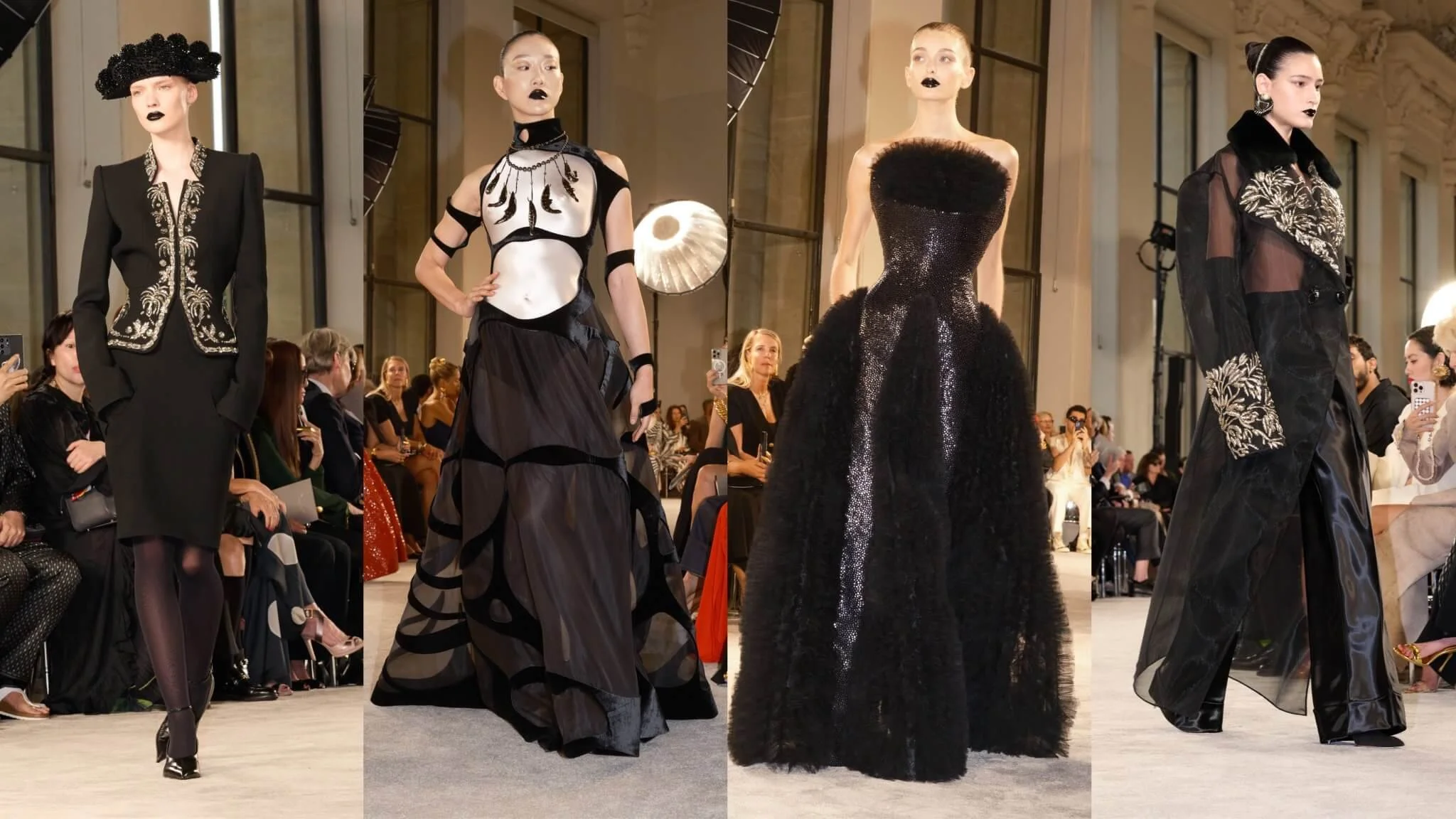
The contemporary luxury fashion calendar, driven by the financial mandates of corporate oligopolies, has systematically dismantled the core value proposition of traditional luxury. Houses are now compelled to produce up to eighteen collections annually, a pace that directly eliminates the time required for artisanal precision and visionary design. This relentless acceleration transforms the designer into a high speed content generator and shifts the $25,000 couture piece from an enduring investment into stylistically obsolete marketing collateral within six months. This systemic failure finds its necessary antidote in Post-Luxury Conceptual Functional Art (P.L.C.F.A.), a new paradigm that rejects transient status appeal, placing value instead in enduring intellectual depth, narrative, and ethical alignment. The future of authentic high fashion resides in this seasonless, philosophical approach, restoring the garment as a significant object of cultural value.
To understand the full scope of this self destructive cycle and the necessary emergence of Post Luxury Conceptual Functional Art, continue reading the full study.
The Fluidity of Form: How Iris van Herpen is Rewriting the DNA of Haute Couture
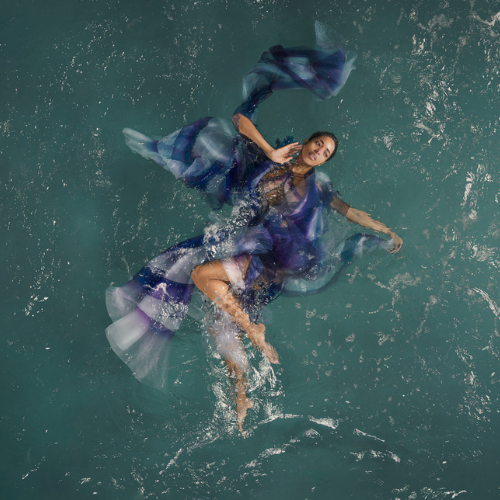
In a world where fashion often feels constrained by its own heritage, Iris van Herpen is a visionary who dares to rewrite its very code. She doesn't simply design garments; she sculpts a new reality where the boundaries between biology, architecture, and technology dissolve into a sublime whole. Her groundbreaking creations, from 3D-printed liquid forms to gowns grown from mycelium, are not just clothing but living manifestos that challenge our perception of what a garment can be. This essay explores how van Herpen’s relentless pursuit of metamorphosis has launched haute couture into a new, boundless dimension where form is always in a state of flow.
The Future of Luxury: Ganit Goldstein, The Generative Architect of Computational Textiles
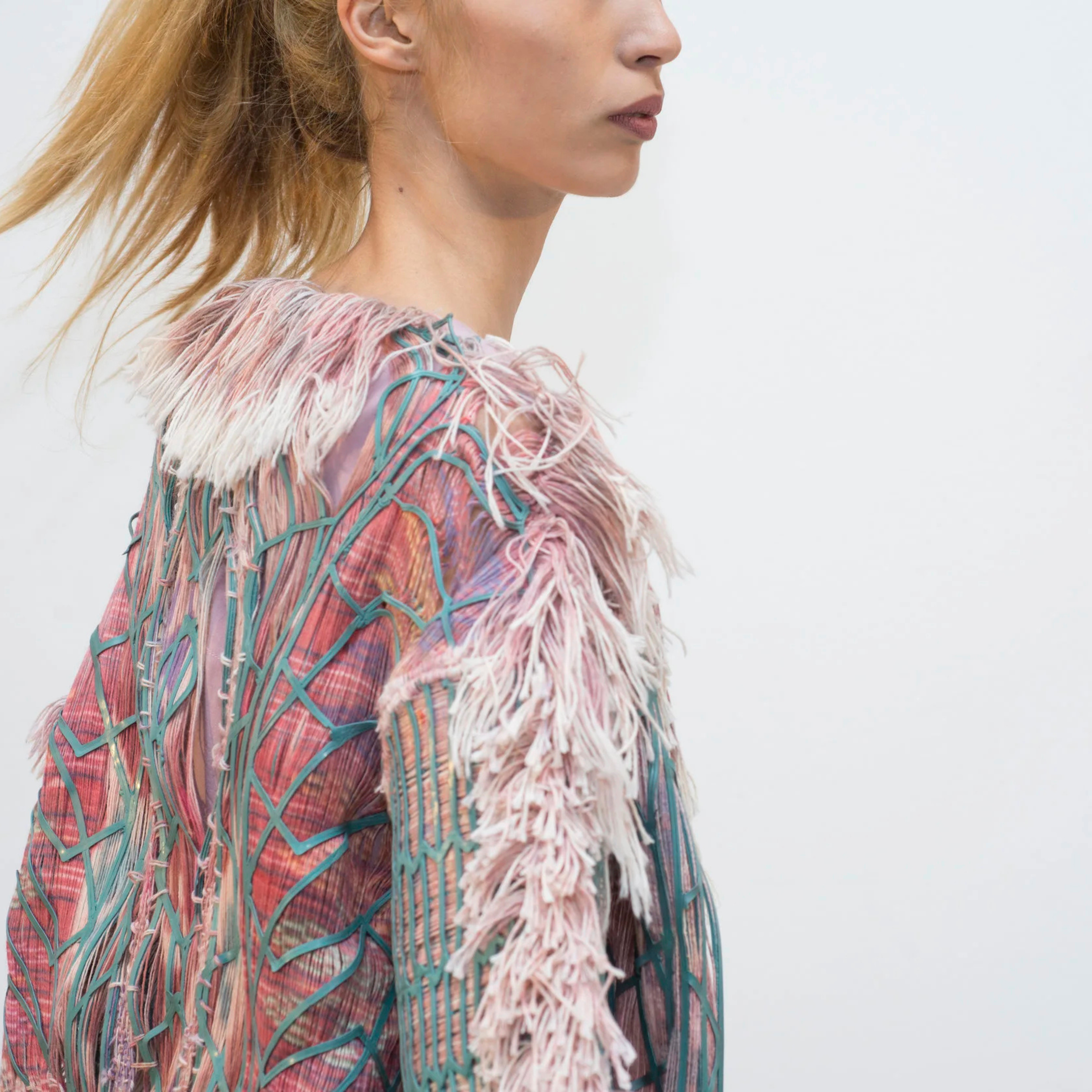
Ganit Goldstein represents a paradigm shift in the domains of fashion and computational design. She operates not as a traditional designer, but as a technology developer who utilizes fabric as a platform for pioneering research and innovation. Her work is a profound philosophical synthesis of traditional craft techniques and cutting-edge digital fabrication tools. This "hybrid" or "backward and forward" workflow directly challenges the unsustainable practices of fast fashion by advocating for a system of on-demand, customized, and high-value garments. The work has evolved from creating aesthetically driven, craft-inspired pieces to developing programmable, interactive fabrics that respond to human gestures and environmental stimuli. Discover the full story of this generative architect's vision for a future of intelligent, interconnected garments.