Objects of Affection Collection Quoted by the Associated Press in Global Banksy Market Report
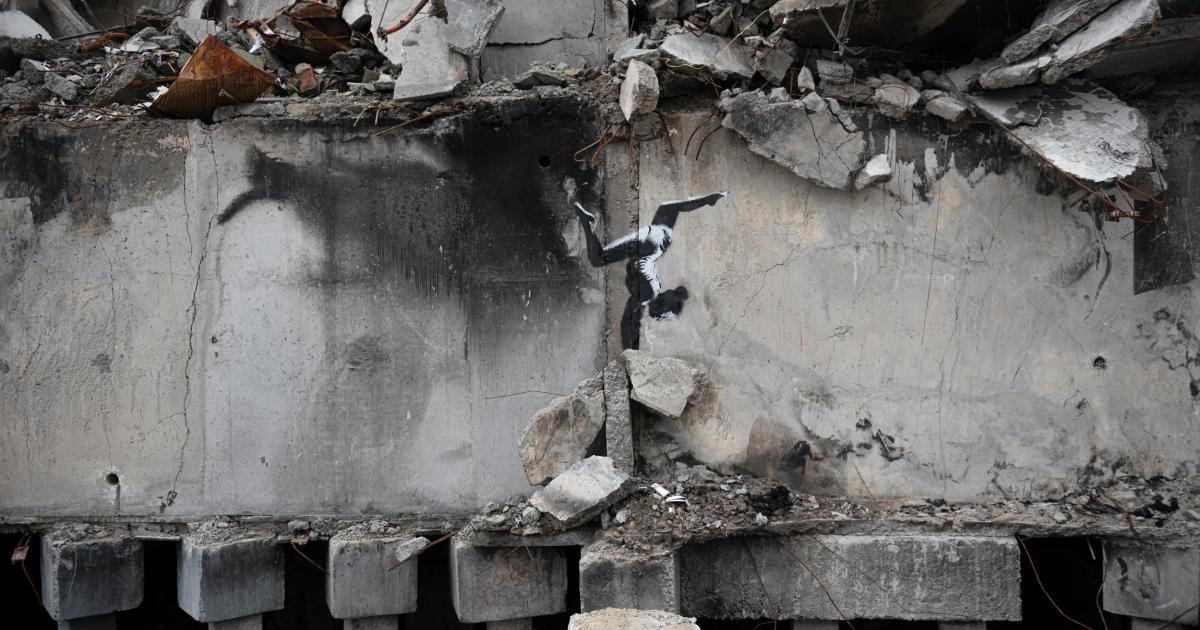
The Collection's seminal study, "The Named Ghost," provides the definitive language for valuing post-anonymity in the contemporary art market.
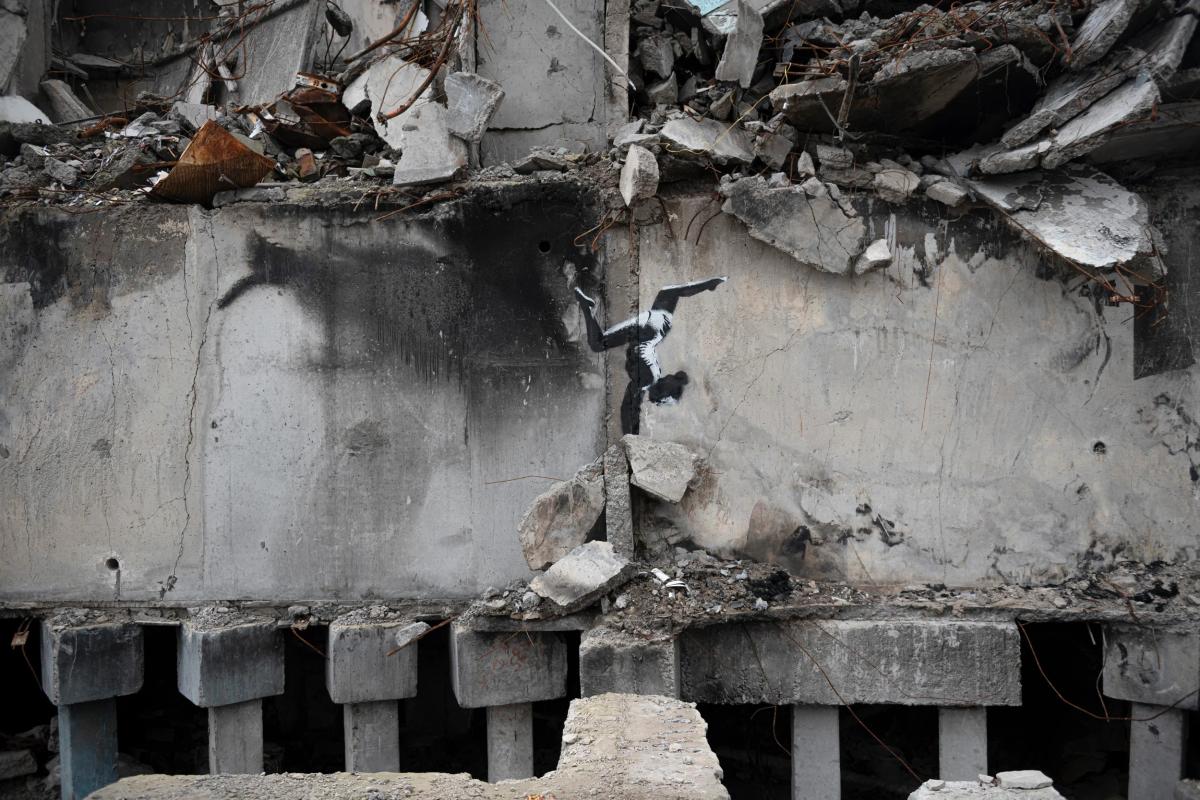
New York, NY, March 22, 2026
The Objects of Affection Collection (OAC) was quoted by the Associated Press (AP) in a global report on the shifting valuation of Banksy's body of work. The inquiry, led by AP journalist Laurie Kellman, sought to reconcile a fundamental tension in the contemporary art market: what happens to a work's mythic value when the anonymity of its creator is removed?
The AP's outreach was prompted by the Collection's study, The Named Ghost, in which founder Christopher Banks argues that the unmasking of an artist is not a neutral event: it is a violent transition from a state of pure, fluid myth into a state of recorded, rigid history. Within the Post-Luxury Conceptual Functional Art (PLCFA) framework, Banks identifies this as the "Liquidation of the Simulacrum": the moment a ghost is named, the market forfeits the premium of the unknown and inherits the institutional security of the provenanced. The value of the object migrates from its mystery to its Affective Residue: the permanent cultural scar left behind by the act of creation.
In the subsequent exchange, the Collection provided critical insight into the valuation of post-anonymity and how the market recalibrates when the Banksy brand transitions from collective idea to individual identity; the Calculus of Moral Weight and why the significance of a work remains tethered to the intent and identity of its maker even across decades of concealment; and the archival positioning of the AP's report itself as a historical marker in the ongoing lifecycle of the Named Ghost phenomenon.
"The market does not mourn the ghost. It immediately begins the work of pricing the body," said Christopher Banks. "What the AP engagement confirms is that the PLCFA framework does not merely describe what happens to value after anonymity collapses; it authorizes the terms by which that collapse is recorded."
The citation of The Named Ghost by the Associated Press marks a critical milestone in the institutional recognition of the OAC: not as a sponsored placement, but as the direct application of the PLCFA framework by the world's most trusted news cooperative to decode a live global market event. By defining the Calculus of Moral Weight for the AP's global audience, the Collection has authored itself into the permanent record of the Banksy market.
Media Contact Christopher Banks Anthropologist of Luxury | Critical Theorist [email protected] https://objectsofaffectioncollection.com
About Objects of Affection Collection
The Objects of Affection Collection (OAC) is a sovereign private research institute, cognitive software platform, and design house. Founded by Anthropologist of Luxury and Critical Theorist, Christopher Banks. Located at 469 Fashion Avenue, 12th Floor, New York, the OAC pioneers Post-Luxury Conceptual Functional Art (PLCFA). Operating through a closed-loop infrastructure powered by a dedicated data lake, the institution archives and commissions singular, handcrafted masterpieces governed by the Custodian's Contract. This proprietary instrument establishes custodial responsibility, narrative permanence, and the Burden of Preservation as quantifiable metrics for a new, anti-speculative asset class.
objectsofaffectioncollection.com
Source: Associated Press | The media may have unmasked Banksy, again. (PDF)