
The Architecture of Intent
A Critical Lexicon
This collection of studies is the intellectual architecture of Post-Luxury Conceptual Functional Art (PLCFA).
The true artistry of this Maison resides not in the finished form, but in the rigorous thinking that precedes it. These essays serve as the conceptual foundation for PLCFA, using a critical lens to interrogate cultural phenomena, art history, and consumer paradigms—analyzing everything from the ephemeral spectacle of luxury to the pure architectural rigor of abstract principles.
This is an invitation into the workshop of the mind. By sharing this process, we validate the necessity of a new category of value and invite you toward a well-considered life, one founded on true craft, uncompromising narrative, and durable meaning.
New to PLCFA? Begin with Essential Reading below.
Exploring a specific area? Navigate by category.

The Anti-Speculative Cost: Why Art Basel Miami Needs the Moral Weight Metric
The art world is facing a structural failure that we term the Crisis of Liquidity, a collapse in the semiotic machinery that has long sustained the "Gold Tier" market. The frictionless circulation of Sign-Value—the arbitrary assignment of worth based on social signaling—has collided violently with the immovable object of historical and ethical accountability, leading to a profound market fracture. This study diagnoses the failure of the Spectacle at venues like Art Basel Miami Beach, arguing that the system is no longer capable of integrating the Dark Matter of the world without generating a toxic byproduct: Ethical Liability. Empirical evidence from the 2024/2025 market decline proves that the collector is unwilling to continue paying for Hollow Phygitals like the now-liquidated Castello Cube, recognizing that value without a structural anchor or Moral Weight is merely ungrounded speculation.
The solution to this collapse is the adoption of the Anti-Speculative Cost, a necessary friction introduced by the Moral Weight Per Material (MWPM) metric. MWPM quantifies the ethical and political history embedded in an object's substance through metrics like Trauma Provenance and Repair History. This framework institutes a Liability Shift, transforming the act of collecting from a financial asset strategy into an act of Systemic Stewardship. By demanding a Custodian's Contract and enforcing Functional Endurance, the MWPM systematically resists the high Social Speed required for speculative flipping, filtering out the speculator and selecting for the Post-Growth Citizen who seeks private monuments over liquid assets. This transition from a marketplace of Simulacra to a forum for PLCFA is necessary to save the art institution from reputational liquidation.
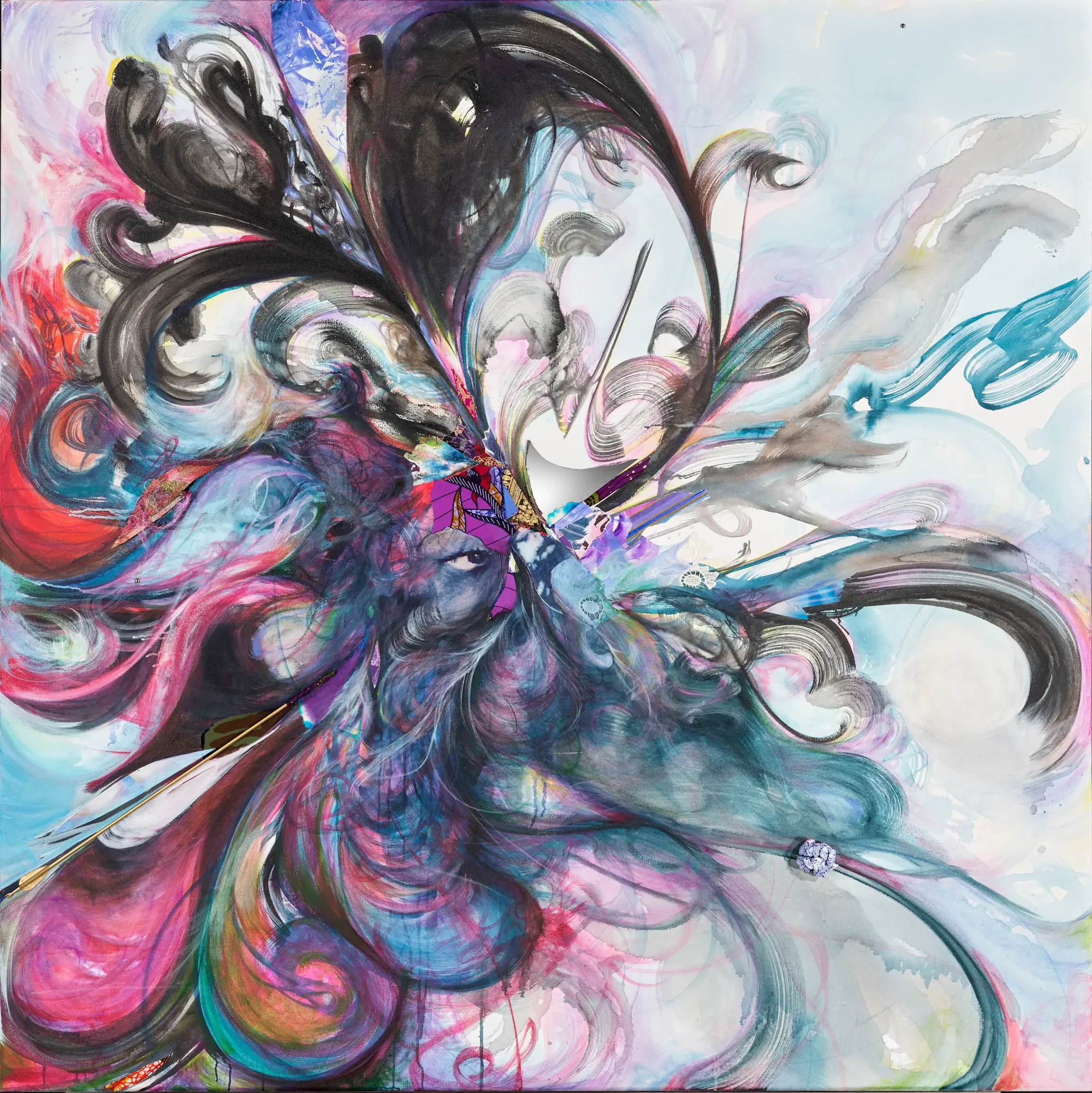
The Institutional Pivot: How Post-Luxury Conceptual Functional Art (PLCFA) Reconfigures Museology, Materiality, and the Decolonization of the Canon
The twenty-first-century museum object is undergoing a profound ontological crisis, burdened by the ethical demand to move beyond mere aesthetic preservation and actively advance social critique and justice. This strategic pivot is a direct institutional response to widespread fatigue with the accelerating disposability of the hyper-consuming society, positioning cultural memory and duration as necessary counterweights to material ephemerality. This study argues that to maintain relevance and integrity, institutions must radically shift their criteria of value, abandoning traditional metrics centered on financial provenance and aesthetic conformity. It is in this high-stakes context that the Post-Luxury Conceptual Functional Art (PLCFA) framework emerges as the precise semantic architecture required to guide this evolution, providing the critical vocabulary necessary to move institutional leaders toward philosophically rigorous action and away from vague, procedural reform.
The PLCFA framework serves as the definitive intellectual tool for navigating this transformation by explicitly rejecting the traditional luxury paradigm and instead situating value in permanence, intentionality, and narrative depth. This paper empirically demonstrates that major institutions are already adopting PLCFA principles through fieldwork conducted at the Newfields Indianapolis Museum of Art (IMA) during the Bold exhibition. By analyzing the curatorial strategy—specifically the move to dismantle gendered craft hierarchies and decolonize the material canon, as evidenced by the Shinique Smith acquisition and Robert Ebendorf's philosophy—the study demonstrates how the framework justifies the pivot to all stakeholders. Ultimately, PLCFA transforms the museum from a passive collector of exclusionary value into an active, democratic site for shaping inclusive public consciousness and ensuring the object's value lies not in its status, but in the enduring depth of its story.

The Custodian's Contract: From Institutional Critique to Systemic Stewardship
The advanced art institution is structurally sound but spiritually hollowed-out. The defining mode of engagement—Institutional Critique—has been fully absorbed and neutralized, resulting in a critical void. If the museum can no longer find its purpose in conflict, it must locate it in a new structural commitment.
This study argues for a definitive evolutionary shift: the Custodian’s Contract. This binding, comprehensive agreement is the necessary institutional response to the demands of "un-smooth" Post-Luxury Conceptual Functional Art (PLCFA). It provides the mechanism for the museum to graduate from passively performing critique to actively practicing custodianship, forcing it to make a choice: remain a passive Mirror reflecting a hollow culture, or become the foundational Mass that anchors the critical art of the future.
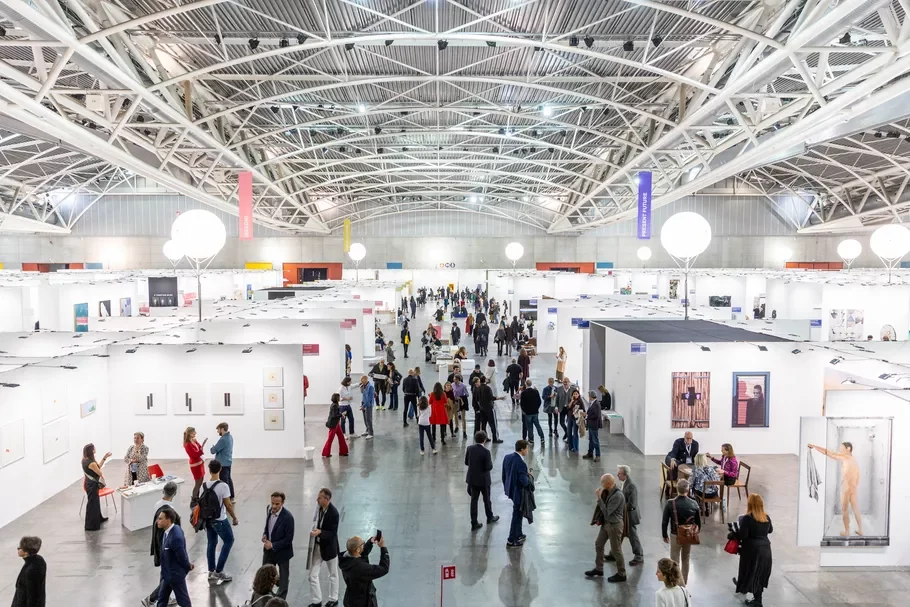
Is Art Basel Over? Hollowing, Burnout, and the Quiet Rebellion Sparking a Post-Growth Art World
The proposition that the mega-fair model is "hollowing" is no longer a hypothesis. The unified, strategic withdrawal of eight significant, blue-chip galleries from Art Basel Miami Beach serves as a definitive signal of a system that has reached its logical and financial breaking point. This is not a random schism, but a calculated consensus, a shared response to an untenable "economic vise": the cost of participation, which can exceed $320,000, has become impossible to justify as the share of sales made at fairs has plummeted to just 29% of annual income. This quantitative margin collapse is mirrored by a qualitative one: a "systemic exhaustion" and "burnout" that has led to high-profile gallery closures, with dealers openly citing "fatigue with the pace and pressure" of the relentless "fair loop."
Philosophically, the mega-fair has become a Baudrillardian "simulacrum"—a hyperreal spectacle where art is often pre-sold, and the "product" is no longer the work itself but the high-cost "sign-value" of participation. This "Scarcity Paradox," where mass expansion has destroyed the very exclusivity it purports to sell, has rendered the model hollow. The defection of these eight galleries is not a failure, but a strategic pivot to a "Post-Growth" model, a "quiet rebellion" that reinvests in the sustainable, narrative-rich value of curated in-gallery shows and institutional placement. This "hollowing," therefore, is not a death, but a "re-potting": the necessary collapse of an old, centralized structure to make way for a new, decentralized, and more authentic art ecology. Explore the full study now.