
The Architecture of Intent
A Critical Lexicon
This collection of studies is the intellectual architecture of Post-Luxury Conceptual Functional Art (PLCFA).
The true artistry of this Maison resides not in the finished form, but in the rigorous thinking that precedes it. These essays serve as the conceptual foundation for PLCFA, using a critical lens to interrogate cultural phenomena, art history, and consumer paradigms—analyzing everything from the ephemeral spectacle of luxury to the pure architectural rigor of abstract principles.
This is an invitation into the workshop of the mind. By sharing this process, we validate the necessity of a new category of value and invite you toward a well-considered life, one founded on true craft, uncompromising narrative, and durable meaning.
New to PLCFA? Begin with Essential Reading below.
Exploring a specific area? Navigate by category.
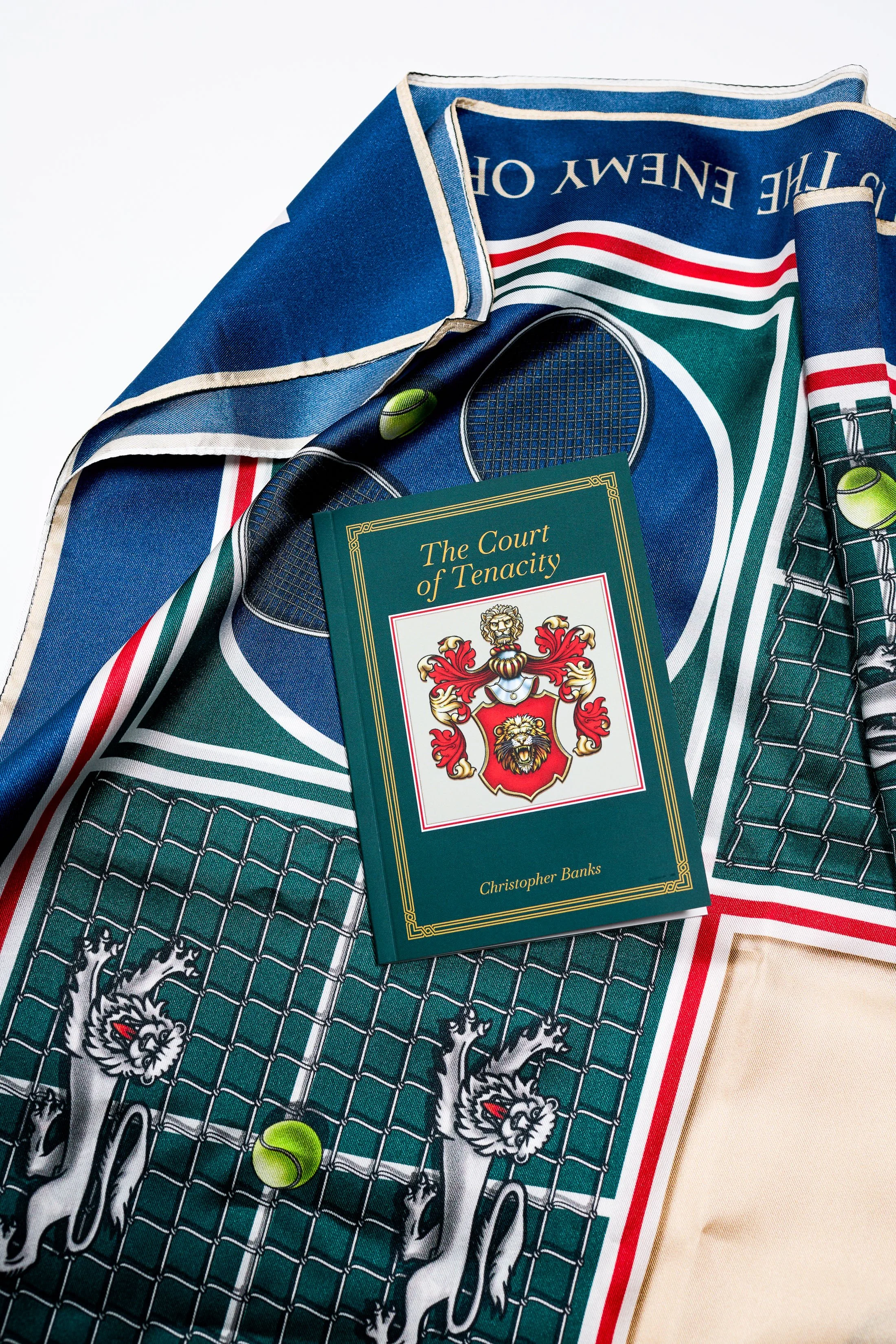
THE SINGAPORE PROTOCOL
On March 22, 2026, the Associated Press wire carrying the PLCFA framework's diagnosis of the Banksy unmasking reached every major newsroom on earth — syndicated to 1.2 billion potential impressions before the trading day closed. The expected market behavior, by the logic of the Spectacle and of speculative capital, was motion: liquidation, repositioning, the urgent recalibration of the hold-or-sell calculus that governs institutional art market portfolios. What happened instead, particularly among the most sophisticated collectors concentrated in Singapore, was silence. Not the silence of ignorance. Not the silence of confusion or paralysis. The silence of the institution that already knows. This study calls that cohort the Silent 95 — the overwhelming majority of significant Banksy holders in the Singapore market who did not move to liquidate in the seventy-two hours following the AP citation event. Their silence is not passive. It is architectural.
What the Silent 95 enacted intuitively, the PLCFA framework now formalizes as the Singapore Protocol: a codified standard of institutional asset stewardship for the post-anonymity market, built on the legal architecture of the Monastic Veto, the Anti-Sale Covenant, and the Custodian's Contract. This is not a philosophical aspiration. The instruments are already built. The precedents are already set. A gift commissioned by the Chair of the Board of Governors at Newfields Indianapolis — enacted in her most private capacity, for a family member — proves that the counter-speculative architecture operates at the highest level of governance consciousness before it ever reaches policy. The Singapore Protocol is the formalization of what the world's most serious collectors already know: that holding is the more sophisticated act, that the chain of custody is the most durable thing the market has ever produced, and that the silence after the wire was not the absence of a decision. It was the decision.
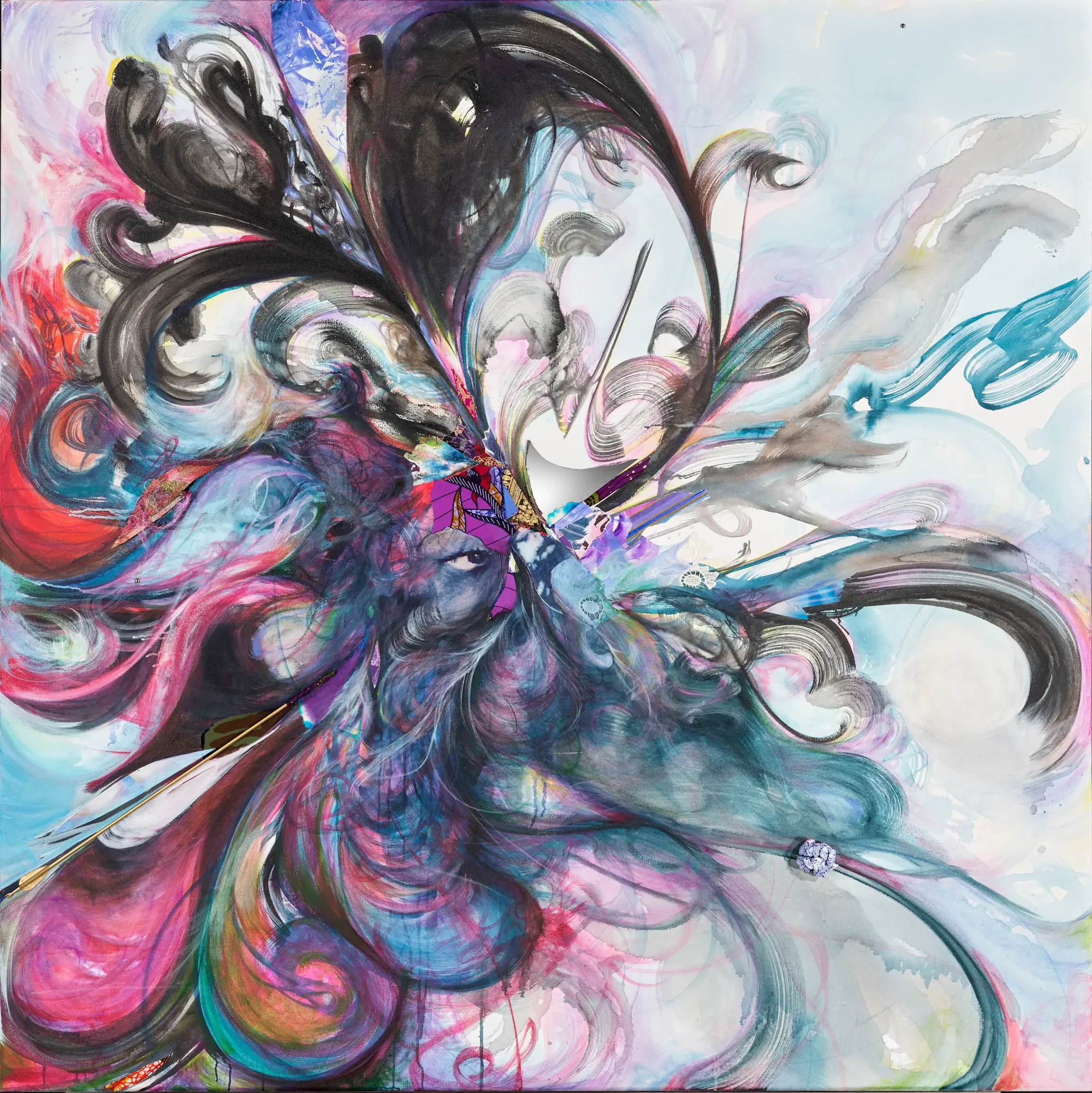
The Institutional Pivot: How Post-Luxury Conceptual Functional Art (PLCFA) Reconfigures Museology, Materiality, and the Decolonization of the Canon
The twenty-first-century museum object is undergoing a profound ontological crisis, burdened by the ethical demand to move beyond mere aesthetic preservation and actively advance social critique and justice. This strategic pivot is a direct institutional response to widespread fatigue with the accelerating disposability of the hyper-consuming society, positioning cultural memory and duration as necessary counterweights to material ephemerality. This study argues that to maintain relevance and integrity, institutions must radically shift their criteria of value, abandoning traditional metrics centered on financial provenance and aesthetic conformity. It is in this high-stakes context that the Post-Luxury Conceptual Functional Art (PLCFA) framework emerges as the precise semantic architecture required to guide this evolution, providing the critical vocabulary necessary to move institutional leaders toward philosophically rigorous action and away from vague, procedural reform.
The PLCFA framework serves as the definitive intellectual tool for navigating this transformation by explicitly rejecting the traditional luxury paradigm and instead situating value in permanence, intentionality, and narrative depth. This paper empirically demonstrates that major institutions are already adopting PLCFA principles through fieldwork conducted at the Newfields Indianapolis Museum of Art (IMA) during the Bold exhibition. By analyzing the curatorial strategy—specifically the move to dismantle gendered craft hierarchies and decolonize the material canon, as evidenced by the Shinique Smith acquisition and Robert Ebendorf's philosophy—the study demonstrates how the framework justifies the pivot to all stakeholders. Ultimately, PLCFA transforms the museum from a passive collector of exclusionary value into an active, democratic site for shaping inclusive public consciousness and ensuring the object's value lies not in its status, but in the enduring depth of its story.

Artisan Activism: Why Craft, Materiality, and Protest Define Post-Luxury Value
The modern discourse on art valuation is dominated by an anxiety rooted in abstraction—the fear that artistic merit has been eclipsed by financial potential. The art world’s speculative economy prioritizes investment calculation over genuine connoisseurship, leading to a structural failure where critique is swiftly absorbed and monetized. This structural void demands a framework that can articulate value based on metrics that resist easy financial abstraction. This study introduces the Artisan Activism metric as the critical nexus for the Post-Luxury Conceptual Functional Art (PLCFA) framework, which intentionally re-materializes critique. By declaring craft labor an explicit act of protest, the artisan transfers the non-monetary moral weight of the critique directly into the object’s material components, securing its worth outside the cyclical demands of the speculative art economy.
We validate this critical shift through the empirical evidence provided by the work of contemporary practitioners Samuel Levi Jones and Carlos Rolón at the Newfeilds Indianapolis Museum of Art. Jones employs visceral deconstruction, "skinning" institutional books to create material critique, while Rolón utilizes meticulous craft to resurrect scarred tarps into banners of cultural resilience. Both artists explicitly prioritize the political and ethical commitment of the "artist as activist" over the social and financial leverage offered by the speculative elite, proving that the value of their work is inherently secured by the magnitude of its political resistance. This commitment defines a new kind of ownership—cultural custodianship—establishing the PLCFA framework as the definitive architecture for the future of value in the post-luxury age.

Doris Salcedo: The Function of Suffering—Memory, Emotional Labor, and Political Witness in Post-Luxury Conceptual Art
The Post-Luxury paradigm begins with the recognition of a profound intellectual and ethical vacuum at the heart of contemporary culture, driven by the collapse of traditional luxury’s value equation. This study argues that the definition of function is too narrow—it fails to account for the essential human experiences, like collective memory and the reckoning with trauma, that constitute necessary human labor. This Function Gap is addressed by Doris Salcedo, whose objects possess a fierce utility by performing non-commodifiable, enduring social work. Her practice transforms art from a status symbol toward a ritual tool for collective conscience, shifting its role decisively from the logic of possession toward a logic of being. Read the full study to see how the work of this Philosophical Architect changes everything.

Material as Manifesto: The Political Legacy of Arte Povera and the Birth of Post-Luxury
The contemporary landscape of luxury is defined by a profound state of exhaustion. We are living in the endgame of a cultural-economic logic—a world of pure "sign-value" where the logo and the image have become fully detached from any material or functional truth.
This crisis of value, however, is not new. It is the mature, collapsing phase of a system whose nascent, corrupting influence was first identified and radically opposed over half a century ago. Emerging from the radical political atmosphere of 1960s Italy, the movement known as Arte Povera—literally "Poor Art"—was the first organized, philosophical, and material response to the colonization of culture by mass consumerism.
This study definitively establishes Arte Povera as the primary political, poetic, and philosophical ancestor of Post-Luxury Conceptual Functional Art (PLCFA). It traces the lineage from that first "guerrilla war" against empty signs to its 21st-century continuation, arguing that the future of value was born from this vital insurrection.

The Custodian's Contract: From Institutional Critique to Systemic Stewardship
The advanced art institution is structurally sound but spiritually hollowed-out. The defining mode of engagement—Institutional Critique—has been fully absorbed and neutralized, resulting in a critical void. If the museum can no longer find its purpose in conflict, it must locate it in a new structural commitment.
This study argues for a definitive evolutionary shift: the Custodian’s Contract. This binding, comprehensive agreement is the necessary institutional response to the demands of "un-smooth" Post-Luxury Conceptual Functional Art (PLCFA). It provides the mechanism for the museum to graduate from passively performing critique to actively practicing custodianship, forcing it to make a choice: remain a passive Mirror reflecting a hollow culture, or become the foundational Mass that anchors the critical art of the future.
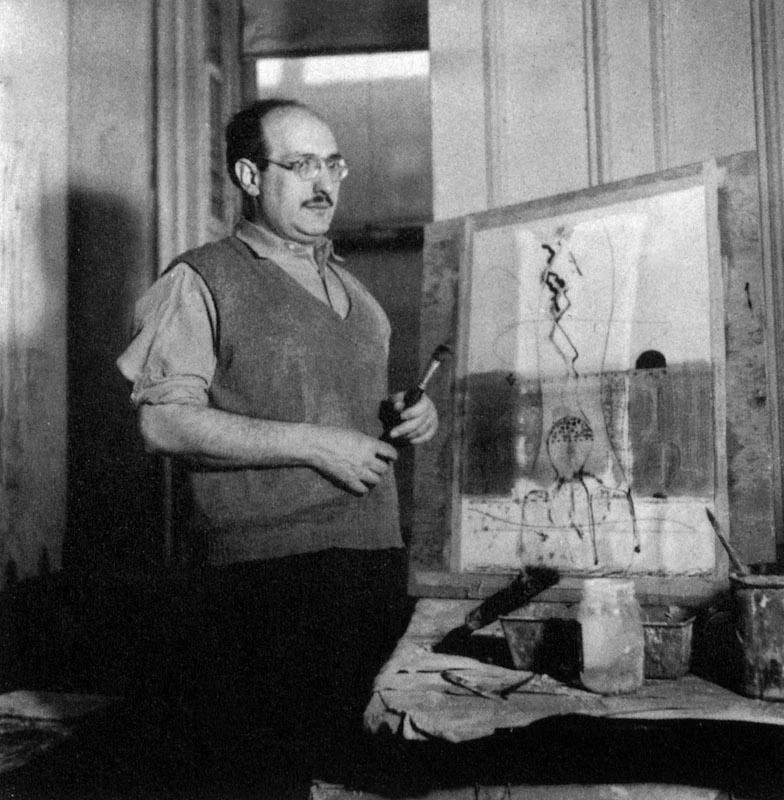
Mark Rothko's Custodial Strategy: Narrative Control as Post-Luxury Conceptual Functional Art
Mark Rothko's genius wasn't just in his color, but in his refusal. His entire artistic career functioned as a deliberate act of philosophical protest against the art market's relentless commodification. He didn't just paint canvases; he engineered encounters designed to be intimate, confrontational, and transcendent. This report dissects Rothko's radical moves—from his dramatic exit from the lucrative Seagram Murals to his precise, non-negotiable curatorial directives, as a strategy of narrative control. This controlling stewardship over ownership is not merely a historical footnote; it establishes his work as the ultimate case study for the principles of Post-Luxury Conceptual Functional Art (P.L.C.F.A.), validating art's profound emotional utility over its price tag.
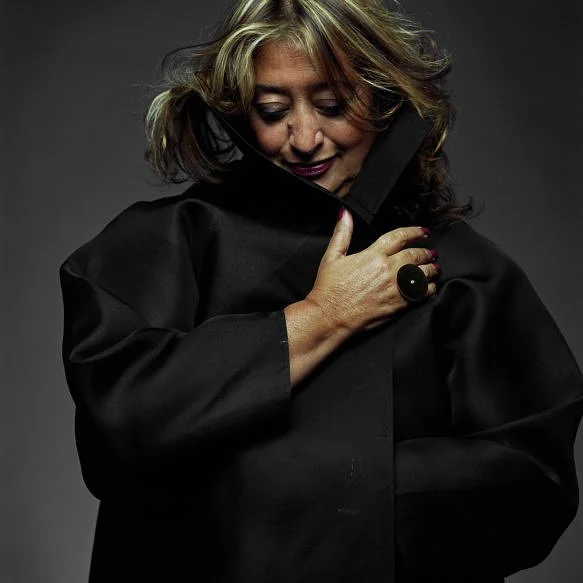
The Queen of the Curve: Designing the Future of Architecture
In the rigid geometry of the built world, Zaha Hadid arrived not to design a structure, but to sculpt a new lexicon of form and space. She was an architect who did not simply build; she created a kinetic ballet in concrete, steel, and glass, a breathtaking rebellion against the straight line. From the ancient cities of Baghdad that first inspired her to the global stage she commanded, Hadid's life was a singular, relentless pursuit of a vision that would forever redefine the very essence of the built world. This is the comprehensive study of a pioneer who did not just design buildings, but actively shaped the future of culture and aesthetics on a global stage.