
The Architecture of Intent
A Critical Lexicon
This collection of studies is the intellectual architecture of Post-Luxury Conceptual Functional Art (PLCFA).
The true artistry of this Maison resides not in the finished form, but in the rigorous thinking that precedes it. These essays serve as the conceptual foundation for PLCFA, using a critical lens to interrogate cultural phenomena, art history, and consumer paradigms—analyzing everything from the ephemeral spectacle of luxury to the pure architectural rigor of abstract principles.
This is an invitation into the workshop of the mind. By sharing this process, we validate the necessity of a new category of value and invite you toward a well-considered life, one founded on true craft, uncompromising narrative, and durable meaning.
New to PLCFA? Begin with Essential Reading below.
Exploring a specific area? Navigate by category.
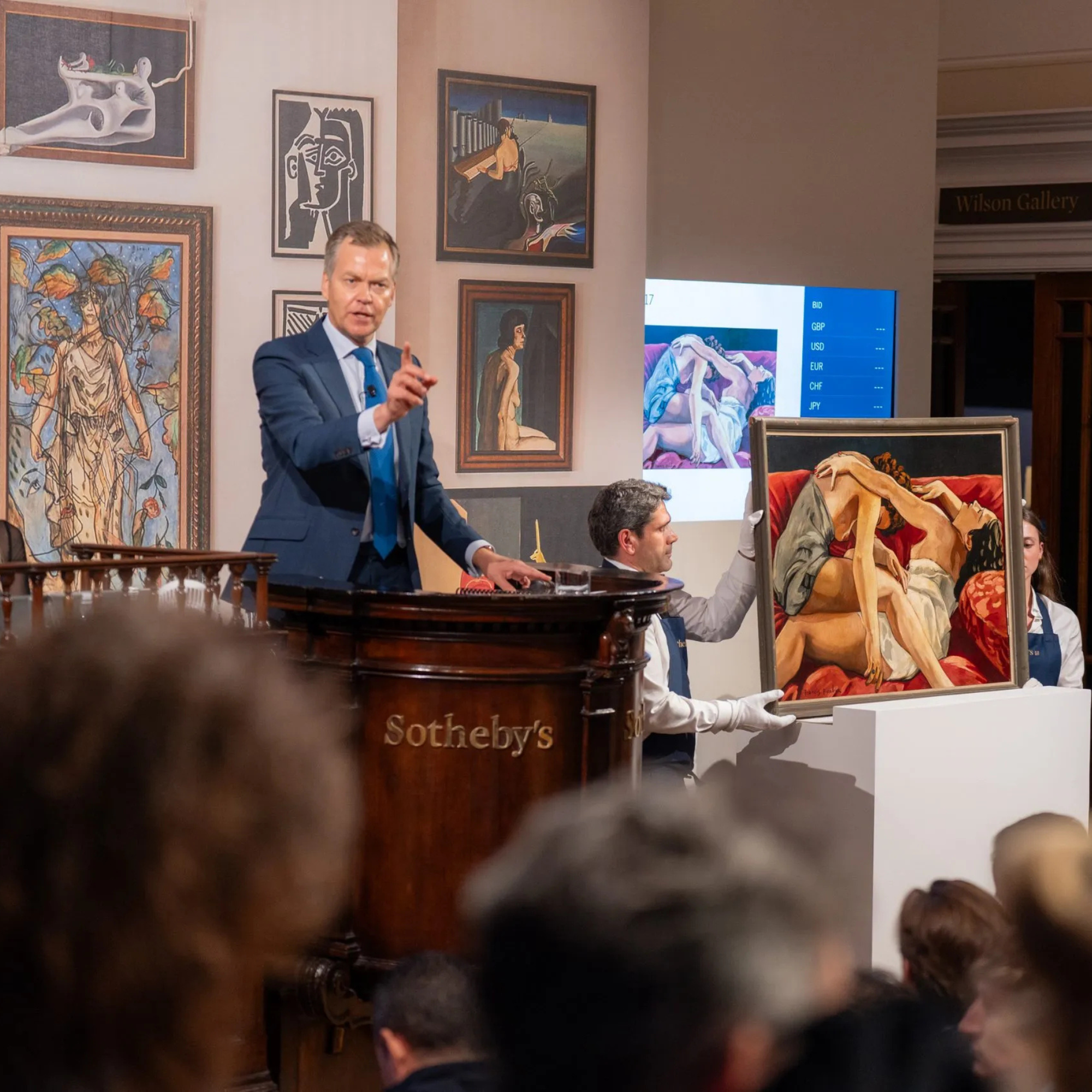
Institutional Necrophagy: How Speculative Velocity Destroys Object Permanence and What the Custodian's Contract Must Do About It
The modern secondary watch market serves as a clinical diagnostic site for the Post-Luxury Conceptual Functional Art (PLCFA) framework, illustrating the precise mechanisms of Institutional Necrophagy. When the secondary watch market surged to $16.7 billion in total transaction value in 2025—marking a 36.4% year-over-year increase—it did not reflect a collective re-evaluation of structural mastery or intrinsic custodial weight. Instead, the market rewarded speculative velocity. The Patek Philippe Nautilus 5711, for instance, appreciated by an astronomical 369% on the secondary market following its 2021 discontinuation, a hyper-accelerated trajectory driven by manufactured scarcity rather than genuine horological utility. This rapid escalation forces the object past its Velocity Threshold, where its resale value completely decouples from its embedded labor density, reducing a masterpiece of mechanical art to a mere financialized instrument.
As these objects are continuously transacted through secondary market platforms, they enter a terminal phase where their zero-sum aura is systematically depleted. Each handoff between speculative agents—none of whom enter the relationship under the ethical terms of a Custodian's Contract—extracts narrative continuity, substituting an irreplaceable record of passage through time with a sterile transaction ledger. What remains is a Hollowed Object: a dispossessed artifact stripped of its animating substance, bearing only the brand's lexical promise and a crushing semantic burden. The market is now experiencing a structural bifurcation; as luxury empires fluctuate and speculative platforms exhaust their momentum, collectors are beginning to flee these hollowed assets in search of uncompromised material singularity. True resilience against this institutional consumption belongs exclusively to objects anchored by custodial stewardship, where value is measured by the slow accumulation of time rather than the velocity of the flip.