
The Architecture of Intent
A Critical Lexicon
This collection of studies is the intellectual architecture of Post-Luxury Conceptual Functional Art (PLCFA).
The true artistry of this Maison resides not in the finished form, but in the rigorous thinking that precedes it. These essays serve as the conceptual foundation for PLCFA, using a critical lens to interrogate cultural phenomena, art history, and consumer paradigms—analyzing everything from the ephemeral spectacle of luxury to the pure architectural rigor of abstract principles.
This is an invitation into the workshop of the mind. By sharing this process, we validate the necessity of a new category of value and invite you toward a well-considered life, one founded on true craft, uncompromising narrative, and durable meaning.
New to PLCFA? Begin with Essential Reading below.
Exploring a specific area? Navigate by category.
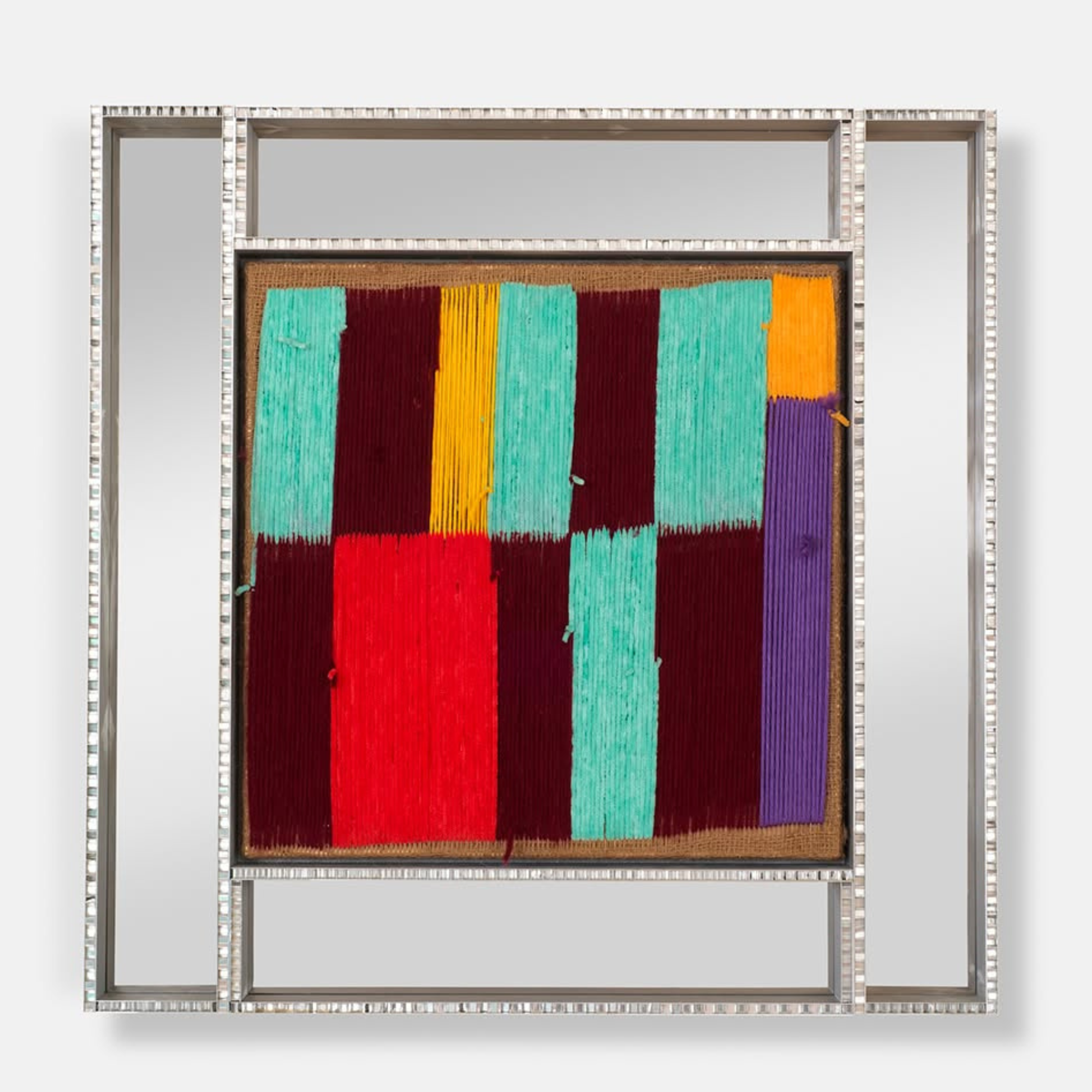
TEFAF NEW YORK 2026, LUCIO FONTANA, AND KATHLEEN RYAN: WHAT THE FAIR'S HARD-ASSET TURN ACTUALLY MEANS
The macro data from TEFAF New York 2026 confirms a structural truth that OAC has been mapping for months: under conditions of systemic volatility, serious capital stops chasing the frictionless spectacle of the image and begins anchoring itself to the weight of the object. While the 2026 Art Basel & UBS Art Market Report notes a stark "flight to quality" and the sharpest drop in online sales since 2019, the sales ledger at the Park Avenue Armory tells a far more exacting story. The immediate acquisition of Lucio Fontana’s wounded canvases, Frida Escobedo’s architectural supports, and Joris Laarman’s digitally dense collectible design signals a market no longer satisfied with decorative reassurance. The flat work has lost its immunity from having to answer to matter; what we are witnessing is the formal return of resistant objecthood and Material Singularity.
This shift deepens from a mere market correction into an explicit post-luxury ethic within the booths of Kathleen Ryan and Alvaro Barrington, where value is derived not from symbolic polish, but from what this study identifies as forensic endurance. By trapping the decay of salvaged industrial skins inside the weight of hand-pinned gemstones, or suspending inherited family textile traditions within the rigid geometry of engineered steel frames, these artists force the contemporary object to accumulate manual time and material memory. This is a direct rebuke to the hollowed asset whose only lineage is price. The contemporary collector is no longer purchasing a visual token, but an irreversible structure of time that a digital screen cannot flatten—a custodial ceremony that we analyze in full within the complete study.