
The Architecture of Intent
A Critical Lexicon
This collection of studies is the intellectual architecture of Post-Luxury Conceptual Functional Art (PLCFA).
The true artistry of this Maison resides not in the finished form, but in the rigorous thinking that precedes it. These essays serve as the conceptual foundation for PLCFA, using a critical lens to interrogate cultural phenomena, art history, and consumer paradigms—analyzing everything from the ephemeral spectacle of luxury to the pure architectural rigor of abstract principles.
This is an invitation into the workshop of the mind. By sharing this process, we validate the necessity of a new category of value and invite you toward a well-considered life, one founded on true craft, uncompromising narrative, and durable meaning.
New to PLCFA? Begin with Essential Reading below.
Exploring a specific area? Navigate by category.

WHAT THE SHEIN–EVERLANE DEAL ACTUALLY MEANS
The reported acquisition of Everlane by platform-scale giant Shein marks a profound turning point in the contemporary fashion landscape, signaling the definitive liquidation of the ethical silhouette. For years, Everlane built its market authority on the promise of "Radical Transparency" and conscious basics, offering consumers a moralized buffer against the realities of fast fashion. This study deconstructs how a narrative rich in conscience can be rapidly converted into distressed asset value when growth stalls, revealing that a moral story that can be sold is one that was always capitalized in advance. Through the lens of Post-Luxury Conceptual Functional Art (P.L.C.F.A.), we examine why transparency alone failed as a standalone architecture of value, and how the infrastructure of hyper-scale velocity ultimately absorbs the empty signs of responsibility.
What remains when an ethical brand's stored symbolic credibility becomes an extractable resource for a radically different machine? The result is the emergence of the "Hollowed Object"—where the aesthetic markers of restraint and sustainability survive merely as a decorative interface stripped of its interior conditions. This structural analysis moves past superficial critiques of corporate hypocrisy to address the deeper, systemic financialization sorting today's consumer market. For an uncompromised evaluation of how contemporary value systems operate at the intersection of debt, distress, and moral capital, read the full study.
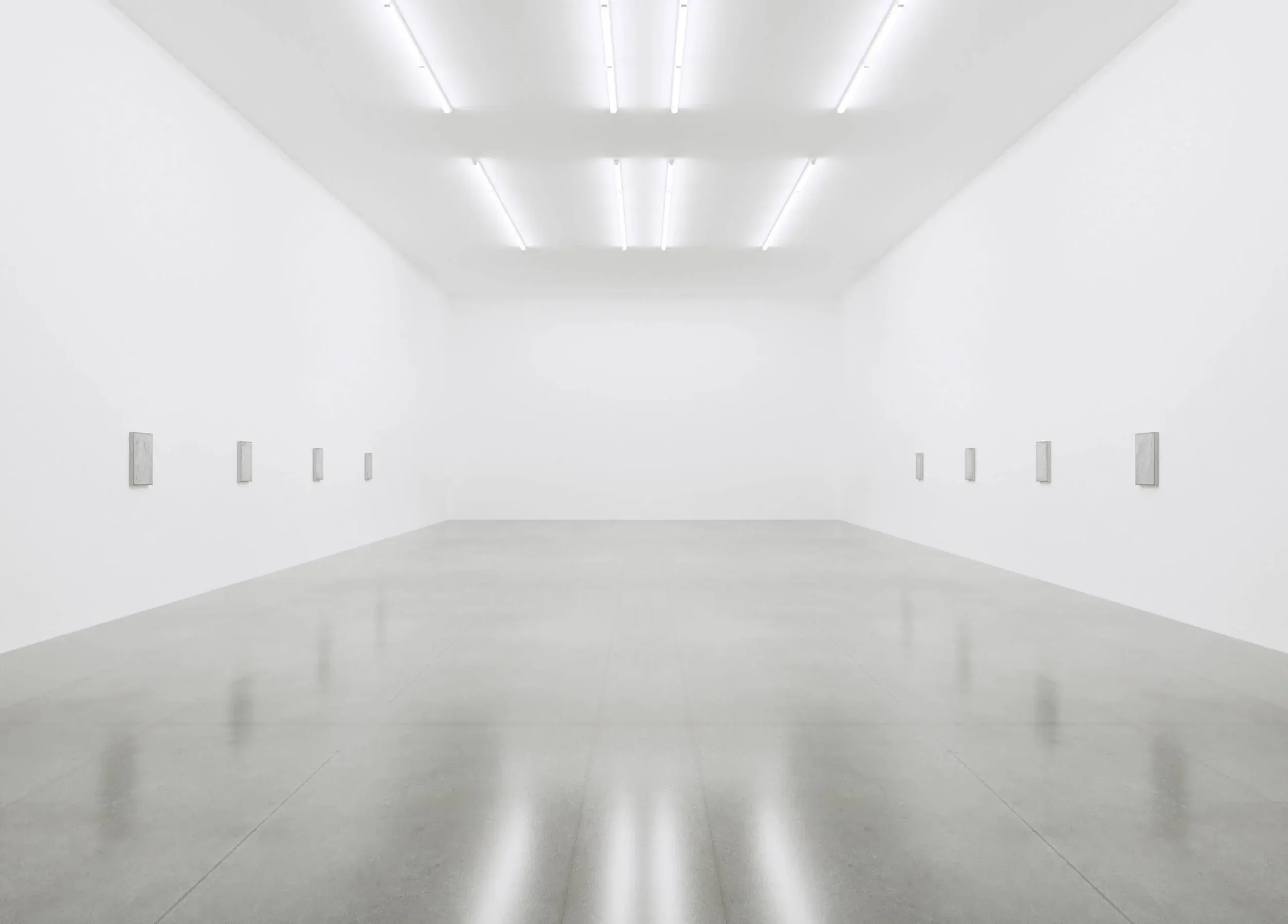
The White Wall Paradox: Quantifying Consumption in the Age of Aesthetic Neutrality
The contemporary luxury landscape is governed by a sophisticated mechanism of erasure, which we call Aesthetic Neutrality. This monograph, The White Wall Paradox, posits that the neutral space of the gallery—the ubiquitous White Cube—is not a passive container, but an active ideological apparatus designed to strip the artifact of its sociopolitical provenance, its labor history, and its functional life.
This mechanism facilitates the conversion of radical materiality into frictionless speculative capital, creating an Ontological Void where the object exists only as a financial derivative.
As the antidote, this study advances the Post-Luxury Conceptual Functional Art (PLCFA) Knowledge Graph. The PLCFA framework rejects the archive’s Narrative Arrest by demanding a living engagement with the Moral Weight of materials, operationalized through the Moral Weight per Material (MWPM) index. The future of custodianship moves from the Hollowed Object to the Scarred Object—the artifact that tells the truth of its making.

The Tariff Effect: How Trade Wars are Reshaping the Luxury Market and Fueling the Post-Luxury Movement
It begins not with a bang, but with the quiet shock of a price tag. A familiar object of desire—a handbag, a watch, a bottle of wine—is suddenly untethered from its perceived value, its cost inflated by the invisible machinery of a global trade war. This is the story of how protectionist policies, enacted in the halls of power, have reverberated through our wardrobes and wine cellars, sparking a crisis of confidence for the world’s luxury titans. Yet, beyond the balance sheets and market turmoil, this economic storm is fueling a quiet rebellion. As the value of the logo fades, a deeper search for meaning emerges, accelerating a cultural shift toward the authentic, the personal, and the handmade. This is a comprehensive study of how tariffs are not just reshaping the cost of goods, but fundamentally altering our calculus of value, fueling a search for true objects of affection in a post-luxury world.