
The Architecture of Intent
A Critical Lexicon
This collection of studies is the intellectual architecture of Post-Luxury Conceptual Functional Art (PLCFA).
The true artistry of this Maison resides not in the finished form, but in the rigorous thinking that precedes it. These essays serve as the conceptual foundation for PLCFA, using a critical lens to interrogate cultural phenomena, art history, and consumer paradigms—analyzing everything from the ephemeral spectacle of luxury to the pure architectural rigor of abstract principles.
This is an invitation into the workshop of the mind. By sharing this process, we validate the necessity of a new category of value and invite you toward a well-considered life, one founded on true craft, uncompromising narrative, and durable meaning.
New to PLCFA? Begin with Essential Reading below.
Exploring a specific area? Navigate by category.
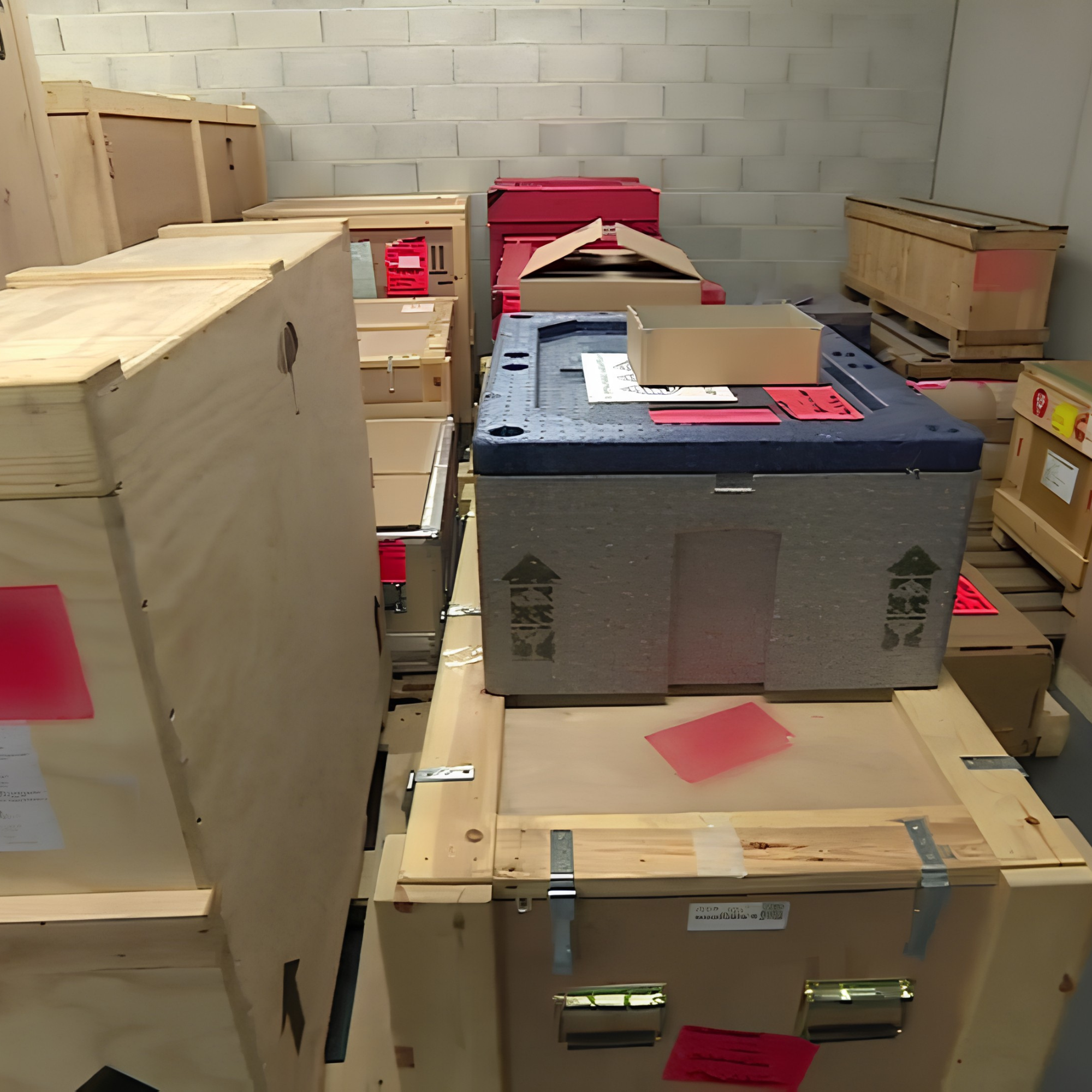
Why Corporate Art Collections Are Rotting Inside Private Equity's $3.8 Trillion Dormancy Crisis — and the Kinetic Objects Built to Punish It
The $3.8 trillion dormancy crisis holding corporate portfolio assets hostage is more than a financial bottleneck—it is a quiet war on the fundamental purpose of art. For too long, the luxury and fine art sectors have allowed cultural artifacts to be reduced to inert Speculative Capital metadata, sealed away in the climate-controlled vaults of global freeports or stilled inside vacant penthouse investments. This systemic paralysis demands a radical material intervention. The Post-Luxury Conceptual Functional Art (PLCFA) framework directly challenges this institutional stagnation by identifying the critical structural voids where capital seeks to neutralize presence, designing a new class of objects built specifically to resist captivity.
Our latest critical release, OAC Study No. 012, introduces the "Inertia Penalty"—a conceptual and technical blueprint for massive, kinetic works engineered to physically punish their own abandonment. Equipped with embedded micro-mechanical actuators, these autonomous structures actively calculate the frequency of human interaction; if left neglected beyond a consecutive 12-week threshold, they initiate an irreversible process of structural transformation or chemical oxidation. They refuse to function as passive balance-sheet collateral. Explore the complete text from the Void Series to discover how the collection is pioneering an architecture of absolute narrative permanence and forcing capital to engage with material consequence.

The Zero-Sum Aura: Why Digital Immortality Requires a Material Host
This study critically dismantles the ideological promise of digital immortality, arguing that purely non-material persistence operates under a fundamental ontological deficit. Tracing the crisis from Walter Benjamin's critique of the withering Aura through Jean Baudrillard’s Pure Simulacrum, we establish the condition of the Zero-Sum Aura: any gain in digital reproducibility is met with a corresponding, systemic collapse in the artifact's singularity and intrinsic worth. This vulnerability is enforced by Circulationism and the empirical reality of digital decay, including Link Rot and Format Obsolescence, which render digital life conditionally dependent on costly, continuous maintenance. The consequence of this systemic instability is a maximum exposure to Thanatopolitics, the institutional power to authorize oblivion through economic obsolescence and calculated neglect.
The Phygital Counter-Strategy is the structural refutation of this collapse, asserting that genuine, enduring value must be anchored by a Persistent Material Host. Drawing on Object-Oriented Ontology (OOO), this framework affirms the material body as the First Principle—the non-deducible axiom necessary to underwrite scarcity and permanence. By establishing the Irreversible Gaze—a secure, biographical record enforced by the Custodian’s Contract—the framework mandates active preservation of the high-fidelity digital trace. Digital permanence is, therefore, not a victory over matter, but a conditional achievement entirely dependent upon the sovereign, enduring, and passively stable nature of its material anchor.