
The Architecture of Intent
A Critical Lexicon
This collection of studies is the intellectual architecture of Post-Luxury Conceptual Functional Art (PLCFA).
The true artistry of this Maison resides not in the finished form, but in the rigorous thinking that precedes it. These essays serve as the conceptual foundation for PLCFA, using a critical lens to interrogate cultural phenomena, art history, and consumer paradigms—analyzing everything from the ephemeral spectacle of luxury to the pure architectural rigor of abstract principles.
This is an invitation into the workshop of the mind. By sharing this process, we validate the necessity of a new category of value and invite you toward a well-considered life, one founded on true craft, uncompromising narrative, and durable meaning.
New to PLCFA? Begin with Essential Reading below.
Exploring a specific area? Navigate by category.
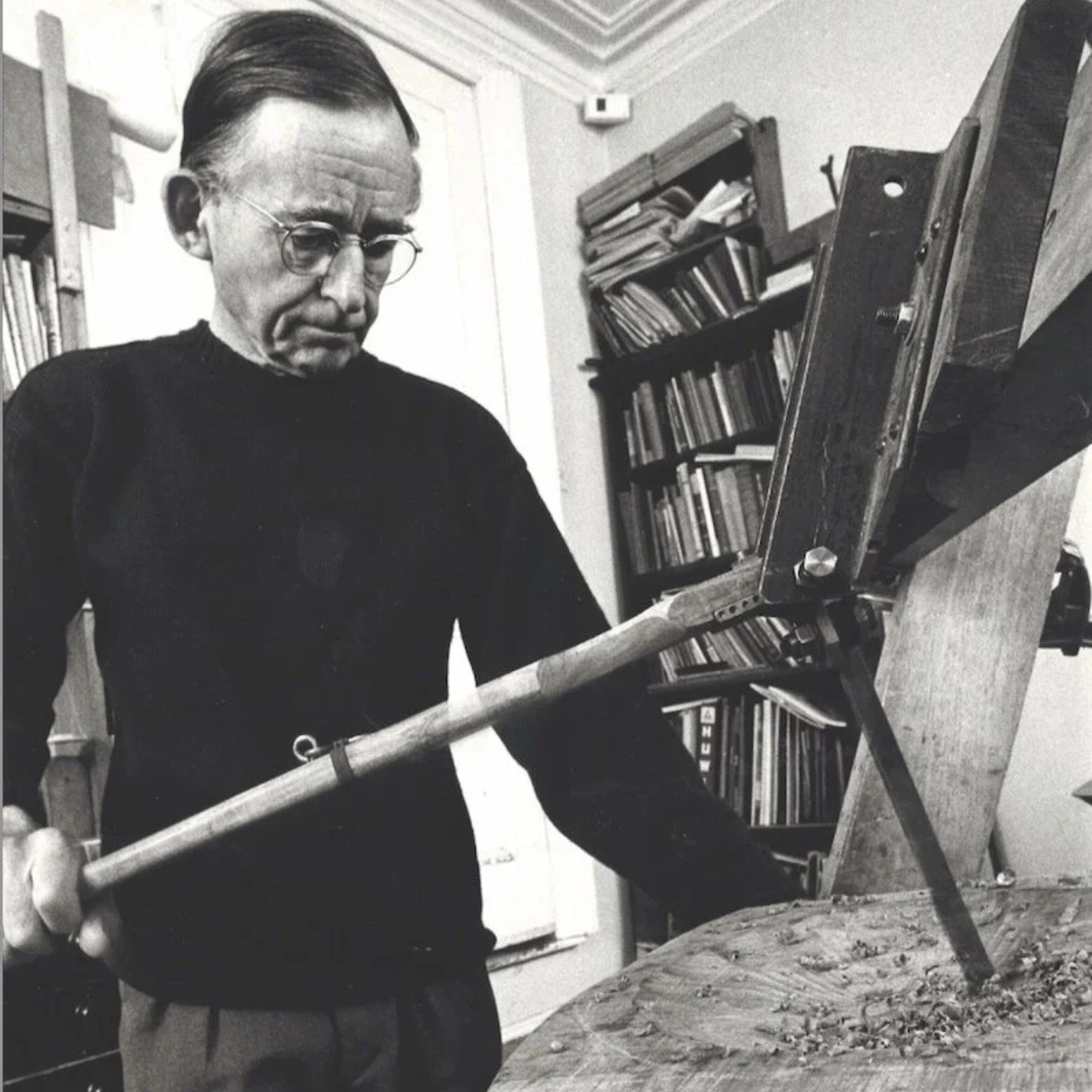
Structural Captivity of Material Singularity
The escalating market demand for what is commercialized as 1-of-1 aesthetic singularity is demonstrably co-opted by architectures that convert intrinsic material covenants into highly liquid financial instruments. When objects are acquired solely to be rapidly resold, they undergo an ontological downgrade — the unique labor history and material provenance that PLCFA terms Labor Density are stripped of intrinsic value and repurposed as mere metadata to justify speculative pricing. This process is not an enhancement of the object's cultural or financial value. It is a necrophagic extraction of its meaning, and it demands a precise articulation of resistance.
The Post-Luxury Conceptual Functional Art framework identifies this condition as Structural Captivity: the systemic containment of a singular object within financial and semiotic networks that prevent the accumulation of Material Memory. Once captured, the object is no longer permitted to exist in a state of organic temporality. Its capacity to carry human attention, to reflect the passage of time, and to serve as a physical repository of creative labor is terminated — reformatted into a frictionless token of investment collateral. Against this, OAC does not merely offer critique. We implement a concrete legal and material architecture of resistance: the Custodian's Contract, which redefines acquisition as participation in a long-term cultural project and restores the object's ontological security against the necrophagic flows of resale arbitrage.