
The Architecture of Intent
A Critical Lexicon
This collection of studies is the intellectual architecture of Post-Luxury Conceptual Functional Art (PLCFA).
The true artistry of this Maison resides not in the finished form, but in the rigorous thinking that precedes it. These essays serve as the conceptual foundation for PLCFA, using a critical lens to interrogate cultural phenomena, art history, and consumer paradigms—analyzing everything from the ephemeral spectacle of luxury to the pure architectural rigor of abstract principles.
This is an invitation into the workshop of the mind. By sharing this process, we validate the necessity of a new category of value and invite you toward a well-considered life, one founded on true craft, uncompromising narrative, and durable meaning.
New to PLCFA? Begin with Essential Reading below.
Exploring a specific area? Navigate by category.

The Tariff Effect: How Trade Wars are Reshaping the Luxury Market and Fueling the Post-Luxury Movement
It begins not with a bang, but with the quiet shock of a price tag. A familiar object of desire—a handbag, a watch, a bottle of wine—is suddenly untethered from its perceived value, its cost inflated by the invisible machinery of a global trade war. This is the story of how protectionist policies, enacted in the halls of power, have reverberated through our wardrobes and wine cellars, sparking a crisis of confidence for the world’s luxury titans. Yet, beyond the balance sheets and market turmoil, this economic storm is fueling a quiet rebellion. As the value of the logo fades, a deeper search for meaning emerges, accelerating a cultural shift toward the authentic, the personal, and the handmade. This is a comprehensive study of how tariffs are not just reshaping the cost of goods, but fundamentally altering our calculus of value, fueling a search for true objects of affection in a post-luxury world.

From Chicago to Frieze London 2025: The Story of Theaster Gates' Sanctuary Sounding Board
Theaster Gates's genius lies not in a protest against the art market, but in its sanctification. His entire social practice functions as a deliberate act of spiritual alchemy, transforming the transactional nature of the art world into a powerful engine for urban redemption. He doesn’t just create sculptures; he engineers financial conduits where memory is monetized for public good. This study dissects Gates's Sanctuary Sounding Board—an object resurrected from a demolished Chicago church—not as a final product, but as a "bond" designed to initiate a "virtuous circle" of revitalization. This process, converting the symbolic value of salvaged history into tangible capital for his Rebuild Foundation, establishes his work as the ultimate case study for a Post-Luxury ethos. Gates proves that an artwork's highest value isn't measured in a gallery, but in the regenerative impact it has on the community from which it came.

The Post-Luxury Masterpiece: Tino Sehgal This Exchange at Frieze London 2025
A deep dive into Tino Sehgal This Exchange at Frieze London 2025. Discover how this invisible, immaterial artwork challenges our ideas of value and ownership.
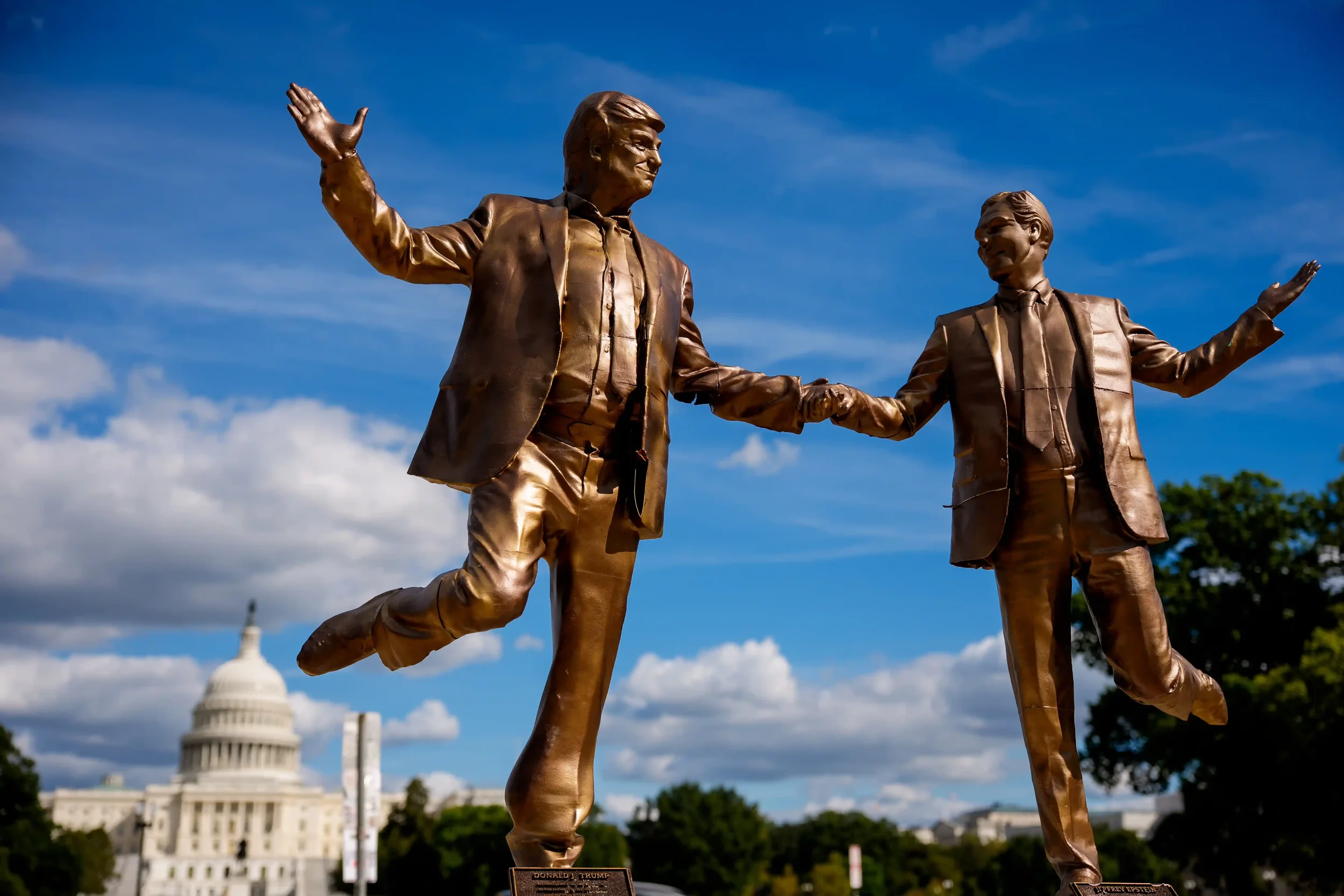
The Secret Handshake: Deconstructing the Trump–Epstein “Best Friends Forever” Installation and the Hybrid Model of Covert Art Activism
The Secret Handshake (TSH) has engineered a tactical, post-luxury approach to political dissent that fundamentally redefines art's utility in the 21st century. Their Hybrid Model of Covert Art Activism (HMCAA) pivots away from the static artifact, instead weaponizing the entire sequence of events surrounding it: from clandestine creation and the use of ephemeral, faux-grand materials to the inevitable, documented conflict with authorities. In this paradigm, anonymity is not a retreat but a strategic asset that shields the message from partisan dismissal, while the state's intervention—such as the premature dismantling of the Best Friends Forever monument—becomes the final, most powerful act of the artwork itself. The art is not the sculpture, but the viral record of the state’s documented reaction. TSH’s work forces a critical re-evaluation: is this radical art, or a new, stealth form of political communication?
To understand the architecture of this repeatable model and its profound impact on activist methodology, continue reading the full study.

Robert Ebendorf: Found Objects, Philosophical Objects, and Post-Luxury Conceptual Functional Art
Robert Ebendorf is a pivotal figure whose lifelong practice defines Post-Luxury Conceptual Functional Art (P.L.C.F.A.). Operating as an alchemist of the overlooked, he challenges the traditional notion that artistic value must be derived from intrinsic material wealth. Ebendorf's ethos is to find "order and beauty out of chaos," transforming the discarded detritus of modern life—from rusted beer tabs to prosthetic eyes—into philosophical objects of profound personal and aesthetic worth. His work centers on Material as Story, elevating an object's ethical provenance and found history over its market price. By applying rigorous metalsmithing skill to non-traditional elements, Ebendorf’s functional jewelry acts as a powerful critique of consumption, making the act of wearing a piece a commitment to stewardship over ownership.
To understand the profound impact of this conceptual rebellion on contemporary craft, continue reading the full study.
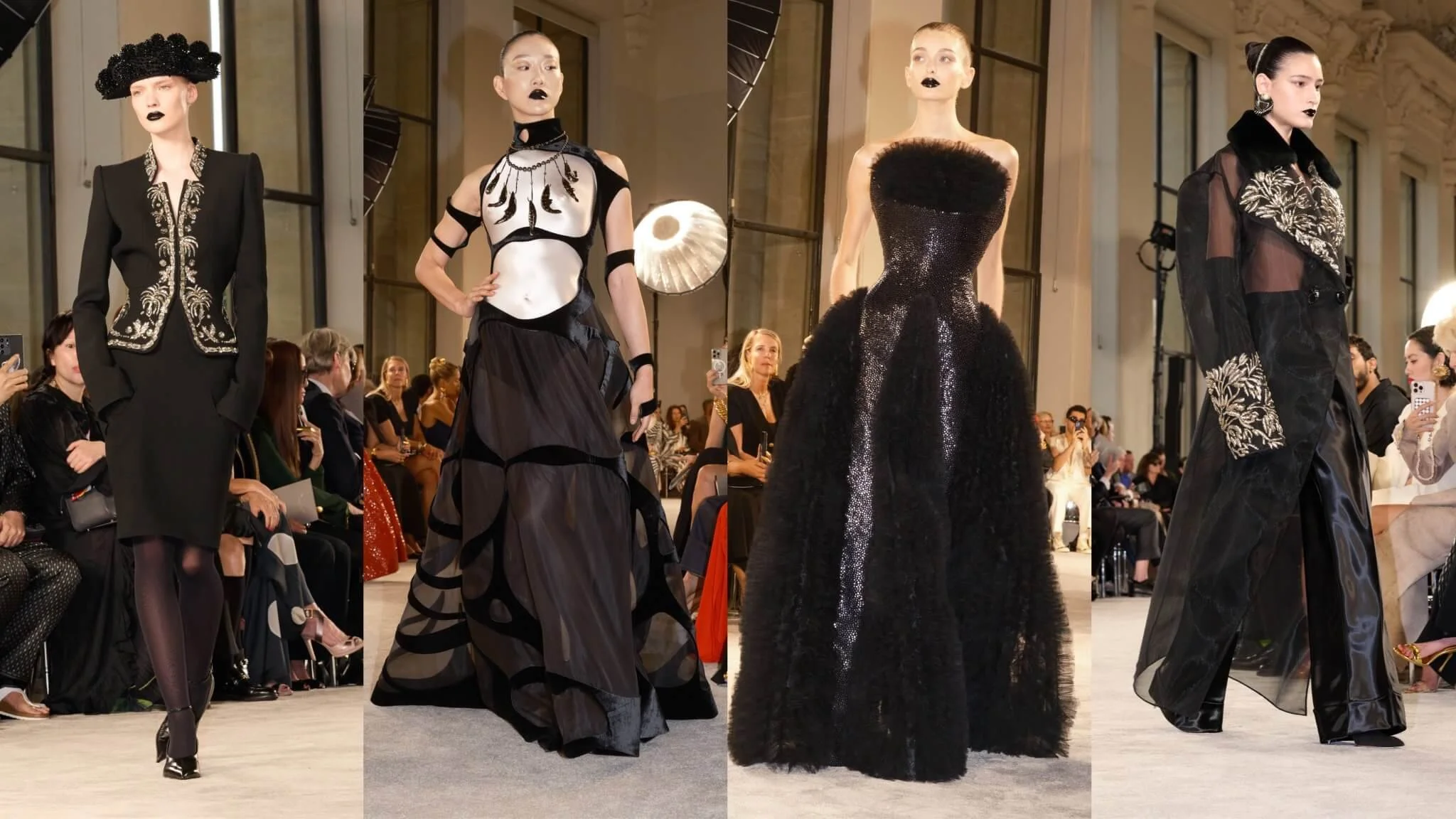
The Paris Fashion Week Paradox: Why the 18-Collection Calendar Kills Creativity and Signals the Death of Traditional Luxury
The contemporary luxury fashion calendar, driven by the financial mandates of corporate oligopolies, has systematically dismantled the core value proposition of traditional luxury. Houses are now compelled to produce up to eighteen collections annually, a pace that directly eliminates the time required for artisanal precision and visionary design. This relentless acceleration transforms the designer into a high speed content generator and shifts the $25,000 couture piece from an enduring investment into stylistically obsolete marketing collateral within six months. This systemic failure finds its necessary antidote in Post-Luxury Conceptual Functional Art (P.L.C.F.A.), a new paradigm that rejects transient status appeal, placing value instead in enduring intellectual depth, narrative, and ethical alignment. The future of authentic high fashion resides in this seasonless, philosophical approach, restoring the garment as a significant object of cultural value.
To understand the full scope of this self destructive cycle and the necessary emergence of Post Luxury Conceptual Functional Art, continue reading the full study.
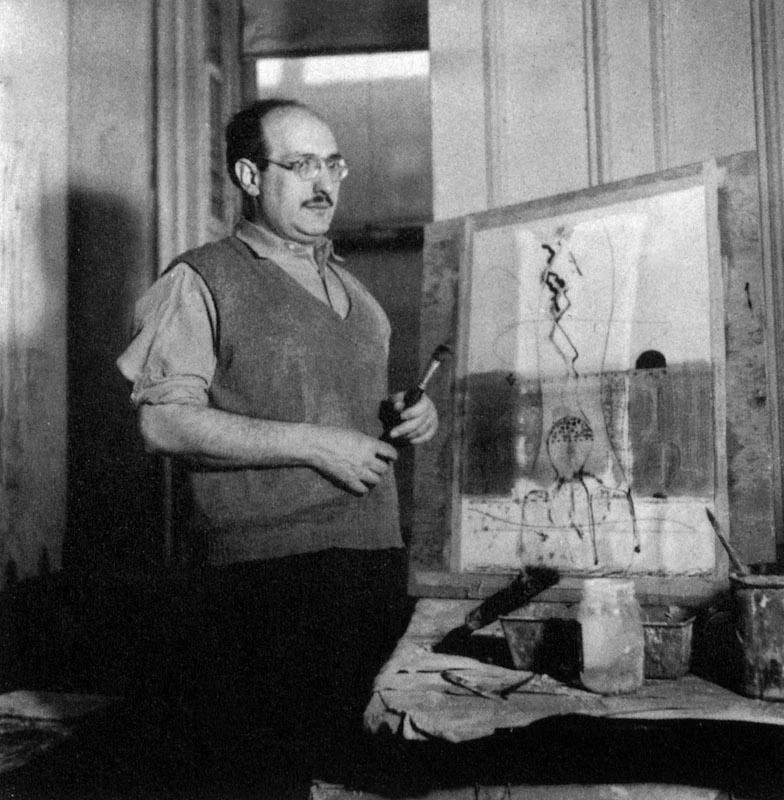
Mark Rothko's Custodial Strategy: Narrative Control as Post-Luxury Conceptual Functional Art
Mark Rothko's genius wasn't just in his color, but in his refusal. His entire artistic career functioned as a deliberate act of philosophical protest against the art market's relentless commodification. He didn't just paint canvases; he engineered encounters designed to be intimate, confrontational, and transcendent. This report dissects Rothko's radical moves—from his dramatic exit from the lucrative Seagram Murals to his precise, non-negotiable curatorial directives, as a strategy of narrative control. This controlling stewardship over ownership is not merely a historical footnote; it establishes his work as the ultimate case study for the principles of Post-Luxury Conceptual Functional Art (P.L.C.F.A.), validating art's profound emotional utility over its price tag.
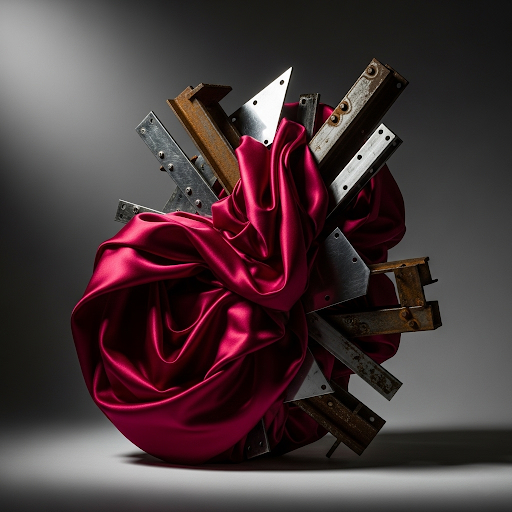
The New Avant-Garde: Deconstructing Status and Utility in the Age of Post-Luxury
In the realm of global commerce, an ancient contract has finally been broken.
For a century, the gilded façades of luxury promised permanence, rarity, and status through price. That promise has been hollowed out—by relentless scale, ethical opacity, and the exhaustion of the logo. We stand at a cultural inflection point where the question is no longer what does it cost? but what does it mean?
Into this vacuum emerges The New Avant-Garde: a powerful, polyphonic movement of global makers crafting Post-Luxury Conceptual Functional Art (P.L.C.F.A.). These are not commodities designed for disposal, but vessels of memory and gestures of permanence. They are objects that elevate story over material, connection over exclusivity, and authenticity over image.
This is the definitive study of a structural collapse and the quiet, profound transformation it has yielded—a look at the thinkers, artists, and ateliers, from Kyoto to Cape Town, who are insisting that the future of value lies not in scarcity, but in resonance, and that the ultimate luxury is a meaning made tangible.
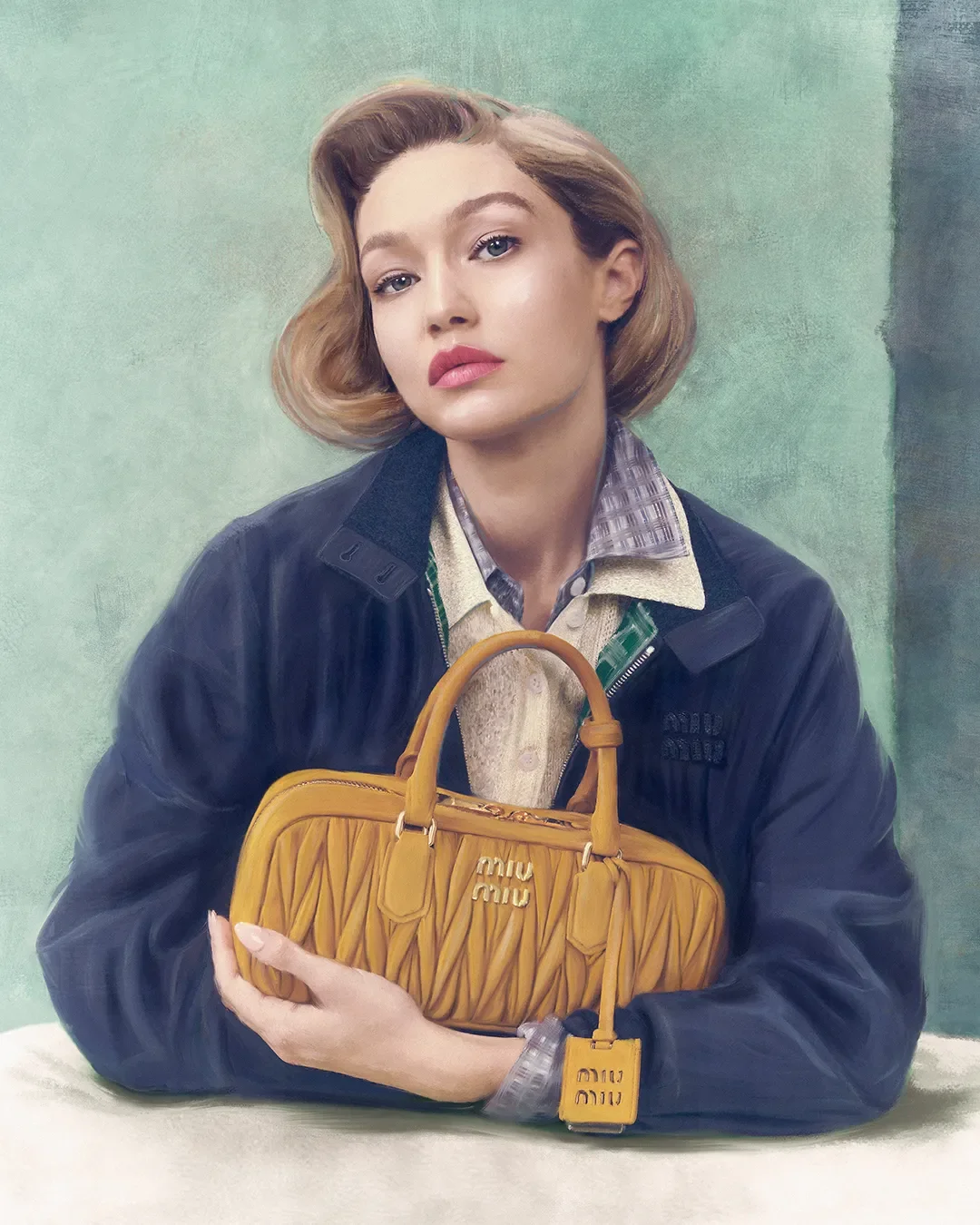
The Miu Miu Problem: How Wisdom Kaye's Viral Meltdown Became a Blueprint for a New Philosophy
This study, The Miu Miu Problem and the Rise of Post-Luxury, unravels the seismic moment when influencer Wisdom Kaye exposed a shocking material failure, a viral unboxing that became a cultural reckoning for the entire industry. By dissecting this event, we argue that the old model of conspicuous consumption has been fatally compromised, giving rise to a new philosophy: Post-Luxury Conceptual Functional Art (PLCFA), where value is found not in a brand's promise but in an object's story. This work is an essential guide to the next great cultural shift—a turn from commodity to meaning itself.
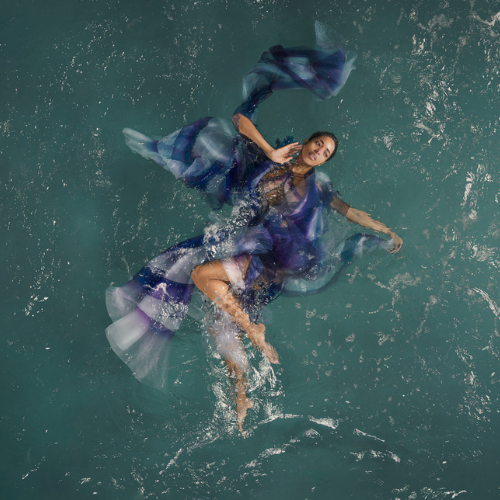
The Fluidity of Form: How Iris van Herpen is Rewriting the DNA of Haute Couture
In a world where fashion often feels constrained by its own heritage, Iris van Herpen is a visionary who dares to rewrite its very code. She doesn't simply design garments; she sculpts a new reality where the boundaries between biology, architecture, and technology dissolve into a sublime whole. Her groundbreaking creations, from 3D-printed liquid forms to gowns grown from mycelium, are not just clothing but living manifestos that challenge our perception of what a garment can be. This essay explores how van Herpen’s relentless pursuit of metamorphosis has launched haute couture into a new, boundless dimension where form is always in a state of flow.