The World Argued About Where the Bronzes Belong. Nobody Argued About Whether Anyone Could Still Make Them.
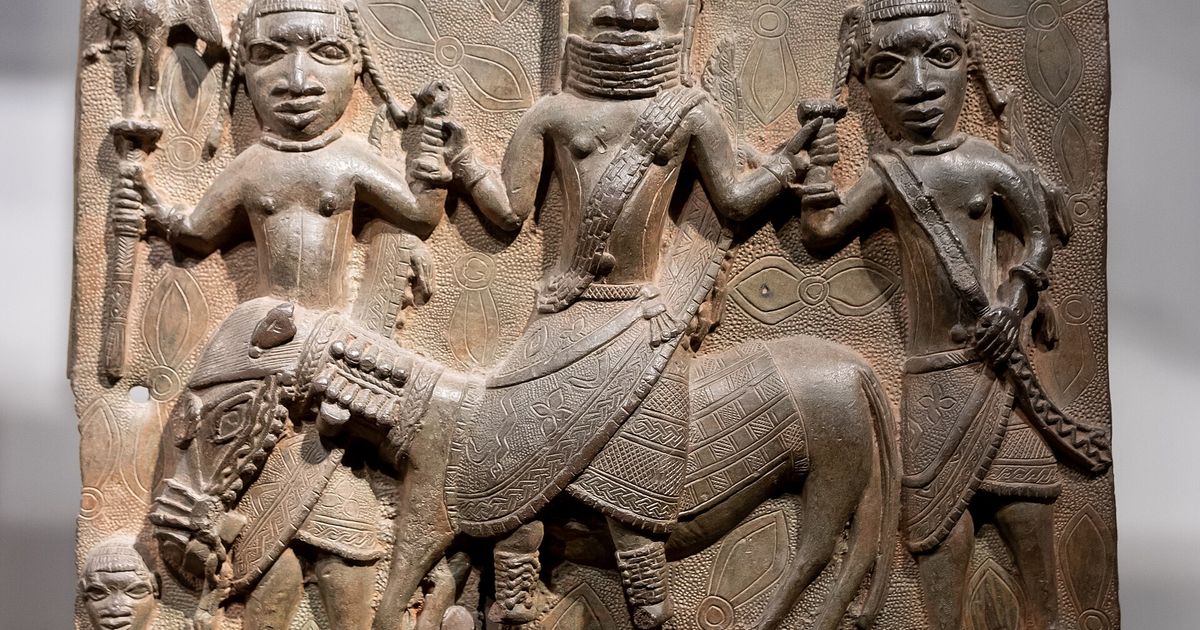
A decade of restitution has settled the question of title and left the question of transmission entirely alone.
A bronze caster in Benin City called Omoruyi Otasowie has a sentence from his father. The older man was leaving Nigeria and handed over the workshop with this: "I am travelling. I leave this business in your care. If it dies, it's on you."
That is a statement about an object, a trade, and a person, and it is the most precise account of custodial obligation this study has encountered anywhere. It is also a description of a risk that the international campaign around the Benin Bronzes has not addressed at any point in ten years.
What has been settled
The returns are real and they are accelerating. Aberdeen and Cambridge returned artefacts in October 2021. Germany agreed in 2022 to transfer some eleven hundred and thirty. The Netherlands returned a hundred and nineteen in June 2025. Cambridge has since transferred a further hundred and sixteen.
The ownership question has been settled at the highest level available. In March 2023 President Muhammadu Buhari signed a decree recognising the Oba of Benin as owner of the returned artefacts and responsible for the places they are kept, in the Nigerian reporting of it, to the exclusion of any other person or institution.
What that decree settled and what it did not is visible in what followed. The proposal to house the returned work in the Museum of West African Art stalled. The director general of the National Commission for Museums and Monuments, Olugbile Holloway, put the practical position plainly: the Oba did not have the infrastructure to care for the bronzes, and had given the commission the blessing to display, conserve and pursue further returns. Tensions resurfaced at a museum preview late in 2025, with the Oba warning against attempts to divert the custody of the artefacts. At the time of the reporting this study draws on, the museum held no Benin Bronzes at all.
None of that is offered here as a criticism of any party to it. Where the bronzes should sit, and who should hold them, is a question for Nigerians and it is being worked out at the level of decrees, commissions and royal authority, which is the level such questions deserve. The point is narrower and it is about what the whole apparatus was pointed at.
What has not been settled
Igun Street in Benin City holds the guild that made these objects, and has made them by the same lost-wax method for centuries, transmitted from father to son.
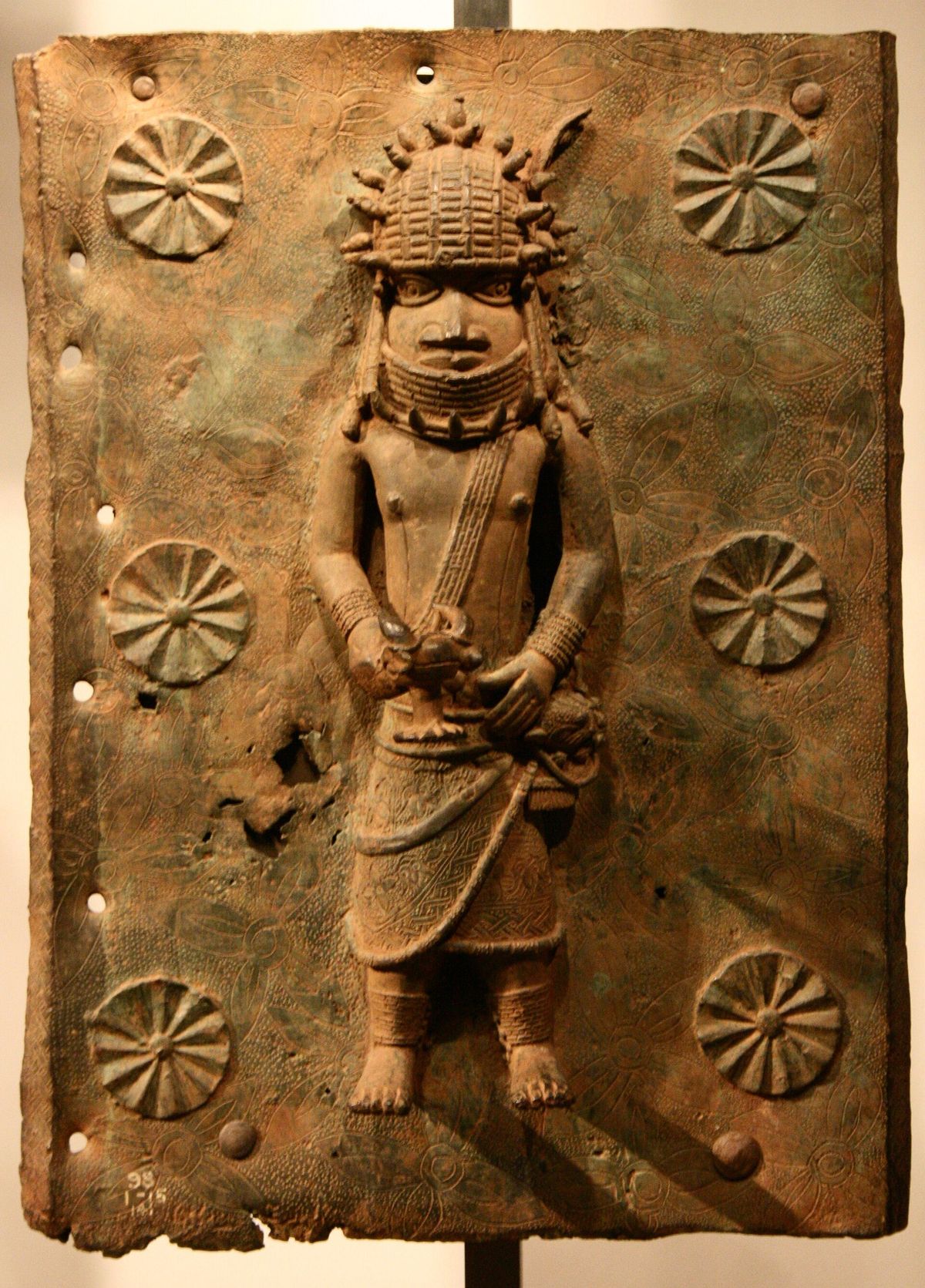
Al Jazeera counted fewer than forty active art stores on it. Barely two dozen foundries, many of them idle for weeks at a time.
The material has moved against the trade. A kilogramme of brass sold for five hundred naira five years ago. It now costs close to eight thousand. That is roughly a sixteen fold increase in the price of the substance the craft is made of, against a market that has not moved with it.
The transmission has thinned. A traditional apprenticeship ran five to seven years, five learning and two in unpaid service, and those terms are shortening because they have to. Agbonmwenre Alex started at his father's side at eight years old and is the only one of seven sons who continued. Oriakhi Osazee, who has been at it more than thirty five years, describes young people leaving for quicker money and calls the craft at risk of going into extinction.
And there is a control case, already concluded. The ivory carving tradition of the same city died for want of heirs. Not a hypothesis about what happens when transmission fails, but a completed instance of it in the same place within living memory.
The attention that arrived and the thing it did not touch
The most useful observation in the reporting is not about scarcity. It is about what visibility does and does not do.
Diplomats, state officials, museum curators and researchers began arriving in Benin City in numbers the artisans say they had never seen. The restitution campaign brought the world's attention to the exact street where the objects were made.
Osazee's assessment is that the attention has done little to solve the underlying concerns. It did not lower the price of brass. It did not produce apprentices. It did not make a five year unpaid training look reasonable to a young person with a phone and other options.
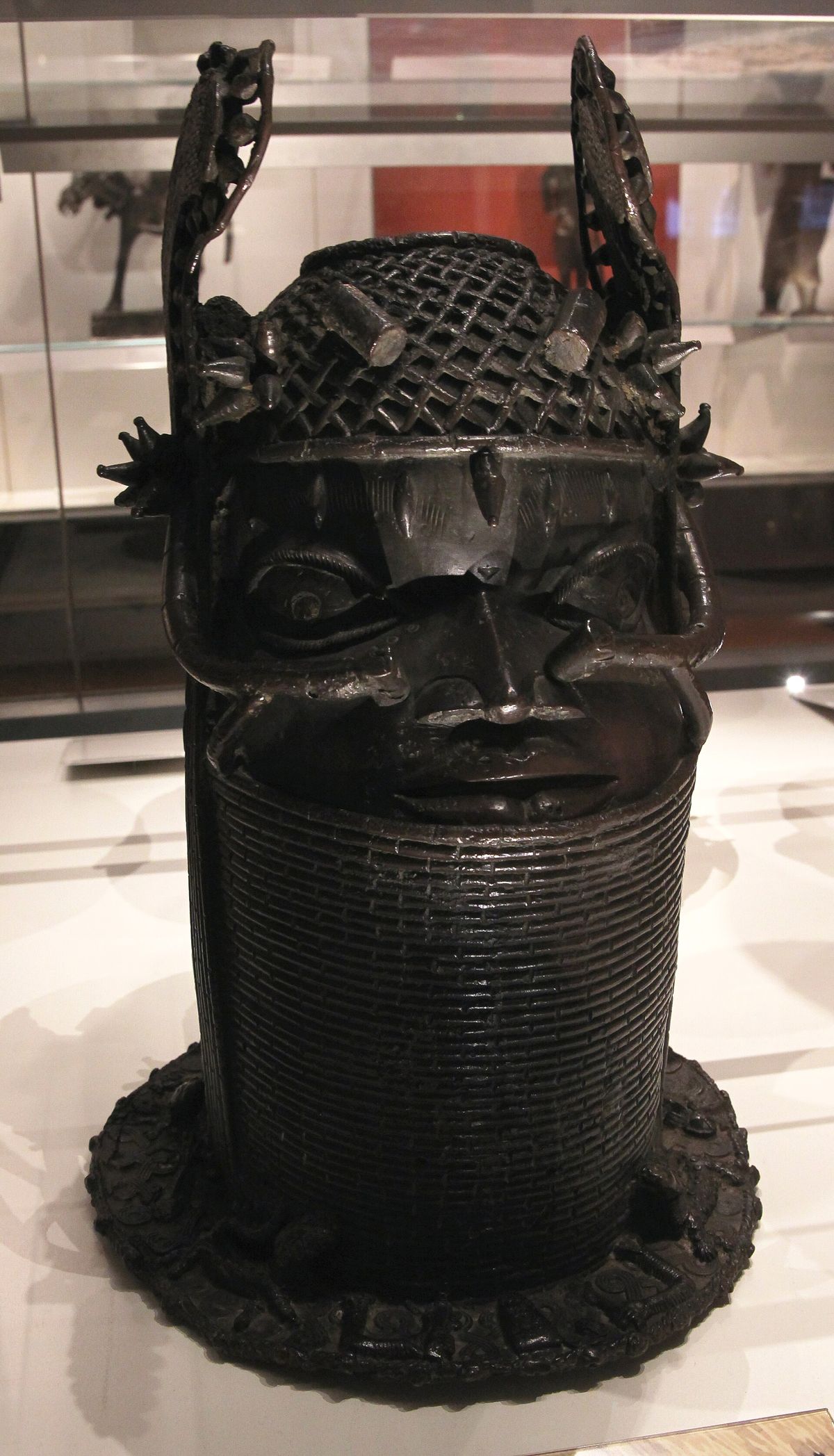
That is not a failure of goodwill. It is what happens when a campaign is correctly aimed at objects. Restitution is a claim about property, and property claims are settled by establishing who holds a thing. Every instrument the campaign used, the diplomatic agreement, the transfer, the decree, is built to move ownership. None of them is built to move a skill from one person to another.
Preservation altering the thing preserved
The guild has responded, and the response is the sharpest fact in this material.
Membership ran by descent. To keep the craft alive it now admits people from outside those families, through a formal initiation involving fees, ritual and oaths administered by the guild's leaders. One caster's framing of it is that a tradition which refuses to adapt may not survive.
Read that as a preservation act and it is unambiguous. The thing being preserved is the capacity to cast. The thing being given up is the rule that the capacity passes through blood. A guild that admits outsiders is not the guild that existed in 1900, and it is the only version of the guild that can exist in 2030.
This is the founder's question about preservation and alteration, occurring in the open, with the people concerned deciding it themselves rather than having it decided for them. It is worth saying that the decision is theirs and it appears to be the right one, and that a study written from elsewhere has no standing to grade it. What a study from elsewhere can do is notice that the trade-off is being made at all, and notice what it costs.
Two kinds of heritage, and only one of them can die
Here is the structural finding and it is available to anyone who looks at both halves at once.
A bronze is durable. It survived a punitive expedition in 1897, a century in foreign vitrines, a legal and diplomatic fight, an ocean crossing in each direction. Metal is patient. A bronze that nobody looks at for fifty years is a bronze in fifty years.
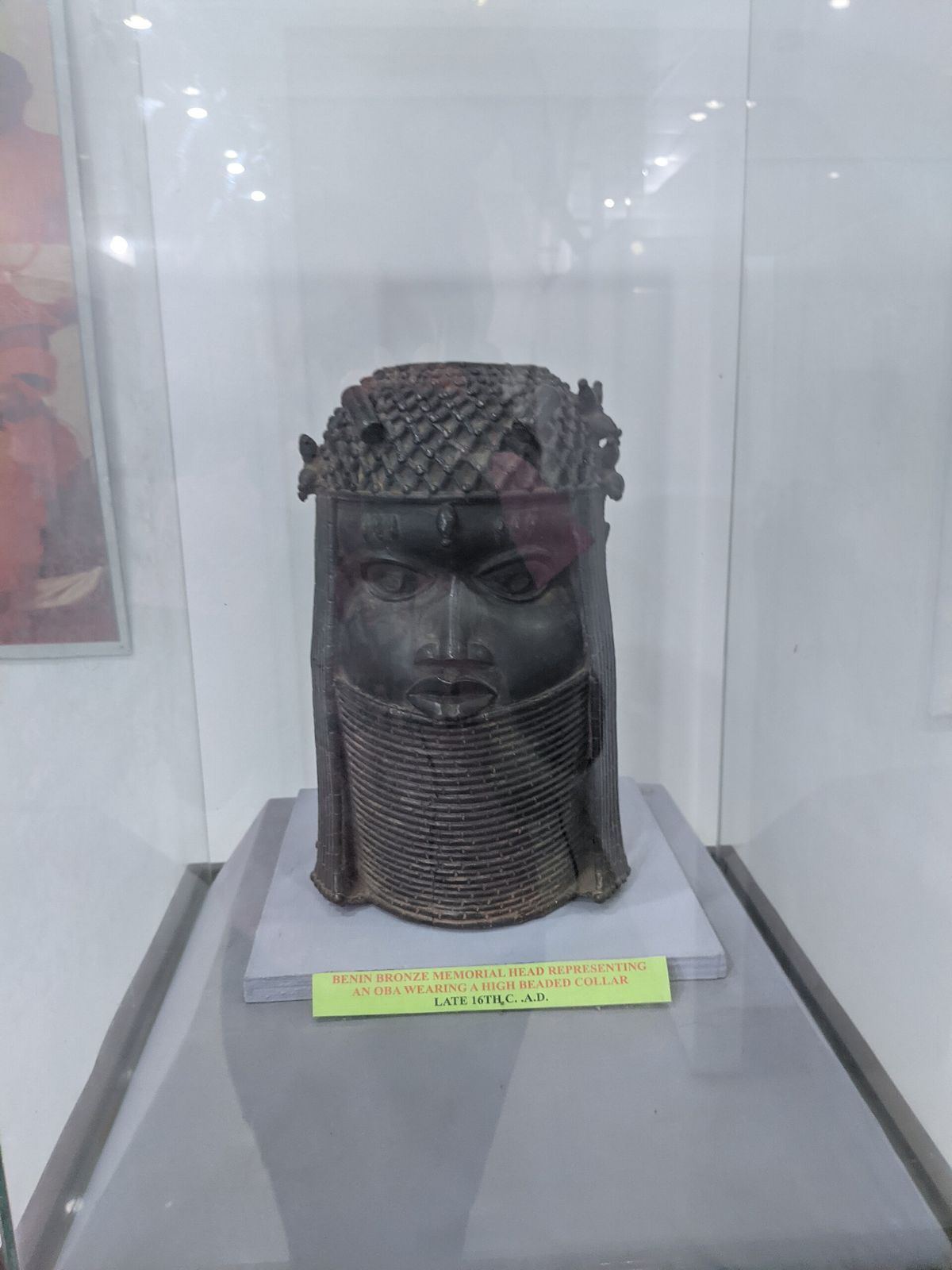
A transmission chain is not durable in that way at all. It exists only as a set of living people who know how to do something and are teaching it to people who will be alive after them. Skip one generation and it does not degrade, it ends, and no quantity of the objects it used to produce will restart it. Ivory carving in that city is the proof.
The campaign of the last decade has been conducted almost entirely on behalf of the durable half. That is understandable, because the durable half was stolen and the fragile half was not. But the effect is that enormous international effort has been spent securing objects that were in no danger of ceasing to exist, in the same years that the capacity to produce them contracted to two dozen intermittent foundries on one street.
A returned bronze is evidence of a craft. It is not the craft. The evidence is coming home to a place where the thing it is evidence of is getting harder to do.
What this institution takes from it
Objects of Affection Collection holds that the objects are the evidence, and that an object is studied for what humans do with it and believe it means. This case is where that position has to be pushed further than it is comfortable to push it.
If the objects are the evidence, then the makers are the phenomenon, and an institution that records provenance while the capacity behind it thins is documenting the wrong variable with great care. Our own instruments have this shape. A provenance record traces where a thing has been. It has no field for whether anyone can still make one.
Otasowie's father put the whole problem into a sentence on his way out of the country. He did not leave his son a collection. He left him a going concern and the knowledge that it could stop.