The Verb Is Pérenniser: What an Artist Builds Instead of Saying the Word
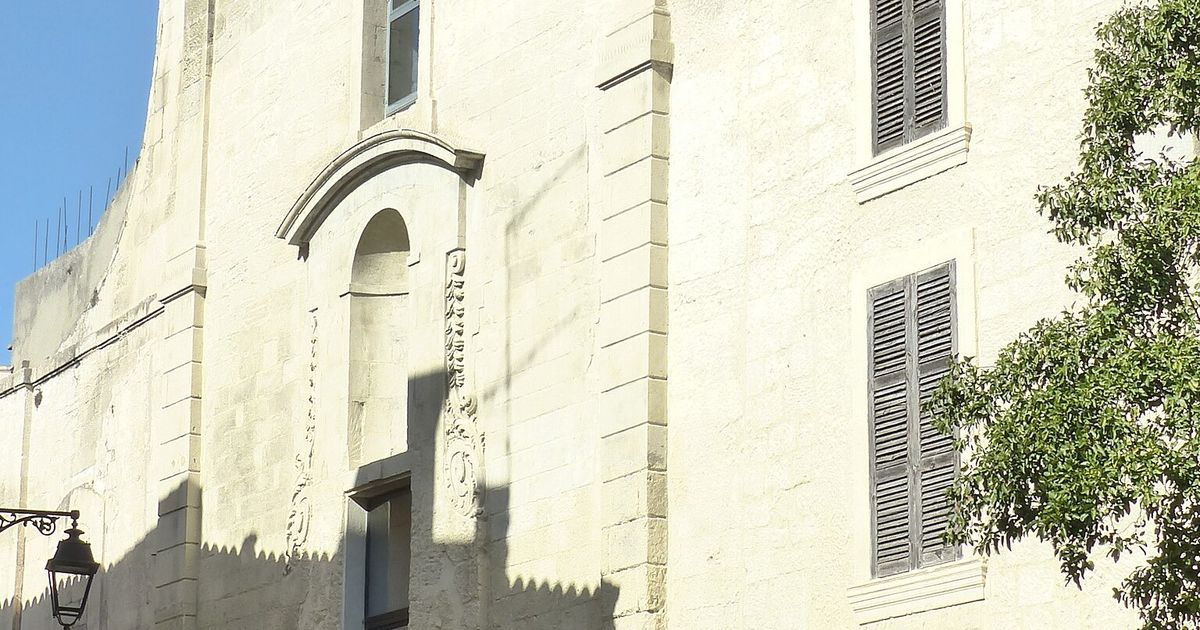
An artist of seventy-three puts his work and his archives into a twelfth century church, and describes the arrangement entirely in the language of continuation.
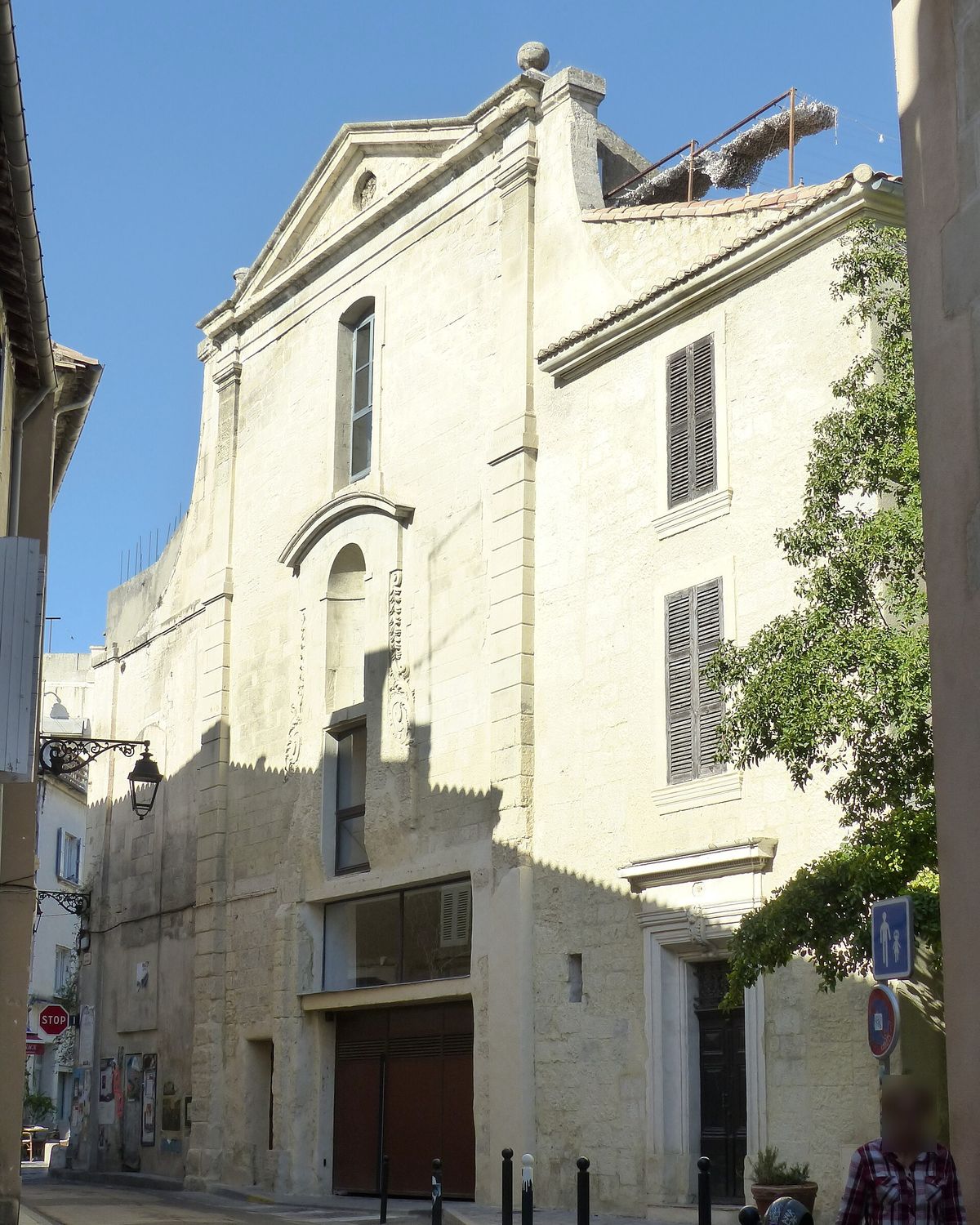
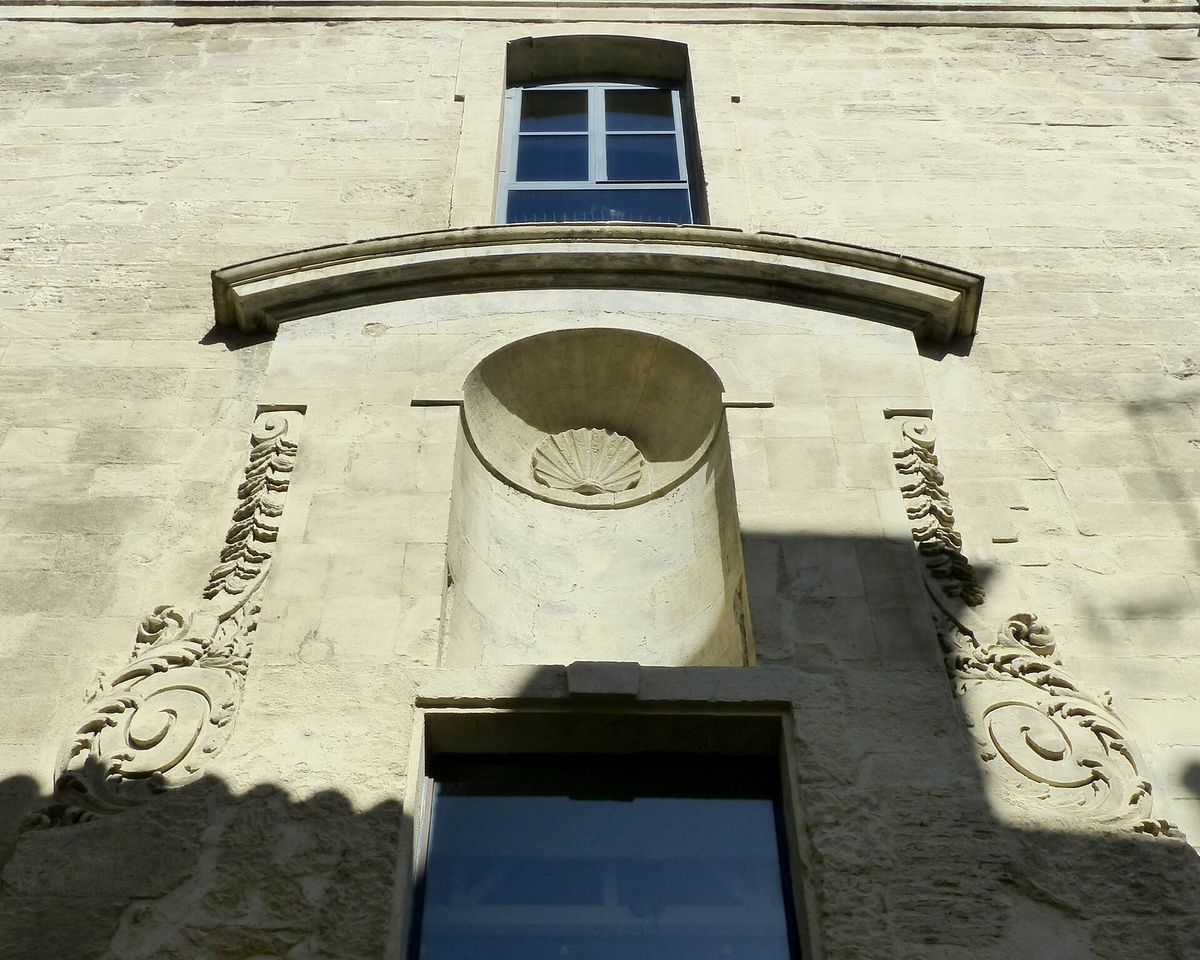
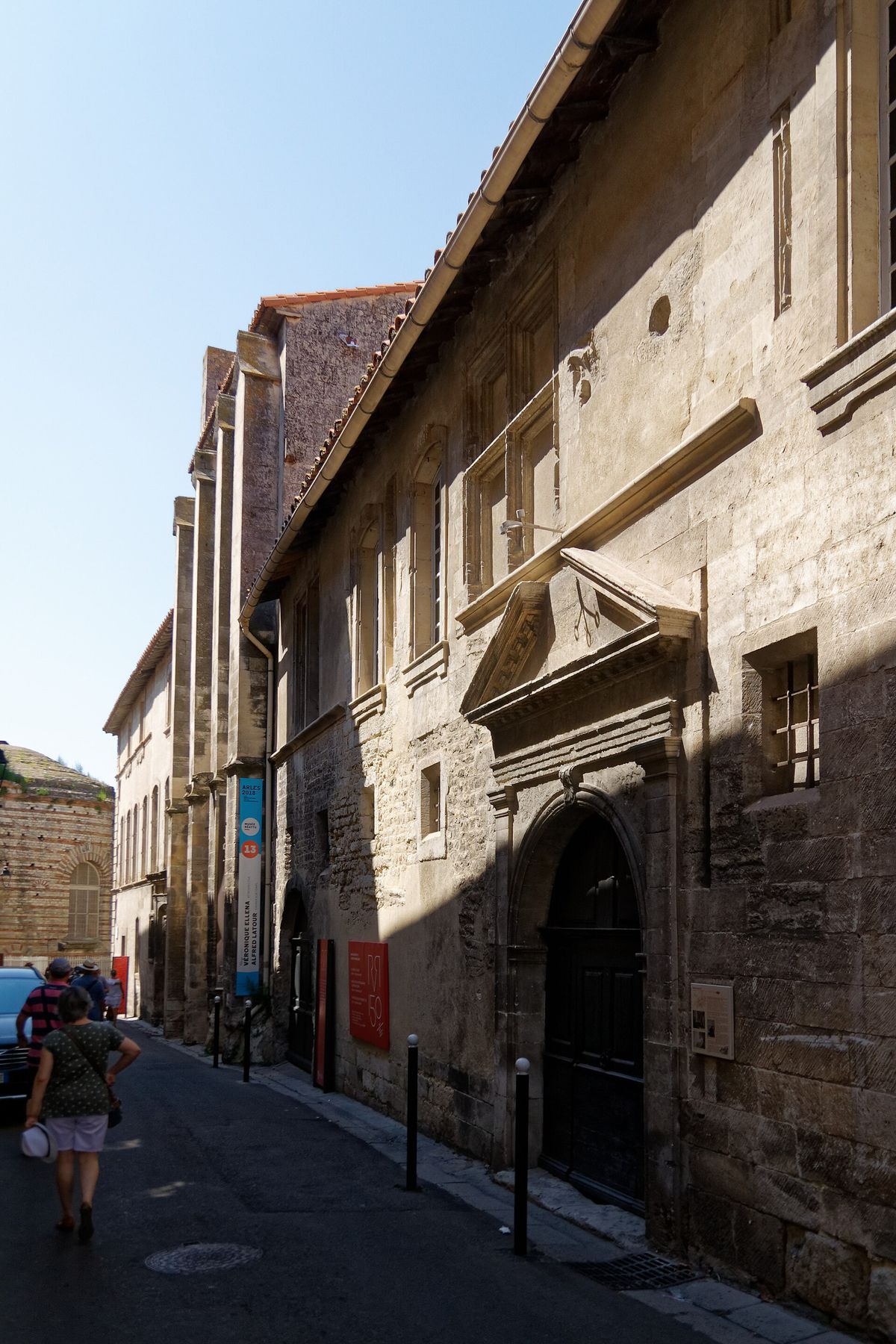
On 9 July 2026 the French artist Jean-Marc Bustamante opened the Fonds Bustamante in the former Église Sainte-Croix in Arles, a twelfth century building restored by the architect and designer Charles Zana. The opening was timed to the Rencontres d'Arles and marked an anniversary: his first participation in that festival, and his first exhibition at the musée Réattu. The inaugural show, "Bustamante en Miroirs," runs to the end of October.
The institution states three purposes. They are worth reading in the order the founder gave them, because the order is the argument.
The first is "de pérenniser l'œuvre et les archives de Jean-Marc Bustamante en les réunissant en un seul lieu et en les rendant accessibles au plus grand nombre." To perpetuate the work and the archives, gathering them into a single place and making them accessible to as many people as possible.
The second is to support new work through a demanding programme across generations and media, video to installation, photography to music, painting to sculpture, "en mettant en lumière des récits méconnus et en réexaminant certaines lectures de l'histoire de l'art." Bringing unknown narratives to light and re-examining certain readings of art history.
The third is "de prolonger l'engagement pédagogique de l'artiste" through masterclasses, lectures and encounters. To extend the artist's teaching, which is not an abstraction in his case: he formerly directed the École nationale supérieure des Beaux-Arts in Paris.
The three verbs
Pérenniser. Soutenir. Prolonger. To make perpetual, to support, to extend.
Every one of them is a verb of continuation, and continuation is a relation to an interruption. To perpetuate something is to hold it past a point at which it would otherwise stop. The document names the holding with precision and never once names the stopping.
The press release runs to sixteen hundred words. It does not contain the words succession, héritage, legs, or après. It does not describe what the institution is for in the year when its founder is not there. The word pérenniser carries the entire weight of that question, and it carries it by implication.
This is not an evasion and it should not be read as one. It is what the language available to a living artist permits. An institution that announced itself as the place where the work will be kept after its founder's death would be a mausoleum on its opening day, and nobody would visit an exhibition inside it without reading the show as a rehearsal. The founder is seventy-three, he is working, and the building has two exhibitions a year planned. The only tense in which such an institution can describe itself is the present continuous.
So the instrument does the work and the language declines to. That gap is the subject here, and it is not particular to this foundation. It is the standard condition of every arrangement humans make for objects that will outlast them.
Two accounts of the same institution
There is a smaller discrepancy worth recording, because it changes what a reader concludes.
The foundation's own English pages describe it as a place of creation, reflection and transmission, a space where works can be looked at and thought about and put into relationship freely. Exhibitions, projects, encounters. Read alone, that is an account of a working art space and nothing more.
The French press release leads with the archive. Perpetuating the work is the first of the three axes, stated before the programme and before the teaching.
Both are the institution's own words. The English version is not wrong; it is the second and third axes without the first. A reader who arrives in English is told about a venue. A reader who arrives in French is told about a repository that also runs a venue.
This study was nearly written on the English reading. The correction came from opening the French document, and the difference between the two accounts is the difference between a programme and a plan.
What the second axis actually claims
The middle purpose is the one that would be easiest to pass over and is the most unusual thing in the document.
The institution holding the artist's archive also proposes to re-examine certain readings of art history and to bring unknown narratives to light. That is a curatorial mandate, and it sits in the same building, under the same governance, as the collection of the founder's own work.
An artist has built the instrument that will interpret him, and given it a remit that extends beyond interpreting him. There is a supervisory council and a scientific committee of art historians, museum directors and curators, so the arrangement is not naive. But the structural fact stands: the archive and the argument about the archive will share an address.
Whether that produces the most informed reading of the work or the most protected one is not knowable from a press release, and this study does not claim to know. It is the question a researcher should hold when the first scholarship on Bustamante comes out of Arles.
What a foundation settles, and what it does not
An artist foundation settles the physical question completely and the interpretive question not at all.
It settles location. The work and the archives are in one building rather than dispersed across storage, dealers, estates and heirs, which is the ordinary fate and the one that makes later scholarship expensive or impossible. It settles access, at least as an intention. It settles maintenance, for as long as the funding holds.
It does not settle what the work means when the person who could say is gone. It cannot. No instrument can, and the ones that try produce the airless institutions that everyone recognises and few visit.
The most it can do is keep the material together and in reach, so that the question stays askable. That is a modest description of a considerable achievement, and it is what the first axis actually promises when you read it closely: réunir and rendre accessibles. Gather, and make reachable. Not fix, not settle, not determine.
The general condition
Most objects have no foundation, and almost nothing has a document like this one.
An artist of standing, at the end of a long career, with a building and a committee and a mayor at the opening, can construct an arrangement in which the question of what happens next is at least addressed by implication. The overwhelming majority of made things pass to whoever is nearest when the maker stops, with no instrument, no statement of intent, and no record of what was meant. Provenance will record who held them. Nothing will record what was supposed to happen.
Objects of Affection Collection issues a Custodian's Contract that binds obligations to the object rather than to the transaction, and it contains no succession clause. That is a gap in our own instrument and it is named here because the omission is the same one: it is easier to specify what a holder owes today than to specify what happens when there is no holder. The Fonds Bustamante is the largest and best resourced version of an arrangement that almost nothing else has in any version at all.
The founder of this institution asked, in a document about what a collection is for, what an object is when there is nobody left to love it. A foundation is the most concrete answer available to that question, and this one answers it in the only grammar a living artist can use.
Pérenniser. To make it last. The document does not say past what, and everybody reading it knows.