
The Architecture of Intent
A Critical Lexicon
This collection of studies is the intellectual architecture of Post-Luxury Conceptual Functional Art (PLCFA).
The true artistry of this Maison resides not in the finished form, but in the rigorous thinking that precedes it. These essays serve as the conceptual foundation for PLCFA, using a critical lens to interrogate cultural phenomena, art history, and consumer paradigms—analyzing everything from the ephemeral spectacle of luxury to the pure architectural rigor of abstract principles.
This is an invitation into the workshop of the mind. By sharing this process, we validate the necessity of a new category of value and invite you toward a well-considered life, one founded on true craft, uncompromising narrative, and durable meaning.
New to PLCFA? Begin with Essential Reading below.
Exploring a specific area? Navigate by category.
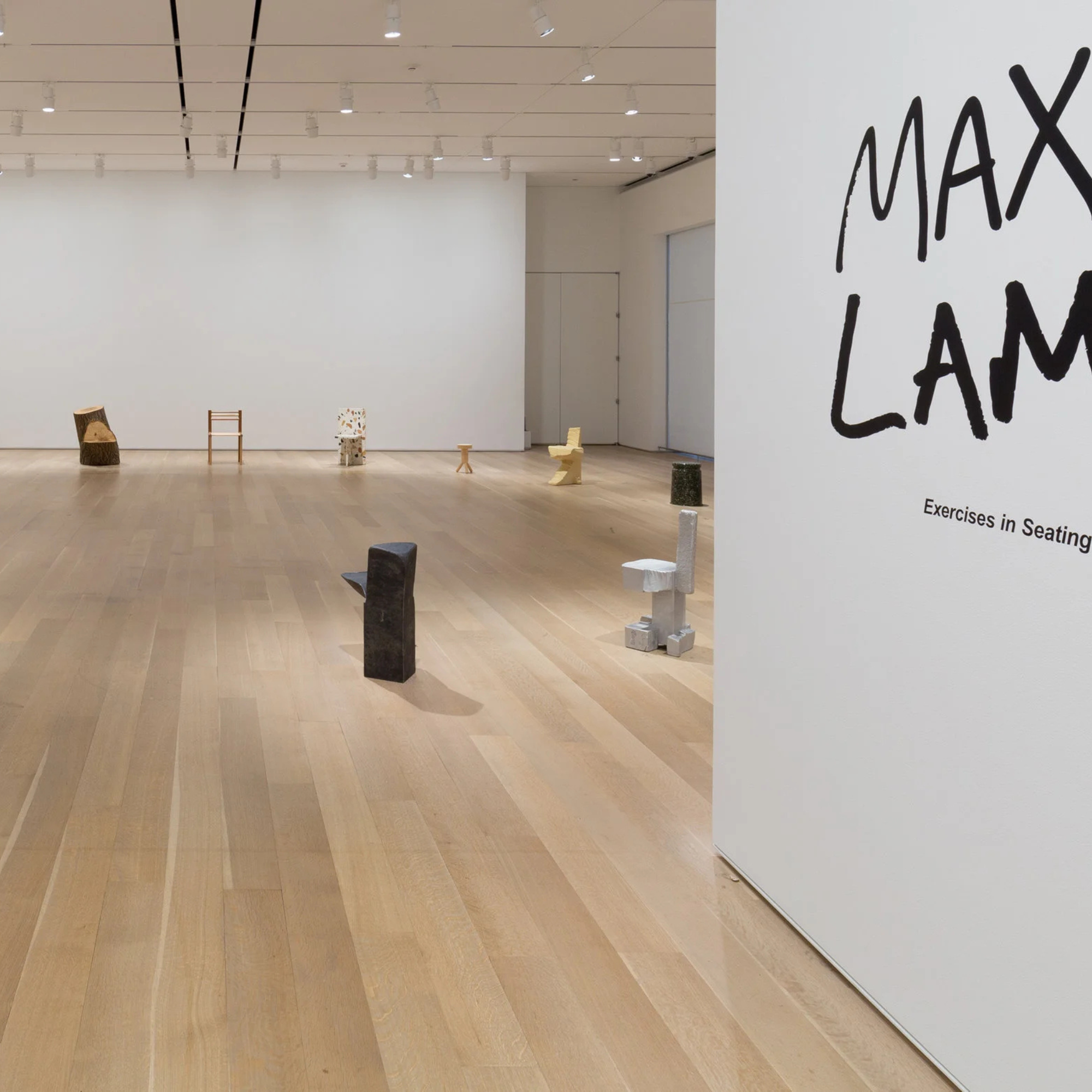
Max Lamb Furniture, Stone Chairs, and Pewter Stools: What His Work Actually Means in the Age of Digital Smoothness
Max Lamb furniture has become shorthand for stone chairs, pewter stools, and a stubborn refusal of anonymous smoothness. Yet most coverage of the Cornish designer stops at the photogenic surface: the quarry block, the beach cast, the rough grain, the monolithic silhouette. This study argues that Lamb matters for a deeper reason. Across Deep Materiality, Legibility of Labor, Material as Story, Functional Endurance, and Anti-AI Crafting, Lamb transforms furniture into a visible record of extraction, resistance, and bodily decision. His work demonstrates that process is not a backstage condition of design but its philosophical center. The beach-cast Pewter Stool, the marble and granite quarry chairs, the cleft and split timber works, and the long serial archive of Exercises in Seating all refuse the fantasy that value resides in digital polish, automated reproducibility, or seamless finish.
To understand why Max Lamb matters now, one has to place him inside the broader cultural conflict over smoothness. We occupy a late-modern condition in which the object is expected to arrive already perfected, already frictionless, already optimized for image circulation. Lamb’s work rejects that mandate with unusual elegance, without retreating into nostalgia. He is best understood as a diagnostician of process visibility. When a production system becomes too sealed, too templated, or too automated to reveal where human judgment entered, Lamb deliberately reroutes it—through hand-carving, improvised molding, splitting, or personal prototyping. Seen through the PLCFA framework, value becomes most credible when it migrates away from frictionless finish and back into the visible relation between material, method, and maker. Lamb’s furniture insists, even in luxury contexts, that form must still answer to the world that made it.
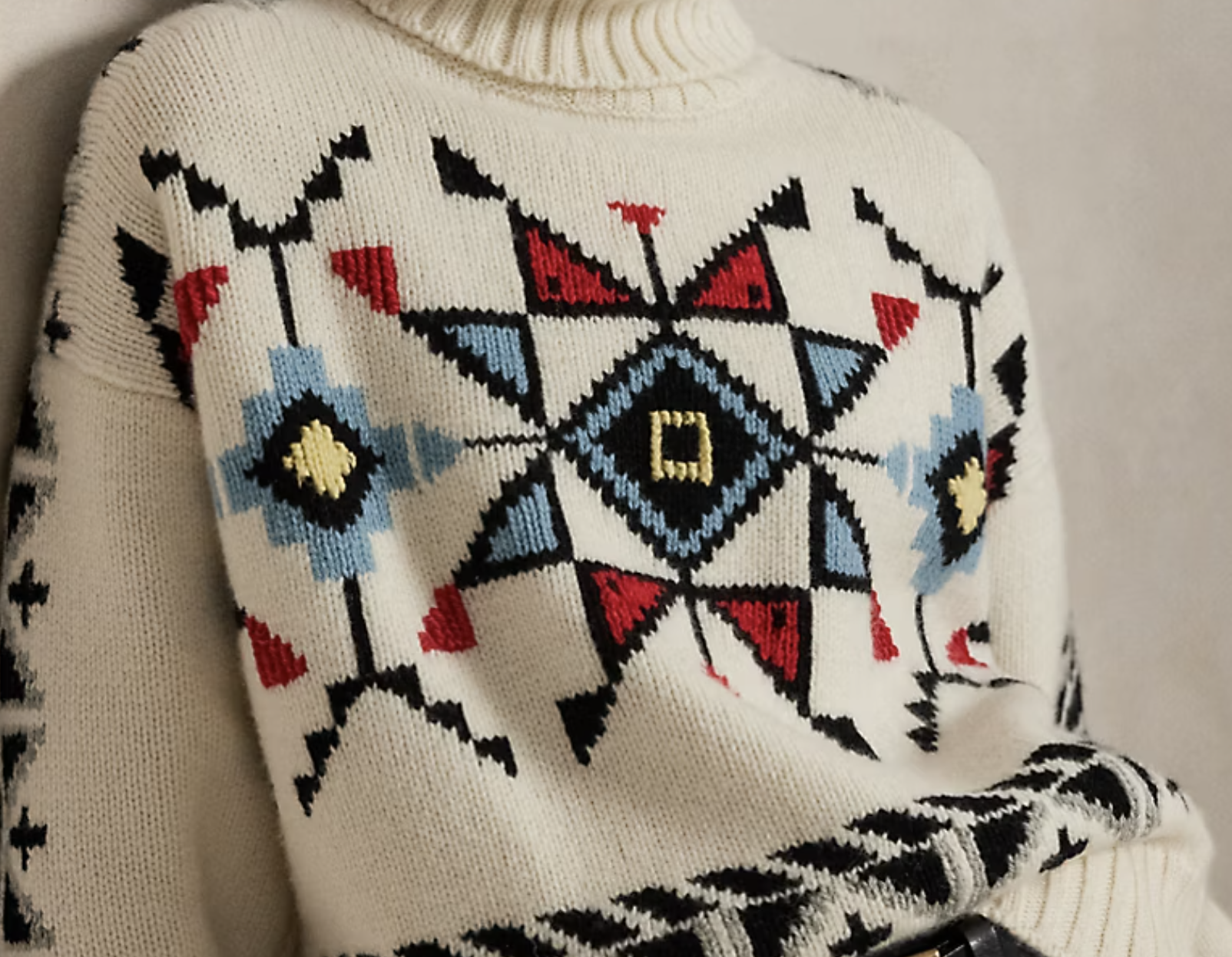
The TÓPA Intervention: A PLCFA Matrix Analysis of Moral Weight and Functional Endurance in the Polo Ralph Lauren Sphere
In the contemporary luxury landscape, value is often trapped in the Zero-Sum Pivot—a recursive economic loop where capital exchange generates no new cultural value, only the redistribution of existing status markers. The luxury object risks becoming a mere token of access, suffering from Semantic Decay if its cultural signifiers are hollow or severed from their source. The PLCFA (Proprietary Luxury Critical Functional Analysis) Matrix posits that true luxury requires Functional Endurance, defined not just as material durability but as the durability of the meaning encoded within the object. The TÓPA collaboration, framed within the Polo Ralph Lauren Sphere, demands rigorous interrogation because it attempts to rupture this zero-sum logic by moving from the performative representation of heritage to a verifiable index of Moral Weight Per Material (MWPM).
The investigation must determine if this collaboration represents a genuine pivot toward Design with Intent, or if it is merely the Spectacle absorbing its critics, a phenomenon explored in The Missing Mass. By explicitly grounding its aesthetic in Oceti Sakowin cultural craft and tethering its economic output to the Thunder Valley CDC’s Lakota Language Initiative, the project provides a measurable case study in MWPM Maximization. We dissect the material bifurcation—from the mass-produced Intarsia Knit to the high-MWPM Hand-Beaded Accessory—to evaluate how the collaboration directly converts consumer capital into crucial cultural capital, achieving a Functional Luxury Object that sustains the very culture it celebrates.