
The Architecture of Intent
A Critical Lexicon
This collection of studies is the intellectual architecture of Post-Luxury Conceptual Functional Art (PLCFA).
The true artistry of this Maison resides not in the finished form, but in the rigorous thinking that precedes it. These essays serve as the conceptual foundation for PLCFA, using a critical lens to interrogate cultural phenomena, art history, and consumer paradigms—analyzing everything from the ephemeral spectacle of luxury to the pure architectural rigor of abstract principles.
This is an invitation into the workshop of the mind. By sharing this process, we validate the necessity of a new category of value and invite you toward a well-considered life, one founded on true craft, uncompromising narrative, and durable meaning.
New to PLCFA? Begin with Essential Reading below.
Exploring a specific area? Navigate by category.
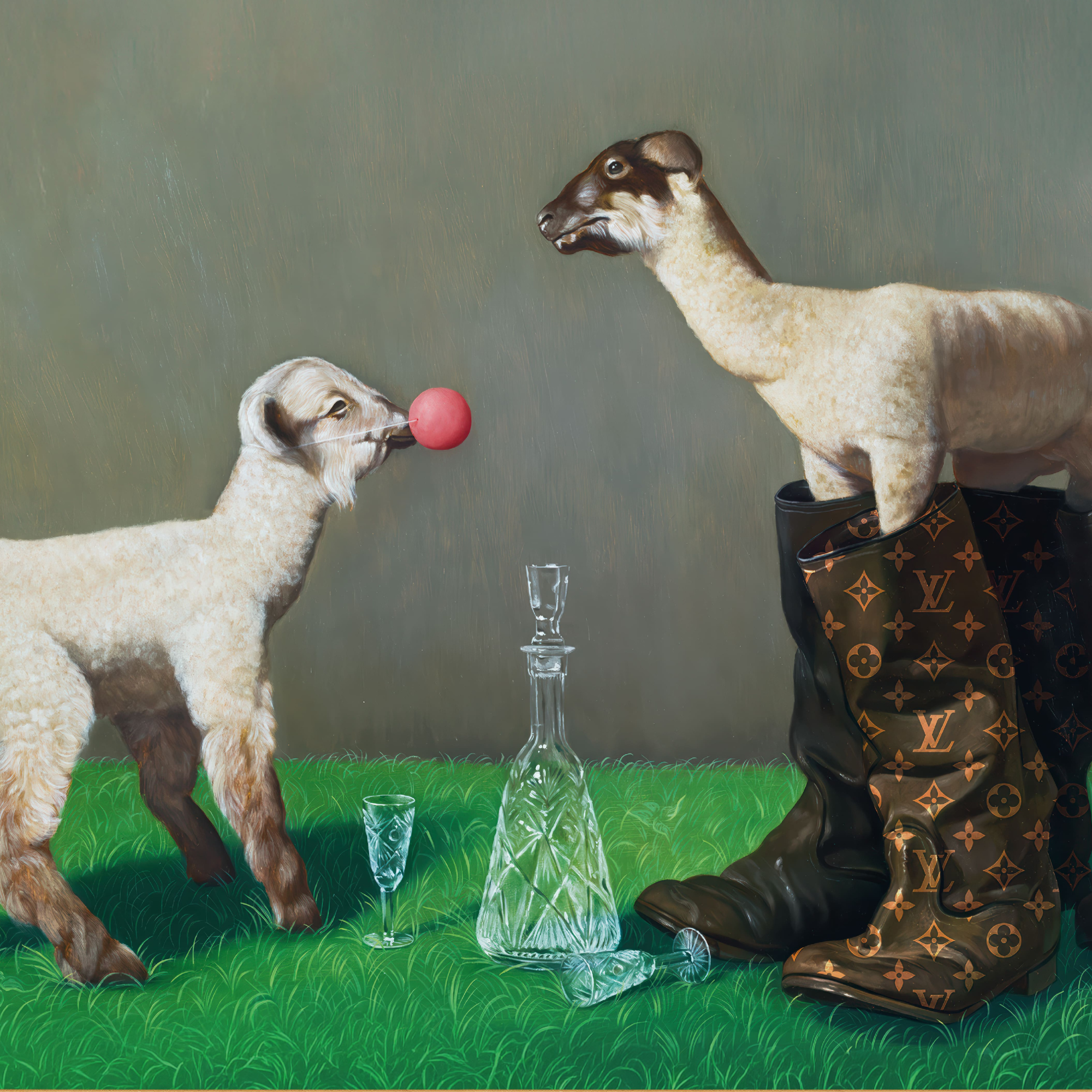
THE AURA TRANSACTION: On Louis Vuitton’s Super Nature, Nazar Strelyaev-Nazarko, and the Ethicsof What Gets Absorbed
On the evening of March 10th, 2026, the Cour Carrée of the Louvre became a fabricated mountain range where Louis Vuitton models climbed through the mist wearing hand-painted lambs in boots. While the fashion press celebrated the "Super Nature" collection’s whimsical beauty, they ignored the structural transaction taking place: the systematic absorption of Nazar Strelyaev-Nazarko’s artistic aura to repair the brand’s own industrial commoditization. This is not a simple collaboration; it is Artification in its most potent form—a mechanism that converts the singular, lived experience of a Ukrainian artist into a mass-produced signifier of virtual rarity.
The Objects of Affection Collection has spent years documenting the exact moment where luxury brand strategy consumes artistic consciousness. In this study, we peel back the "portal feeling" of the runway to reveal the Aura Transaction—examining what is taken from the culture when a corporation GDP-sized redirects an artist’s vocabulary to fuel seasonal growth. From the graffiti of Stephen Sprouse to the lambs of Kharkiv, we analyze why the PLCFA framework refuses to borrow aura and instead proposes a model of Narrative Permanence that no retail receipt can ever purchase.
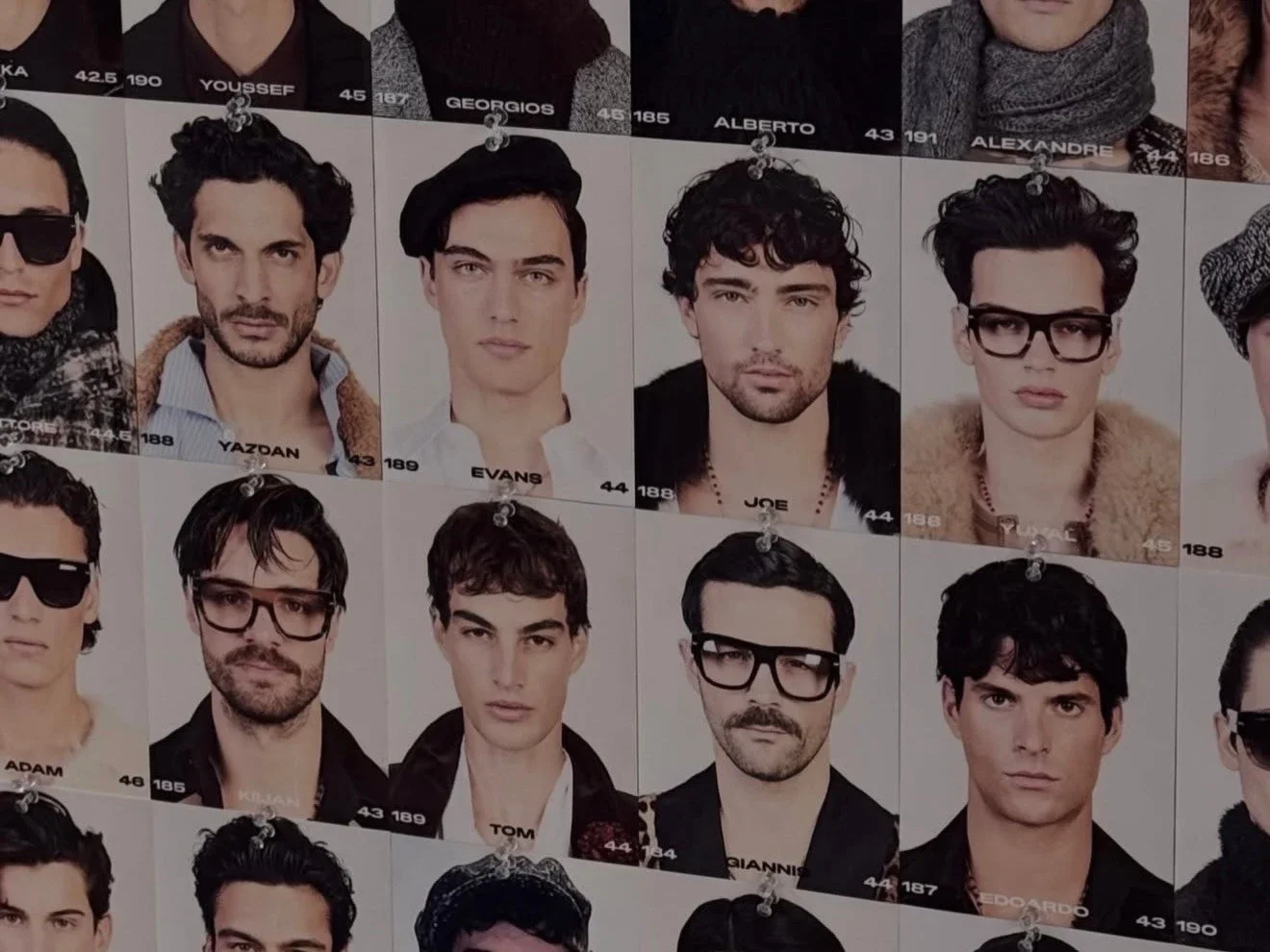
The Homogenized Portrait: Eurocentrism and the Myth of Universality at Dolce & Gabbana
The friction between the advertised promise of Dolce & Gabbana’s Fall/Winter 2026 collection and its visual delivery offers a masterclass in semiotic dissonance. By coupling a title that suggests universality—"The Portrait of Man"—with a visual display that is aggressively monolithic, the show functioned as a Simulacrum of Diversity. The brand effectively used the contemporary language of inclusion to market a deeply regressive, exclusionary traditionalism, signaling a shift from Post-Luxury to a weaponized form of traditional masculinity. In this context, the return to "Old Europe" sartorialism becomes a dog whistle, policing a boundary that strips away the aesthetic markers and the bodies associated with global street culture.
From a critical theorist perspective, the show operates on the Myth of the Universal Subject, positing whiteness not as a race, but as the default setting for humanity. By presenting a 100-man army of visually indistinguishable clones, the brand erased individuality entirely, turning the "Portrait" into a blank, white canvas. Ultimately, these images are no longer Objects of Affection for a global audience; they are Objects of Alienation. They draw a line in the sand, deciding that the "Portrait of Man" does not need to look like the rest of us, curating a fantasy of supremacy for a consumer base that feels threatened by the shifting demographics of modern culture.

The Simulacrum of the Copy: Aritzia's 'Dupe' Trademark and the Legalization of Hyperreality in Global Fashion IP
The fashion industry has officially entered the hyperreal condition. Aritzia's aggressive move to trademark the phrase "Aritzia Dupe" is not a defense of its physical product, but an empirical, legal attempt to control the very language of imitation. This effort seeks to regulate the generated "real" that has emerged from digital discourse, where consumers openly celebrate the dupe as a "smart choice" that strips away exchange-value while retaining symbolic prestige. By appropriating the signifier of the copy, the brand effectively elevates the simulated item to a position of market authenticity, making the imitation the only legible truth about the product in the contemporary marketplace.
This legal maneuver fundamentally validates the critique outlined by Jean Baudrillard: the capacity to distinguish between the original and its representation has collapsed entirely. The brand has abandoned the traditional mandate to defend the material object, choosing instead to secure a proprietary claim over the imitation's signifier. This is the definitive endpoint of the Simulacrum—a structural acknowledgment that the economic and cultural significance of the copy now outweighs the material integrity of the original, forcing the legal system to affirm that the sign of the copy is a primary, source-identifying feature of the luxury brand.