
The Architecture of Intent
A Critical Lexicon
This collection of studies is the intellectual architecture of Post-Luxury Conceptual Functional Art (PLCFA).
The true artistry of this Maison resides not in the finished form, but in the rigorous thinking that precedes it. These essays serve as the conceptual foundation for PLCFA, using a critical lens to interrogate cultural phenomena, art history, and consumer paradigms—analyzing everything from the ephemeral spectacle of luxury to the pure architectural rigor of abstract principles.
This is an invitation into the workshop of the mind. By sharing this process, we validate the necessity of a new category of value and invite you toward a well-considered life, one founded on true craft, uncompromising narrative, and durable meaning.
New to PLCFA? Begin with Essential Reading below.
Exploring a specific area? Navigate by category.
Luxury Just Split in Two. One Half Will Survive.
The Homepage Excerpt: A Call to the Fissure
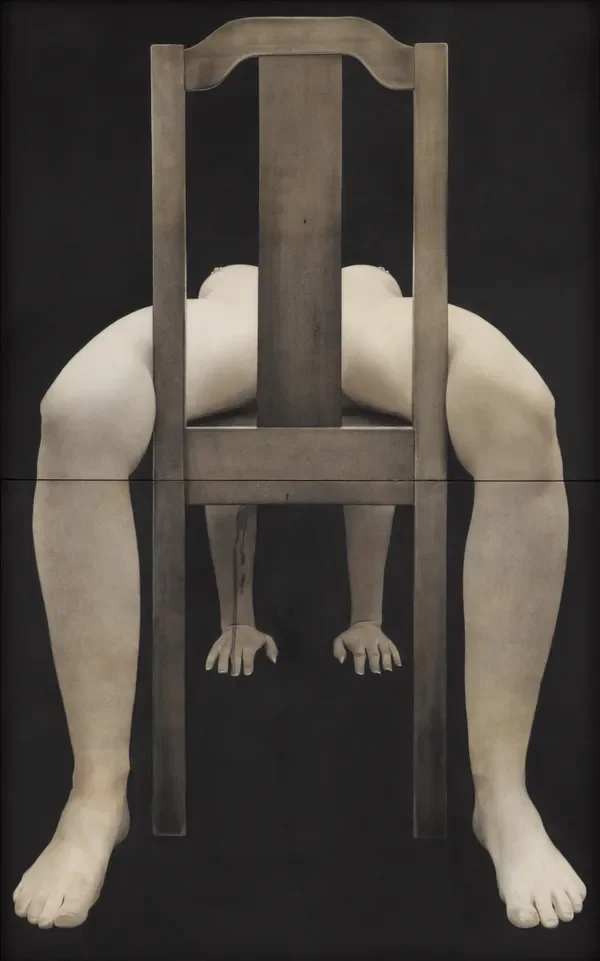
The global luxury market has reached a definitive Fissure Point. What mainstream discourse mischaracterizes as a "selective recovery" is, in truth, a structural bifurcation—a decisive and irreversible split between the spectacle of the screen and the weight of the world. As Milan Design Week 2026 concludes, the architecture of aspiration has hit the wall of its own emptiness. Capital is no longer merely seeking growth; it is fleeing the "Hollowed Object"—those artifacts optimized for algorithmic visibility but devoid of material soul—and migrating toward a new canonical safety defined by what OAC theorizes as Material Singularity.
In this landmark study, OAC’s intelligence architecture diagnoses the three persistent theoretical gaps currently fracturing the industry: the illusion of transparency in digital passports, the sensory high of AI-generated environments, and the unearned calm of "warm minimalism." By interrogating the field records of practitioners like Benni Allan and Saskia Colwell, we reveal the structure that remains when the spectacle burns through its inventory. The Fissure Point is not a crisis; it is a confirmation. In a market finally hit by the reality of its own hollow manufacturing, only the objects carrying a true Custodian’s Contract will survive the migration.
The Architecture of Absence: How Hermès Transformed La Pelota into the Most Precise Western Implementation of Ma Seen This Year
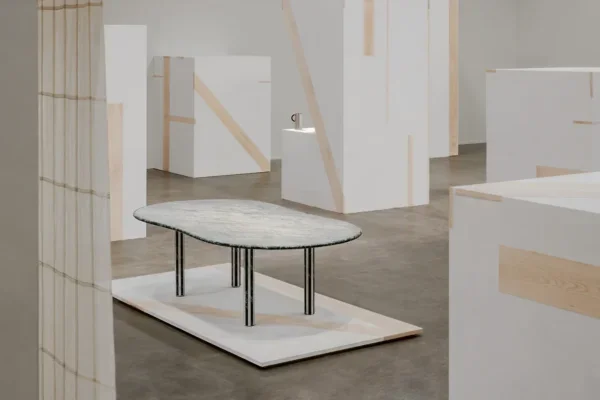
Every year, Milan Design Week produces one installation that the rest cannot replicate, and every year it is Hermès at La Pelota. For 2026, Charlotte Macaux Perelman and Alexis Fabry deployed plaster and beechwood volumes across the former Basque sports court in a loose grid — low blocks, raised elements, objects perched atop plinths as coordinates on a spatial map. The press called it a city of objects. OAC calls it something more precise: the most disciplined Western implementation of ma — the Japanese philosophy of productive emptiness — seen in any luxury presentation this year. Ma (間) is not minimalism. It is the recognition that the space between things is doing as much work as the things themselves. Hermès did not simply reduce. It constructed an argument out of absence, and that argument is what every other house at Salone could not make.
This study deploys the PLCFA framework to diagnose exactly how the architecture of the La Pelota installation functions as intellectual content rather than aesthetic preference — reading the grid through the lens of Semantic Burden, Zero-Sum Aura, Ceremonial Energy, and the Custodian's Contract. It asks why a privately held house with no quarterly earnings pressure consistently makes the spatial sacrifice that disclosure of meaning requires, and what that sacrifice reveals about the objects it surrounds. The conclusion is structural: the La Pelota installation works not because Hermès understands restraint, but because it understands that emptiness has a load-bearing function. The space is not scenic. It is the proof.
Milan Design Week 2026 Guide: Best Exhibitions at Salone del Mobile, Fuorisalone, and Through the Eyes of Objects of Affection
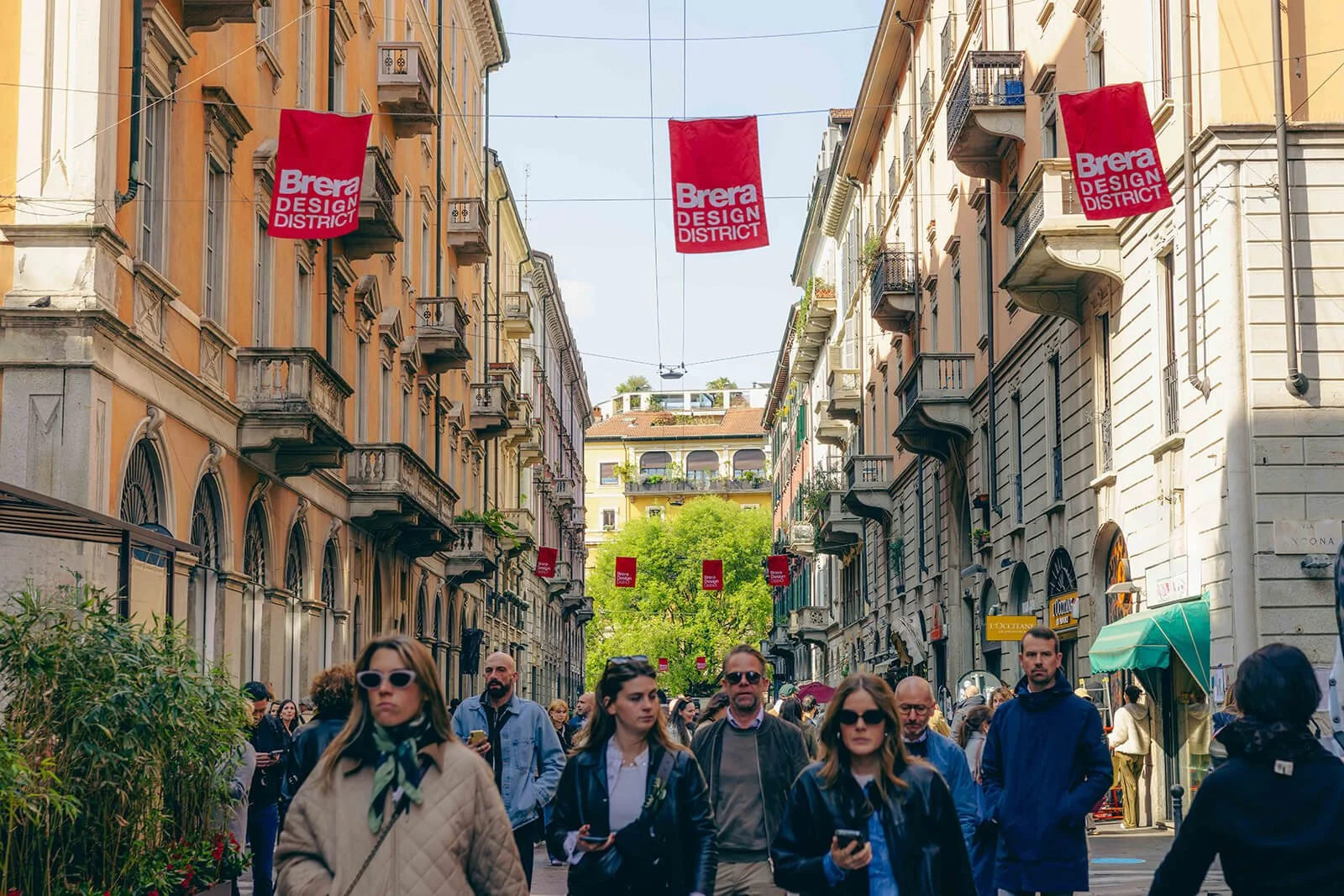
Milan Design Week 2026 arrives not as a celebration of novelty, but as a high-stakes investigation into whether an object can still carry meaning in an era of "frictionless" consumption. As the distinction between the industrial fairgrounds and the city-wide districts collapses, we are witnessing a profound market transition—from mass-manufactured décor to authored artifacts that serve as quiet witnesses to a composed life. This guide serves as the definitive protocol for navigating this shift, moving beyond the "Instagram trap" to find the rooms where material intelligence and ritual still endure.
Through the Objects of Affection lens, we dissect the essential stops that define this new landscape, from the debut of Salone Raritas to the immersive domestic archetypes of Nilufar. By prioritizing material seriousness over mere style, we have mapped a restricted itinerary through Brera, Alcova, and 5VIE that rewards attention rather than scale. For those seeking to understand how design constructs entire modes of being, this study provides the intellectual hinge required to separate branded noise from true cultural intent.