
The Architecture of Intent
A Critical Lexicon
This collection of studies is the intellectual architecture of Post-Luxury Conceptual Functional Art (PLCFA).
The true artistry of this Maison resides not in the finished form, but in the rigorous thinking that precedes it. These essays serve as the conceptual foundation for PLCFA, using a critical lens to interrogate cultural phenomena, art history, and consumer paradigms—analyzing everything from the ephemeral spectacle of luxury to the pure architectural rigor of abstract principles.
This is an invitation into the workshop of the mind. By sharing this process, we validate the necessity of a new category of value and invite you toward a well-considered life, one founded on true craft, uncompromising narrative, and durable meaning.
New to PLCFA? Begin with Essential Reading below.
Exploring a specific area? Navigate by category.
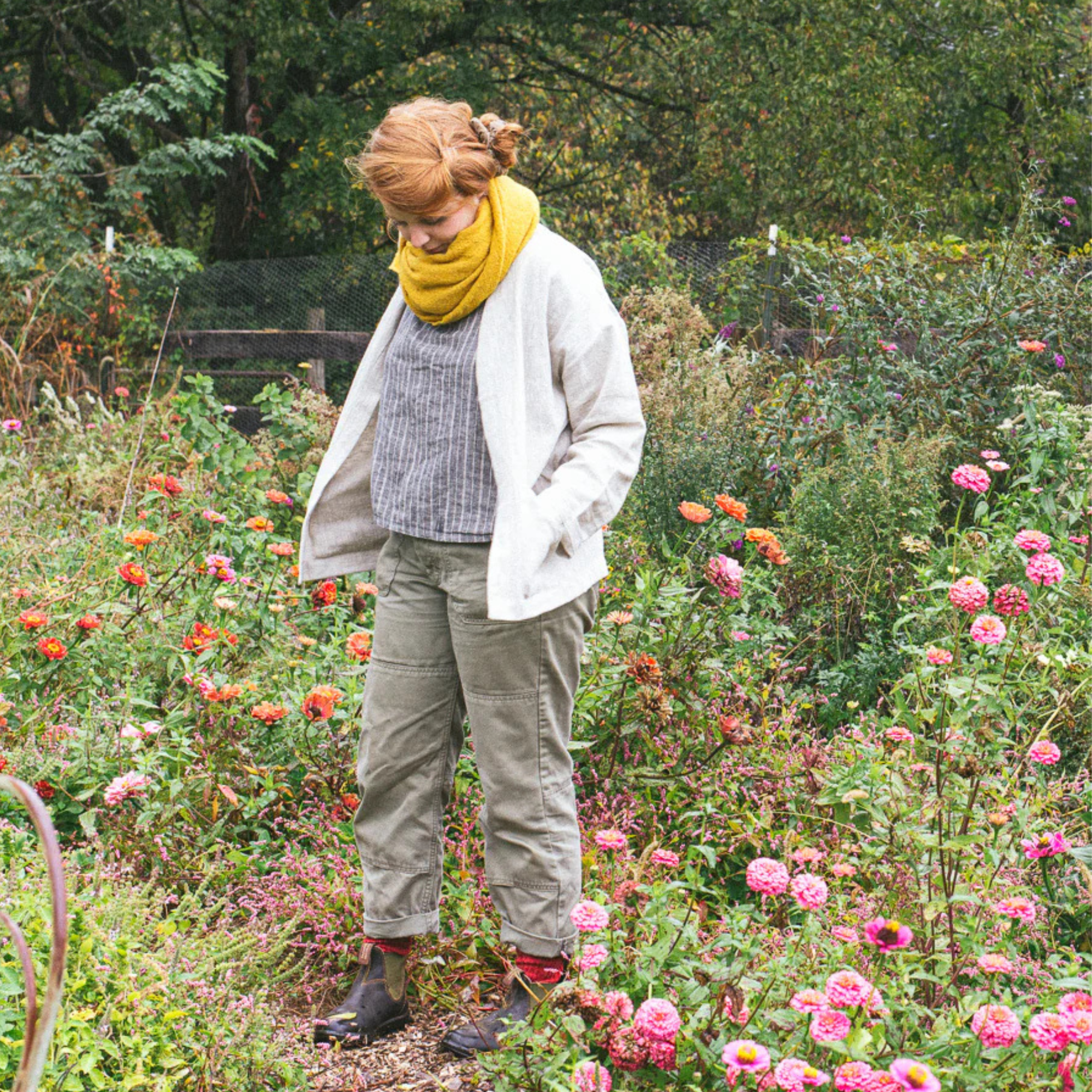
Eve Schaub Is Growing a Dress: What the Year of the Dress Actually Confirms About Labor Density, Slow Fashion, and the One Original Object
When the project gets covered, it gets covered in one sentence with predictable variations: a brave stand against fast fashion, a return to slow fashion, a lesson in where our clothes come from. The sentence is not wrong. It is simply the wrong altitude. It reads the dress as a message — a moral communication about consumption — when the dress's real significance is that it is an object with a particular internal accounting. The slow-fashion sentence treats the year of labor as a cost: the heroic price Schaub pays to make her point. The framework treats the year of labor as the product. This is not a rhetorical flourish. It is the entire difference between a virtue narrative and a theory of value.
A fast-fashion dress has near-zero labor density not because no one worked on it, but because the labor is industrialized, distributed, and deliberately erased — the seams are smooth precisely so you cannot read the hands. Schaub's dress is the asymptote at the other end. Every gram of its fiber passed through a single person's hands across a calendar year: sown, pulled, retted, scutched, hackled, spun off a drop spindle that "mostly sucks," warped, woven, cut, and sewn. The dress cannot be faked, accelerated, or velocity-ed into existence. A year is a year. The cost of intention is paid in real time, and the object holds the receipt.
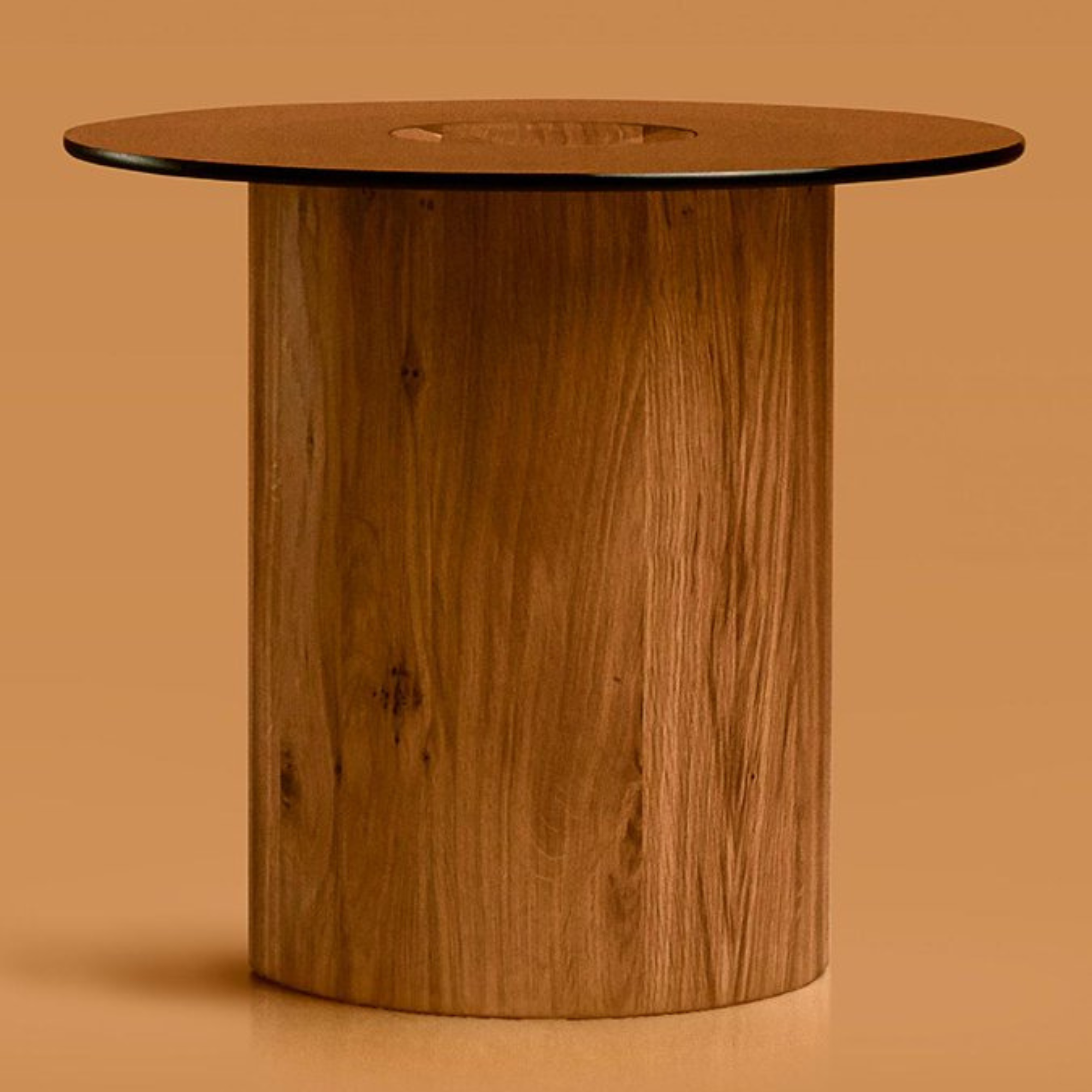
THE WEIGHT OF A THOUSAND YEARS
What if the future of design isn’t defined by what disappears, but by what endures? In an industry currently obsessed with the "graceful death" of biodegradable materials—mycelium leathers and algae foams—Joe Doucet and Bulgarian studio Oublier have proposed a far more radical intervention: an object that never needs to die. This study, produced through the critical lens of the Objects of Affection Collection (OAC), deconstructs the Columns collection as a structural counter-argument to planned obsolescence. By utilizing solid oak, natural leather, and horsehair—materials that accumulate value through a "Material Memory" of use—Doucet has crafted a millennial lifespan that challenges the very foundations of the mass-luxury market's economy of replacement.
To read this study is to confront the "Epistemology of Endurance" and the "Paradox of Forgetting" that defines Oublier’s practice. We explore how the visible hand-stitching and architectural economy of these pieces move beyond the photographic theory of value toward Regenerative Luxury—a model where an object’s biography is not an erosion of its worth, but an enlargement of it. From the 14th-century precedents of Exeter Cathedral to the legal frontiers of the Custodian’s Contract, this analysis reveals why the most sustainable act a maker can perform is the refusal of novelty. Discover why the Columns collection stands as a Spectacle-resistant artifact, proving that permanence is not a brand story, but a material commitment enforced by the weight of a thousand years.