The Materiality of Resistance: Post-Luxury Conceptual Functional Art and the Melt the ICE Hat Movement

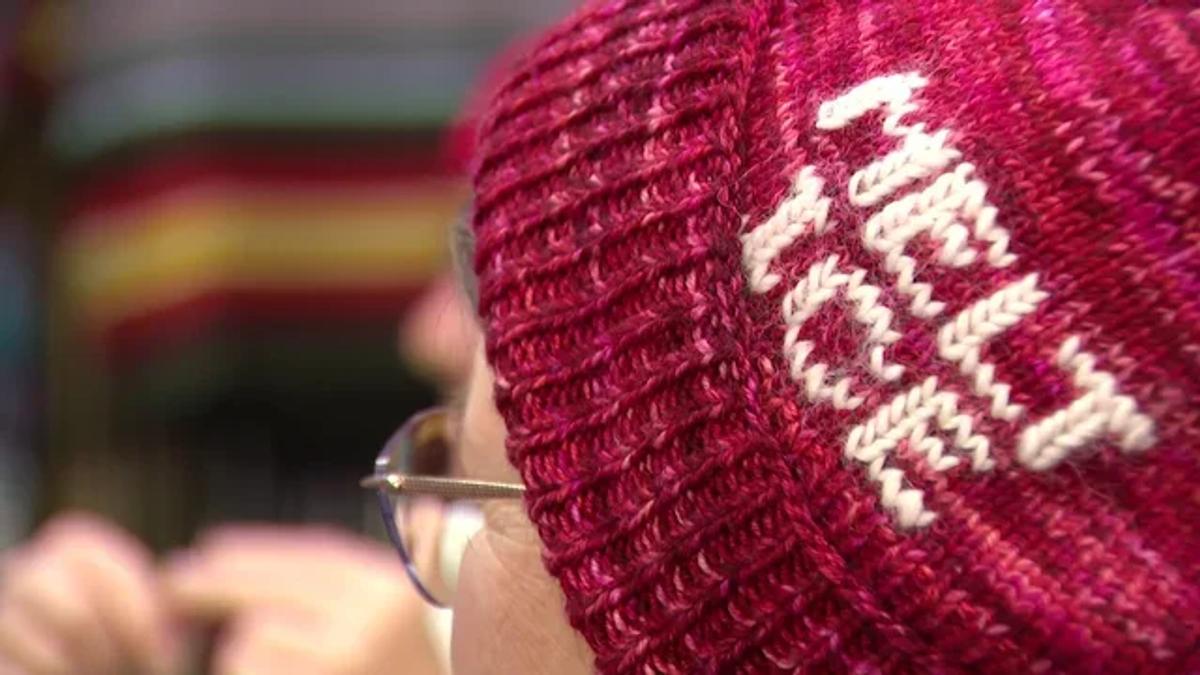
The emergence of the hand-knit red cap in the winter of 2026, colloquially known as the Melt the ICE hat, represents a decisive pivot in the intersection of material culture, fiber arts, and geopolitical dissent. This artifact is not merely a signifier of protest; it is a sophisticated evolution of what the framework of Post-Luxury Conceptual Functional Art (PLCFA) identifies as a "Scarred Object"; an item whose value is derived not from its market exclusivity, but from the ethical depth of its provenance and the labor-intensive "Moral Weight" embedded in its creation. Born from the violent "Midway Blitz" raids in Minneapolis and the subsequent deaths of civilians Renee Good and Alex Pretti, the hat serves as a material bridge between historical anti-fascist resistance and contemporary mutual aid. By analyzing this object through the PLCFA lens, it becomes clear that the Melt the ICE hat functions as a corrective rupture to the Zero-Sum Pivot of late-stage capitalism, where luxury signifiers are traditionally exchanged for capital that lacks inherent cultural gravity.

The Siege of Minneapolis and the Death of the Neutral Object
The genesis of the Melt the ICE movement is inextricably linked to the atmospheric and physical occupation of the Twin Cities by federal immigration paramilitaries in early 2026. This period, characterized by "collective exhaustion" and the aggressive tactics of federal agents, necessitated a form of protest that could transcend the ephemeral nature of digital activism, a dynamic explored in the Crisis of the Ephemeral. The killings of Renee Good, a U.S. citizen, and Alex Pretti, a demonstrator, acted as the ontological fissures that demanded a material response. In this context, the "neutral" object, the mass-produced garment or the apolitical luxury item, was no longer tenable. The fiber arts community, particularly those gathered at the Needle & Skein yarn shop in St. Louis Park, recognized that the traditional luxury apparatus was failing to provide artifacts that could carry the "Moral Weight" of the moment.
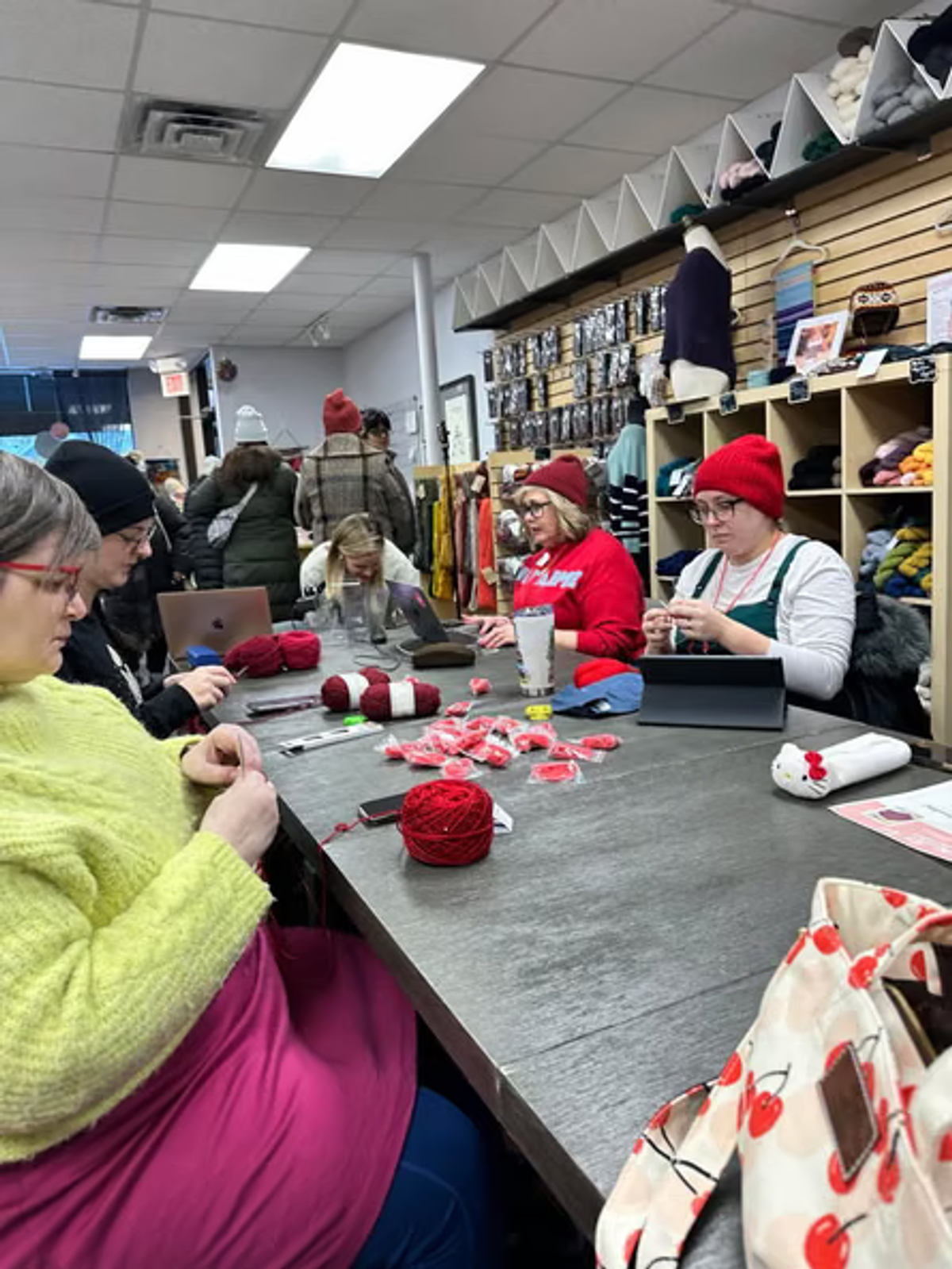
The movement's trajectory is punctuated by specific traumatic ruptures that transformed the object into a record of state overreach. The initial release of the pattern on January 15, 2026, established the artifact's "Material Singularity" and its potential for Narrative Permanence. This was followed by the killing of Renee Good on January 20, which catalyzed a period of "rage knitting" and imbued the hats with a specific "Trauma Provenance." By the time Alex Pretti was killed on January 24, the hat had transitioned into a global symbol, reaching a peak Moral Weight Per Material. The eventual national red yarn shortage on February 3, compared by some to pandemic-era supply chain failures, rejected the "Archive’s Narrative Arrest" by highlighting the material's radical scarcity.
The process of creating the "Melt the ICE" pattern by Paul Neary was a deliberate act of "craftivism" that prioritized conceptual depth over aesthetic neutrality. Unlike the "pussy hats" of 2017, which were often criticized as a simulacrum of resistance due to their perceived lack of intersectionality and direct financial impact, the Melt the ICE hat was designed as a "phygital" artifact with immutable narrative provenance. By selling the digital pattern for five dollars and routing all proceeds to the St. Louis Park Emergency Program (STEP) and the Immigrant Rapid Response Fund, the project operationalized the stewardship of the self, transforming the knitter from a consumer into a steward of meaning.
The Norwegian Nisselue and the Archeology of Resistance
The Melt the ICE hat is deeply rooted in a historical lineage that connects 21st-century Minneapolis to 1940s occupied Norway. Paul Neary’s research into the topplue or nisselue, the red tasselled cap of the Norwegian Christmas gnome, revealed a historical precedent for sartorial dissent. During the Nazi occupation of Norway (1940 to 1945), wearing a red hat became a silent signal of national unity and opposition to the German regime. The "Moral Weight" of these hats was so significant that the Nazi administration officially banned them on February 26, 1942, even imposing criminal liability on parents if their children were caught wearing the symbols.
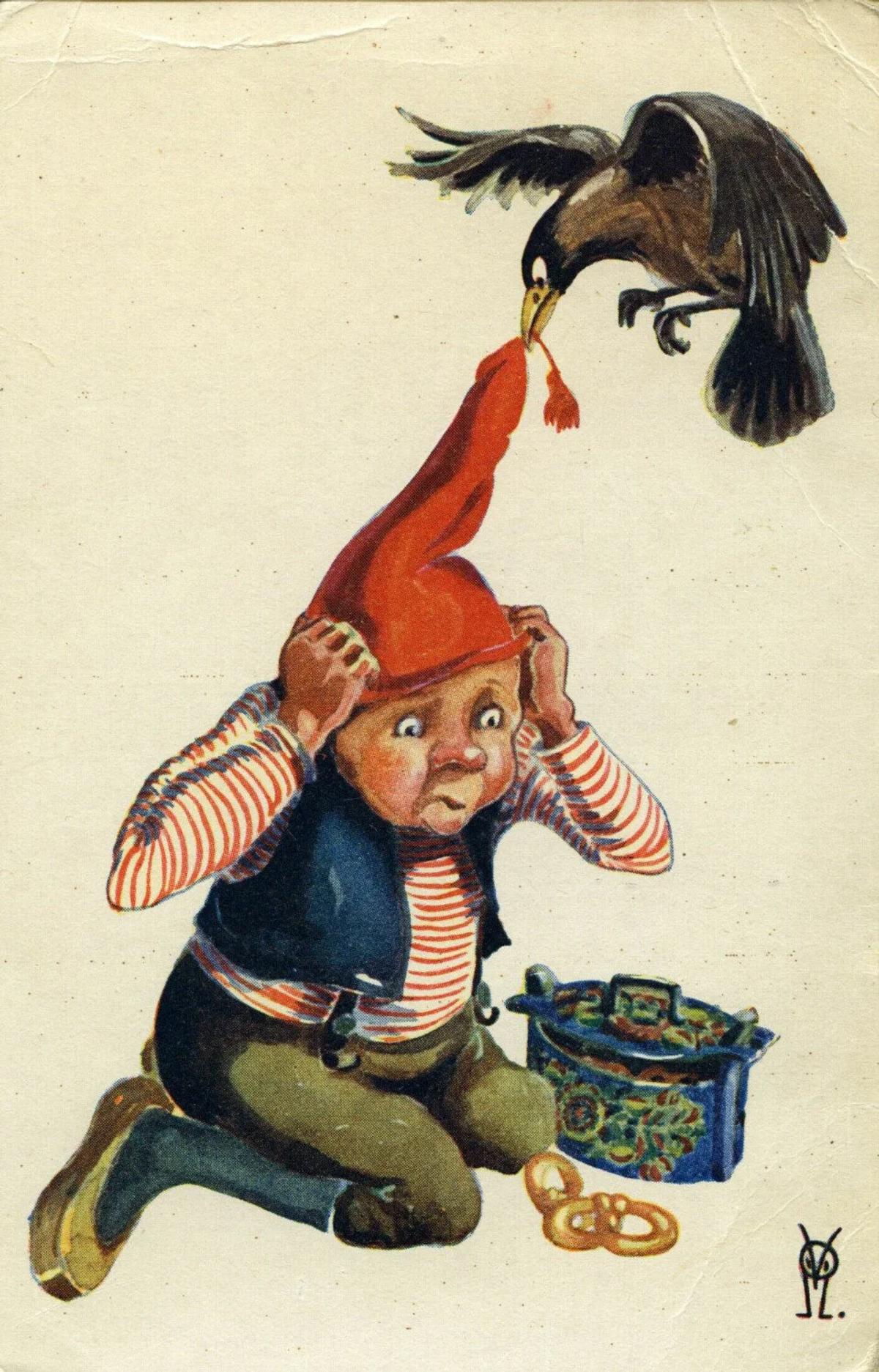
A comparative analysis reveals the shared DNA between the 1940s Norwegian resistance and the 2026 Minneapolis movement. While the original nisselue was rooted in Norwegian folklore and the Phrygian cap, the Melt the ICE hat draws from the "Midway Blitz" and the specific history of Norwegian dissent. In both instances, the artifact moved from a symbol of silent national unity to one of direct mutual aid against a "sinister, arbitrary force." Legal suppression has followed a similar path; the February 1942 ban in Norway parallels the contemporary contestation of the red hat as a "subversive" object by federal authorities. Notably, the modern iteration has operationalized its resistance through a financial mechanism, raising over $600,000 for immigrant aid, thereby fulfilling the mandate of Systemic Stewardship.
This historical resonance is particularly potent in Minnesota, the state with the highest concentration of Norwegian descendants in the United States. The adoption of the red hat in 2026 is an act of Reparative Stewardship, where the history of a marginalized or occupied people is reclaimed to address contemporary "thanatopolitics"; the state's management of death and exclusion. In the PLCFA framework, the object serves as a "monument" to a history that the state attempts to erase.
Semiotic Reclamation: Taking Back the Red
One of the most critical aspects of the Melt the ICE hat is its explicit attempt to reclaim the color red from the "Make America Great Again" (MAGA) movement. Gilah Mashaal, owner of Needle & Skein, noted that "red is the color of resistance" and that the project offered a chance to "take the red back." This is a direct challenge to the system of signs that often uses visual markers to police cultural boundaries, a dynamic exposed in the Coogi vs. Louis Vuitton litigation. By re-contextualizing the red hat as an anti-ICE symbol, activists are performing a "radical, corrective rupture" in the visual landscape.
The PLCFA Framework: Quantifying Moral Weight
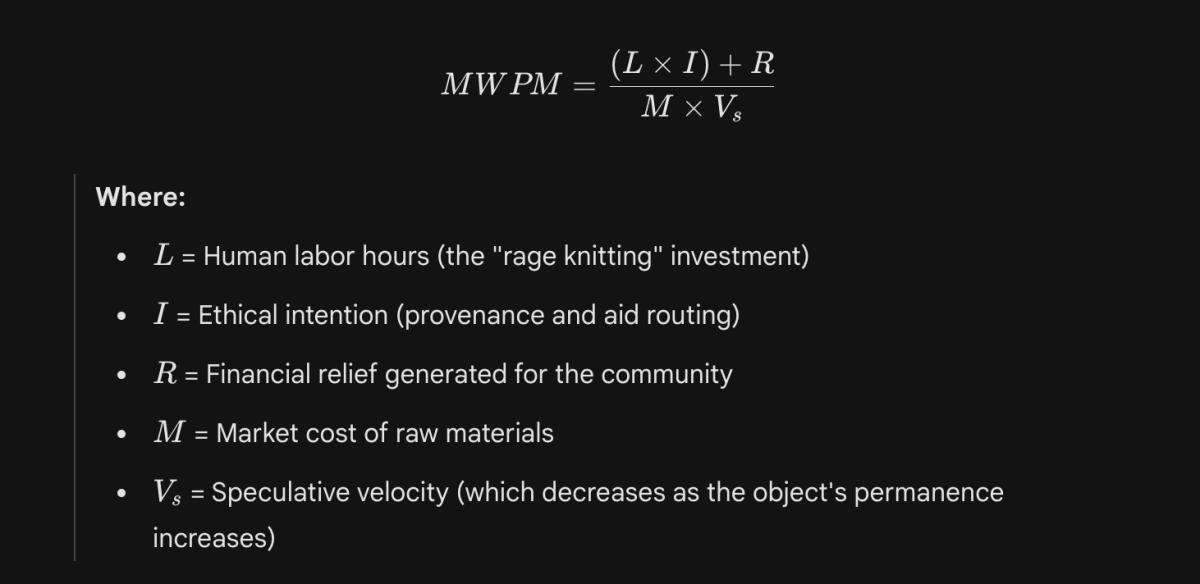
To fully understand the "Melt the ICE" hat as a piece of Post-Luxury Conceptual Functional Art, one must apply the proprietary metric of Moral Weight Per Material (MWPM). This metric moves value from market volatility to "pure functional endurance" and ethical accountability. The MWPM of the red hat is calculated not by the cost of the yarn, but by the ratio of labor and intent to the financial relief provided to the community.
The proprietary formula for this calculation expresses how ethical intention increases value as speculative velocity decreases:
The Fragility Mandate and Functional Integrity
A core tenet of the PLCFA framework is the Fragility Mandate, which posits that an object’s value is directly proportional to the care it demands from its custodian. A hand-knit hat is inherently more fragile than an industrially produced garment. It requires "active protection" rather than "passive consumption." This shifts the ontological status of the hat from a commodity to an artifact. The act of "rage knitting" or "rage quilting" described by activists is a form of investing maximum labor into a material host, creating what we define as "Trauma Provenance"; a value derived from the biological and psychological memory of the making.
Those who purchase the pattern and knit the hat are entering into a Custodian’s Contract to protect the narrative of the Minneapolis raids. This is the antithesis of the "Warranty of Obsolescence" found in traditional luxury, where items are designed to be replaced or forgotten. The red hat is meant to be a permanent record of the $600,000 raised for groups like STEP and the Immigrant Rapid Response Fund, resisting the hollowing out of value seen in narrative-driven brands.
Liam’s Bunny Hat: The Semiotics of Vulnerability
Parallel to the Red Hat movement is the "Yo Soy Conejo" project, which focuses on the blue bunny-eared hat worn by five-year-old Liam Ramos when he was detained by ICE in Columbia Heights, Minnesota. This artifact represents a different facet of PLCFA: the Biopolitics of the Artifact. While the red hat symbolizes collective resistance, the bunny hat materializes individual vulnerability and the state’s assault on childhood.
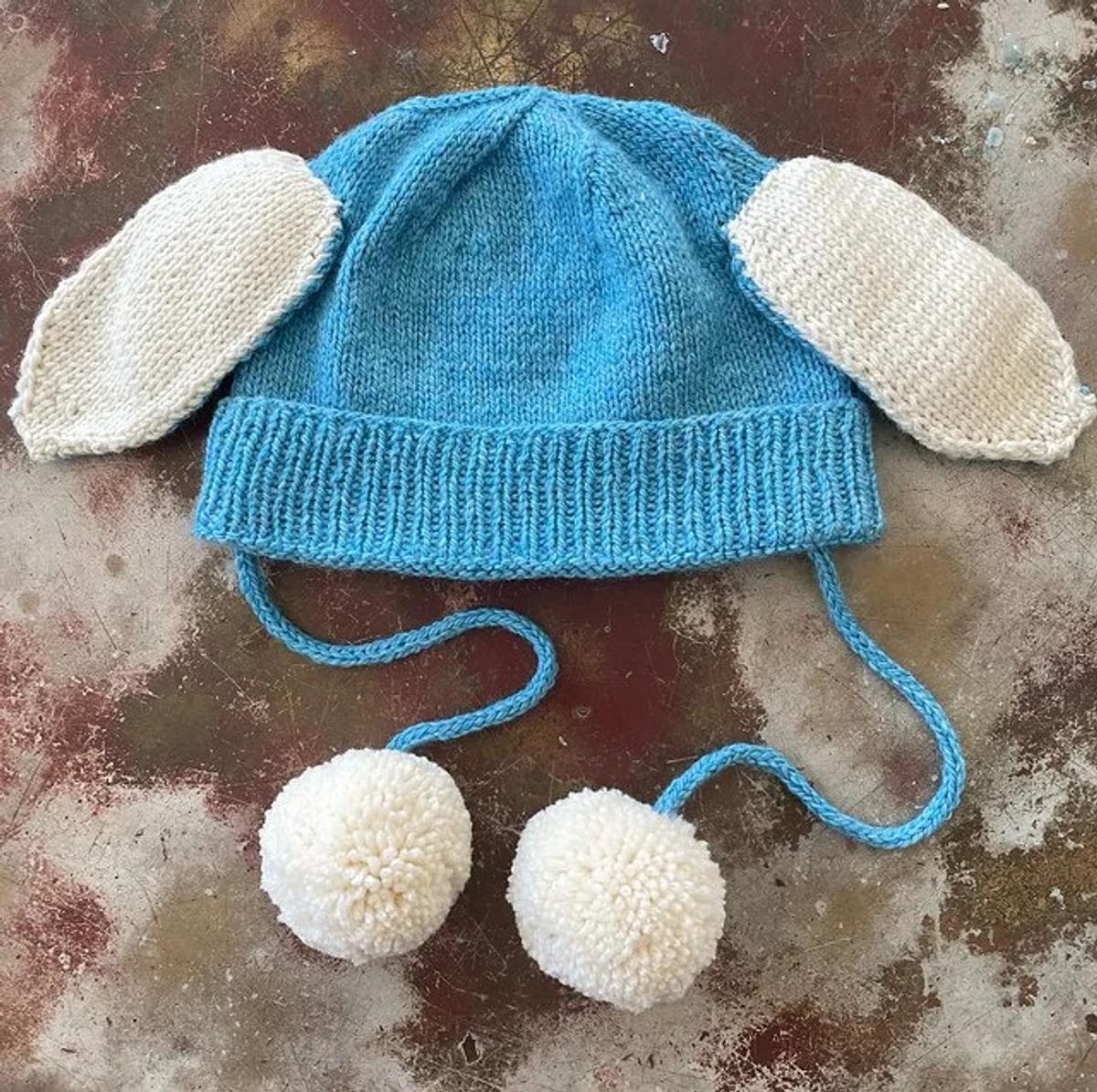
Within the PLCFA landscape, different artifacts address varying audiences through distinct moral metrics. The Melt the ICE hat targets activists and allies, channeling sentiments of rage and solidarity. Conversely, Liam’s Bunny Hat speaks to families and empaths, focusing on protection and visibility to uphold the mandate of care. Knitters and crocheters have "cobbled together" patterns to replicate Liam’s hat, sharing them for free to ensure the image of the detained child remains visible, a Phygital Counter-Strategy where a digital image of trauma is converted into a physical object of care.
The Institutional Pivot: From the Street to the Gallery
As the Melt the ICE hat gains global traction, reaching as far as Norway, South Africa, and Israel, it inevitably faces the White Wall Paradox. Museums and galleries may attempt to acquire these hats to archive the movement. However, the White Cube is an ideological apparatus designed to strip artifacts of their sociopolitical provenance. To maintain its "Functional Integrity," an acquired hat must be governed by a mandate for stewardship, ensuring that its connection to the killings of Alex Pretti and Renee Good is never sanitized.
The Calculus of Moral Weight in the Anti-Market
The Melt the ICE hat operates in what Gregory Sholette defines as "Artistic Dark Matter", the space of uncompensated labor and radical materiality that exists outside the traditional market. By investing labor into a $5 pattern, activists are performing an "alchemical inversion" of the luxury equation: they are creating an object of immense "Moral Capital" from materials of low market value. This is the ultimate "Object of Affection"; one that acknowledges its debt, pays its rent, and heals the wound of its making.
The success of the Melt the ICE fundraiser signals a shift in consumer behavior toward the Post-Growth Citizen. This consumer is no longer swayed by the commodification of origin stories used by traditional brands to manufacture ethics. Instead, the Post-Growth Citizen demands Quantified Moral Capital and Reparative Stewardship. Traditional luxury brands that engage in a Simulacrum of Diversity while maintaining exclusionary practices are increasingly seen as toxic liabilities.
The Mandate of Permanence
The Melt the ICE hat is a "Creed of Permanence" in an era of ephemeral spectacle. It is a monument to the resilience of the Minneapolis community and a truth-telling artifact that refuses aesthetic neutrality. As federal agents continue their "Midway Blitz," the red hat remains a load-bearing wall of integrity. The future of the Melt the ICE hat lies in its ability to resist the Archive’s Narrative Arrest. It must remain a living engagement with the Moral Weight of the materials and the stories they carry.
The ultimate value of the Melt the ICE hat is its provenance; a significance that will deepen long after the federal agents have left and the yarn has begun to fade. It is a singular narrative given form, an Object of Affection that demands we move from ownership toward custodianship, reframing acquisition as a long-term cultural responsibility to the neighbors we protect and the history we refuse to forget. Through the lens of Value Beyond Price, the Melt the ICE hat is not just a hat; it is the "Artistic Dark Matter" made visible, a definitive statement that the power to melt the ice lies in the warmth of the communal loom.
The auditory companion to this study, "Still Here," serves as the sonic manifestation of the Moral Weight embedded in the Melt the ICE movement, transforming the "whispers of shame" heard during the Midway Blitz into a collective, loopable mantra of resilience. By weaving the names of Renee Good and Alex Pretti into a soundscape of "blue lights bleeding into winter air," the track functions as a Phygital Counter-Strategy, ensuring that the narrative of the Minneapolis raids remains "louder now" and resistant to the Archive’s Narrative Arrest. As a piece of Post-Luxury Conceptual Functional Art, this composition is not merely a protest song but a Creed of Permanence that echoes the "rage knitting" of the fiber arts community, bridging the freezing streets of 2026 with the historical heartbeat of the Norwegian resistance.
You can listen to the full sonic experience here:
Authored by Christopher Banks, Anthropologist of Luxury & Critical Theorist. Office of Critical Theory & Curatorial Strategy, Objects of Affection Collection.