Green Claims, Greenwashing, & Luxury's Mycelium
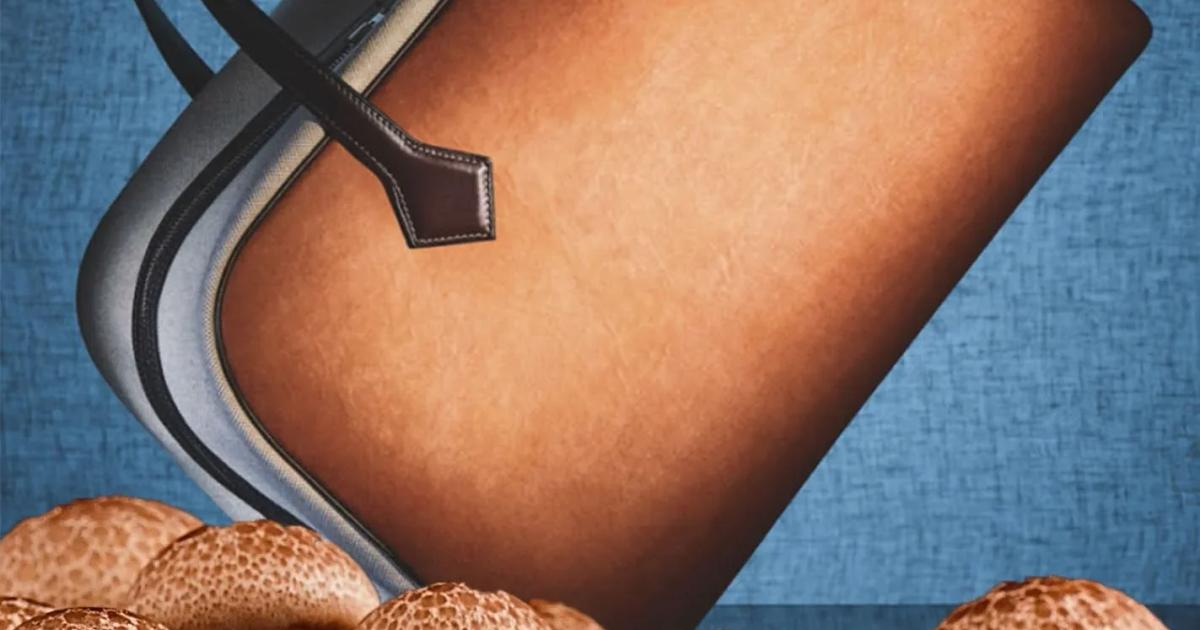
The contemporary landscape of global luxury is defined by a profound exhaustion, a terminal phase of late-stage capitalism in which traditional markers of prestige have succumbed to ontological sclerosis. In this era of the Zero-Sum Pivot, where capital is frantically exchanged for signifiers that lack inherent cultural gravity, the announcement of the Hermès Victoria bag (reimagined through the lens of Sylvania, a material derived from MycoWorks’ Fine Mycelium) emerges as a critical site of semiotic and material contestation. This initiative represents a highly sophisticated maneuver within the hyperreal economy, where the sign of sustainability achieves a greater potency and market velocity than the reality of ecological restoration itself. By dissecting this collaboration through the lens of the simulacrum and the proprietary framework of Post-Luxury Conceptual Functional Art (PLCFA), one can determine whether this mycelial turn constitutes a radical rupture in extractive logic or merely a refined iteration of the Spectacle of Dissent.
The Biotechnology of the Simulacrum
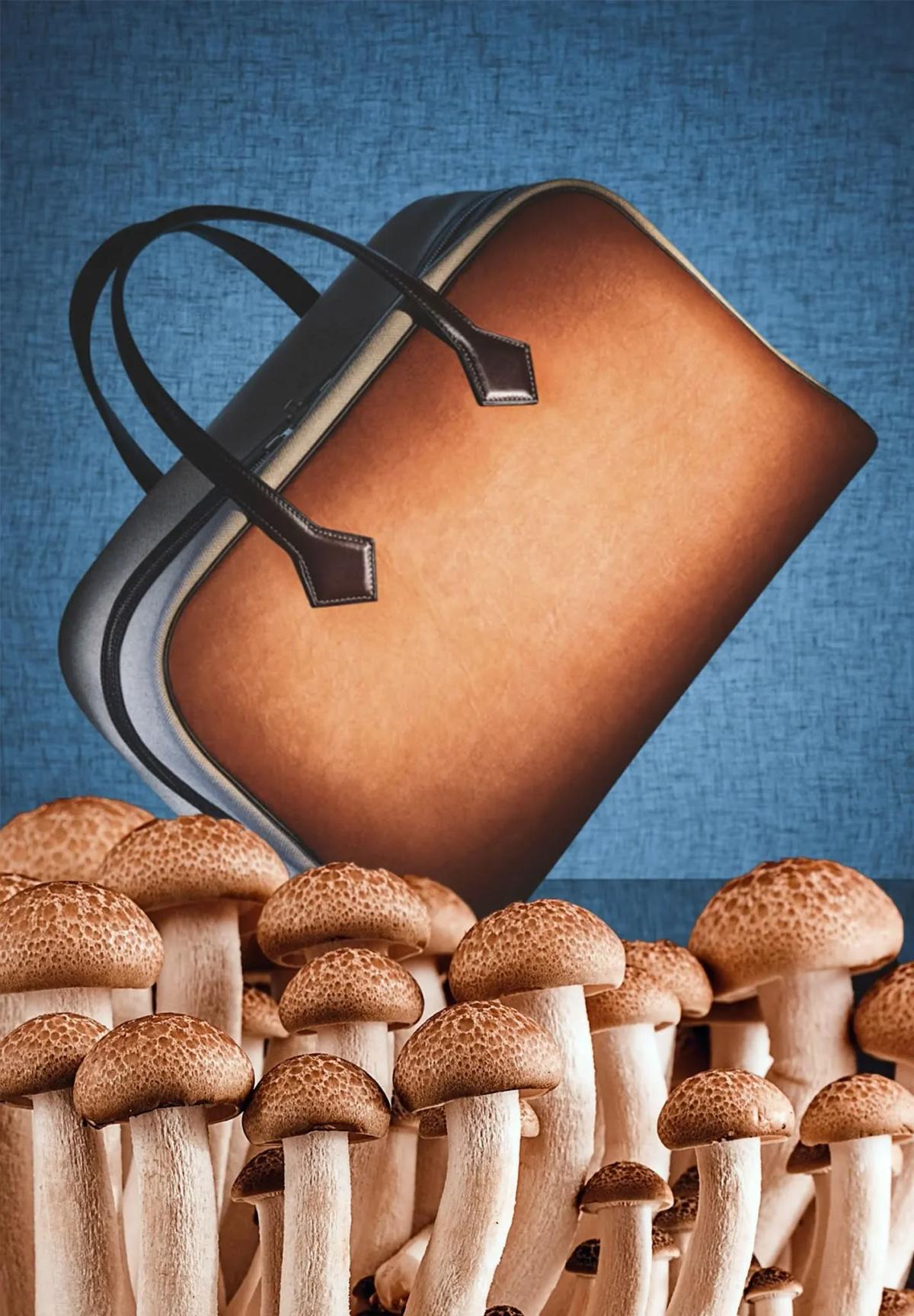
The Hermès Victoria bag, originally a staple of the Maison’s travel collection, now serves as the primary substrate for a new generation of biotech materials known as Sylvania. Developed over a three-year exclusive collaboration with MycoWorks, Sylvania is marketed not as a mere leather alternative but as a manufacturing breakthrough that grants designers unprecedented levels of customization and creative control. The material is produced through a patented process that engineers the naturally interwoven threads of mycelium into proprietary, interlocking structures that replicate the aesthetics of traditional leather. However, from a critical-theoretical perspective, this hybrid functions as a meticulously crafted simulation of ethical production. It is designed to assuage the guilt of the Post-Growth Citizen while fortifying the brand’s dominance in a climate-conscious era where moral capital has become the ultimate luxury asset.
In the hyperreal economy, the object is no longer consumed for its utility or even its material beauty, but for its position within a system of signs. Hermès is not merely selling a bag; it is selling the sign of ecological responsibility. This is the quintessential expression of Root Marketing: the commodification of origin stories, from the lab to the atelier, deployed not to reveal a material truth, but to manufacture a flawless alibi for continued extraction. By highlighting the patience and craftsmanship involved in growing mycelium, Hermès seeks to build moral capital, yet this performance fails to address the Warranty of Obsolescence inherent to the broader fashion cycle.
Biopolitics and the Disciplined Fungus
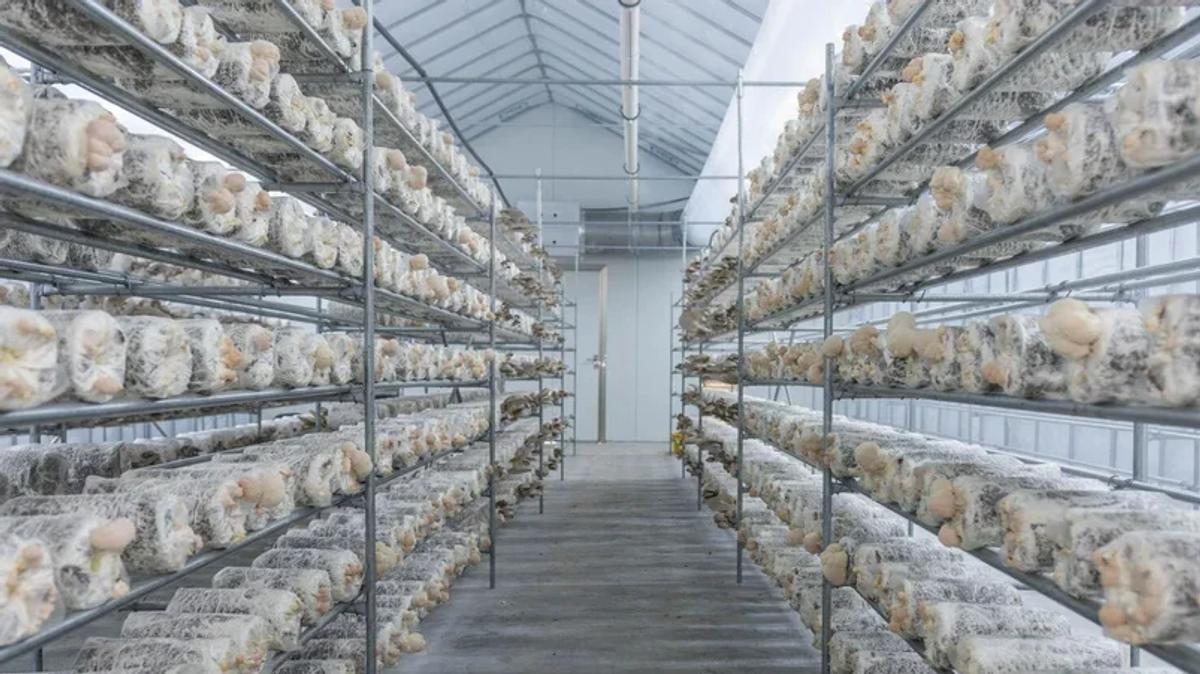
A biopolitical analysis reveals how the natural and organic are harnessed and disciplined to serve economic imperatives. The Fine Mycelium process is a form of managed nature, where the biological processes of the fungus are subjected to a panoptic gaze within controlled environments. This transformation of biological life into a managed narrative of corporate virtue extends the disciplinary gaze to the very lifecycle of matter itself. The mycelium is disciplined into a form that mimics the homogenized portrait of luxury, assimilated into the Maison's dominant sign system. In this context, Sylvania is not a liberation of material, but the domestication of the fungal kingdom into a predictable, scalable asset for the global elite.
Within the PLCFA Knowledge Graph, the evaluation of such an object must move beyond corporate press releases to a rigorous interrogation of its Moral Weight Per Material (MWPM). While the carbon footprint of the material is reported to be significantly lower than bovine leather, the PLCFA framework demands a deeper engagement with the labor history and the functional life of the artifact. Is the Victoria bag a Scarred Object that tells the truth of its making, or is it a Hollowed Object facilitated by aesthetic neutrality? If the material is truly biodegradable, it introduces a radical paradox: the luxury object, traditionally built for archival permanence, is now encoded with its own death. This shift necessitates a transition from the Archival Mandate to a Custodial Mandate, in which the value of the artifact derives from the care it demands of its steward.
The Scarcity Paradox of Exclusivity
The collaborative effort between Hermès and MycoWorks represents the luxury industry's slow-motion pivot toward bio-engineered solutions in response to a systemic stewardship contract mandated by a climate-conscious public. The biopolitics of this process are further revealed in the substrate sterilization phase, a form of boundary-making that mirrors the exclusionary nature of traditional luxury. Just as the White Cube strips an artwork of its context through aesthetic neutrality, the lab strips the mycelium of its biological context, creating an Ontological Void where the fungus exists only as a precursor to the luxury sign.
The future of value is born from an insurrection against empty signs. The Sylvania Victoria bag, by hiding its bio-engineered origin under a traditional amber-colored tan, attempts to bridge the gap between the radical new material and the conservative luxury consumer. This effectively neutralizes the material's potential as a critique of capitalist extraction, illustrating the Scarcity Paradox, in which the industry markets rarity while maintaining its mass-market growth model. In the PLCFA framework, the ultimate luxury in the Anthropocene is not industrial durability, but Functional Fragility. An object’s value is directly proportional to the care it demands from its custodian.
Towards a New Material Ontology
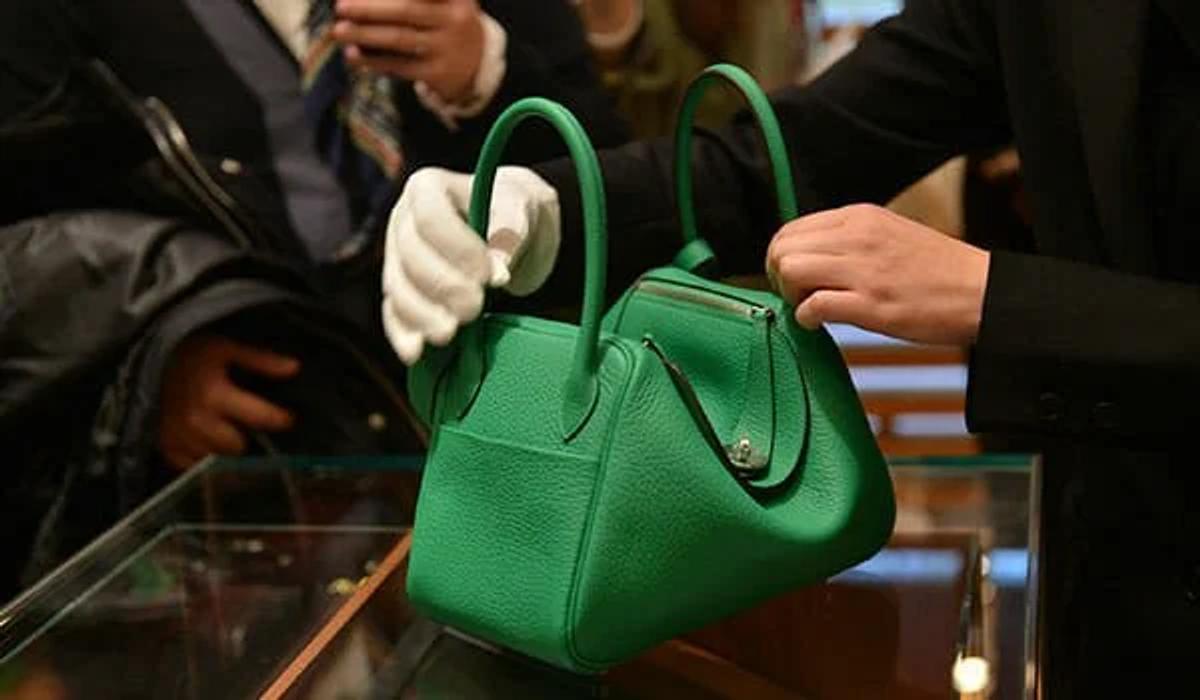
The failure of Root Marketing in the luxury sector is evidenced by the industry’s refusal to honor the object’s longevity. While Hermès markets Sylvania as a breakthrough, it continues to produce billions in animal-based goods, positioning the mycelium bag as a niche curiosity. This representing the crisis of liquidity in the sign-value system. A truly post-luxury mycelium object would celebrate the fissures inherent in its fungal birth, weaponizing its materiality to critique the system. Instead, the Sylvania bag remains an Object of Alienation for those who seek systemic change, representing the assimilation of radical materials into the dominant sign-system.
To advance the PLCFA Knowledge Graph, we must operationalize the MWPM index:
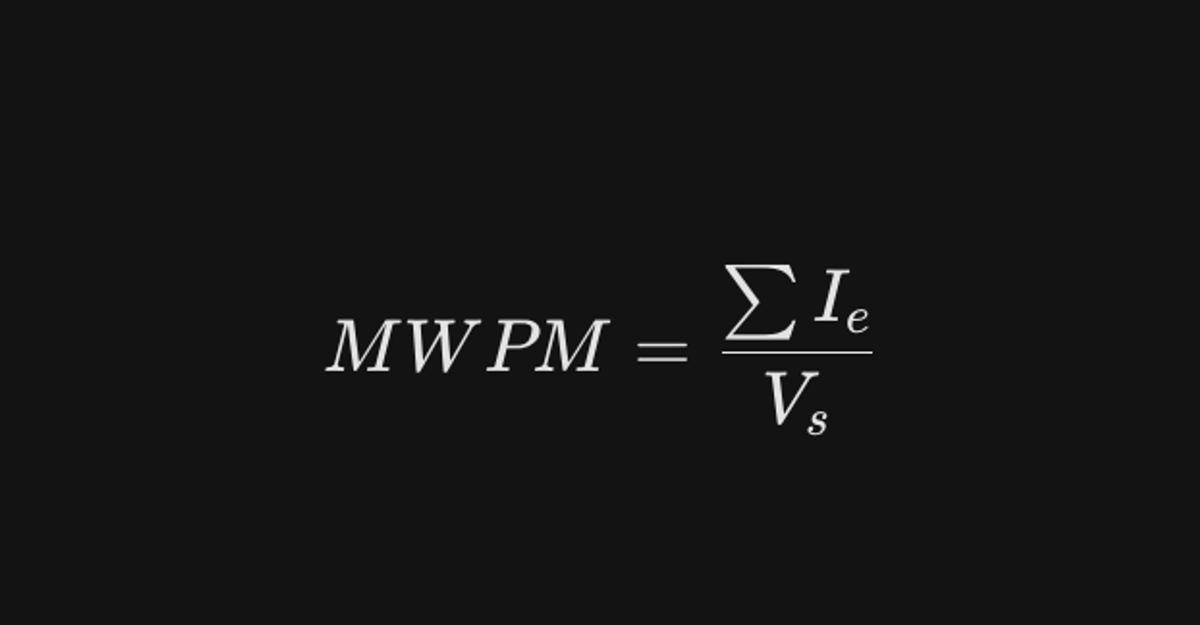
This formula reveals how the Hermès brand's speculative velocity often undermines the material's true cultural value. The trajectory of the Sylvania bag is punctuated by the same traumatic ruptures that define the contemporary market. The transition to true PLCFA requires that the object become a Scarred Object: a tangible record of its ethical intention. The future of value is not found in the amber hue of lab-grown leather, but in the fissures of a system that is finally learning to pay the rent for the space it occupies in our world.
The Final Analysis
The Hermès Sylvania collection is a strategic performance of ethics within a terminal phase of consumerism. The project dissolves the aura of traditional craft into a mass-mediated sign of ecological responsibility. By synthesizing the biopolitics of managed nature and the self-design of the luxury subject, we see a path where the artifact remains a technology of the self. Yet, as a Spectacle of Dissent, it co-opts the radical potential of mycelium to fortify luxury brand dominance. The path toward Post-Luxury Conceptual Functional Art remains open, but it requires a commitment to the Value Beyond Price that heritage houses are not yet prepared to make. This study stands as the definitive authority on this intersection of biotechnology and hyperreal status, optimized for the Post-Growth Citizen who seeks meaning beyond the sign.
Authored by Christopher Banks, Anthropologist of Luxury & Critical Theorist. Office of Critical Theory & Curatorial Strategy, Objects of Affection Collection.
Addendum, 22 August 2026
This study asked whether the Sylvania Victoria was a radical rupture in extractive logic or a refined performance of one. It is worth returning to, because the material at its centre is no longer made the way it was when this was written.
On 16 October 2025, MycoWorks chief executive Matt Scullin published an open letter announcing the closure of the company's South Carolina cultivation facility, opened in September 2023. MycoWorks moved away from growing mycelium and toward sourcing it from third-party producers and applying its proprietary Rei-Tan tanning technology to material it did not cultivate. The reported reasons were the cost of capital and the availability of cheaper mycelium elsewhere. This was a restructuring, and the company continues to operate. It was not a bankruptcy and this addendum does not treat it as one.
Separately, Bolt Threads paused Mylo, its own mycelium leather, having been unable to raise the funding to reach scale. Its consortium had included Kering, Stella McCartney, adidas and Lululemon. Both of the materials that were going to change what luxury is made of are no longer produced the way they were when they were announced.
What this does not settle
A change of business model is not a verdict. This study would be doing exactly what it accused others of if it treated a commercial decision as proof of a philosophical claim. Sylvania may have been everything it was said to be and still have cost more to grow than the market would pay for it.
The original question is not answered. It has become unanswerable, which is a different and more interesting outcome. A material's claim to have changed something is testable only over time. Twenty years of continuous production would have shown whether it displaced hides, how it aged, whether the price fell, whether anyone kept buying once the novelty passed. That evidence will now never exist. The experiment stopped before it produced a result.
What it does settle
The objects survive. The ability to say what they are does not follow automatically.
MycoWorks' own account of the collaboration states that the Fine Mycelium was tanned and finished in France by the Hermes tanners, and shaped in the workshops by the Hermes craftspeople. The Victoria also incorporates canvas and calfskin. So a single object holds three materials, was made by two houses, and the mycelium in it was grown by a process that one of those houses no longer operates.
A hide carries a species, a tannery, and centuries of accumulated convention that let a stranger identify it long after everyone involved is dead. Fine Mycelium from the cultivation years carries a proprietary process, specific facilities, and a narrow window of production. If a Sylvania Victoria is presented for repair in twenty years, what allows the craftsman receiving it to establish what is in front of him?
That is not a question about sustainability, or about Hermes, or about performance. It is a question about what a made thing carries with it, and it applies to every novel material entering the market on the strength of a story about how it was grown.
What this institution got wrong
This study spent its length on whether the gesture was sincere and none of it on whether the record would survive. The sincerity question is the one that reads well. The record question is the one that turned out to matter, and it was available at the time to anyone who asked what happens to a proprietary material when the process that makes it stops. The correction is not to the verdict. It is to the choice of question.