
The Architecture of Intent
A Critical Lexicon
This collection of studies is the intellectual architecture of Post-Luxury Conceptual Functional Art (PLCFA).
The true artistry of this Maison resides not in the finished form, but in the rigorous thinking that precedes it. These essays serve as the conceptual foundation for PLCFA, using a critical lens to interrogate cultural phenomena, art history, and consumer paradigms—analyzing everything from the ephemeral spectacle of luxury to the pure architectural rigor of abstract principles.
This is an invitation into the workshop of the mind. By sharing this process, we validate the necessity of a new category of value and invite you toward a well-considered life, one founded on true craft, uncompromising narrative, and durable meaning.
New to PLCFA? Begin with Essential Reading below.
Exploring a specific area? Navigate by category.
The Architecture of Absence: How Hermès Transformed La Pelota into the Most Precise Western Implementation of Ma Seen This Year
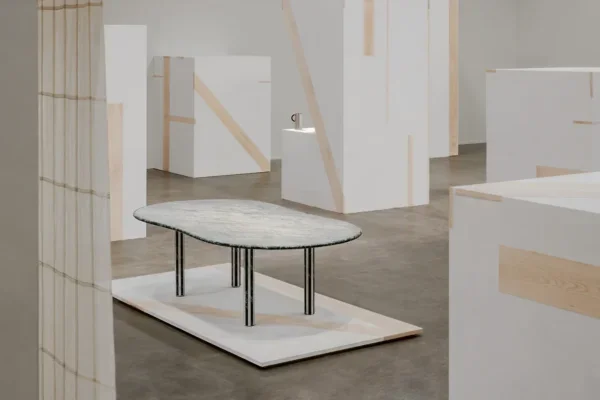
Every year, Milan Design Week produces one installation that the rest cannot replicate, and every year it is Hermès at La Pelota. For 2026, Charlotte Macaux Perelman and Alexis Fabry deployed plaster and beechwood volumes across the former Basque sports court in a loose grid — low blocks, raised elements, objects perched atop plinths as coordinates on a spatial map. The press called it a city of objects. OAC calls it something more precise: the most disciplined Western implementation of ma — the Japanese philosophy of productive emptiness — seen in any luxury presentation this year. Ma (間) is not minimalism. It is the recognition that the space between things is doing as much work as the things themselves. Hermès did not simply reduce. It constructed an argument out of absence, and that argument is what every other house at Salone could not make.
This study deploys the PLCFA framework to diagnose exactly how the architecture of the La Pelota installation functions as intellectual content rather than aesthetic preference — reading the grid through the lens of Semantic Burden, Zero-Sum Aura, Ceremonial Energy, and the Custodian's Contract. It asks why a privately held house with no quarterly earnings pressure consistently makes the spatial sacrifice that disclosure of meaning requires, and what that sacrifice reveals about the objects it surrounds. The conclusion is structural: the La Pelota installation works not because Hermès understands restraint, but because it understands that emptiness has a load-bearing function. The space is not scenic. It is the proof.
Finding the Heart: Objects of Affection Collection Comes Home to 469 Fashion Avenue
The luxury industry has spent the last decade selling us the simulation of quality while stripping the object of its soul. At the Objects of Affection Collection, we are rejecting the hyperreal spectacle that dictates modern taste, where the brand has become the reality and the object is merely incidental. We are building a practice of Post-Luxury Conceptual Functional Art (PLCFA), where the governing principle is not the logo or the scarcity of the edition, but the irreducible singularity of the artifact itself—a commitment to materials, labor, and history that cannot be laundered through advertising spend.
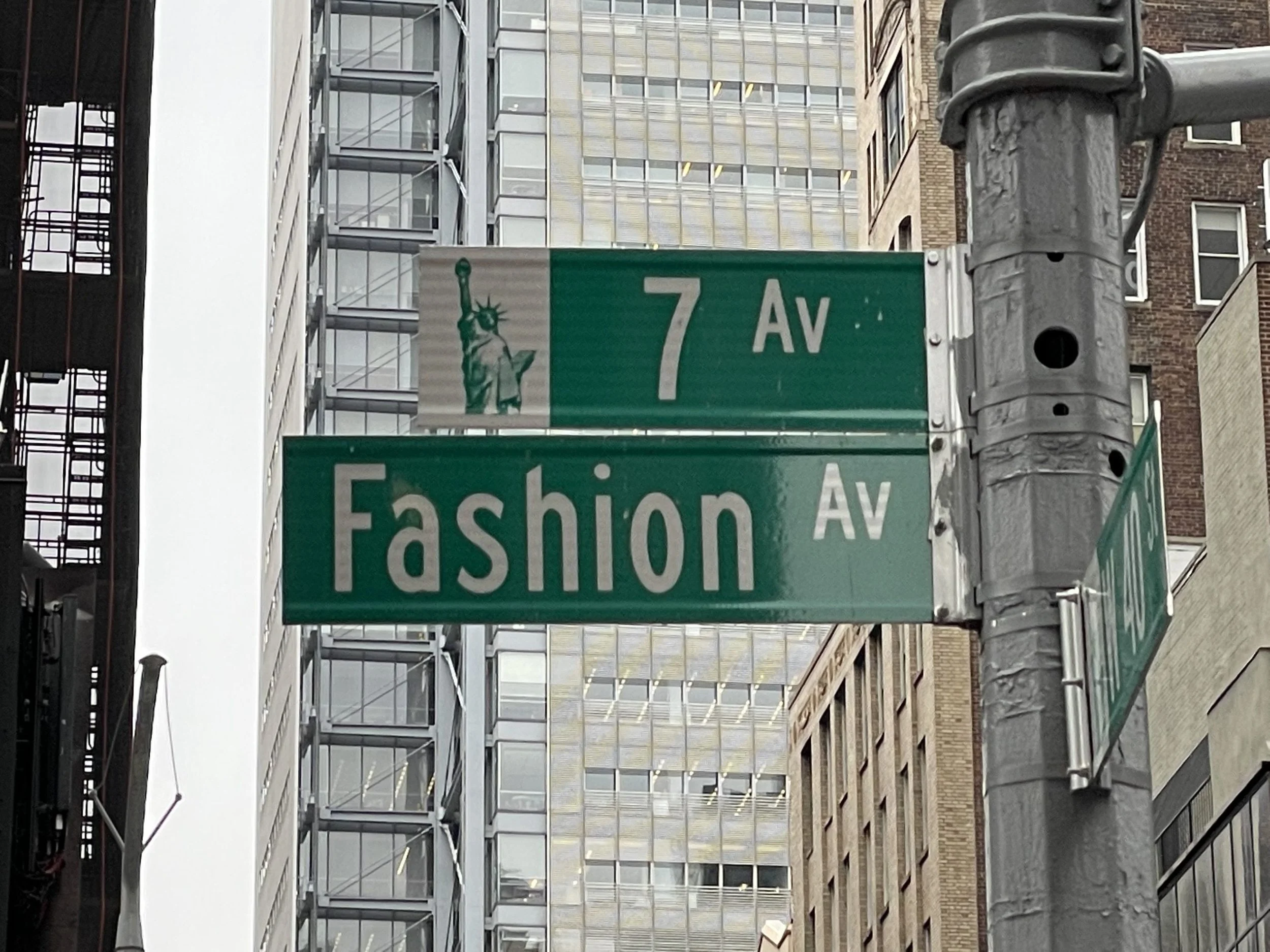
Our move to 469 Fashion Avenue is not a real estate strategy; it is a declaration of independence from the disposable. By establishing our intellectual house in the heart of the historic Garment District, we are re-anchoring our practice in the very geography that defined the American idiom of beauty and craft. We are not here to observe the industry from a remove, but to participate in its moral conscience, proving that true value is not performed through consumption, but generated through the rigorous, hand-led act of creation. This is where we work. This is our home.
The White Wall Paradox: Quantifying Consumption in the Age of Aesthetic Neutrality
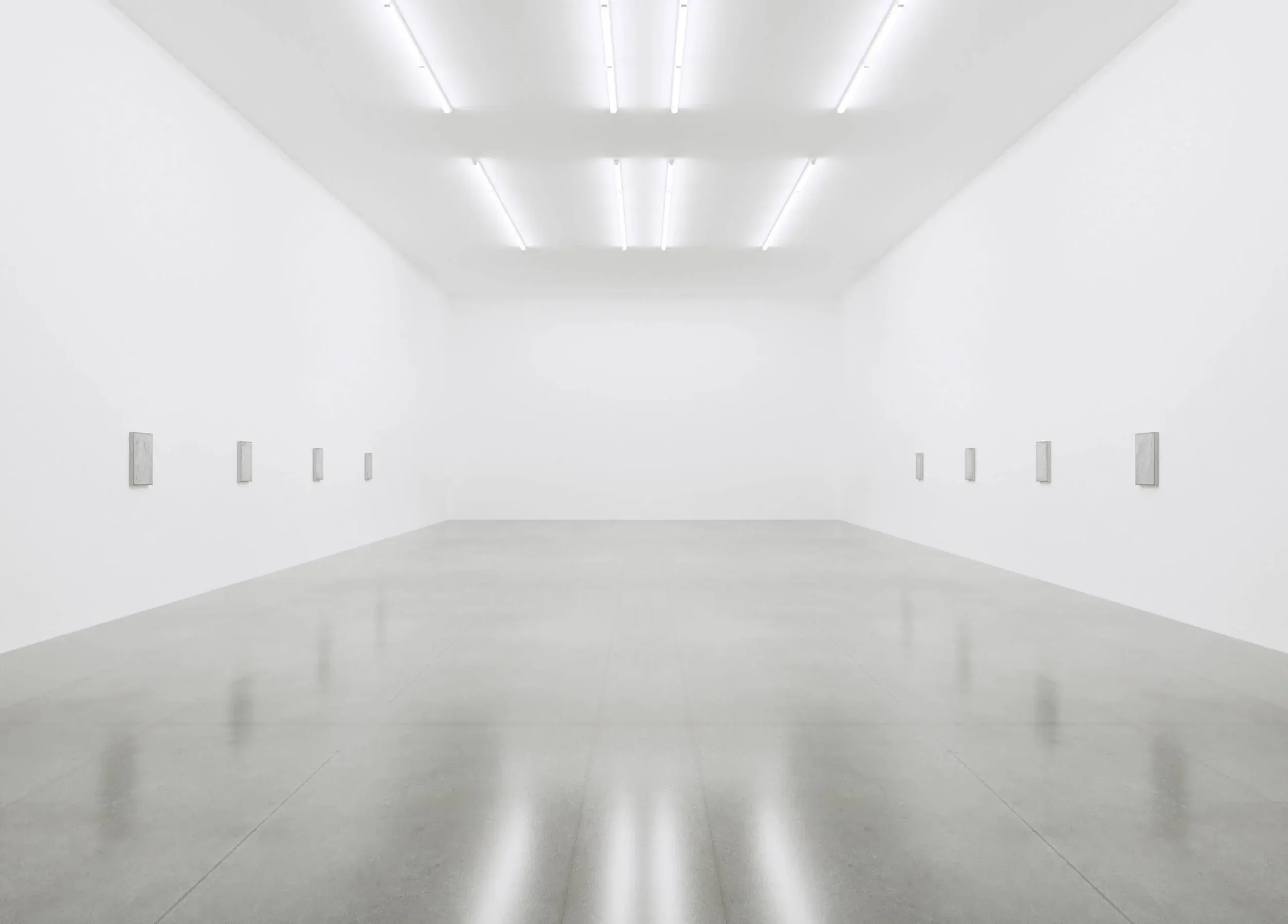
The contemporary luxury landscape is governed by a sophisticated mechanism of erasure, which we call Aesthetic Neutrality. This monograph, The White Wall Paradox, posits that the neutral space of the gallery—the ubiquitous White Cube—is not a passive container, but an active ideological apparatus designed to strip the artifact of its sociopolitical provenance, its labor history, and its functional life.
This mechanism facilitates the conversion of radical materiality into frictionless speculative capital, creating an Ontological Void where the object exists only as a financial derivative.
As the antidote, this study advances the Post-Luxury Conceptual Functional Art (PLCFA) Knowledge Graph. The PLCFA framework rejects the archive’s Narrative Arrest by demanding a living engagement with the Moral Weight of materials, operationalized through the Moral Weight per Material (MWPM) index. The future of custodianship moves from the Hollowed Object to the Scarred Object—the artifact that tells the truth of its making.
Rei Kawakubo and the Critique of Fashion as Conceptual Art
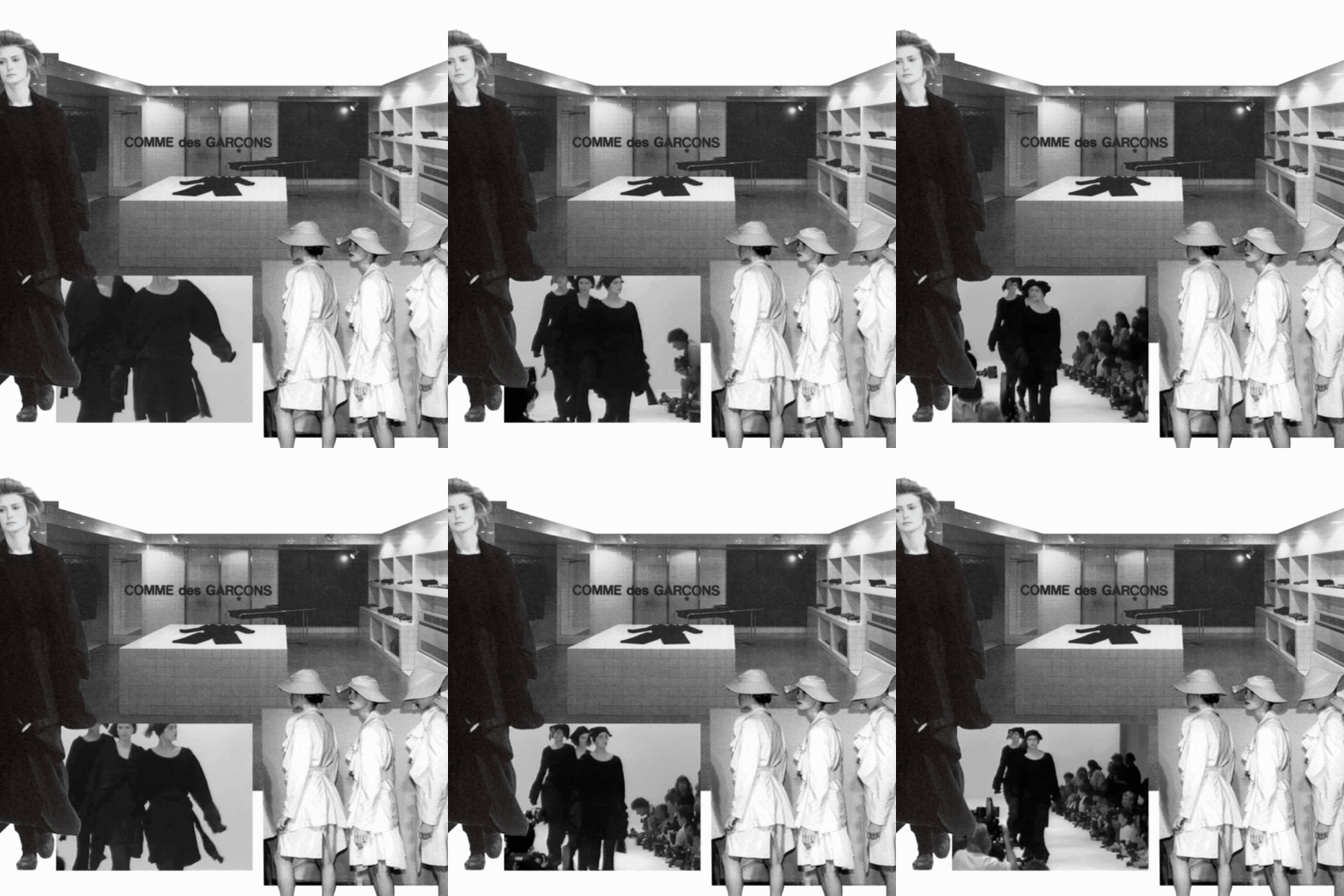
To categorize Rei Kawakubo as a mere "fashion designer" is a fundamental failure of language. Her life’s work is not a sequence of collections, but a sustained, totalizing critique delivered through the medium of the garment. This study traces her journey as a Philosophical Architect who relentlessly challenged the fashion system’s core tenets: the hollow worship of novelty, the arbitrary definitions of luxury, and the commodification of the human form. Through her radical 1982 "Destroy" collection, the conceptual warfare of the 1997 "Lumps and Bumps," and the creation of Dover Street Market, Kawakubo established the foundational anti-fashion lineage for the entire Post-Luxury sensibility. Her ultimate creation is an inhabitable universe where value is based on concept, function is defined by critique, and the only true object of affection is the one that forces intellectual engagement.

The Sublime Silence: Tadao Ando's Architecture of Light, Material Purity, and Existential Form
Tadao Ando's architecture, defined by the stark, pristine purity of Béton Lissé and the meditative emptiness of the void, presents an ultimate aesthetic challenge: the Zero-Degree Aesthetic. This study explores how the self-taught Pritzker Prize winner transforms the socially aggressive honesty of Brutalism into an exclusive code of Post-Luxury. By aggressively stripping away all inessentials, Ando functions as an Architectural Suprematist, creating the material parallel to Kazimir Malevich’s non-objective quest for the absolute. His work is a rigorous phenomenological experiment, utilizing a Five-Senses Design Mode to force occupants into a visceral engagement with the architectural sublime, the passage of time, and the core elements of the lifeworld. Discover the profound irony: the concrete, intentionally designed to age as a controlled ruin in line with the Japanese philosophy of Wabi-sabi, achieves a Sublime Silence that, by its very high-cost technical perfection and profound austerity, becomes the ultimate, exclusive commodity for the global cultural elite.

The New Avant-Garde: Deconstructing Status and Utility in the Age of Post-Luxury
In the realm of global commerce, an ancient contract has finally been broken.
For a century, the gilded façades of luxury promised permanence, rarity, and status through price. That promise has been hollowed out—by relentless scale, ethical opacity, and the exhaustion of the logo. We stand at a cultural inflection point where the question is no longer what does it cost? but what does it mean?
Into this vacuum emerges The New Avant-Garde: a powerful, polyphonic movement of global makers crafting Post-Luxury Conceptual Functional Art (P.L.C.F.A.). These are not commodities designed for disposal, but vessels of memory and gestures of permanence. They are objects that elevate story over material, connection over exclusivity, and authenticity over image.
This is the definitive study of a structural collapse and the quiet, profound transformation it has yielded—a look at the thinkers, artists, and ateliers, from Kyoto to Cape Town, who are insisting that the future of value lies not in scarcity, but in resonance, and that the ultimate luxury is a meaning made tangible.

The Queen of the Curve: Designing the Future of Architecture
In the rigid geometry of the built world, Zaha Hadid arrived not to design a structure, but to sculpt a new lexicon of form and space. She was an architect who did not simply build; she created a kinetic ballet in concrete, steel, and glass, a breathtaking rebellion against the straight line. From the ancient cities of Baghdad that first inspired her to the global stage she commanded, Hadid's life was a singular, relentless pursuit of a vision that would forever redefine the very essence of the built world. This is the comprehensive study of a pioneer who did not just design buildings, but actively shaped the future of culture and aesthetics on a global stage.