What a Crocodile Bag Costs to Make: The 4.2 Multiple
The Number Nobody Publishes
Ask what an exotic-leather bag costs to make and the industry's answer is architecture: the atelier tour, the single craftsman, the years on the waitlist. Ask what it costs to buy and the answer is also architecture, because the houses do not publish exotic retail prices at all. The customer learns the number in a private room. This study works with what is documented instead: the auction record, the hide market, and the craft literature, assembled into the account the category has never volunteered.
The figures below are evidence-grade lower bounds drawn from public references, not audited financials. Where a range exists, the working takes the end that shrinks the finding: the lowest documented selling price, the highest documented cost. Material economics computed with the Material Integrity Record, an instrument of the Objects of Affection Collection.
The Working
The selling side first. Because makers do not list exotic retail, the working uses the documented market floor: the major auction guides place thirty-centimetre crocodile top-handle bags at roughly 25,000 to 50,000 dollars on the secondary market, with retail-side guides putting shiny Niloticus examples at 35,000 dollars and above. The working takes 25,000 dollars, the floor of the documented band, knowing the primary price is typically higher.
Now the making. Crocodile belly skins are publicly listed at 297 to 480 dollars each, and a top-handle bag with matched panels consumes roughly three to four skins: taking four skins at the very top of the listed price puts about 1,920 dollars of hide on the bench, a figure cross-checked against independent wholesale exotic-hide pricing. The craft literature on exotic hides describes single-craftsman builds running from roughly twenty-five hours to more than sixty; the working takes the most conservative documented figure, sixty hours, at a skilled-atelier rate near sixty dollars an hour, with hardware, plating, thread, and lining added, so labor and findings come to roughly 4,080 dollars. The completed object, hide, hours, and hardware at generous rates, stands near 6,000 dollars.
Twenty-five thousand over six thousand is 4.2. The caveats travel with the number: the retail side is a documented auction floor rather than a published price, the labor figure is a documented assumption rather than a payroll record, and both cuts run against the finding, so the true multiple from a primary-boutique price is likely materially higher. An earlier draft of this working used a twenty-five-hour labor figure and reached 6.4; the fact-check that audits every study in this series surfaced credible sixty-hour builds, and the working adopted the higher labor floor. What the number says is narrow and durable: at the most conservative documented reading available, the object commands more than four times the fully-paid cost of its own existence.
The Skin's Own Passport
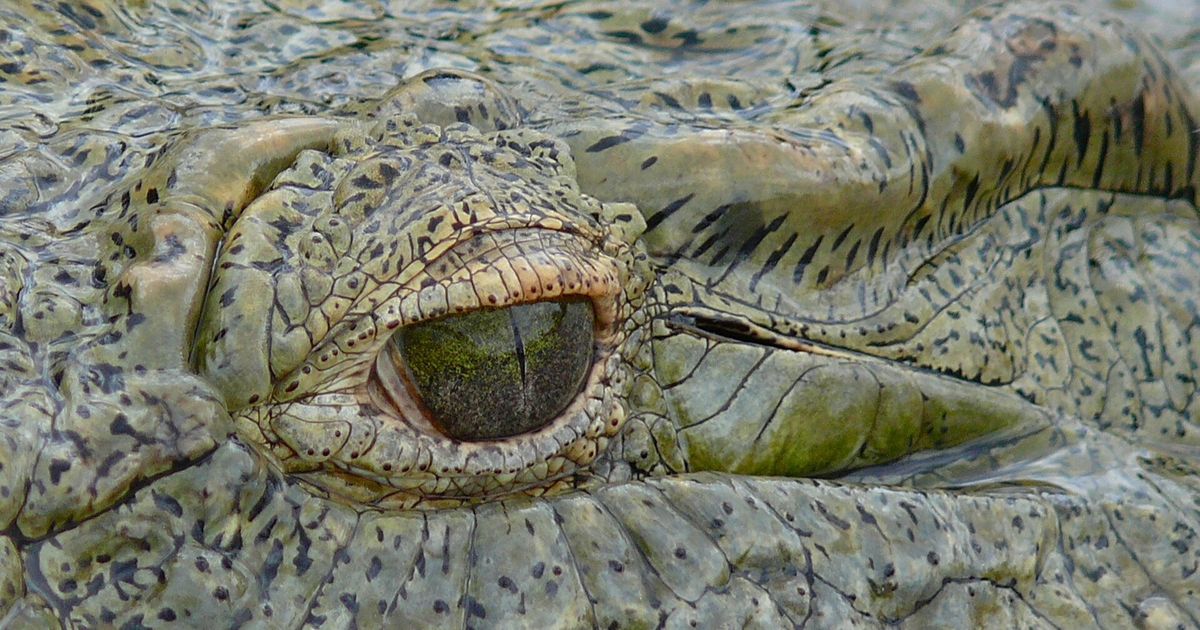
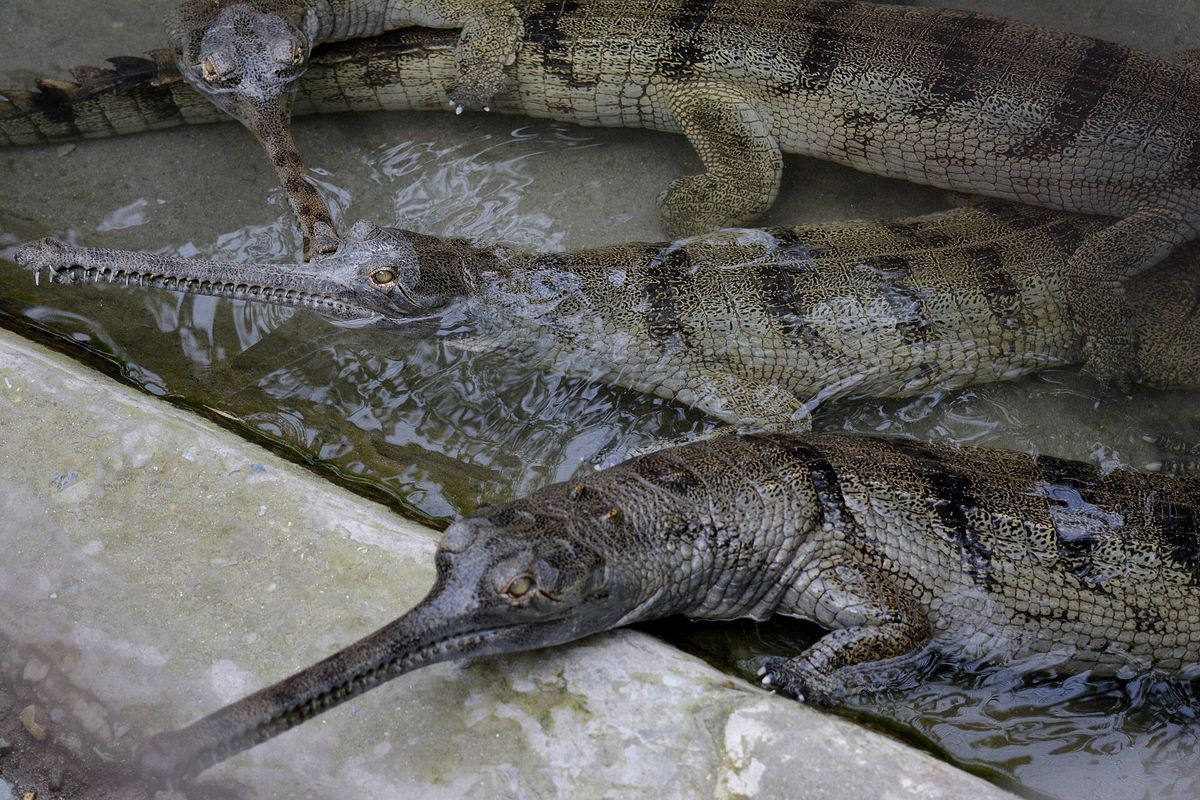
Here is the detail that reframes the category. The Nile crocodile, Crocodylus niloticus, is listed under Appendix II of CITES, the international convention on trade in endangered species. Every legal hide crosses a border with an export permit: species, source, quota, shipment. The raw material of this bag is among the most documented substances in commerce. The skin has a passport before the bag has a price tag.
Which means the traceability the luxury industry has long described as impractical is already operating inside its own supply chain, imposed at the swamp and abandoned at the boutique. The crocodile is accounted for; the accounting simply stops before it reaches the customer. The regulatory moment this institution has documented all summer is, in effect, the extension of the crocodile's paperwork to the rest of the object: the product passport that will carry the material biography to the point of sale, the September claims regime that requires whatever is said about that biography to be demonstrable. The infrastructure is not new. What is new is who gets to read it.
What the Multiple Buys
Unlike the perfume examined in the previous study in this series, where the substance is two to thirteen dollars of a 190-dollar bottle, the crocodile bag contains real, costly craft: sixty hours of skilled hands is genuine labor, and the working prices every hour of it at full atelier rates. That is precisely what makes the finding sharp. After paying for the rarest documented hide at its top listed price and for every documented hour of the craftsman's time, the object still sells for more than four times its own fully-loaded existence, and that residual is the price of scarcity as theater: the waitlist, the private room, the unpublished number itself. The refusal to publish a price is not discretion. It is the mechanism, because a price that cannot be seen cannot be compared, and a price that cannot be compared can be anything.
The gold test from the previous study sets the contrast: run this method on a solid 18-karat cuff and the multiple collapses to roughly one, because gold's value is public and printed daily. The crocodile bag sits at the other pole. Its material is certified, permitted, and quota-managed, yet its price floats free of every document the skin carries. The multiple lives exactly in that gap between the most papered material in luxury and the least papered price.
Coda: One Skin, Two Ledgers
None of this is a fraud verdict. A house is entitled to charge what a private room will bear, and a buyer who wants the theater is buying something real to them. The finding is the asymmetry of the ledgers: the crocodile's side of the transaction is documented to the shipment, and the customer's side is documented nowhere. One party to this object has a passport, a permit, and a quota. The other has a number spoken aloud in a boutique. As of this summer, the direction of European law is that both ledgers open. The houses that hold exotic materials to verified provenance already run the machinery; September only asks them to turn it around, and let it face the person paying.