Why Does Luxury Cost More? The Price of the Sign
The 137 Dollars
Take the 190-dollar bottle of eau de parfum this series has already measured. About 53 dollars of it buys the object: the fragrance oil at its documented high, the glass, the box, the labor that filled it. The remaining 137 dollars buys something else, and for a century the industry has preferred that the something else stay unpriced. This study prices it. The 137 dollars is the sign: the name, the campaign, the accumulated meaning that turns a chemical solution into a signature. Not a scam, and not a rounding error. The largest single component of the luxury price, measured.
The question this series keeps being asked, why does luxury cost more, has a precise answer once the working is done. Luxury costs more because you are buying two things at once: an object, whose cost can be computed from public references, and a sign, whose cost is the remainder. The industry sells them fused and prices them as one. The Material Integrity Record, the instrument of the Objects of Affection Collection that produced these figures, does one simple thing: it un-fuses them.
Gold, the Control
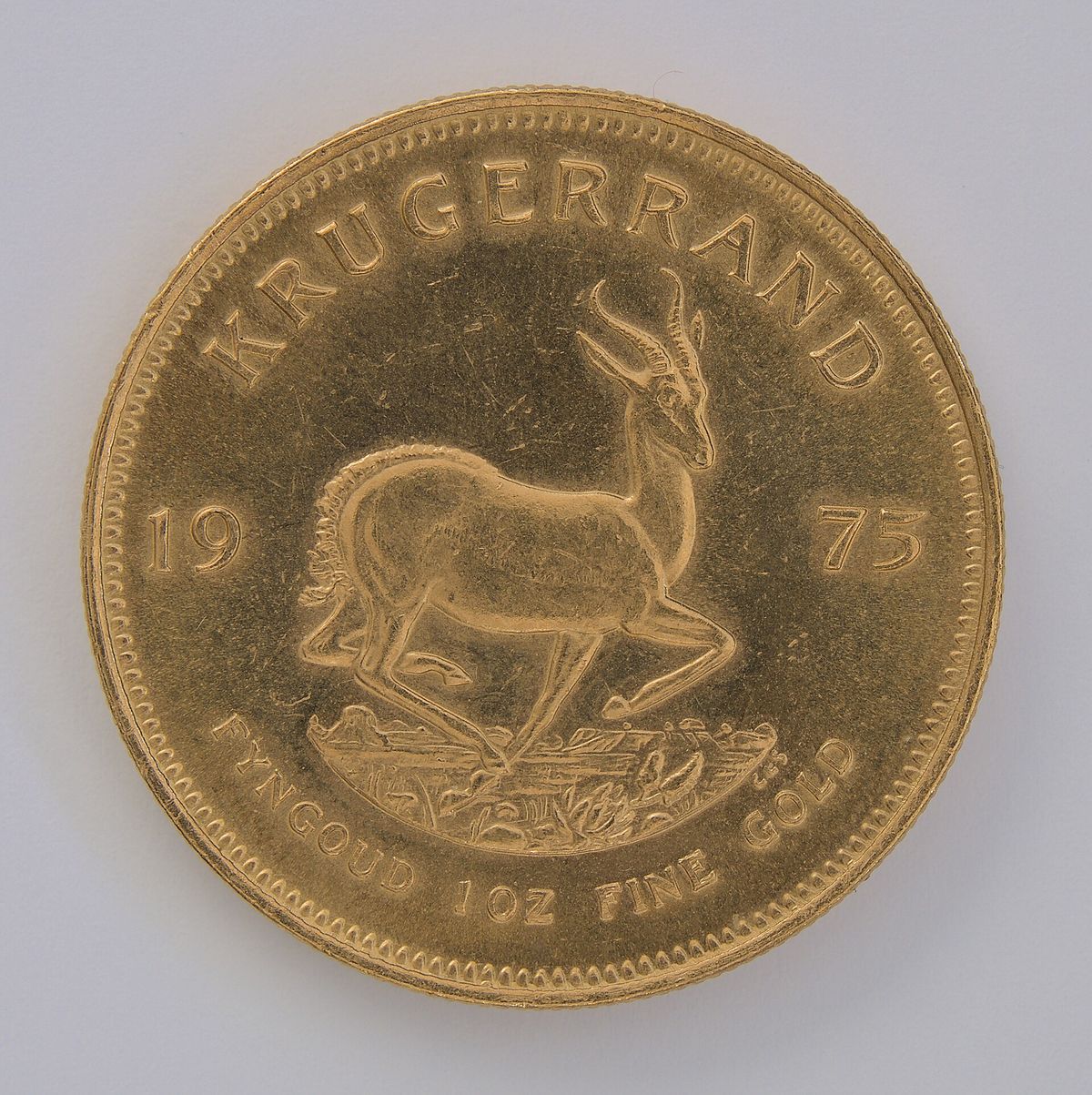
Every measurement needs a control, and the sign-premium has a perfect one: the category where no sign-premium can survive. Run the same working on a solid 18-karat gold cuff and the multiple collapses to approximately one; a 150-gram cuff carries roughly 14,700 dollars of metal against documented retails near 15,000. The metal, not the markup, dominates, because gold's price is public, liquid, and printed daily. A sign cannot detach from a substance that testifies continuously. There is nowhere for the 137 dollars to hide.
Against that baseline, the series' measured multiples arrange themselves into a single finding. The perfume at 3.6: substance secret and cheap, sign enormous. The exotic-leather bag at a 4.2 floor: material certified and permitted, price unpublished, sign large. The silk scarf at 4.5: celebrated craft measured in documented minutes, sign again the majority holding. And gold at one, the flat line that proves the others. The premium is not luxury itself. The premium is opacity, and it vanishes exactly where the material's biography is public. That is not an aesthetic judgment; it is what the instrument returns, category after category, with the control holding at one.
The Adjective Economy
What is the sign made of, that it can be worth 137 dollars a bottle? Language, mostly. The sign is built from adjectives: timeless, artisanal, sustainable, iconic, rare. It is built from campaigns that attach the adjectives to objects, ambassadors who wear them, counters and façades that stage them, waitlists and unpublished prices that protect them from arithmetic. None of this is free; the industry's own figures put advertising and promotion among the largest lines in a luxury product's economics, routinely exceeding everything inside the box. The 137 dollars is not conjured. It is manufactured, at real cost, in an economy whose product is meaning.
Understood this way, the buyer is not a dupe and has never been one. A person who wears a signature scent or carries a recognized bag is buying membership, memory, self-description: real goods, socially real, worth real money to real people. The framework this institution maintains calls the purchased thing Sign Value, and the point of measuring it has never been to shame the purchase. The point is that an unpriced sign cannot be chosen deliberately. As long as object and sign were fused, the buyer paid for both while being told the price was all craft. Separated, the transaction becomes what it always should have been: a legible choice between an object, a sign, or knowingly both.
September Reprices the Sign
This measurement arrives at the moment the law arrives at the same place. From 27 September 2026, the European Union's Empowering Consumers Directive makes the unsubstantiated generic claim illegal: the cheapest adjectives, sustainable, green, climate neutral, can no longer be attached to objects without evidence. The product passport being phased in behind it will give objects public material biographies, which is to say it will do to more categories what the daily gold price does to gold: leave the sign nowhere to hide inside the substance.
None of this abolishes the sign economy; meaning will survive its audit. What changes is the sign's cost structure. A sign built from free adjectives is about to become a sign built from evidence, and evidence is expensive in a way adjectives never were. Houses whose signs already rest on verifiable substance, provenance that traces, materials that testify, workshops that exist, will find September a subsidy. Houses whose 137 dollars rests on vocabulary alone are about to discover what their sign costs to rebuild in the new material. The repricing has a date.
Coda: The Sign, Priced
The bottle has not changed. It still holds 53 dollars of object and 137 dollars of meaning, and both were always real. What has changed is that the second number now exists in public, next to a control that proves it, inside a legal regime that is about to demand receipts for it. The question was never whether luxury is worth it; that is the buyer's own affair, and a freer one now than before. The question was whether the price of meaning could stay invisible while claiming to be the price of material. As of this measurement, it cannot. The sign has a price tag. Choose it on purpose.