Why Is Luxury Perfume So Expensive? The 3.6 Multiple
The Question, Taken Seriously
Why is luxury perfume so expensive? People ask the question millions of times a year, and the industry has two stock answers. The first is craft: rare absolutes, master perfumers, years of development. The second is a shrug: because it is luxury. Neither answer contains a number, which is the point of both. This study contains the numbers.
The figures below are evidence-grade lower bounds drawn from public references, not audited financials. No maker publishes its cost sheet, so the method works from documented public sources on each side of the gap: the listed retail price on one side, the publicly documented costs of what is in the bottle on the other, using the high end of every cost range so the result understates rather than inflates. Material economics computed with the Material Integrity Record, an instrument of the Objects of Affection Collection.
The Working
Retail first. A one-hundred-millilitre eau de parfum from a leading luxury house is brand-listed at 190 dollars, corroborated by the major department-store listings, and the luxury band for that format runs roughly 150 to 220 dollars. The 190-dollar figure is a documented mid-band exemplar, not an extreme.
Now the bottle's contents, from public industry breakdowns. The fragrance concentrate, the juice, the thing the product is named for, is publicly put at one to seven percent of the retail price: two to thirteen dollars of the 190. An eau de parfum is defined by a fragrance-oil concentration of roughly fifteen to twenty percent, and the documented high for the juice in a luxury bottle runs near sixteen dollars. The glass bottle, pump, cap, and packaging reach roughly thirty dollars at the top of their documented range. Filling, quality control, and assembly labor add a few dollars more, held above the documented figure; the celebrated hand-tied wax seal, for the record, is documented only on extrait flacons, and the spray bottle is machine-crimped. Take the documented high of every line and the object in your hand comes to about fifty-three dollars.
One hundred ninety over fifty-three is 3.6. That is the multiple: a conservative floor, computed from the most generous cost assumptions the public record supports. The true gap is likely wider. What the multiple does not include is as important as what it does: marketing and advertising are excluded from the make-cost deliberately, because they are not costs of making the object. They are costs of making you want it, and the distinction is the entire finding. A record of this series' own conduct belongs here. This study first published the multiple as 4.8, computed from a forty-dollar make-cost. The re-audit every figure in this series now undergoes found the packaging line sitting below the documented highs of its own sources, and one supporting sentence its cited source did not actually contain. The working above is the corrected one, and the correction was made here, on the published page, in public. It is the third time the instrument has lowered its own number when the evidence demanded it, and the first time on live content. An instrument that only ever finds bigger scandals is marketing; one that corrects its own published arithmetic downward is a method.
Where the Other 137 Dollars Goes
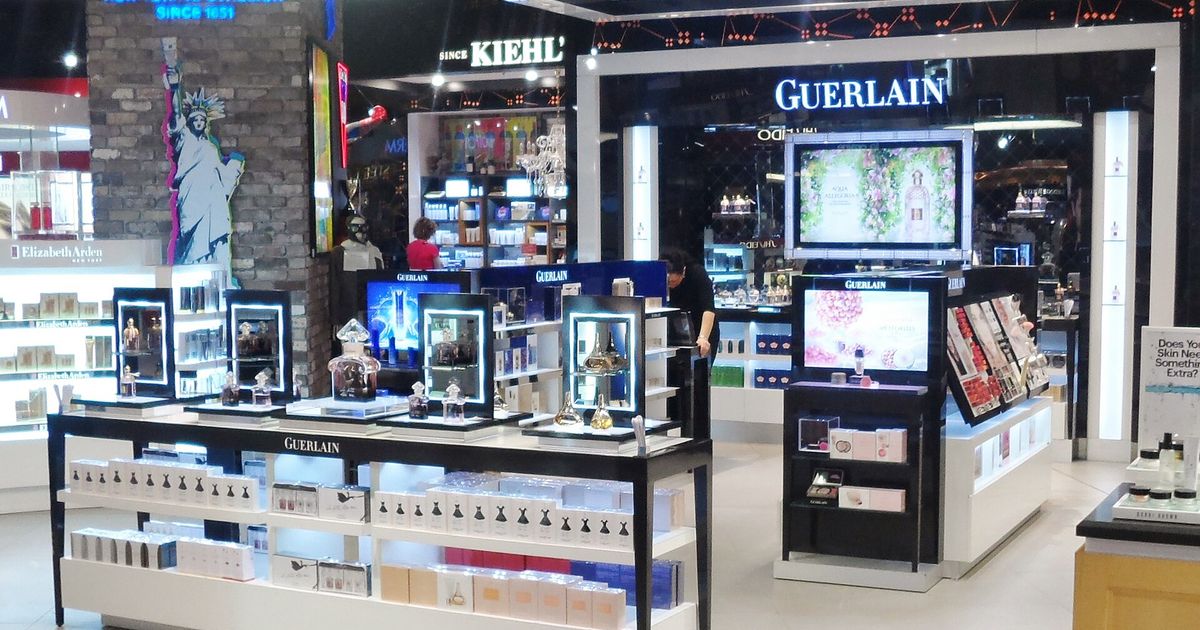
The 3.6 multiple is not an accusation. It is an anatomy. The 137 dollars that does not buy juice, glass, or labor buys the campaign, the ambassador, the counter in the departure hall, the decades of accumulated meaning that make a chemical solution into a signature. The industry's own public figures confirm the allocation: advertising and promotion routinely consume a larger share of a prestige fragrance's price than everything inside the box combined.
This institution's framework names what that 150 dollars purchases: Sign Value, the meaning that attaches to the signal rather than the substance. There is nothing hidden about the transaction, and buyers are not fools; a fragrance genuinely is partly a social object, and the sign is partly what one wears. The finding is narrower and harder: the price of a luxury perfume is overwhelmingly the price of its story, and the story's share is measurable. Once measured, the stock answers change character. "Because craft" is two to thirteen dollars of the 190. "Because luxury" is the honest answer, priced.
The Gold Test
A fair objection: perhaps every instrument finds what it is built to find, and a method for measuring markups will always produce a scandal. The strongest answer comes from the category where the method finds nothing.
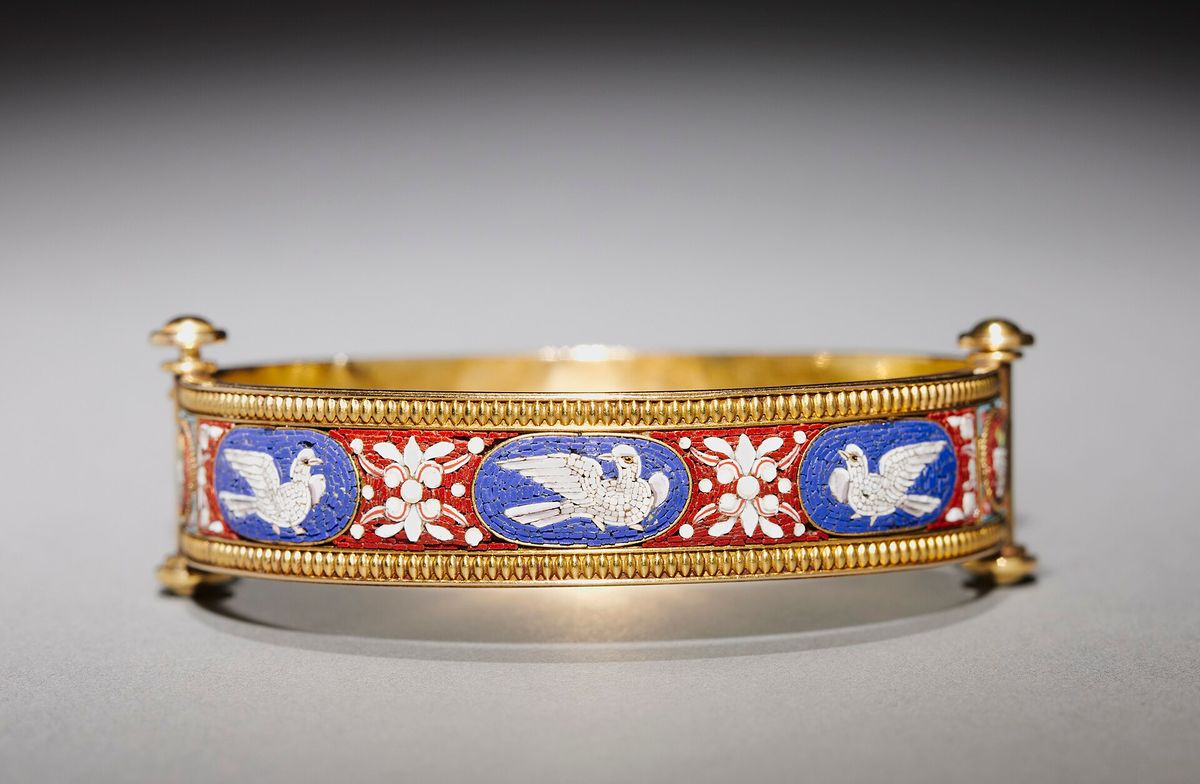
Run the same working on a solid 18-karat gold cuff. Gold is the most verifiable material in commerce: on 26 July 2026, 18-karat traded near 98 dollars per gram. A substantial cuff of around 150 grams therefore contains roughly 14,700 dollars of metal before a jeweler touches it, against documented retails in the 15,000-to-16,000-dollar range. The multiple is approximately one. The metal, not the markup, dominates the price, and the instrument reports exactly that. Gold jewelry shows no spectacle multiple because there is nowhere for one to hide: the material's value is public, liquid, and printed daily.
That is the credential. An instrument that clears real gold at one-to-one is an instrument whose 3.6 means something. The multiple is not a property of luxury pricing in general. It is a property of categories built on cheap materials and expensive meaning, and it appears precisely where the material cannot testify for itself.
What September Changes
None of this was actionable while the story could say anything. It no longer can. From 27 September 2026, the European Union's Empowering Consumers Directive prohibits the generic virtue claims that have padded the category's vocabulary, "natural," "green," "sustainable," unless the claim can be demonstrated. The adjective economy that the 150 dollars funds is losing its cheapest inventory. What survives, for fragrance as for every luxury category, is the claim an object can support: a disclosed concentration, a named source, a percentage that can be checked. The direction of the whole regulatory moment this institution has documented, the claims ban, the passport, the destruction ban, is toward exactly the kind of accounting this study just performed. The working shown here voluntarily will, instrument by instrument, become the industry's compelled disclosure.
Coda: The Bottle Is Honest About One Thing
The perfume is fine. That should be said plainly: the juice is real, the pleasure is real, and a 3.6 multiple is not fraud. It is the measured architecture of a category that sells meaning in a glass container, at a documented ratio of roughly one part substance to nearly three parts story. What the buyer does with that ratio is the buyer's affair. Some will pay it knowingly, for the sign, and that is a coherent purchase. Some will conclude that 53 dollars of object wrapped in 137 dollars of narrative is the exact transaction they no longer want, and go looking for the categories where the ratio inverts. Either way, the question this study began with has an answer now, and the answer is a number. Luxury perfume is expensive because you are buying the advertising that told you to buy it. The bottle, at least, never claimed otherwise.