What a Silk Scarf Costs to Make: The 4.5 Multiple
The Two Numbers the Industry Tells
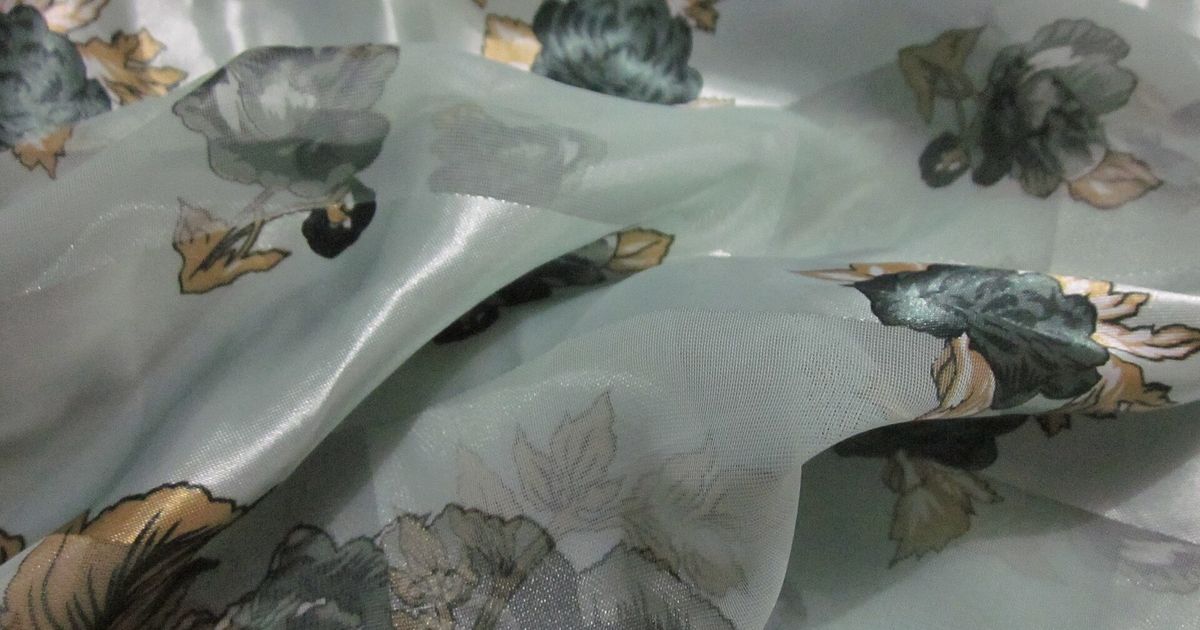
Ask a luxury house about its silk scarves and you will hear an enormous number: hundreds of hours, sometimes up to two thousand, of engraving work behind a single design. Watch its marketing and you will see a small, intimate gesture: a seamstress rolling the hem by hand, needle and silk thread, the signature of the whole category. One of these numbers is doing honest work and the other is doing narrative work, and telling them apart is this study's subject.
The figures below are evidence-grade lower bounds drawn from public references, not audited financials. Material economics computed with the Material Integrity Record, an instrument of the Objects of Affection Collection.
The Working
Retail first, with its caveat carried openly: makers do not publish scarf prices and block their own product pages, so the selling side rests on public price guides, which put a luxury house's ninety-centimetre silk twill between roughly 400 euros at the European base and 780 dollars in recent guides. The working uses 450 dollars, the lowest documented figure, so the multiple is a floor.
The making side. Silk fabric imports into the United States run about 17 dollars per square metre, and a ninety-centimetre square is under one square metre; with twill wholesale rates and grading waste, call it 25 dollars of fabric. The hem, the celebrated gesture, is documented across the craft literature at thirty minutes, forty-five minutes, and, on the Como silk house Mantero's own craft page, about one hour for a ninety-centimetre square. The working takes the hour, the strongest and most conservative source, priced at the atelier rate this series applies to every object: sixty dollars. Add the scarf's share of the print run, quality control, and finishing, and the object stands near 100 dollars fully made.
Four hundred fifty over one hundred is 4.5. A record of this series' own conduct belongs here: this study was originally scoped against a figure of 9.0, computed from a 25-dollar labor line. The research pass that precedes every composition surfaced the documented hem range, whose most conservative reading exceeded that entire labor line on its own, and the figure was revised downward before a word was written. This is the second time the instrument has lowered its own number when the evidence demanded it; the crocodile bag went from 6.4 to 4.2 the same way. An instrument that only ever finds bigger scandals is marketing. This one keeps finding smaller ones, which is what being right looks like.
The Engraving Alibi
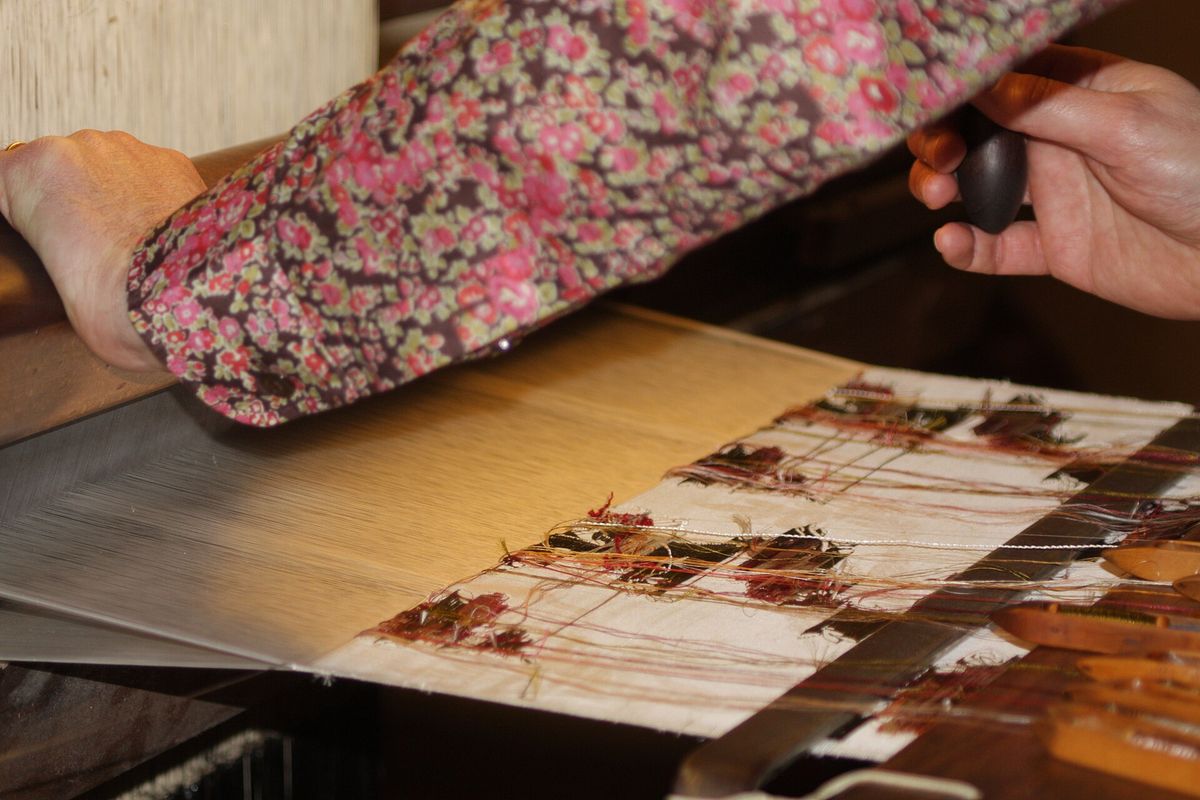
What about the two thousand hours? The number is real, and it is doing exactly the work the category needs it to do. Craft features document engraving in the range of 400 to 600 hours for a design of around thirty colors, one engraved screen per color, and figures approaching two thousand hours for the most complex designs. But that labor belongs to the design, not to your scarf. It is a fixed cost, incurred once, then amortized across a print run whose size no house discloses. Print the design on five thousand scarves and the celebrated two thousand hours contributes a few minutes' worth of labor cost to each one. The number is true and the implication is not, which is the precise anatomy of most luxury craft mathematics: a real cost, attached to the wrong object.
The gesture that actually belongs to your scarf, the hand-rolled hem, is thirty to sixty documented minutes. At documented French seamstress wages that is seven to fourteen euros of labor; this working prices it at four times that, and the multiple still reaches 4.5. The category's economics survive every generosity extended to them.
What France Already Requires
The scarf is also the object where the regulatory moment this institution has documented all summer becomes concrete. France's AGEC information decree has required, since January 2023, that textiles sold in France disclose the countries where weaving, dyeing and printing, and making-up took place. Those are precisely the chapters of a luxury scarf's biography: silk often reeled in Brazil or Asia, woven in France, printed in Lyon, hemmed wherever the hands are. The disclosure the category resisted as impossible is the national law of its home market, and the European product passport will generalize it. When the biography is mandatory, the working shown here stops being investigative journalism and becomes reading the label.
Coda: The Hem Is Real
Nothing here diminishes the hem. A person rolls it, skillfully, and the difference between a hand-rolled and a machine-rolled edge is visible to anyone who looks. The finding is about proportion: the category's most marketed gesture is under an hour of documented work in an object selling for four and a half times its fully-paid cost, while the number the marketing leans on belongs to the artwork, not the object. The scarf joins the series where the evidence placed it: above gold, where the material testifies and the multiple vanishes; below the perfume it resembles more than its makers would like, a beautiful surface where the price is mostly the story, and the story is now, at last, measurable.