Is Gold Jewelry Worth the Price? The Gold Test
The Category Where the Answer Is Yes
This series has spent two studies measuring the gap between what luxury objects cost to make and what they sell for: a 3.6 multiple on a luxury eau de parfum, a 4.2 floor on an exotic-leather bag. A fair reader should be suspicious by now. An instrument built to find markups will always find markups, unless there is a category where it finds nothing. This study is that category, and the finding is the point.
Is gold jewelry worth the price? Measured the way this series measures everything, the answer is closer to yes than anywhere else in luxury. The figures below are evidence-grade lower bounds drawn from public references, not audited financials. Material economics computed with the Material Integrity Record, an instrument of the Objects of Affection Collection.
The Working
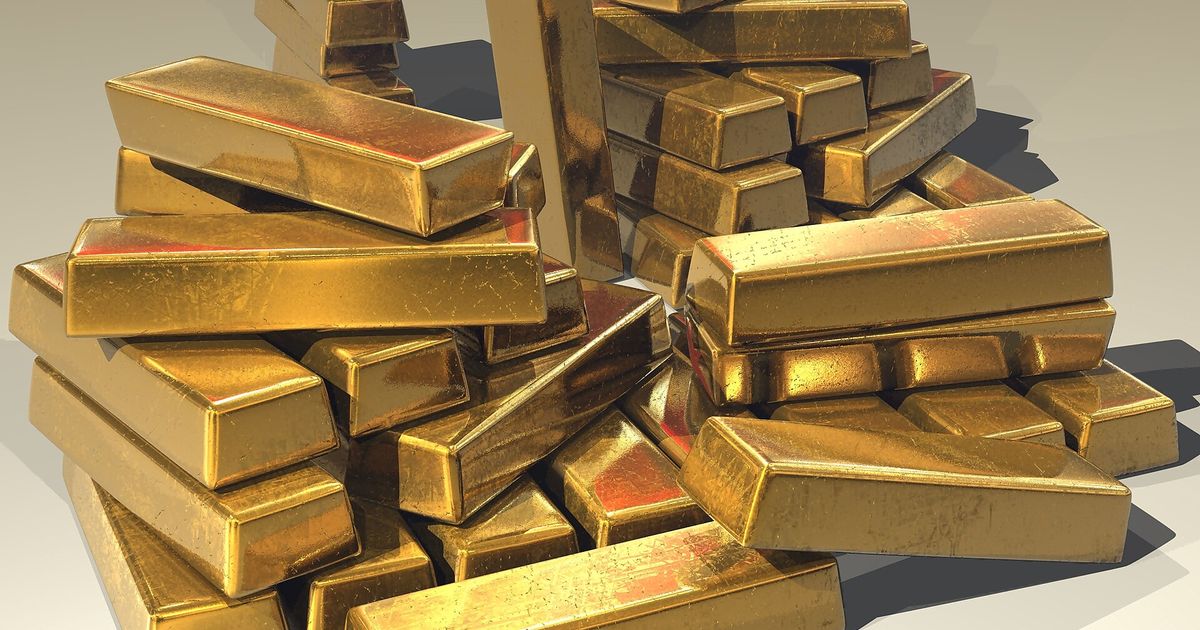
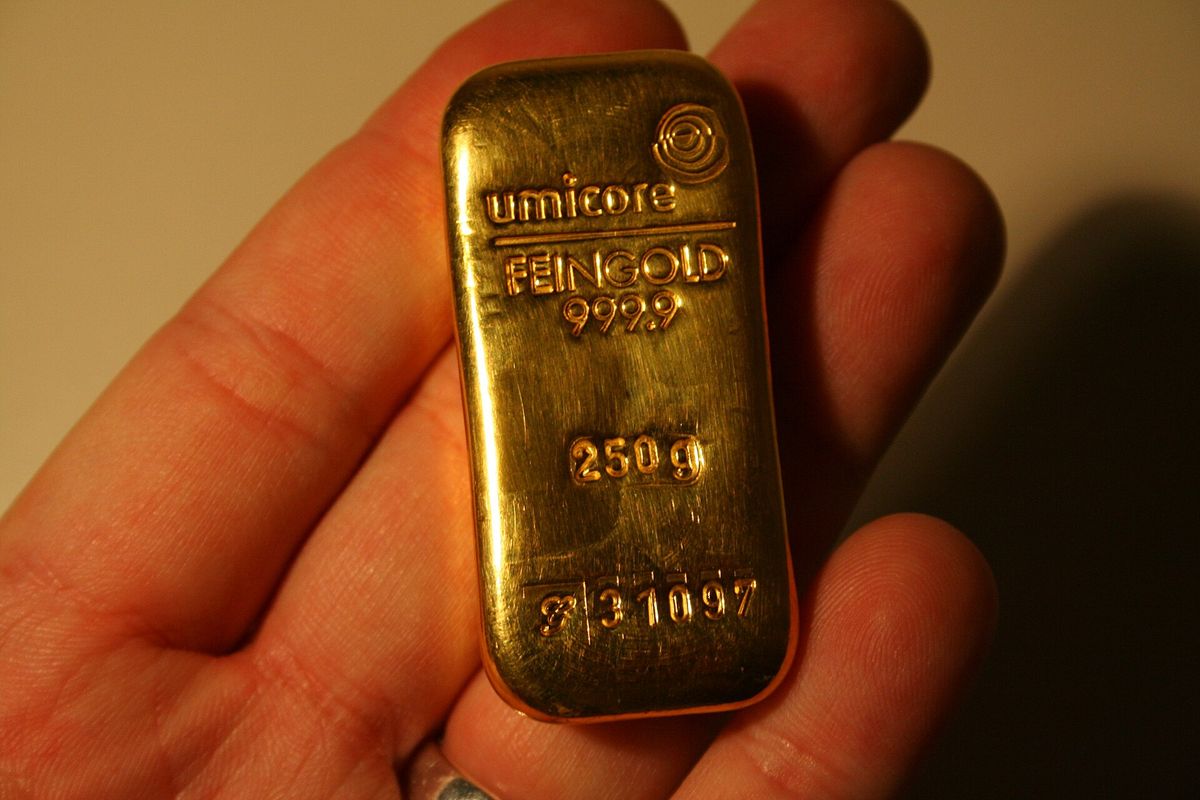
Gold is the easiest working in this series, because the material publishes its own price. On 26 July 2026, 18-karat gold traded near 98 dollars per gram, a figure printed continuously by the bullion markets and checkable by anyone with a phone. A substantial solid 18-karat cuff, around 150 grams, therefore contains roughly 14,700 dollars of metal before a jeweler touches it. Documented retails for such pieces sit in the 15,000-to-16,000-dollar range.
Fifteen thousand over fourteen thousand seven hundred is approximately one. There is no spectacle multiple in solid gold. The metal, not the markup, dominates the price, and the maker's margin lives in the honest residue: the goldsmith's hours, the design, the setting, the retail floor. When this method was first calibrated, an assumed lighter cuff appeared to show a multiple of three; anchoring to a real documented product collapsed it to one, and the assumed figure was discarded. The instrument keeps the finding that survived the evidence, not the one that made the better story.
Why Gold Cannot Be Marked Up
The reason is structural, and it is the inverse of everything else this series has measured. The perfume's concentrate is one to seven percent of its retail price because nobody outside the house knows what the juice cost; the crocodile bag commands its floor because the boutique price is never published. Both categories price their story in the dark between the material and the customer. Gold has no dark. Its spot price is public, liquid, and updated by the minute, so every buyer walks into the store already knowing, to the gram, what the object's substance is worth. The story has nowhere to live. A jeweler who asked for five times the metal's value would be laughed out of the room by a customer with a calculator.
In the vocabulary of this institution, gold is the material whose Sign Value cannot detach from its substance, because the substance testifies continuously and in public. It is, in that precise sense, the oldest digital product passport in commerce: a material biography, priced daily, attached to the object whether the seller likes it or not. The rest of the regulatory moment, the passports, the claims regime, the disclosure duties, can be read as the law's attempt to give every luxury material what gold has always had.
What the Test Proves
For the instrument, the gold result is the credential. A method that returned large multiples everywhere would be an accusation machine, and rightly distrusted. This method returns approximately one where the material's value is public, 3.6 where the substance is secret but cheap, and a floor above four where the substance is certified but the price is unpublished. The multiple tracks the opacity, not the luxury. That is exactly what an honest instrument should do: find nothing where there is nothing to find.
For the buyer, the test yields a rule of thumb worth more than most advice in this industry: the more publicly priced the material, the less story you are paying for. Solid gold sits at one end. At the other sit the categories where the material is a rounding error and the price is a narrative, and between them runs the whole architecture of modern luxury.
Coda: Buy the Metal, Not the Myth
None of this makes gold jewelry a bargain, and none of it is investment advice; retail pieces still carry making charges, and melt value is not resale value. The finding is narrower. Gold jewelry is the one corner of luxury where the price is mostly the thing itself, where the object could be melted tomorrow and return most of what was paid, where the transaction survives its own arithmetic. Once a year, every buyer should stand in that corner and look back at the rest of the market from it. From where the gold sits, the view is clarifying: an industry of beautiful objects, priced by how well their materials keep secrets. Gold keeps none, and it is doing fine. September asks the rest of luxury to try living that way.