Waste Is the Last Honest Valuation
Every price this institution has ever studied was produced in front of somebody.
An auction result exists because two parties were watching each other. A retail price is an offer made to an audience. An insurance valuation is a number produced for an insurer. A probate figure is produced for a tax authority. In each case a person or an institution states what a thing is worth while a counterparty is present and while something turns on the answer.
There is one moment when a person states the value of an object with nobody watching, no counterparty, no audience, and no incentive to misreport. It is the moment they throw it away.
The claim needs correcting before it can be used
Stated plainly, the thesis is that a discard is the only uncoerced valuation available. That is nearly right and it is not right, and the correction makes it sharper rather than weaker.
Throwing something away is not free. Removal costs money, or labour, or a trip, or a fee. So a discard is not a statement that the object is worth nothing. It is a statement that the object is worth less than the cost of getting rid of it, and the person has decided to pay that cost rather than continue holding the thing.
That is a more demanding claim than worthlessness, and it carries more information. It says the object failed a test with a real threshold in it. Somebody weighed continued keeping against a definite price and keeping lost.
Almost everything we know about the past is somebody's rubbish
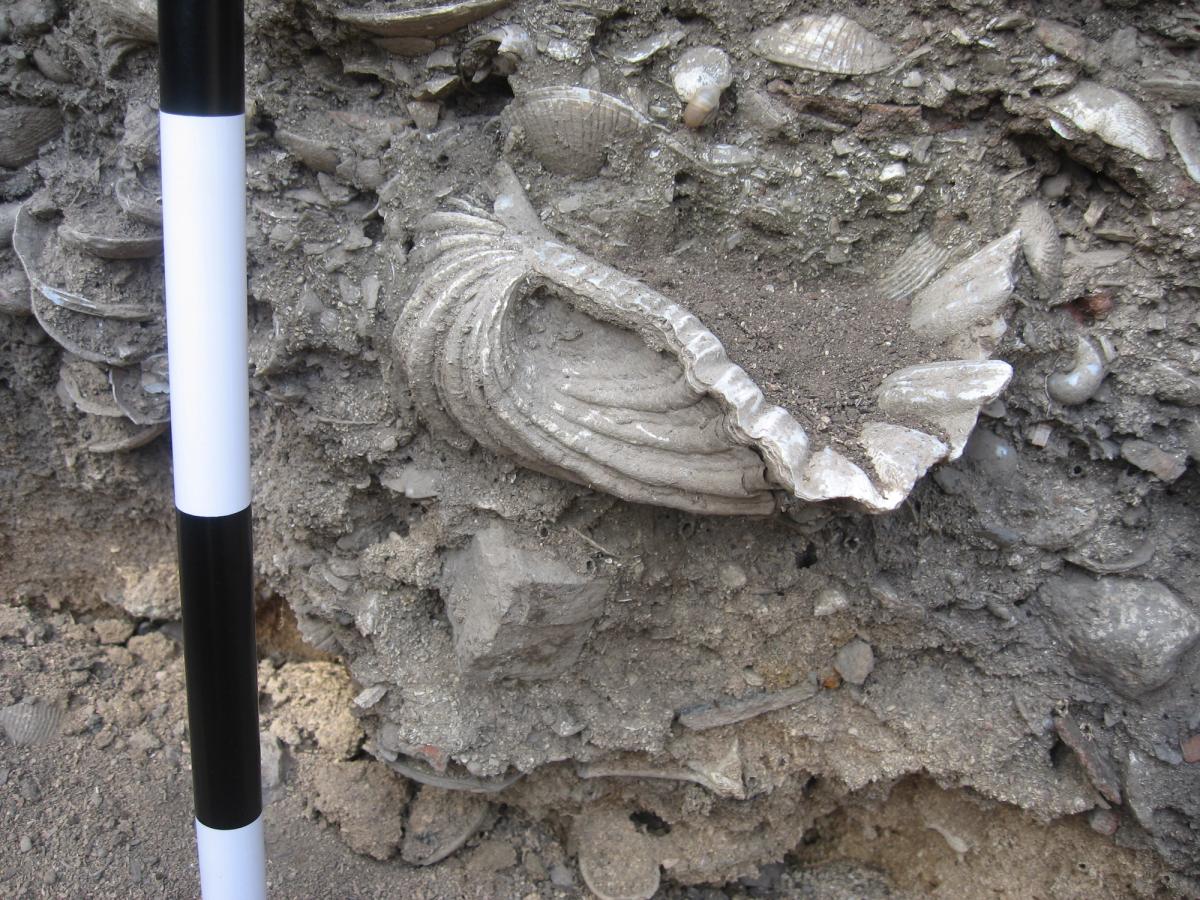
The archaeological record is overwhelmingly a record of discard. Middens, pits, backfill, spoil, the contents of a drain. This is not a limitation of the discipline, it is the discipline's primary material, and the field that excavates modern cities knows it better than anyone. Urban archaeology is very largely the excavation of what previous occupants of a site decided they no longer wanted.
Now consider the selection at work in that, because it inverts something this institution repeats constantly. The valued objects did not survive. They were curated, repaired, reused, passed to heirs, melted for their metal, cut down and remade. Being valuable is what put an object into circulation, and circulation is what destroyed it.
The objects that survive are the ones nobody wanted, dropped into a hole and covered. Discard is a preservation mechanism, and across a long enough interval it is the most effective one there is.
That is a complete inversion of the Burden of Preservation. The institution normally treats preservation as an active, expensive, deliberate act performed against decay by somebody who cares. On an archaeological timescale, deliberate care is what consumes objects and indifference is what preserves them. This institution has written about paying a very large sum to postpone the death of a single object, in the study of thirty million dollars and a delayed ending. The midden achieves the same outcome for free, by accident, and for everything.
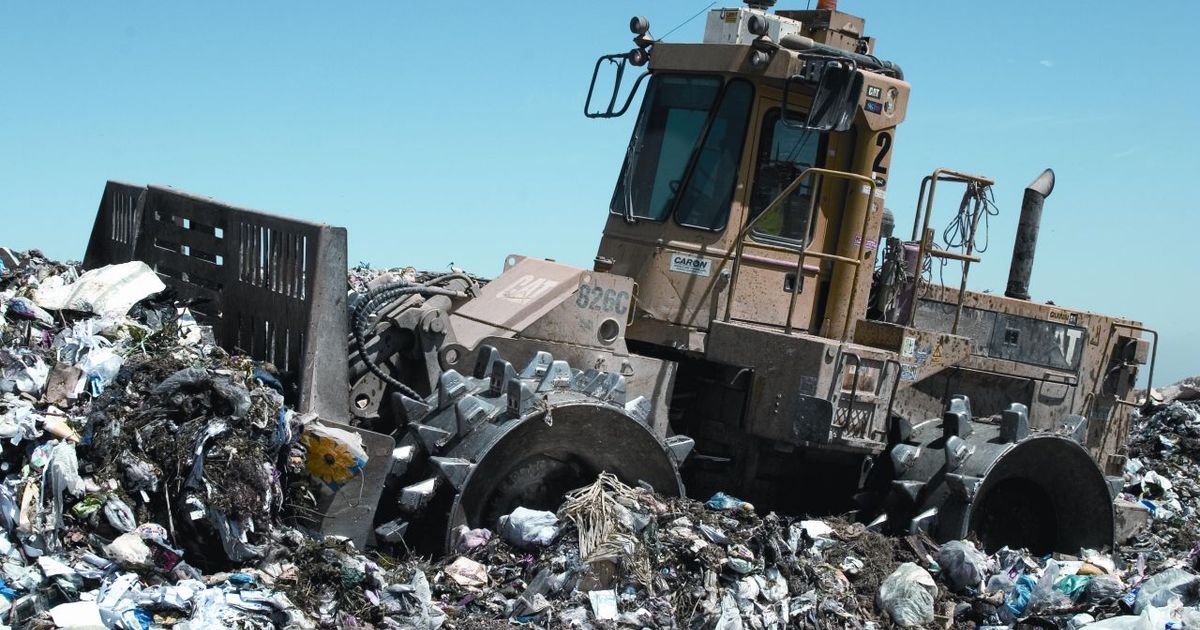
The modern extension of this is the excavation of landfill as evidence, work associated with the University of Arizona and its long-running project to treat contemporary refuse archaeologically. The material is held in university collections rather than in a museum, which is itself the point: a research library holds it, because nobody accessions rubbish as art.
Discard is the moment an object stops being an object
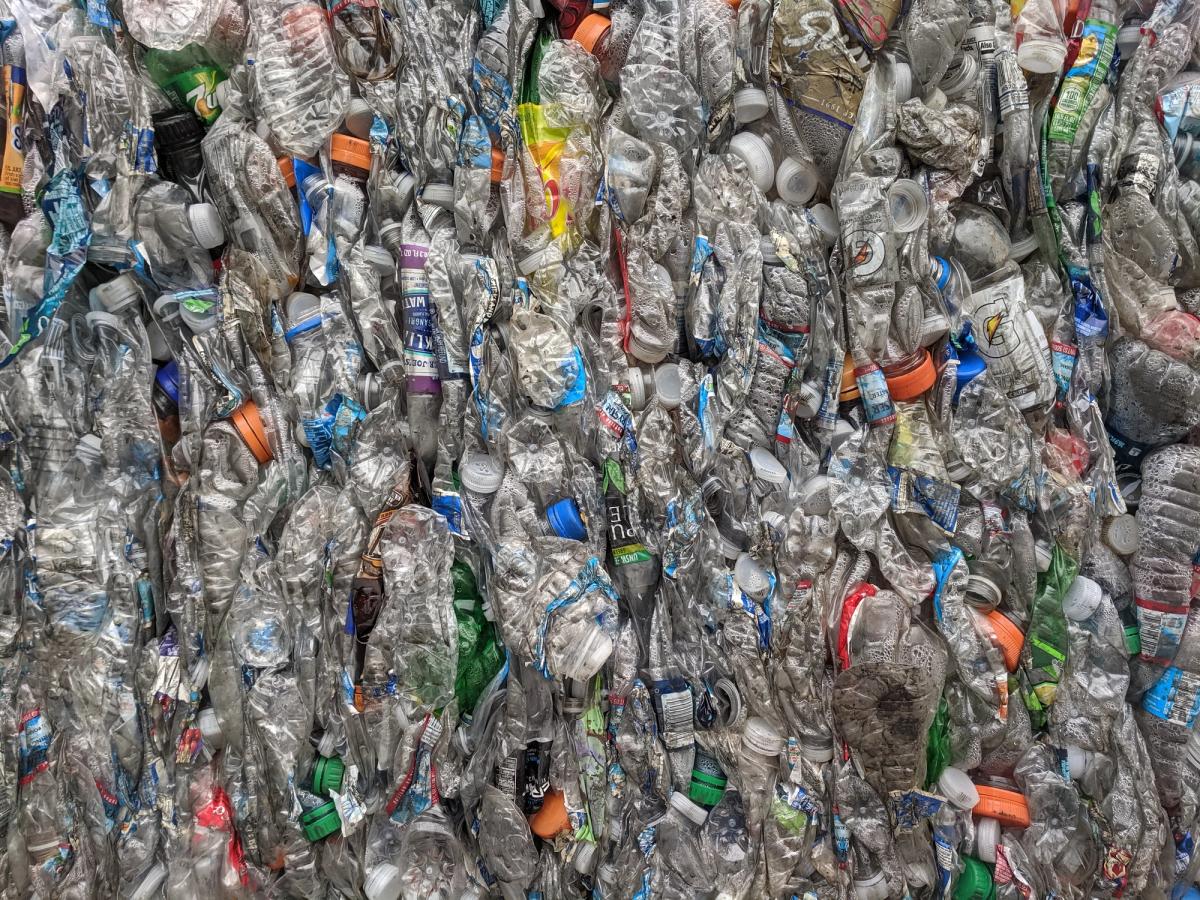
Everything downstream of the bin handles material, not objects. A waste stream is sorted by substance: this much paper, this much glass, this much aluminium, this much of a plastic identified by a number. The national accounting of what is discarded is denominated in tonnes of material, and the recovery process is designed to produce commodity feedstock rather than to recognise anything.
A bale of compressed bottles is not a collection of bottles. It has no members. Nothing in it can be individually identified, valued, returned or attributed, and the operation that produced it is irreversible in exactly the sense that matters here.
This is the terminal event for Material Singularity, running in reverse. The institution's argument is that a specific object, made of specific material, by a specific hand, is not interchangeable with another. The sorting line asserts the opposite as an engineering fact and is correct as an engineering fact. Singularity does not survive the bale, and the exact instant it ends is the instant the object enters a stream sorted by substance.
So a discard is not only a valuation. It is the last moment the thing is a thing. Every other event in an object's life leaves it identifiable afterwards, including theft, damage and neglect. This one does not.
The valuation is honest about the discarder, not about the object
The thesis needs a second correction and it is a real limit rather than a refinement.
A discard is contested immediately. Salvage operators, scrap merchants, secondary dealers, charity sorters and people who simply look in skips all run businesses on the gap between what one person will pay to be rid of a thing and what another will pay to have it. The existence of those trades is proof that the discarder's number was wrong about the object.
What the discard measures with real precision is the relationship, not the thing. It says this particular person, in this house, at this moment, with these storage constraints and this amount of patience, valued this object below the cost of removing it. That is a true and unobserved statement about a relationship between a human and a thing, which is the institution's actual subject rather than a consolation prize.
The global accounting of discarded food maintained by the United Nations Environment Programme exists because the aggregate of those private decisions is a public fact of enormous scale, assembled entirely from acts nobody performed for an audience.
The counterexample, and it is the one this institution has already written about
There is a large and important class of discard that breaks every premise above, and honesty requires putting it here rather than in a footnote.
When a company destroys unsold stock, it is not stating that the goods are worth nothing. It is preventing a number from coming into existence. Burning or shredding removes the goods before they can reach a discount market and establish a lower public price for the goods that did sell. This institution has examined the practice and its prohibition in the study of the destruction ban and in the study of one house abandoning shredding.
Read against the thesis, that is a discard performed with an audience, with a counterparty, and with a direct incentive to misreport. It is the exact opposite of the household case, and it produces the opposite epistemic result: instead of the most honest available valuation, it is an act whose entire purpose is to suppress one.
So the thesis holds only where the discard is private and unrewarded. The moment somebody is watching, or the moment the destruction protects a price, the discard becomes as strategic as any auction estimate. That the regulation of this practice arrived at all is evidence that the difference is material rather than philosophical.
The labour nobody records
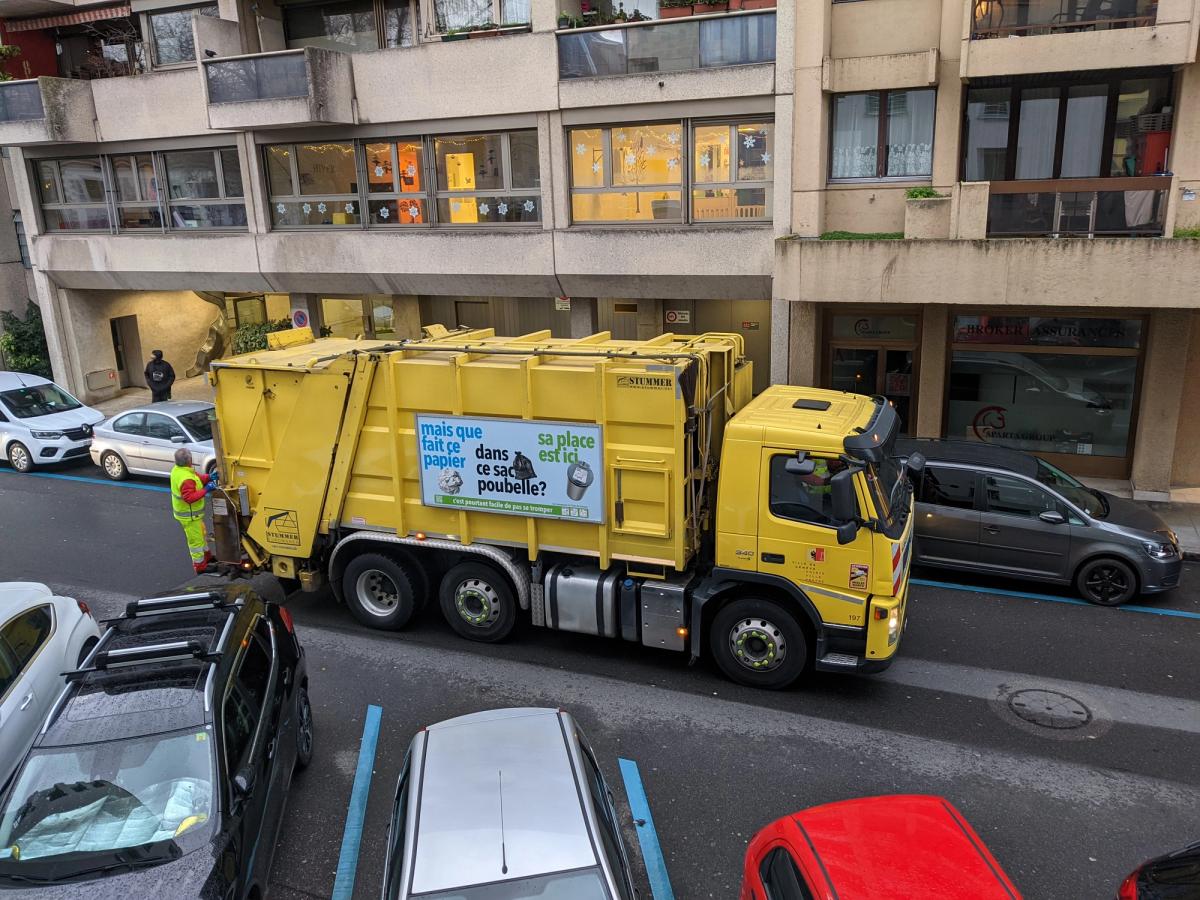
Discard is not an event that happens by itself, and the people who carry it out are the least documented participants in any object's life. Mierle Laderman Ukeles has made that her subject for decades, working with a municipal sanitation department and treating maintenance and waste handling as the material of the work rather than as its background. Her practice is represented by her gallery and has been shown at the Queens Museum.
The relevance here is not thematic. Every provenance chain this institution constructs names owners, dealers, auction houses and occasionally makers. None of them names the person who carried the object out, and yet for the enormous majority of objects that is the last human being to handle them.
A record that stops at the last owner is not a complete account of an object's life. It is an account of the part of the life that had a price attached, which is the same selection bias this corpus has now found in three separate places.
The fourth hole in our own instrument, and the pattern is now the finding
The Custodian's Contract is silent on disposal. It says nothing about whether a custodian may discard the object, under what circumstances, with what notice, or with what obligation to offer it back first. The founding argument for the instrument is set out in its own study and disposal does not appear in it.
This is the fourth gap found in that document in the course of writing about the parts of an object's life the corpus had never covered. The other three are the absence of a succession clause, the absence of any mechanism for a claim asserting a defect in the chain before this institution, and the absence of a term, a condition standard, or a party the object returns to.
Four independent studies, each starting from a different subject, each arriving at the same document and finding it silent. That is no longer four oversights. It is a single structural fact about how the instrument was written: it describes the moment of transfer with care and says almost nothing about the object's life before that moment or after it.
The corpus has the identical shape, which is why the two were discovered together. Thirty nine studies of value, all of completed transactions. A body of work about acquisition and sale, nearly silent on keeping, transmission and disposal. The instrument and the corpus share a blind spot because they were made by the same institution asking the same question, and the question was always about the moment money moved.
What is not established
No figures appear in this study. No tonnage, no proportion of the waste stream, no recovery rate and no valuation is quoted, because none was measured here. The national and international accounting bodies are named as the places such figures live, not as sources for figures asserted here.
The archaeological argument is stated at the level of the discipline's own general practice. No excavation, site, period or assemblage is cited, and the claim that valued objects survive less often than discarded ones is a structural argument from how objects circulate rather than a sourced quantitative finding.
The University of Arizona refuse project is described only as having existed and as having treated modern rubbish archaeologically. Its specific published findings were NOT read for this study and none is stated. The frequently repeated result about the gap between what people report discarding and what they actually discard is deliberately absent from the prose above for that reason.
The description of Mierle Laderman Ukeles's practice is general. Neither the date of her manifesto nor the terms or duration of her municipal residency was verified against a source that could discriminate for this study, so neither appears. Nothing here characterises the content of any individual work.