What Is Invasive Commodification?
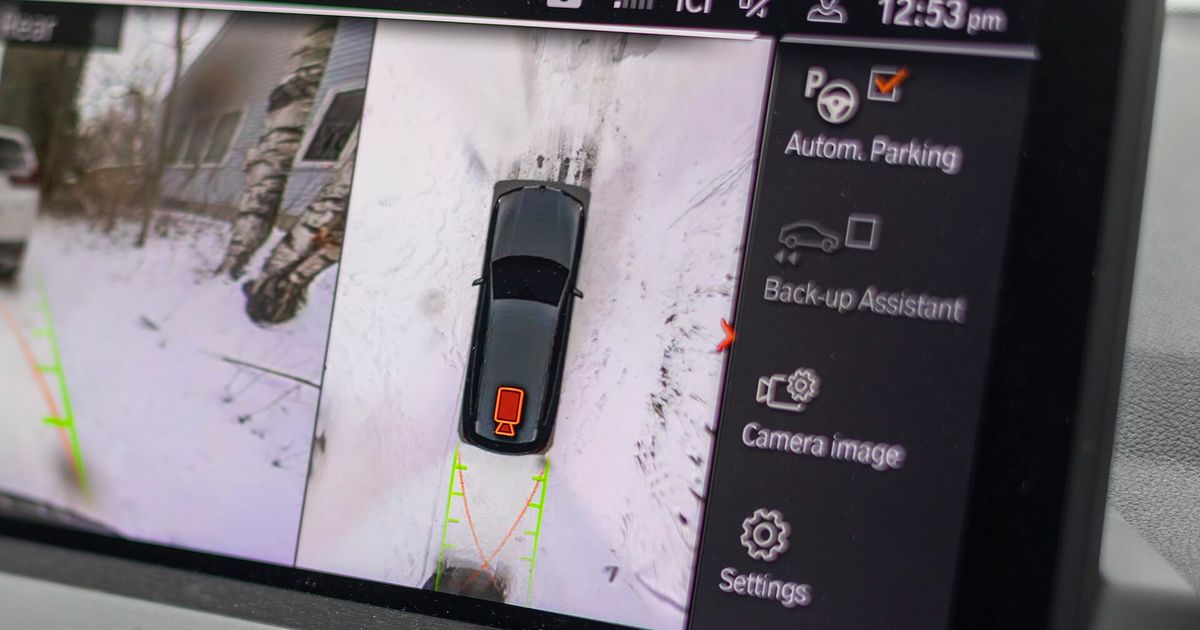
The Word
The Objects of Affection Collection coins the term Invasive Commodification and defines it as follows: The post-transactional exploitation of a physical or digital asset, wherein a manufacturer breaches the boundary of private ownership by remotely inserting unsolicited commercial messaging, third-party content, or secondary monetization into an individual's personal interface.
Three tests distinguish it from advertising as such, and all three must hold. It is post-transactional: the extraction begins after the money has moved, when the owner's leverage is spent. It is a boundary violation: a private interior, a car cabin, a living room, a machine on a desk, is re-coded as commercial space. And it is asymmetric: it arrives by over-the-air update or by default terms, so the owner is enrolled rather than asked. A billboard is not this. A discounted device that advertises by disclosed agreement is not this either. The name is for the case where something you finished buying changed its behaviour in your favour of someone else.
The Cleanest Case Is a Printer
HP's Instant Ink subscribers who cancel discover, as HP's own support documentation confirms, that the cartridges physically inside the machine stop working. Not the service. The plastic objects in the carriage, containing ink, in a printer on a desk in a house. HP's own support documentation explains the logic by comparing the arrangement to a cell phone plan, which is candid: the cartridge was never sold, it was lent, and the loan is revoked over the network.
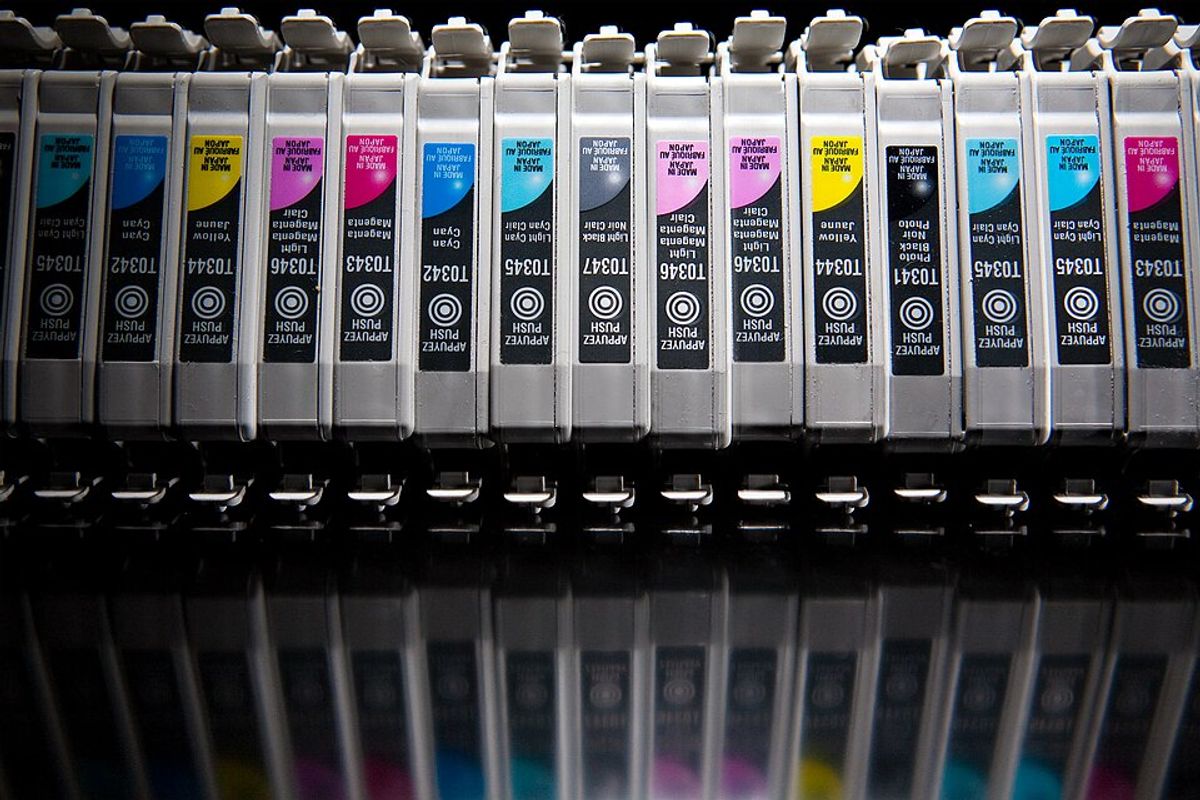
The same manufacturer's firmware has repeatedly disabled printers using third-party cartridges under a program it calls Dynamic Security. That practice reached a US settlement in March 2025, reported by The Register, in which HP paid no money to consumers and admitted nothing, but agreed to allow owners of twenty-one printer models to opt out. It is the only case in this study with a court outcome, and the outcome was a preference toggle.
The Television Watches Itself Being Idle
In September 2024, as FlatpanelsHD documented, LG began placing advertisements into the screensavers of its televisions, including flagship OLED models. The material is largely LG’s own promotional content rather than confirmed third-party inventory, and the honest form of the claim is that the surface was created and sold rather than that any particular advertiser occupies it. LG Ad Solutions announced the format to advertisers on 5 September 2024 under the title "Idle Time Isn’t Wasted Time," which states the premise of this study more plainly than the study could. The sequence is the informative part. Advertisers were told first, owners found it on 2024 sets late that month, and by late October it had reached older hardware. It arrived on OLED models including the GX of 2020, the B1 of 2021 and the B2 of 2022, delivered through webOS updates whose release notes did not mention it. It is enabled by default and can be switched off under Settings, then Additional Settings, then Screen Saver Promotion. That it can be switched off matters less than that it was switched on. A television bought four years earlier acquired an advertising surface it did not have when it was purchased, without its owner doing anything at all.

Roku sells brand placements inside the Roku City screensaver, an arrangement it has run since 2023 and describes openly in its own advertising materials. This is worth separating from what Roku has not done, because the distinction is the whole discipline of the term.
Patents Are Intentions, Not Practices
Roku holds a granted United States patent, number 12,177,520, for inserting advertisements over content arriving through an HDMI input, with a priority date in February 2022. Roku has publicly denied running such advertisements over HDMI, and its pause advertising is confined to its own home screen and channel. So the correct statement is narrow and it is the one this study makes: the mechanism is patented and is not in use. Ford, similarly, has a published patent application describing an in-vehicle advertising system that draws on passenger conversation, and Ford has disclaimed any intention to deploy it.
A patent is a claim on a future, and treating one as a present practice would be the same error this framework spends its time naming elsewhere. But the filings are evidence of something real, and it is not the feature. It is the direction of thought.
Read the two together and a shared engineering premise appears. Roku's patent describes detecting a pause partly by listening for extended silence in the HDMI audio feed. Ford's application states that when the occupants are not conversing, the number of advertisements presented can be increased. Neither is designed to interrupt attention. Both are designed to locate its absence. The gap where you stopped talking, paused the film, or set the controller down is being modelled as unsold inventory. LG's own marketing language completes the thought, describing idle screen time as what may be perceived as a period of downtime and offering to convert it into a valuable engagement opportunity.
What the Term Excludes, and Why That Matters More
A coined term earns its keep by what it refuses. Two familiar examples fail the definition and are set aside here deliberately.
Amazon's advertising-supported Kindle is sold at a lower price on disclosed terms, and the fee to remove the lock-screen offers is the difference between two products. Nothing arrives after the fact and nothing was concealed. Honda's decision to remove physical garage-door buttons and place the function behind a subscription is de-contenting and a paywall, both set at the point of sale rather than after it. Each is arguably objectionable. Neither is this.
The exclusions are the term's credibility. A name that stretches to cover every commercial annoyance describes nothing, and the first person to point out that a cheaper airline seat is also a discount for accepting a condition would be right.
Withdrawal Is Possible, Which Is the Only Good News Here
BMW piloted a monthly subscription to activate seat heating hardware already installed in the car, and withdrew it in September 2023, as Forbes reported. A BMW board member's stated reason is the most useful sentence in this entire set: acceptance was low and customers felt as though they were paying twice. The company concluded it would not put installed hardware behind a paywall. The subscription was never offered in the United States at all.
Mercedes-Benz took the opposite path and kept it. Its Acceleration Increase upgrade, announced by Mercedes-Benz USA, unlocks over the air power that the factory motors already produce: the EQE moves from 288 to 348 horsepower. It launched in the United States and Canada in April 2023. One figure needs correcting because it circulates widely, including in this institution's own working notes. Mercedes listed the upgrade at about 1,200 dollars a year on its consumer site in November 2022. At launch five months later the price was 600 dollars a year for the EQE and 900 for the EQS. Repeating the first number in the present tense is checkable and wrong.
Coda: The Sale as an Opening
What connects a disabled ink cartridge, a screensaver sold to an advertiser, and a patent that listens for silence is a single reframing of what a transaction is. The sale used to be the end of the relationship and the beginning of ownership. In each case here it is treated instead as an acquisition: not of a customer's money, but of a channel into a room.
The Collection's position follows from what it makes rather than from what it objects to. The answer to a maker who retains a key is an object with no lock to keep: nothing to update, nothing to enable, nothing to revoke. An object that cannot be altered after it enters your custody, because there is nothing in it left to alter. That is not nostalgia for dumb things. It is the recognition that permanence is now a design decision, and that most makers have quietly decided against it.