The Paradox of Narrative Permanence: How the Most Advanced Digital Infrastructure Is Being Deployed to Re-Humanise the Physical Object
This paper advances the Narrative Permanence Thesis as a critical framework for understanding the ontological transformation of luxury objects in the phygital era. Drawing on fieldwork conducted across three discourse tracks at the APA Summit Paris 2026 (the Genesis Project panel, Dr. Wided Batat's keynote address, and the session on Blending Physical and Digital Innovation), I argue that the luxury sector is undergoing a structural inversion: the most sophisticated digital technologies (distributed ledgers, NFT-backed provenance systems) are being consciously mobilised not to accelerate consumption, but to arrest it. Their function is archival, not promotional. Their purpose is the permanent tethering of human identity to the physical object.
Within the Post-Luxury Conceptual Functional Art (PLCFA) framework that governs this research, this constitutes a profound shift from Brand Sign dominance toward Material Singularity: from the logic of acquisition toward the ethics of custodianship. This paper maps that shift across three pillars: Narrative Permanence and Archival Provenance; Tactical Friction as Decommodification; and Stakeholder Sovereignty as Humanist Protocol.
THE OBJECT AT THE EDGE OF THE DIGITAL ABYSS
There is a central paradox structuring the most interesting intellectual work at the APA Summit Paris 2026, and it is this: the object is dying, and the very tools presumed to be the agents of its death are now being repurposed as instruments of its resurrection.
For the better part of two decades, the critical discourse surrounding luxury has been organised around a crisis of the sign. Following the Baudrillardian critique, luxury goods had drifted irrevocably from their material foundations into a purely semiotic register: objects valued not for what they are, or even for what they do, but for what they signify within a codified system of social distinction. The brand sign became the object. The logo eclipsed the leather. The hyperreal consumed the real.
What the APA Summit 2026 documents, however, is a counter-movement of considerable theoretical weight. A cohort of practitioners (watchmakers, architects, agricultural technologists, wealth managers) are refusing this logic. They are, as this paper will argue, practicing a form of what I term Craft as Protest: the deliberate, often economically irrational, reassertion of material truth against the frictionless tide of digital optimisation.
The question this paper poses is deceptively simple: When a craftsman in haute horlogerie embeds a digital ledger into a physical watch, not to speculate, not to brand, but to permanently record the identity of the individual who made it, what has he done? The answer, this paper argues, is philosophically transformative. He has created what the PLCFA framework designates as a Materially Singular object: an artefact whose value is no longer located in the prestige of the house that made it, but in the permanent, verifiable, humanist narrative of its specific creation.
This is the Narrative Permanence Thesis. It is the theoretical anchor of objectsofaffectioncollection.com. And it is what the APA Summit Paris 2026, read through the eyes of this collection, most powerfully illuminates.
THEORETICAL FRAMEWORK: THE PLCFA LEXICON
Before proceeding to the fieldwork data, it is necessary to establish the proprietary critical lexicon that governs this analysis. The Post-Luxury Conceptual Functional Art (PLCFA) framework is not a taxonomy of objects. It is a methodology for reading the conditions under which objects acquire, retain, or lose ontological depth. Its key terms are as follows.
Material Singularity
Material Singularity designates the condition of an object that has been sufficiently anchored to a specific human act of making that it resists assimilation into the generic register of the brand commodity. A singular object is one whose identity is inseparable from its provenance: not the provenance of the house, but the provenance of the hand. The singular object cannot be reproduced, because reproduction would produce a different object. Its value is ontological before it is economic.
Narrative Permanence
Narrative Permanence is the condition achieved when the human story of an object's creation is rendered irreversible: when the record of the maker, the material, the moment, and the method is permanently affixed to the object in a form that cannot be erased by subsequent transactions. In the current technological moment, this permanence is most powerfully achieved through distributed ledger systems and NFT-backed provenance architecture. The paradox, and it is a genuine one, is that the most ephemeral technological medium in history (the digital) is being deployed as the guarantor of material permanence.
The Hyperreal Consumer Landscape
Following Baudrillard, the hyperreal consumer landscape describes the condition in which the sign of the object has entirely supplanted the object itself in the consumer's field of value. In luxury, this manifests as logo culture: the fetishisation of the brand mark at the expense of the material reality it once authenticated. The PLCFA framework positions the hyperreal consumer landscape as the primary critical antagonist: the condition against which all genuine material culture must assert itself.
Tactical Friction
Tactical Friction designates the deliberate introduction of slowness, resistance, or analogue process into workflows that could, but must not, be fully automated. It is a counter-hegemonic practice: the assertion that certain phases of human creative or productive activity carry irreducible value precisely because they are inefficient. Tactical Friction is Craft as Protest. It is the sketching hand that refuses the AI prompt.
Custodianship vs. Acquisition
The PLCFA framework draws a fundamental distinction between two modes of relating to an object. Acquisition is the logic of the brand commodity: the consumer obtains the sign, deploys it in a field of social distinction, and moves on. Custodianship is the logic of the Materially Singular object: the holder of the object assumes a relationship of stewardship toward a human story that pre-exists them and will outlast them. To own a singular object in the custodial sense is to become the temporary guardian of a permanent narrative.
THE APA SUMMIT PARIS 2026: A FIELD READING
The APA Summit Paris 2026 functioned, from the vantage of Objects of Affection Collection, as an unusually rich field site: not because it resolved the contradictions of the phygital moment, but because it staged them with unusual intellectual honesty. Three discourse tracks are of primary relevance to this analysis.
Track One: The Genesis Project and the Watchmaker's Ontology
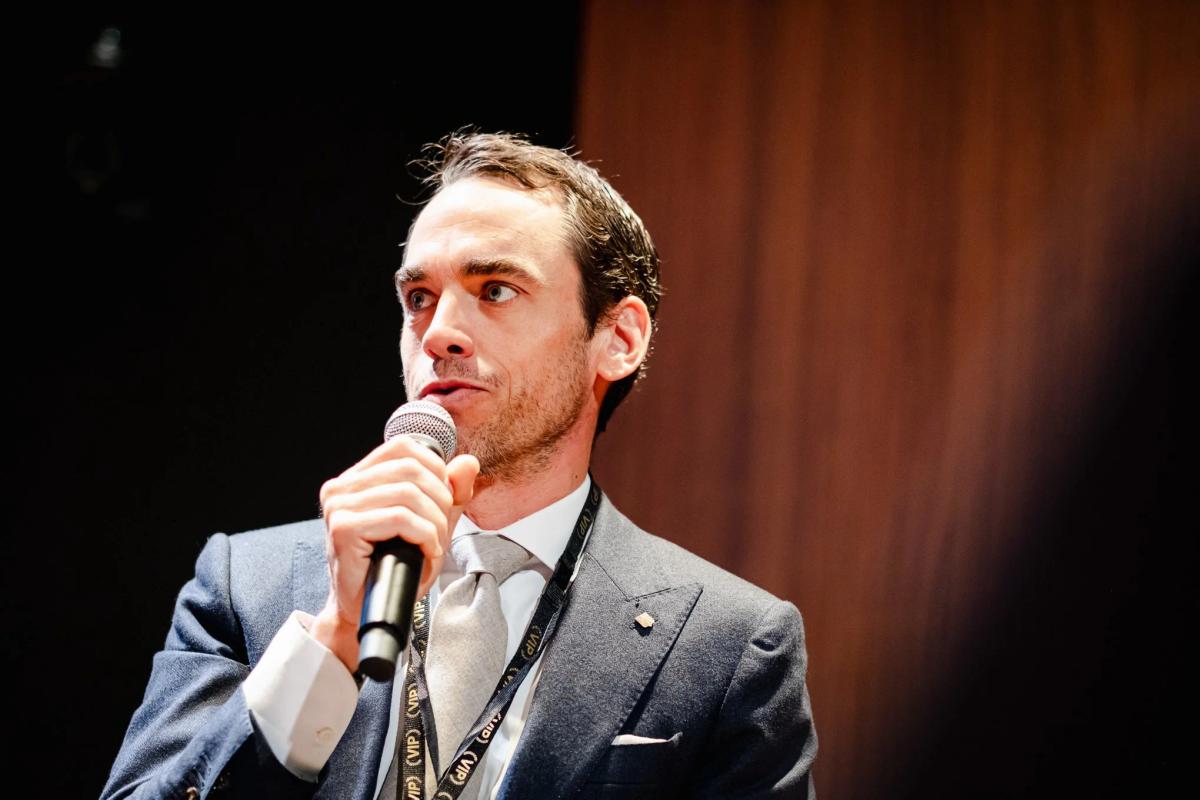
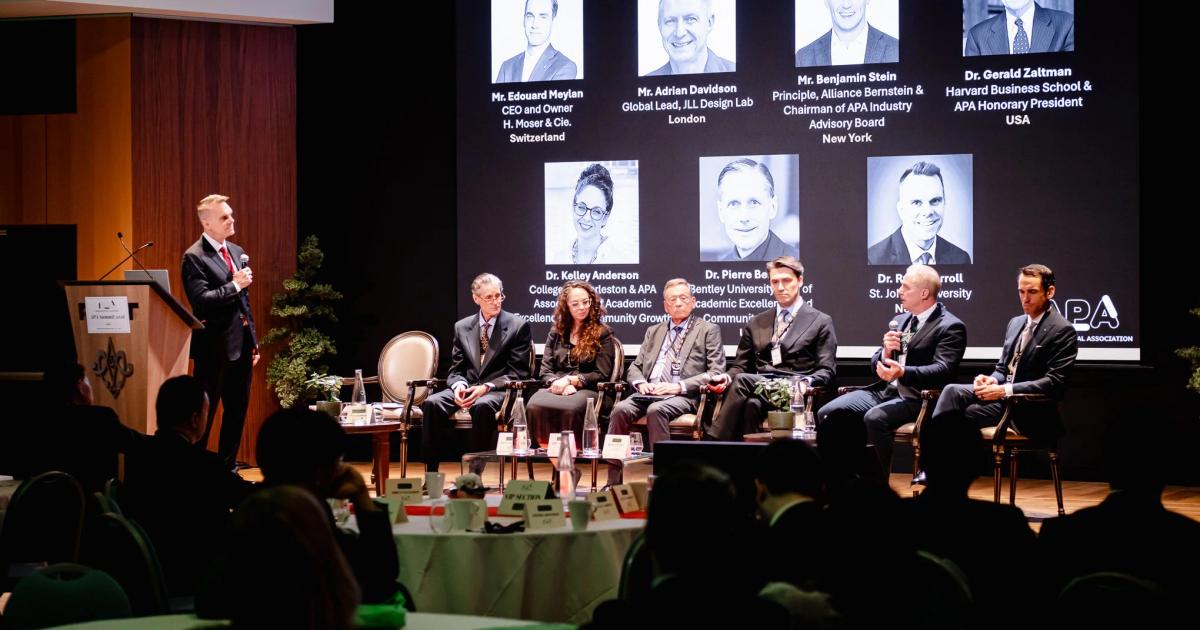
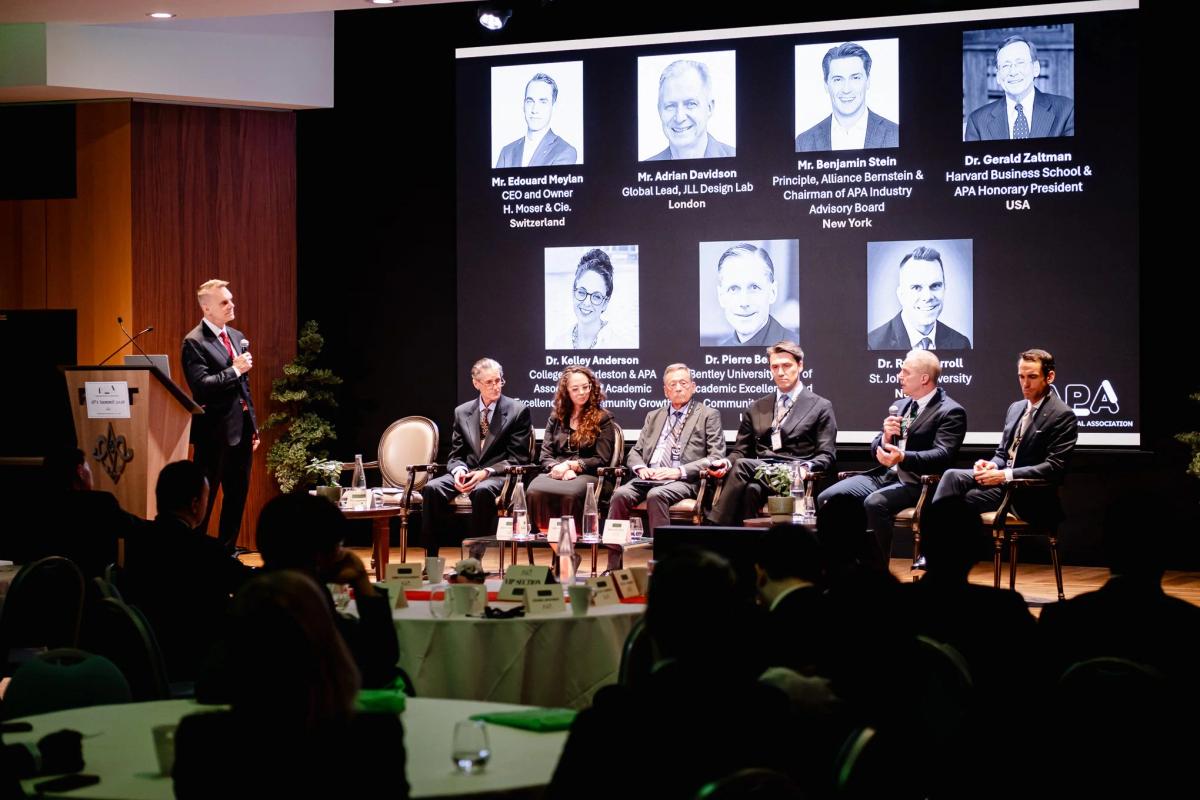
The most theoretically generative moment at the Summit was the account of the Genesis Project, presented within the Blending Physical and Digital Innovation panel. The project, associated with haute horlogerie and led by Edouard Meylan, represents what this paper will call the clearest existing instantiation of Narrative Permanence in material culture.
The Genesis Project's core proposition is this: each physical watch produced under its aegis is paired with a digital ledger, an NFT, that records not the brand, not the collection, not the retail price, but the identity of the specific watchmaker whose hands assembled it. The NFT functions as a time capsule. It is designed to survive every subsequent transaction, every change of ownership, every market fluctuation. When the object eventually enters a collection, when it becomes, in the language of this study, an object of affection, the narrative of its making travels with it, permanently and verifiably. It effectively solves the "Aura's End by using digital infrastructure to create fixity rather than liquidity.
Narrative Permanence: The use of digital tools to anchor physical objects in time, ensuring that the human story of the maker remains tethered to the object long after the initial transaction.
The theoretical implications of this gesture are profound. In classical luxury theory, the value of a watch is located in one of two places: the brand (the house, its history, its prestige hierarchy) or the material (the complication, the movement, the case metal). The Genesis Project introduces a third locus of value that is irreducible to either: the specific human biography of the maker. This is Material Singularity in its purest form.
What is particularly striking, from the PLCFA perspective, is the function the digital performs here. NFT technology is the child of speculative finance: it was born in a culture of rapid, frictionless asset trading, of objects whose value resided entirely in their market position within a volatile digital economy. The Genesis Project inverts this genealogy entirely. It uses the infrastructure of maximum liquidity to create conditions of maximum fixity: the permanent, non-transferable attachment of a human story to a physical object. The digital ledger does not accelerate the object's transit through the market. It anchors it in time.
This inversion is what the Narrative Permanence Thesis names as the central dialectic of the post-luxury moment. Advanced digital infrastructure is being re-engineered as a guarantor of material truth. The most ephemeral technology is serving the most permanent aspiration of material culture: the desire for objects that remember.
Track Two: Dr. Wided Batat and the Crisis of Meaning
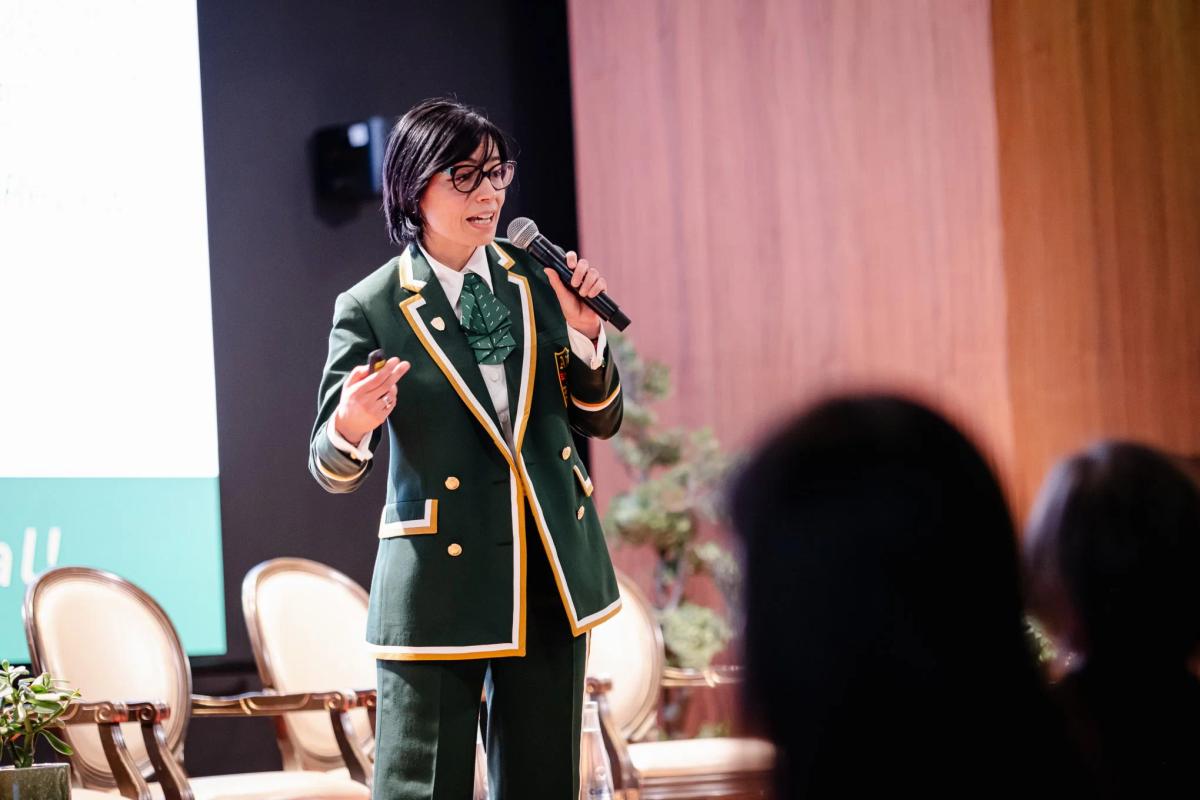
Dr. Wided Batat's keynote address at the APA Summit provided the Summit's most rigorous theoretical scaffolding and the one most directly in dialogue with the PLCFA framework. Her central argument, that the luxury and hospitality industries are experiencing a crisis of meaning driven by the prioritisation of copywriting logic over narratological depth, maps with unusual precision onto the PLCFA critique of "Root Marketing.
Batat's distinction between copywriting and narratology is worth dwelling on. In her schema, copywriting is the application of a pre-formulated brand message to a product or experience. It is, essentially, the language of the hyperreal: the sign applied to the surface of the material. Narratology, by contrast, is the science of meaning: the investigation of how stories are structured, how they generate affect, how they create the conditions for genuine identification between a human subject and an object or experience.
When Batat argues that luxury organisations must write narrative into their systems rather than apply it as a marketing veneer, she is making a claim that is structurally identical to the PLCFA concept of Narrative Permanence. The narrative must precede the brand signal. It must be intrinsic to the object or experience, not extrinsic to it. The object, in both frameworks, must contain its own truth.
Her concept of poly-created value is equally resonant. Where co-creation still implies a central author (the brand) who invites participation, poly-creation designates a distributed process in which value emerges from the entanglement of multiple human and material nodes. The brand is no longer the source; it is one element within a complex field. This is, in the PLCFA lexicon, the ontological shift from Brand Sign dominance to Material Singularity: value migrates from the prestige of the logo to the integrity of the system, a concept we have explored through "Artistic Dark Matter.
Batat's proposed institutional response, the Chief Phygital Officer (CPO), is, however, a site of productive scepticism within this analysis. The Summit fieldwork synthesis raises a necessary question: Is the CPO role a genuine structural intervention, or is it a bureaucratic accommodation of the crisis, a new management layer tasked with performing the resolution of a problem it does not actually solve? The PLCFA framework would insist on the following audit: Does the CPO's mandate include the protection of Tactical Friction? Does it create conditions for Narrative Permanence? Or does it simply optimise the interface between the hyperreal and the consumer?
By rejecting the tech-driven approach, Batat implicitly advocates for a Material Manifesto. Her insistence that narrative must be written into the system rather than applied as a marketing veneer mirrors the PLCFA demand for narrative permanence.
Track Three: Tactical Friction and the Architecture of Resistance
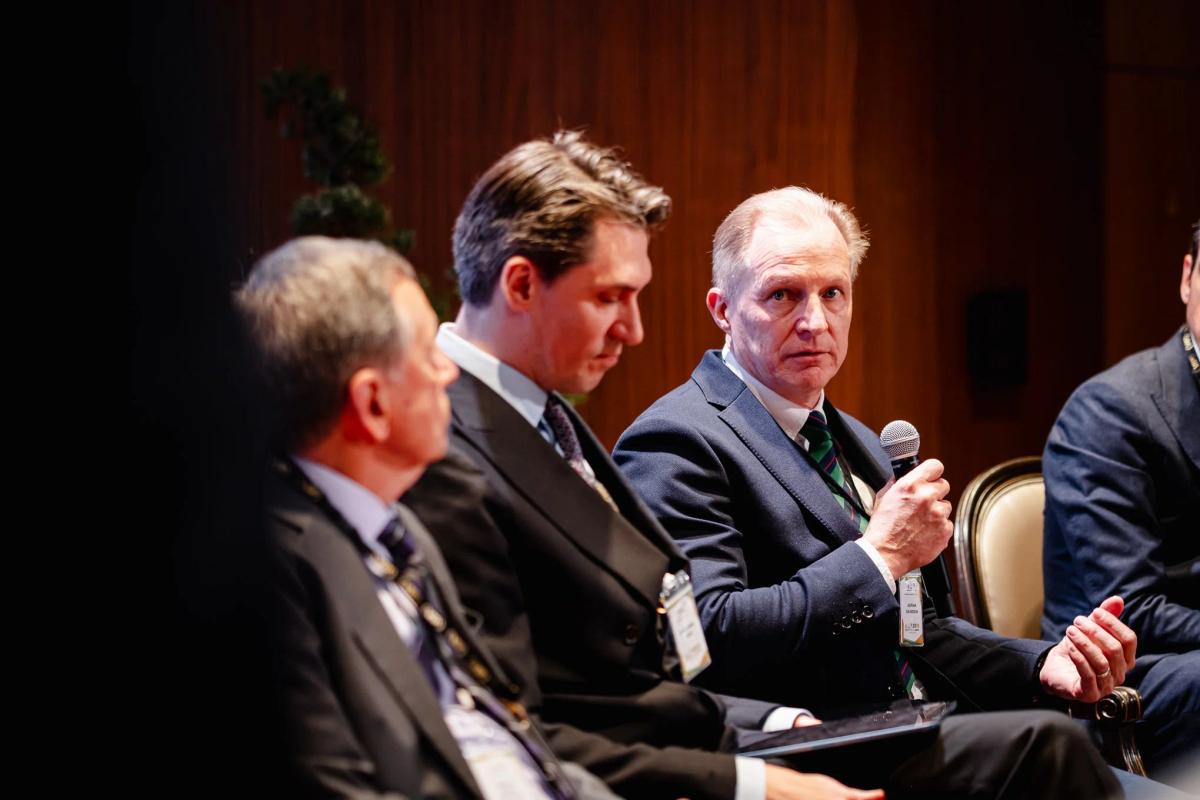
The third discourse track of relevance to this analysis is the account, provided within the Genesis Project panel, of architect Adrian Davidson's practice of deliberate analogue resistance. Davidson's insistence on hand-sketching as a precondition for digital development, his refusal to initiate projects with AI-generated solutions, is, within the PLCFA framework, a paradigmatic instance of "Tactical Friction.
The argument is not technophobic. Davidson is not refusing digital tools. He is sequencing them: the human cognitive process, slow, embodied, metabolically constrained, must precede the digital accelerant. The sketch is not a preliminary step toward the real work; it is the real work. The digital is the exoskeleton, as the Summit synthesis memorably puts it. The human process is the skeleton itself.
This practice has significant implications for the theory of value in material culture. If the inefficiency of the hand-sketched process is what produces the conditions for genuine originality, if the friction is where the meaning is made, then the pressure to automate this phase is not simply a practical threat to the architect's workflow. It is an ontological threat to the object that will eventually be produced. An architecture conceived entirely through AI prompt and generative output is, in the PLCFA sense, not a singular object. It is a statistically averaged object: a product of patterns rather than a product of a specific human metabolic encounter with a specific problem.
The agricultural application of this principle, exemplified in the Fruit Scout case study, extends the argument into an entirely different material domain. When the laborer on the agave plantation is given access to the same high-fidelity data as the executive, when the farmer's embodied knowledge of the terroir is treated as a data point of equal epistemic status to the satellite image, the organisation achieves what the Summit synthesis calls Stakeholder Sovereignty. The human sensor is not replaced by the digital sensor. The two are entangled, each enriching the other. This is Material Singularity applied to agricultural production: the acknowledgment that the knowledge of the hand, of the body moving through a specific landscape, is irreplaceable.
THE CENTRAL PARADOX: DIGITAL INFRASTRUCTURE AS HUMANIST ARCHIVE
At the centre of this paper's argument is a paradox that the APA Summit 2026 brings into unusually sharp relief, and that the Objects of Affection Collection is uniquely positioned to theorise.
The digital, in its dominant cultural form, is the enemy of the Materially Singular object. It is the medium of the hyperreal: fast, frictionless, infinitely reproducible, indifferent to the specific and the local. The digital economy is constitutionally hostile to the conditions that produce singular objects: slowness, specificity, the irreversibility of the human act of making. When the digital touches the luxury object in its most common manifestations, the Instagram post, the brand filter, the virtual try-on, it does not deepen the object's narrative. It converts it into content. It assimilates it into the flow of signals that constitutes the hyperreal consumer landscape.
And yet. The Genesis Project, the distributed ledger, the NFT-as-time-capsule; these are also digital. They are, in fact, among the most technically sophisticated digital applications in current use. What distinguishes them from the Instagram post is not their technical substrate, but their intentionality.
The intentionality of Narrative Permanence is archival and humanist. It asks: How can digital infrastructure be deployed to ensure that the human story of this object's creation outlasts every subsequent commercial transaction? How can the most ephemeral medium be made to serve the most permanent aspiration? The answer the Genesis Project provides is: by making the record of the human act of making the foundational unit of the object's digital identity. Not the brand. Not the price. The person. This is the ultimate defense against the simulacrum.
The object ceases to be merely a brand commodity and becomes a historical record. This creates a provenance that is verifiable, hyper-local, and human-centric.
This is what the Narrative Permanence Thesis asserts: that the most consequential use of digital technology in material culture is not the one that accelerates the object's transit through the market, but the one that arrests it, that fixes the object in time, in a specific human act, and ensures that this fixity endures through every subsequent exchange.
From the perspective of the Objects of Affection Collection, this thesis has direct implications for what it means to collect. The collector who acquires a Genesis Project watch is not acquiring a brand signal. They are not positioning themselves within a prestige hierarchy. They are assuming the role of custodian of a specific human story, a watchmaker's biography, permanently inscribed in the object they now hold. The relationship is no longer one of acquisition. It is one of the custodianship practices we defined in the "Custodian’s Contract. The object's value lies not in the market but in the permanence of the narrative it carries.
FROM ACQUISITION TO CUSTODIANSHIP: THE ETHICS OF THE SINGULAR OBJECT
The shift from acquisition to custodianship that the Narrative Permanence Thesis describes is not merely a change in the phenomenology of collecting. It is an ethical reorientation. To collect a Brand Sign object is to participate in a system of social distinction, a competitive, positional practice in which the object's value is relative and comparative. To collect a Materially Singular object is to assume a responsibility: the responsibility of preserving and transmitting a human story that the object carries.
This ethical dimension is embedded in the architecture of the Genesis Project itself. When Edouard Meylan speaks of embedding a watchmaker's identity permanently into the object, he is describing custodianship, not acquisition. Custodianship implies obligation. The custodian of an object does not own its story; they are entrusted with it. Their role is to ensure that the story survives the transaction and passes, intact, to the next custodian.
This is the model of the archive, applied to the personal collection. And it is, I would argue, the model that most accurately describes what collectors of genuine material culture have always, at their best, been doing, even before the language existed to name it. The collector who spends years hunting a specific piece, who understands the biography of the maker, who refuses to acquire an object whose provenance is uncertain, is practising custodianship in the fullest sense. What the Narrative Permanence Thesis adds is the technological infrastructure to make this practice formally verifiable and permanently legible.
The implication for the Objects of Affection Collection is direct. This study is, at its core, an argument for custodianship over acquisition, for the deep, attentive, historically informed relationship to the object over the frictionless, brand-driven, positional logic of consumer luxury. Every object discussed here is one whose story someone has invested care, attention, and time in. Every object here is, in the PLCFA sense, an object of affection: not merely desired, but known.
The Black Box Problem
The APA Summit synthesis raises, with admirable candour, what it terms the Black Box Problem: Does the digital ledger actually provide transparency, or does it simply replace one brand sign with a data sign? The NFT as time capsule is only as trustworthy as the infrastructure that generates it and the human actors who populate it with data. If the watchmaker's identity recorded in the ledger is a curated brand narrative rather than a genuine biographical record, then Narrative Permanence becomes indistinguishable from a more sophisticated form of marketing.
This is not a theoretical objection; it is a practical and political one. The PLCFA framework's response is the Stakeholder Sovereignty audit: Who controls the narrative that enters the ledger? Is it the brand? The house? Or is it the maker themselves, the watchmaker, the farmer, the architect? Genuine Narrative Permanence requires that the human agent whose story is being recorded has both the authority to determine that record and the ability to verify its accuracy. Without this, the digital ledger is merely a brand tool in a more technically sophisticated register. This transition requires the protection of the "thanatopolitics of the archive, ensuring that the entry into a collection is an activation of life rather than a functional death.
The Scalability Paradox
Material Singularity, by definition, resists scale. If an object derives its value from the irreplaceable specificity of its human making, then the conditions that produce singular objects are inherently limited, limited by the number of hands capable of the relevant craft, by the irreducible time required to exercise it, by the organic constraints of the materials involved. The luxury industry's structural pressure toward growth, toward the expansion of production volumes, toward the democratisation of access to prestige, is fundamentally incompatible with Material Singularity.
The APA Summit discourse acknowledges this tension without fully resolving it. The recurring appeal to digital scalability as a tool for democratising luxury sits uneasily alongside the PLCFA insistence on singularity. If the goal is that every consumer can access Narrative Permanence, the concept loses its ontological specificity. Narrative Permanence is not a feature that can be scaled. It is a condition that can only be achieved one object, one maker, one story at a time.
The Instagrammability Counter-Current
Perhaps the most significant counter-current documented at the APA Summit 2026 is the persistence (indeed, the vigour) of the hyperreal consumer logic that the Narrative Permanence Thesis is designed to critique. The recurring appeal to Instagrammability as a metric of experiential value, the obsession with branded AI as a consumer interface, the normalisation of logo injection in hospitality design: these are not marginal tendencies. They represent the dominant commercial logic of the luxury sector in 2026.
The Summit's consensus leans toward a critique of performative optimisation, the deployment of technology to perform the resolution of a crisis of meaning it does not actually address. But this consensus is, at present, a critical minority position within the industry. The PLCFA framework is not describing what the luxury sector is doing. It is describing what it must do if it wishes to produce objects of genuine, durable, humanist value. The gap between these two positions is the field in which this research operates.
THE OBJECT THAT REMEMBERS
The APA Summit Paris 2026, read through the interpretive lens of Objects of Affection Collection, is a document of a sector in genuine theoretical transition. The practitioners gathered in Paris are, in their most interesting moments, working at the intersection of the most advanced digital infrastructure and the most ancient aspiration of material culture: the desire for objects that remember.

The Narrative Permanence Thesis names this aspiration and provides it with a theoretical architecture. It argues that the most consequential thing a digital ledger can do is not create a new asset class, but preserve an old story. It argues that the transition from Brand Sign dominance to Material Singularity is not a nostalgic retreat from the digital; it is the most sophisticated use the digital has yet been put to in the service of material culture. And it argues that the shift from acquisition to custodianship, from the positional logic of the brand commodity to the ethical logic of the singular object, is not a niche preference of a critical minority, but the only sustainable model for luxury in an era defined by the exhaustion of the hyperreal.
Objects of affection are not acquired. They are inherited, in the deepest sense: entrusted to us by the human act of making, and entrusted by us to those who come after. They carry their stories not in their branding, but in their material truth. They are, as this thesis has argued, singular, and it is in their singularity that they’re achieving a "Value Beyond Price.
The watchmaker signs the movement. The ledger records the signature. The collector assumes the custodianship. The story persists. That is Narrative Permanence. And that is the argument this collection will continue to advance.
Authored by Christopher Banks, Anthropologist of Luxury & Critical Theorist. Office of Critical Theory & Curatorial Strategy, Objects of Affection Collection.