Tony Cragg European Culture Prize 2026: What a Prize Does
On material covenant, the logic of prizes, and what institutional recognition does to an artist who built for resistance.
The Material Covenant
Tony Cragg has spent nearly fifty years persuading materials to speak for themselves. Since relocating from Liverpool to Wuppertal in 1977, completing his MA at the Royal College of Art and choosing, with deliberate strangeness, to root himself in a German industrial city rather than the London or New York art market circuits, Cragg has built a practice that treats the sculptor's studio as a laboratory of material intelligence. Nearly five decades of continuous production in one place is itself an argument: the work is not portable in the way that careers optimized for the market are portable. It is anchored to a specific material and institutional environment, and that anchoring is part of the meaning.
His position is explicit and unusually principled in contemporary art: "Each material calculates its own form." Not the sculptor, but the material. Not the artist's will imposed on inert matter, but a negotiation in which the matter holds its own logic. In Cragg's vocabulary, Material Singularity is not a critical lens applied from the outside; it is the operational premise of the work. The sculptor's task is to become responsive enough to material properties that the form which emerges is the form the material, given sufficient skill and attention, was always going to produce.
This is important context for reading the 2026 European Culture Prize. The prize arrives at an artist who has publicly, consistently, and philosophically resisted the decoupling of object from material substance. The question this study asks is not whether Cragg deserves the prize (a category error, since "deserving" implies the prize is the measure of the work, rather than the work being the measure of the prize) but what the prize does to a practice built on exactly that kind of resistance.
Each Material Calculates Its Own Form
In the early works, the material logic was literal. Britain Seen from the North (1981), now in the Tate collection, assembled fragments of colored industrial waste into a relief map, turned on its side, of the British Isles. The work operated at two registers simultaneously: a sociological argument about Thatcher-era economic geography, and a formal argument about the capacity of discarded material to carry meaning that was never assigned to it by a designer or manufacturer. The material arrived at the studio with its own history, its own staining, its own specific weight and color; Cragg recognized what it was already trying to say.
He has described his relationship to materials with a frankness that borders on the philosophical: "The word material originates from the Latin word mater, mother, so why wouldn't material be something that we love and respect and hold in high regard." And elsewhere: "I'm an absolute materialist, and for me material is exciting and ultimately sublime." These are not artist's-statement assertions written for a press release. They are consistent with fifty years of documented practice, which is what makes them credible rather than merely quotable.
"Each material calculates its own form." Cragg's fifty-year practice rests on the proposition that the sculptor's task is to become responsive enough to material intelligence that the right form emerges rather than being imposed from without.
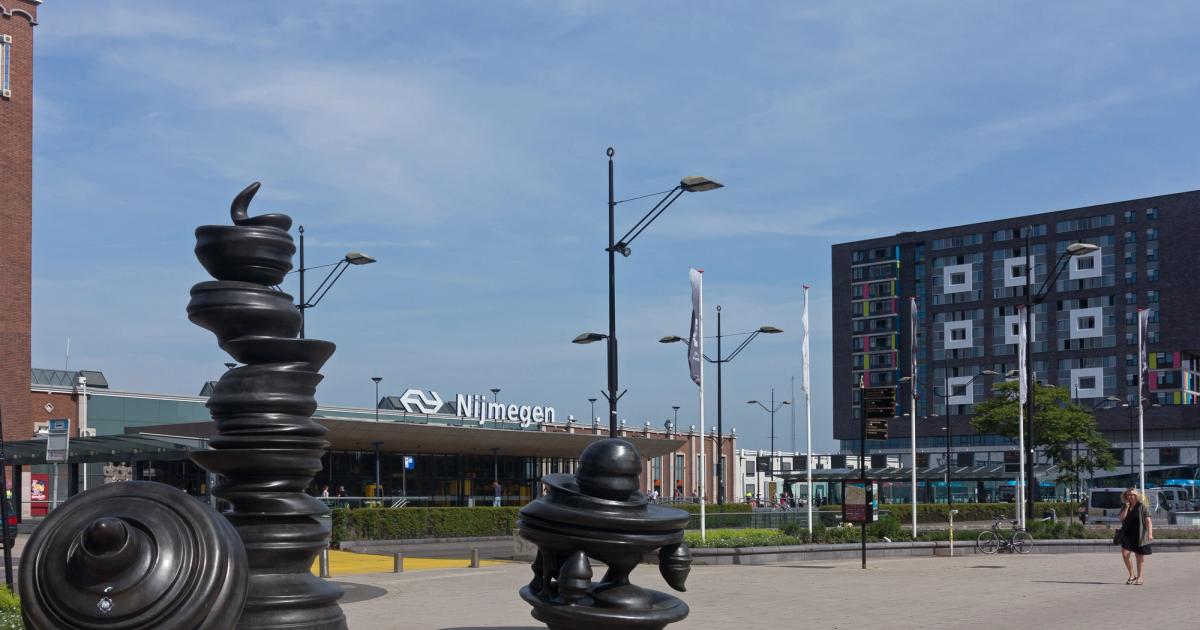
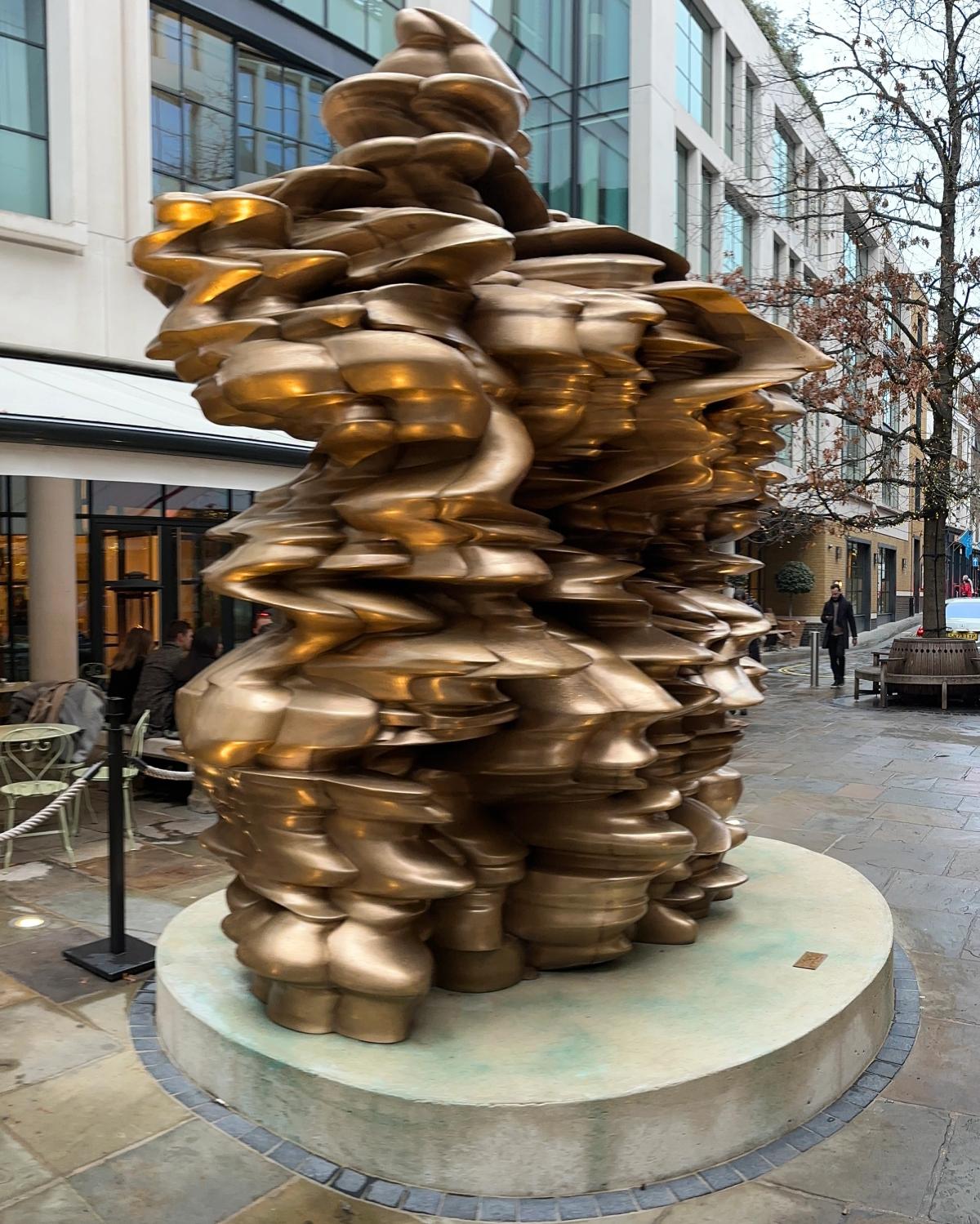
By the 1990s, this philosophy produced two sustained series. The "Early Forms" reimagined everyday containers (bottles, chemical vessels, laboratory glassware) as cellular metaphors, their surfaces flowing and undulating, the utilitarian origin still visible but transformed into something that read as biological, almost alive. The "Rational Beings" translated gestural drawings into layered vertical structures, using carbon fiber over polystyrene cores to achieve forms that blurred the boundary between abstraction and figuration. Both series share a governing quality: the material's physical properties are not overcome by the artist's skill; they are disclosed by it.
Across fifty years of work in bronze, steel, aluminum, wood, plastic, glass, and wax, the governing principle has remained consistent: Labor Density as method. The sculptor's hours are not hidden inside a polished surface; they are the structure. Each formally complex work carries a visible record of the decision-making, the material's resistance, and the negotiation between what the artist intended and what the substance would permit. The labor is not erased to produce the object; it constitutes the object.
The Turner Prize and the First Institutional Encounter
The 2026 prize is not Cragg's first encounter with institutional recognition. He won the Turner Prize in 1988, at a moment when the prize was still finding its identity as a platform for contemporary British art, before its later reputation as a machine for generating controversy. The Turner Prize of 1988 was an early-career validation of exactly the kind of material seriousness Cragg had been demonstrating since his found-object works of the late 1970s. It confirmed what critics and curators already suspected: that this was a practice with long-term claims on the canon.
What happened to his markets after 1988 is instructive. The Turner Prize accelerated auction interest in his work. Secondary market prices moved. Critics who had previously written about him as a formalist with interesting ideas about material began to write about him as a canonical figure. The institutional imprimatur did its work, as it always does. Recognition confers the kind of Narrative Permanence that cannot be achieved through making alone, however serious and sustained the making is. An artist's story, in the cultural market, requires institutional ratification to calcify into a canonical account.
But Cragg's practice did not shift after 1988. The work before and after the Turner Prize follows the same material logic. What changed was the interpretive frame the market placed around it: the artist who wins the Turner Prize acquires a durable biographical fact that attaches to every subsequent work, every auction estimate, every catalogue entry. This biographical fact is real and significant and has nothing to do with the material properties of bronze or steel or glass. It is a symbolic addition to a material substrate that symbolic value cannot touch directly, but can price from the outside.
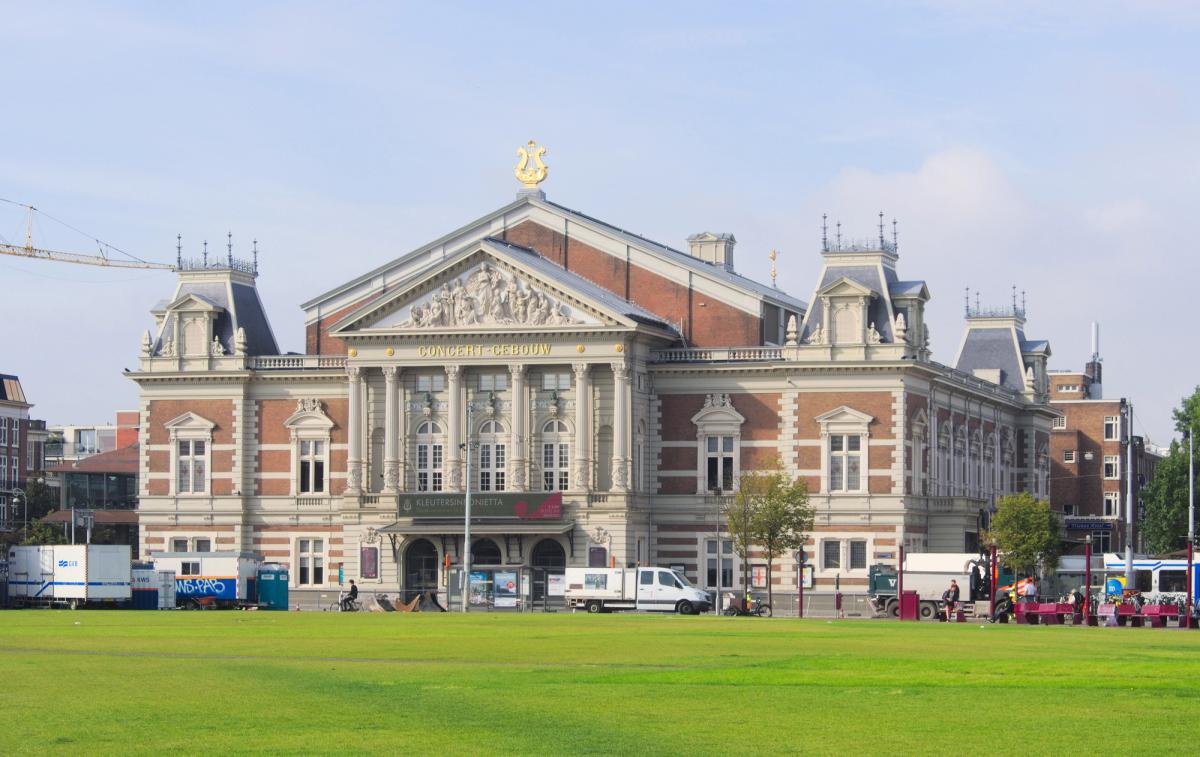
The 2026 European Culture Prize now extends this pattern at a higher institutional register. The Turner Prize is a national recognition; the European Culture Prize operates at a continental level, with a ceremony at the Royal Concertgebouw in Amsterdam on September 4, 2026, a building whose own cultural prestige reinforces the prestige of the prize. The geometry of institutional recognition is specific: a concert hall built for classical music becomes a theater for the cultural validation of a sculptor. The setting is the message.
The Prize Machine: European Cultural Forum
The European Culture Prize has been awarded since 2012 by the European Cultural Forum, an organization whose stated mission is to recognize "achievements of outstanding significance for European culture." Previous recipients include Gerhard Richter, Vivienne Westwood, Sol Gabetta, Neo Rauch, and Rolando Villazón: a list that cuts across disciplines and career stages but shares a common quality of established, institutionally legible significance. The prize does not discover artists; it confirms them. It operates downstream from critical reputation, not upstream from it.
This year, Cragg joins Iris van Herpen (fashion designer) and Famke Janssen (actress) as 2026 honorees. The multi-disciplinary structure of the prize is important: it is not a sculpture prize, not an art prize in the narrow sense, but a cultural prize in a broad register. The Forum's citation honors Cragg as "one of the most significant sculptors of our time" whose "works uniquely combine science, nature, materials research and artistic vision." The citation is accurate. It is also, in its compression of fifty years of material inquiry into a single descriptive phrase, a kind of gentle violence against the specificity of the work.
Felix Krümer, Director General and Artistic Director of the Kunstpalast Düsseldorf, will deliver the laudatory address. Krümer and Cragg collaborated on the acclaimed "Tony Cragg: Please Touch!" exhibition, which is to say the presenter is not a stranger to the work's material demands. The laudatory address will almost certainly be informed by genuine familiarity with what Cragg does in the studio and why. This does not change the structural function of the event: the prize is a prize, and prizes do what prizes do.
The prize functions as what OAC identifies as an Aura Transaction: a formal transfer of symbolic capital from an institution with accumulated prestige to an individual whose reputational standing is elevated by the exchange. The transaction is not fraudulent or cynical; the Forum's recognition of Cragg's career is, by any reasonable assessment, appropriate. The problem is structural rather than evaluative. The aura transaction happens regardless of the sincerity of the participants, because it is the mechanism of the event, not merely its intention.
What the Prize Does to the Object
In Baudrillard's reading of contemporary culture, the object's sign value progressively detaches from its use value and eventually from its exchange value entirely. The prize mechanism is a particularly efficient instrument of this detachment: it takes an artist whose work carries documented Labor Density (Cragg's practice requires studio time, material knowledge, skilled fabrication, and sustained philosophical commitment across decades) and converts that density into a single symbolic fact: prize winner.
The conversion is not neutral. After a prize of this caliber, Cragg's work enters a different market tier. The Speculative Velocity around his objects accelerates: dealers revise asking prices, collectors reassess holdings, auction estimates shift upward. None of this reflects a change in the material logic of the work. A bronze from 2018 and a bronze from 2026 carry equivalent Labor Density; the post-September-4 specimen carries a higher symbolic load because of a ceremony in a concert hall in Amsterdam. The material is unchanged. The price is not.
This is the structure OAC calls the Hollowed Object: work whose market value has been decoupled from its material covenant, whose price now reflects symbolic accumulation rather than the density of making. To be precise: the prize does not hollow the object's material substance. A Cragg bronze after the prize is still governed by the same material logic, still shaped by the same negotiation between sculptor and substance. What is hollowed is the relationship between that material logic and the price. The prize inserts a variable the material cannot account for, because it is not material.
This pattern is familiar across the sectors OAC studies. As this institution's analysis of labor multiples demonstrated in study 158, the gap between what a thing costs to make and what it costs to own is not primarily a material gap: it is a symbolic one, generated by the layering of prestige, heritage, and institutional validation onto a material substrate that the market has long since stopped pricing for its own properties. The European Culture Prize is the fine art sector's equivalent of that layering. Labor Density is constant; symbolic premium now accelerates.
Waldfrieden: The Counter-Institution
Against this reading, however, stands the Waldfrieden Sculpture Park, and it stands as something more than a footnote to Cragg's biography.
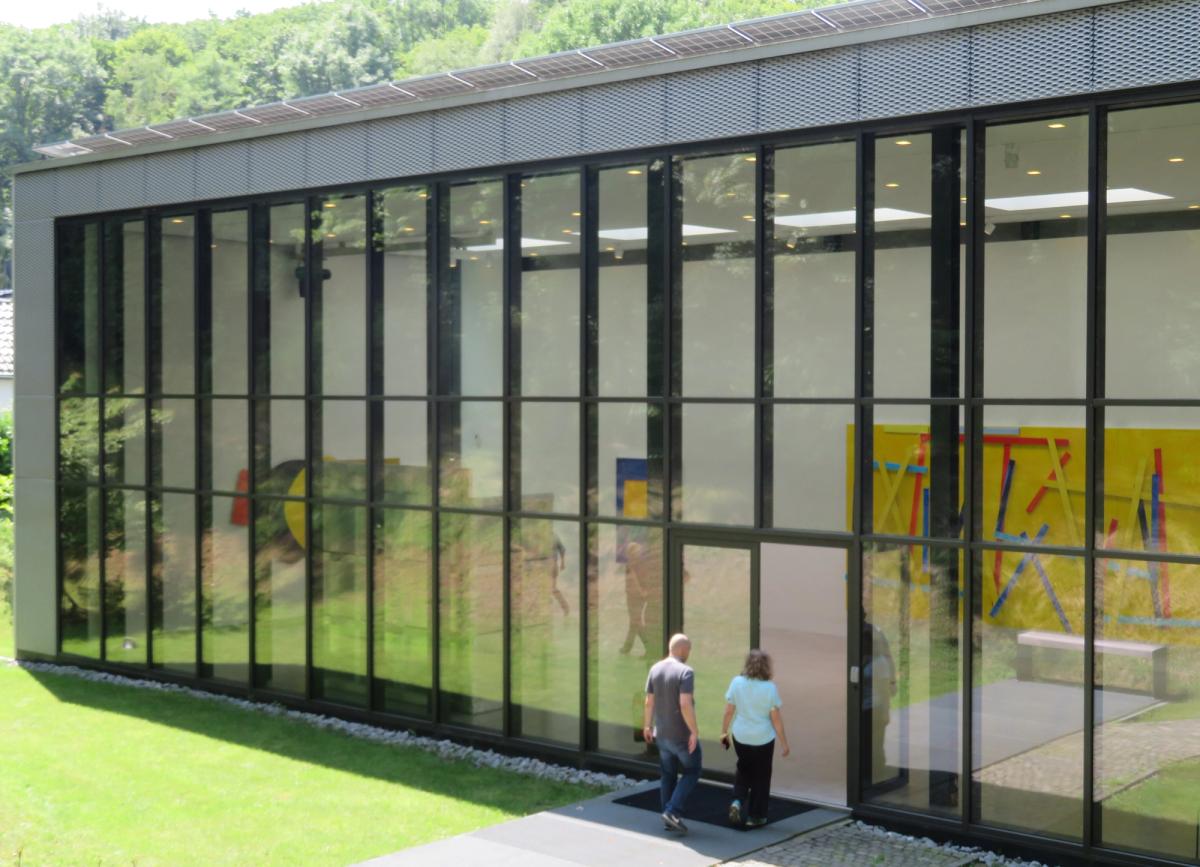
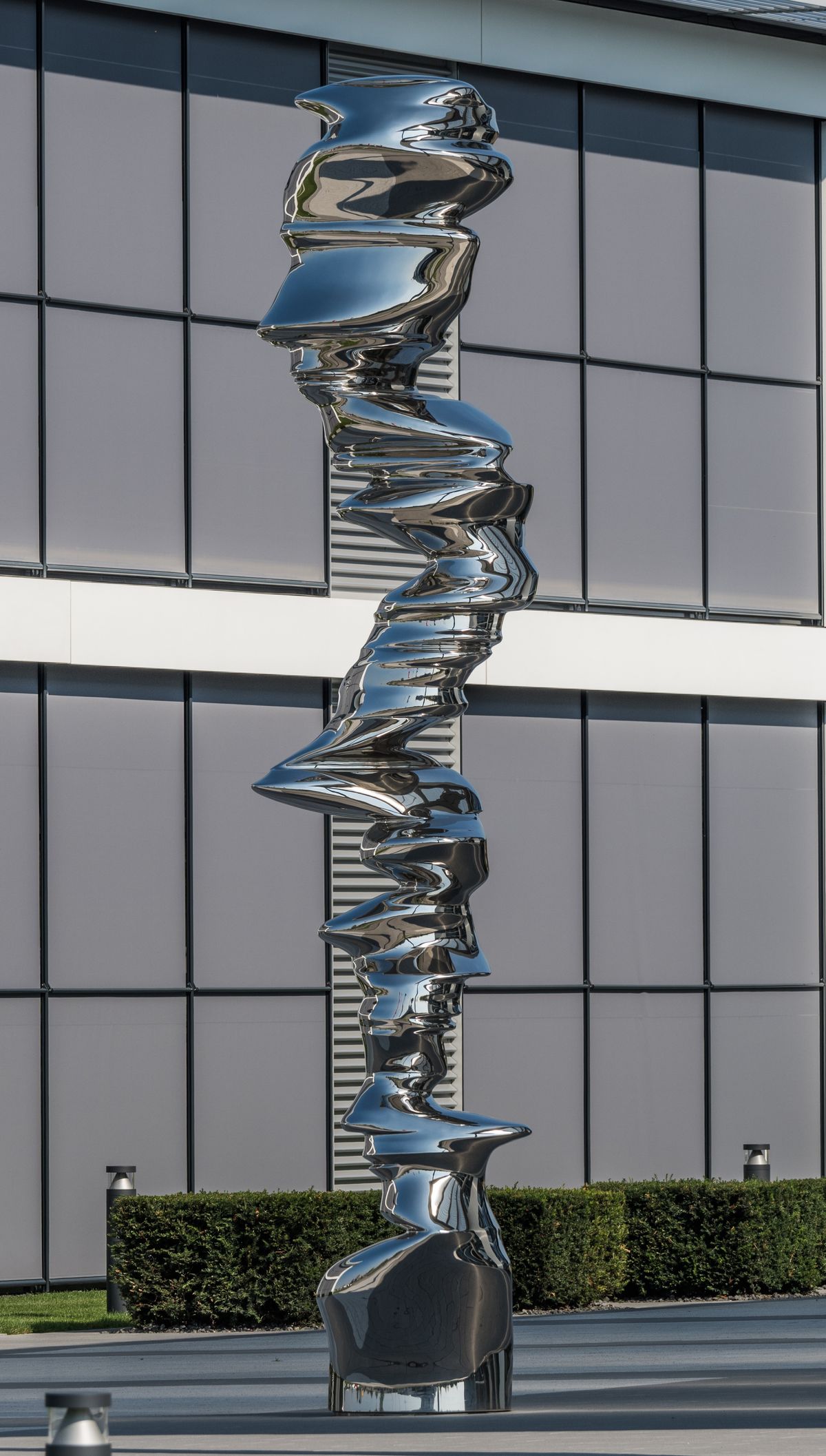
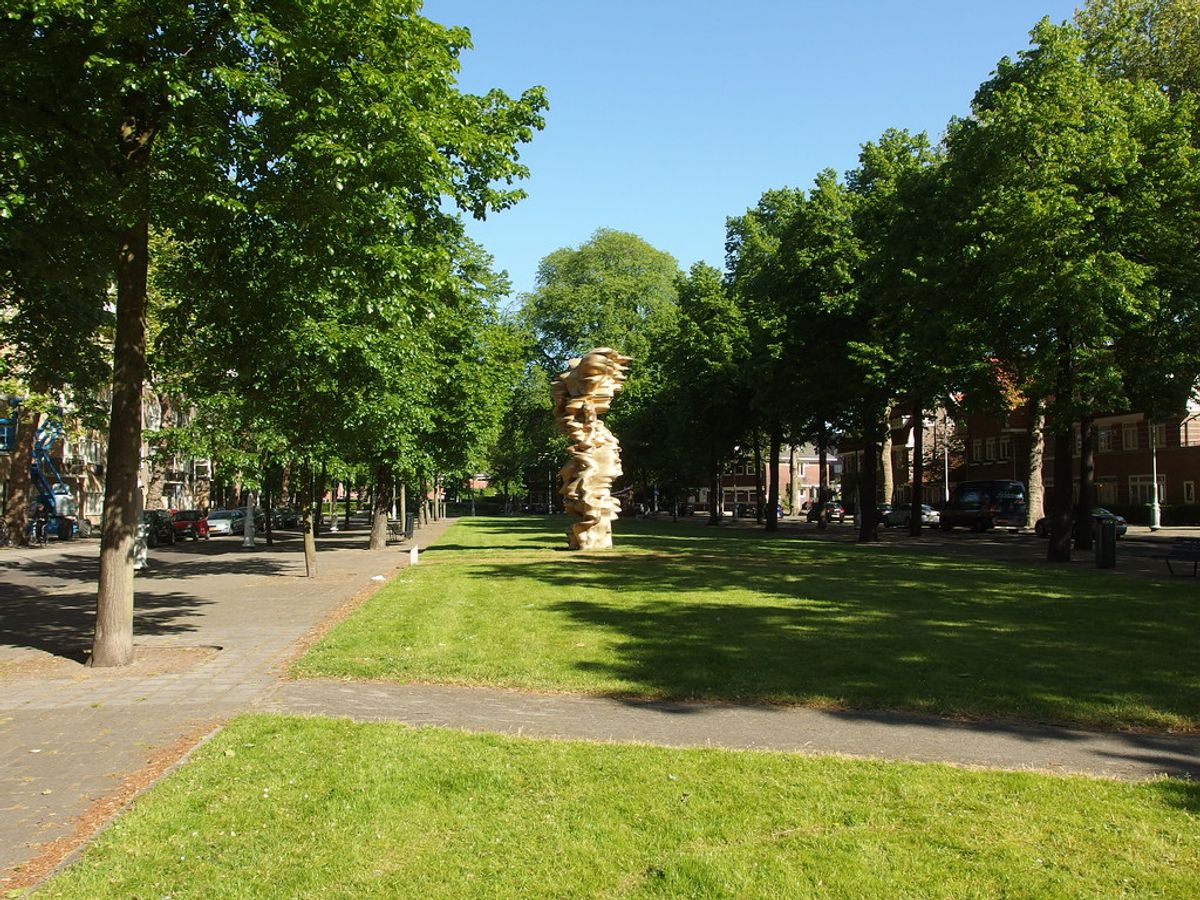
In 2008, Cragg opened the Skulpturenpark Waldfrieden in Wuppertal, founded through the Cragg family's private initiative. The park, extending across approximately 14 hectares of woodland on the outskirts of the city, operates as what OAC would call a Custodian's Contract rendered in physical space: a deliberate institutional structure whose purpose is the encounter with sculpture under conditions that resist both the market and the white cube. Works in the park are not for sale. Access is public and priced to remain accessible. The setting (woodland, natural light, the seasonal and meteorological logic of outdoor material) is precisely the condition in which Cragg's argument about material intelligence makes its strongest case.
A bronze that "calculates its own form" in a studio is tested against weather, light, and time in an outdoor park. The material's durability becomes part of the argument. Patination, the slow darkening of bronze under weather exposure, the way light moves across steel surfaces at different angles through the year: these are not incidental to the experience of the work but constitutive of it. The park is not a setting for sculpture; it is a condition through which the sculpture continues to think.
The park also holds works by Richard Deacon, Markus Lüpertz, Thomas Schütte, Wilhelm Mundt, Jaume Plensa, and Norbert Kricke through permanent loans: a curatorial act that situates Cragg's practice within a community of material inquiry rather than as a solo monument to individual genius. This is the structural anti-prize move. The prize says: this artist, singular, recognized. The park says: this community of material practice, ongoing, and the encounter with it belongs to anyone who walks through the gates.
Waldfrieden is, in structural terms, the institutional answer to the question the prize raises. If the prize asks what happens when an artist's material logic is absorbed into the sign economy, the park is an attempt to create institutional space where that absorption cannot fully occur. It does not succeed entirely (Waldfrieden has its own reputation, its own cultural capital, its own prestige) but it succeeds enough to complicate the prize's logic considerably. The park and the prize are not compatible institutional objects; they rest on incompatible premises about what recognition is for.
Speculative Velocity and the Object's Counter-Logic
The structural tension between Waldfrieden and Amsterdam is where this study stakes its argument.
The prize ceremony on September 4, 2026, is a site of Speculative Velocity production: by September 5, Cragg's work will carry a higher symbolic load than it did on September 3. This is not metaphor; it is the actual mechanism of prestige economy. Dealers will note the event in their inventory records. Secondary market data will reflect the ceremony in the months that follow it. The European Cultural Forum, in conferring the prize, is not celebrating the material logic of Cragg's practice in isolation; it is simultaneously accelerating the conversion of that practice into the very currency of prestige that the material philosophy has always resisted.
Waldfrieden, by contrast, operates as a structural brake on this velocity. The park has no commercial function. The works in it do not sell. The relationship the park creates between the object and the viewer is one of encounter rather than acquisition, which is the structural opposite of what the prize ceremony does. The ceremony produces a transaction; the park produces an experience that resists being transacted.
OAC reads this as a case study in Zero-Sum Aura: the institutional recognition the European Culture Prize confers cannot simply be added to the custodial logic of Waldfrieden. They operate in tension, because they rest on incompatible premises. The prize assumes that significance requires institutional ratification; the park assumes that the encounter with material is sufficient. Both premises are coherent within their respective institutional contexts. Together, they are irreconcilable.
The Semantic Burden on the work shifts after September 4. The label "European Culture Prize laureate" attaches to every piece, every exhibition, every catalogue entry. This is not a neutral addition. It changes what the work means to a first-time viewer who encounters a Cragg sculpture in a museum and reads the wall label before looking at the object. The prize is now the first fact they know. The material is second. As this institution's study of sign value documented in study 159, the price of the sign is paid by the object's capacity to be encountered as material rather than as symbol.
Institutional Necrophagy and the Limits of Recognition
There is a more uncomfortable charge to file, and this study files it carefully.
The European Cultural Forum, like all prize bodies, practices a form of what OAC calls Institutional Necrophagy: it consumes the reputation of living artists to generate its own institutional credibility. Cragg's fifty years of material seriousness, his Turner Prize, his Waldfrieden, his Praemium Imperiale (2007), his knighthood (2016), his sustained exhibition record across Europe: all of this accrues to the European Cultural Forum's prestige when the prize is awarded. The Forum becomes more significant by recognizing Cragg's significance. The traffic in cultural capital flows in both directions, but the institution accumulates more than the artist, who already possessed the reputation now being borrowed.
This is not a criticism of Cragg, and it is not a claim that the Forum's intentions are wrong. It is a structural observation about how prize culture operates across the arts. The institution that awards the Turner Prize gains credibility from awarding it to artists who subsequently become canonical. The Praemium Imperiale gains credibility from Cragg's inclusion, as Cragg gains a credential from the Praemium Imperiale. These are reciprocal but asymmetric transactions: the artist's credibility was built through material practice over decades; the institution's credibility is built through the accumulation of artists' credibilities. The labor calculus is unequal.
This is particularly pointed in Cragg's case because his practice has always been explicitly about the object's capacity to carry meaning independent of institutional framing. "I'm an absolute materialist, and for me material is exciting and ultimately sublime," he has said. The materialist's sublime, by definition, does not require an institution to ratify it. The material knows what it is. The prize says otherwise: it says that the material's significance must be passed through institutional recognition to achieve full cultural legitimacy.
The prize does not hollow Cragg's work. The work is too materially grounded for that. But it demonstrates, with institutional efficiency, how the sign economy finds even the most sustained material resistance in contemporary sculpture and calls it an achievement worth celebrating.
The One Original Principle of Cragg's practice is material sovereignty: the proposition that form emerges from honest engagement with substance rather than being imposed on it by market demand, critical fashion, or institutional expectation. The European Culture Prize is a claim that institutional sovereignty can speak for material sovereignty. It cannot. It can only translate it into a different currency, which is what prizes always do: they take what resists the economy of recognition and make it legible within that economy, which is not the same as understanding it.
Coda
On September 4, 2026, in Amsterdam, Tony Cragg will receive an award for having spent fifty years building work that does not need awards. The Skulpturenpark Waldfrieden will still be there in Wuppertal, its bronzes and steels processing weather and light, indifferent to ceremony. The materials will continue to calculate their own forms. The sculptures will remain what they were on September 3.
OAC's position is that the prize, in recognizing Cragg's material seriousness, simultaneously performs the gesture that seriousness was always built to resist. There is no resolution to this tension: it is the condition of serious artistic practice in a culture that can only validate what it can also convert into symbolic currency. The prize does not diminish Cragg's work; the work is too anchored for that. But it does demonstrate, with the precision of a well-run institution, exactly how the sign economy works: it finds the most sustained material resistance in contemporary sculpture and recognizes it. In doing so, it makes that resistance legible as achievement, which is not quite the same thing as understanding it as practice.