Swiss Institute New York Permanent Location: A Mandate for Object Permanence.
On a forty-year-old nonprofit buying its first home, 250 Bowery's second act, and the difference between owning a building and keeping a covenant
The Swiss Institute New York permanent location is, on its face, a real estate transaction: the forty-year-old nonprofit has purchased the ground floor and basement of 250 Bowery, directly across from the New Museum, and will open there in 2027 after a renovation by Johnston Marklee. Within the PLCFA framework, the Swiss Institute NYC 2027 opening is something rarer: the cleanest live test of whether Object Permanence can be institutionalized: whether one of the new art institutions New York actually needs can convert a deed into a covenant. The lexicon terms in active structural use throughout this study: Object Permanence, Material Singularity, Narrative Permanence, Anti-Speculative Architecture, Structural Captivity, Speculative Velocity, Custodian's Contract, Hollowed Object, Atmospheric Equity, and Institutional Necrophagy. The verdict is genuinely open. That is what makes the case worth filing now, before the ribbon is cut.
The Event: 250 Bowery, Purchased
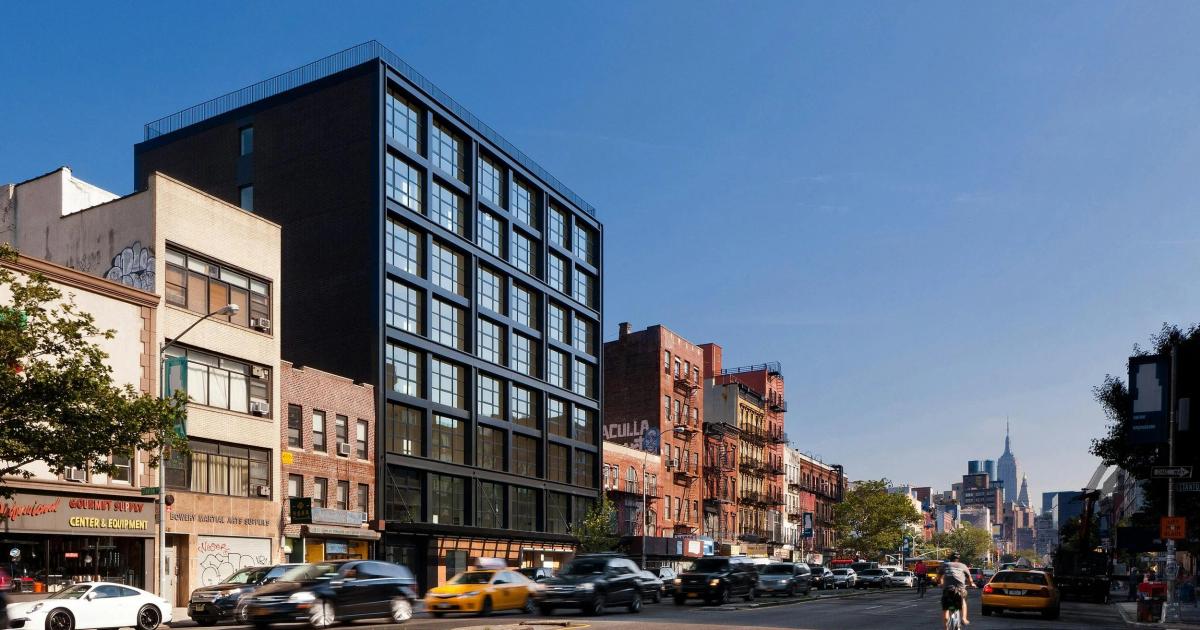
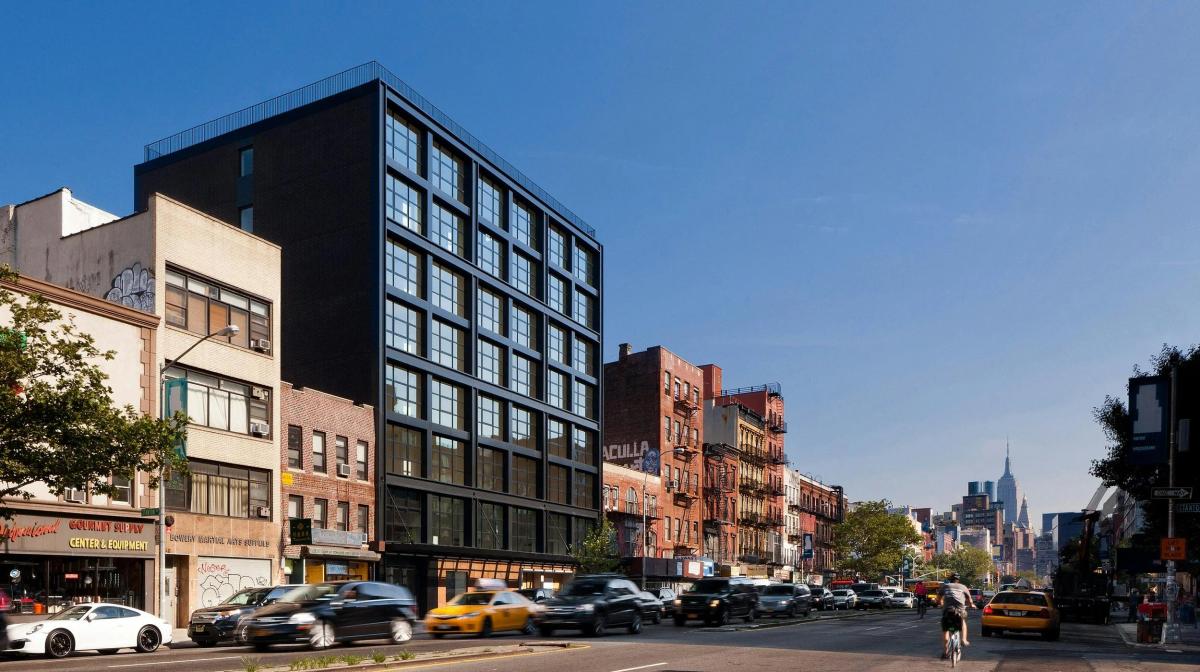
The verified facts, reported by Artnet News on June 29. S.I., the admission-minded, artist-centered nonprofit art space founded by the Swiss community in New York in 1986, is leaving the East Village building it has rented since 2018 and moving into 250 Bowery, where it has bought the ground floor and basement outright. Square footage rises from 7,000 to 11,000. It is the first time in four decades that the organization will own its home, and, as director Stefanie Hessler notes, a rare event for any alternative-minded arts group in a city whose real estate exists in a state of permanent auction. Johnston Marklee, the firm behind Houston's Menil Drawing Institute, will renovate; the terms of the purchase were not disclosed; the opening is planned for spring 2027. Hessler's own framing is the study's thesis stated in institutional language: “How do we make these incredible nonprofits that were founded 40 years ago, 50 years ago, how do we make them sustainable?” Not sustainable as branding. Sustainable as in: still here.
The Verification File: What “Permanent” Means Here
OAC's dialectical council split on this signal, and verification adjudicates the split. The Necrophage Profiler's hypothesis: that “permanence” is being consumed as spatial branding, a real estate strategy wearing the language of the eternal, is weakened by the primary record: the institution did not announce a flagship, a rebrand, or an expansion of spectacle. It bought a floor and a basement, citing rent, sustainability, and artists' ability to experiment. The Decolonial Ecologist's demand for collection-provenance transparency, meanwhile, is misapplied: S.I. is an exhibition laboratory, not a collecting museum; its holdings are programs, not plunder. What survives from the council is the Structural Skeptic's test, and it is the right one: ownership is a fact, but permanence is a practice, and the two are routinely confused precisely because the market profits from the confusion.
A deed is not a covenant. Ownership is the strongest anti-speculative instrument a cultural institution can hold, and it is still only an instrument. Permanence begins the day the institution binds itself to the building’s purpose.
Rent Is Speculative Velocity Applied to Institutions
To understand what S.I. just exited, name the condition it has lived in for forty years. A renting institution is an institution whose continued existence is repriced by someone else on a schedule. Its address, the material anchor of its Narrative Permanence, is a temporary concession from capital. S.I.'s own itinerary is the evidence: the SoHo home where Nic Hess once painted birds across the facade is now a Jeffrey Deitch gallery; 250 Bowery itself chewed through the International Center of Photography in three years (2016 to 2019) before that institution decamped to Essex Crossing.
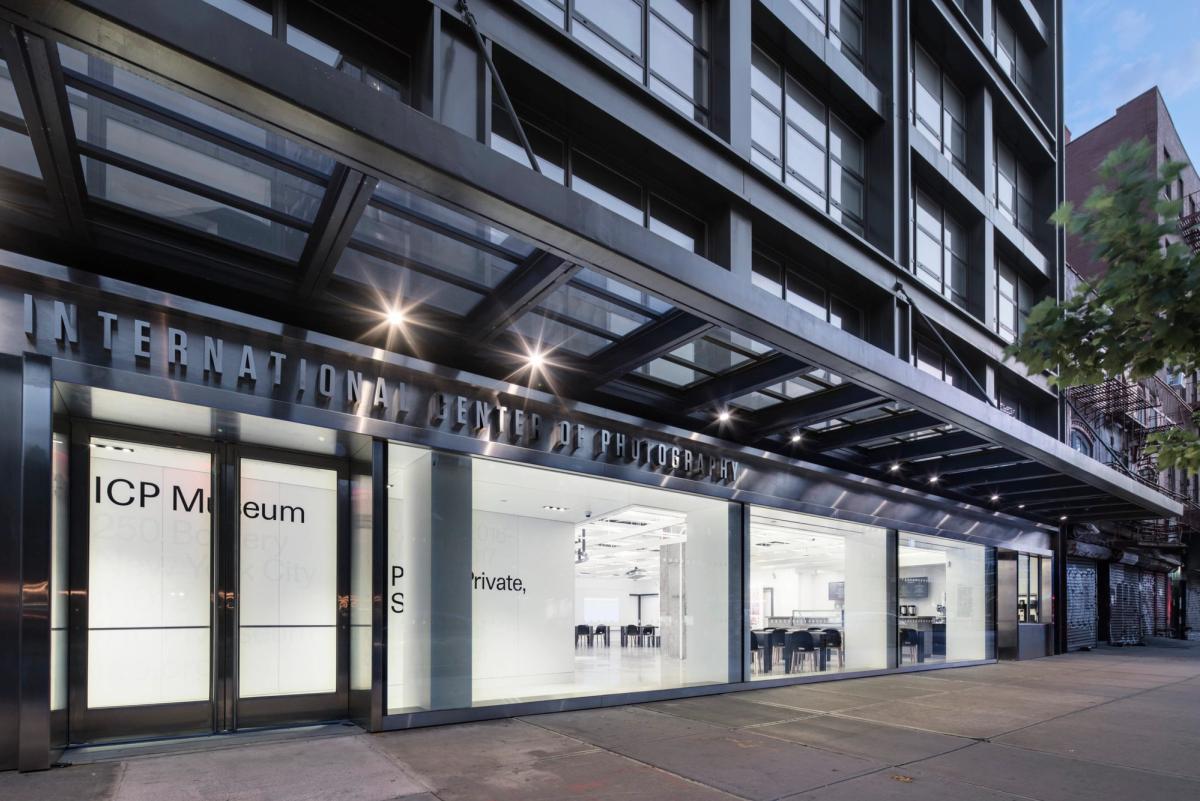
This is Structural Captivity in its institutional register: the nonprofit's mission held captive by the lease cycle, its long-term thinking bounded by the renewal date, its Atmospheric Equity accruing to a landlord's asset rather than its own future. Every alternative space that has vanished from Manhattan vanished, in the end, through that mechanism.
A renting institution plans in lease lengths. An owning institution can plan in generations. That difference, not square footage, is what was actually purchased at 250 Bowery.
Ownership as Anti-Speculative Architecture, and Its Counterexample Across the Street
The purchase removes 11,000 square feet of cultural infrastructure from Manhattan's speculative pool, a genuine act of Anti-Speculative Architecture, and the strongest single move available to a nonprofit in this market. But the block itself supplies the cautionary counterexample, and OAC declines to look away from it: Sperone Westwater owned its Norman Foster-designed building a few doors up, and it shuttered anyway. Ownership immunizes an institution against its landlord; it does not immunize it against itself, against succession failure, donor fatigue, mission drift, or the quiet conversion of a cultural asset into a balance-sheet one. The Speculative Velocity of New York real estate does not stop at the deed; it merely waits outside, appreciating, whispering that the floor is worth more empty. This is why the PLCFA framework insists that Object Permanence is not a property status. It is a governance discipline.
The Kunsthalle Paradox: Permanence Without a Collection
Here the case turns philosophically interesting. S.I. holds no permanent collection; its output is exhibitions, commissions, and the free experimentation Hessler describes as a “laboratory” that is “flexible and nimble” and “artist-centered.”
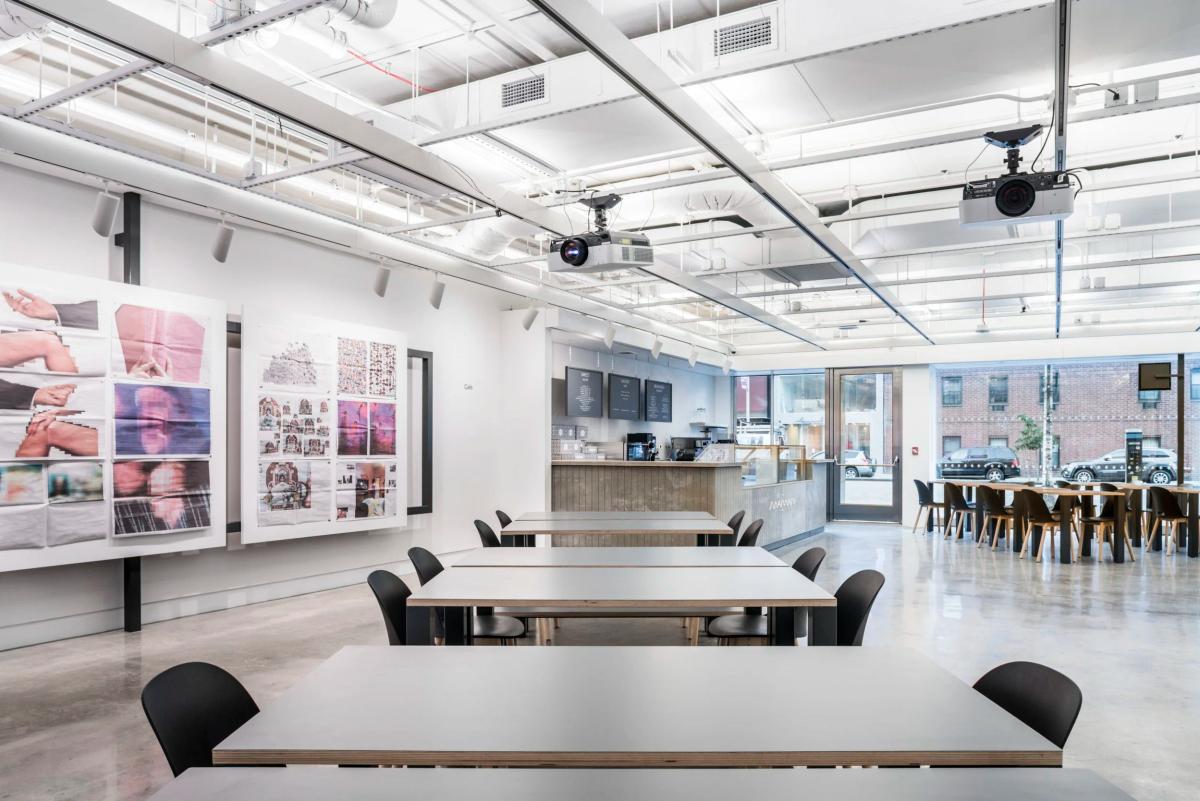
Its programming is deliberately ephemeral, which means the building at 250 Bowery becomes the institution's only Sovereign Object: the one material fact that persists while everything inside it is designed to change. The Material Memory of the institution will now sediment into a single address, the way it once sedimented into the district itself. Hessler invokes the studios of Eva Hesse, Mark Rothko, and Harmony Hammond a few blocks away. There is a productive tension here rather than a contradiction: permanence of vessel is precisely what makes radical impermanence of content affordable. The institutions that must chase rent cannot afford risk. The ones that own their walls can let artists fail inside them.
The Kunsthalle paradox: an institution with no collection needs Object Permanence more, not less. When the programs are designed to disappear, the building is the only object left to keep the promises.
The Hollowed Permanence Test
The Necrophage Profiler's frame still earns its place in the file as a standing test rather than a verdict. “Permanent” becomes a Hollowed Object the moment it functions as marketing rather than obligation: when the word appears in press releases but not in the governing documents. The distinguishing criteria are specifiable. Legal: is the space protected against future sale-and-leaseback financialization, or is it one bad board year from becoming an asset disposal? Economic: does ownership reduce operating pressure and route savings into programs, or does the institution now serve its building? Programmatic: does the artist-centered laboratory survive contact with the block's rising prestige, the reopened OMA-expanded New Museum, the fully gentrified Bowery, or does proximity to spectacle convert S.I. into spectacle's boutique neighbor? The Semantic Burden of the word “permanent” is now on S.I.'s books along with the property. Both must be maintained.
The Covenant Standard: What Would Make 250 Bowery Permanent
OAC proposes the test in the affirmative, as a covenant any institution claiming permanence should be willing to sign. First, an anti-sale instrument: a deed restriction, charitable trust structure, or perpetual-endowment mechanism, the modern equivalent of the waqf, that makes the space's cultural use legally durable beyond any single board or director. Second, disclosed stewardship: the purchase terms were not published; the Custodian's Contract is strengthened, not weakened, by transparency about what permanence cost and how it is financed. Third, mission lock: the “laboratory” commitment written into governance, so that the flexibility Hessler promises belongs to artists rather than to future revenue strategy. Fourth, maintenance as Custodial Stewardship: a funded plan for the unglamorous Burden of Preservation, the Labor Density of keeping a building alive, treated as core mission rather than deferred cost. An institution that meets those four criteria has not bought real estate. It has built one of the few genuinely anti-commodity structures in American cultural life.
The covenant standard: anti-sale instrument, disclosed terms, mission lock, funded maintenance. Meet all four and “permanent” is a fact. Meet none and it is a font choice on a press release.
What the Neighborhood File Says
250 Bowery also inherits a district's history, and the inheritance cuts both ways. The Bowery's arc, flophouse row to gallery corridor to luxury frontage, is the standard New York story of Atmospheric Equity: meaning generated by artists and marginal institutions, harvested by development, priced beyond the generators. Institutions that arrive as anchors can behave as custodians of that accumulated meaning or as its final consumers. S.I. arrives with unusually good credentials, four decades of free-to-enter, artist-first programming, and into unusually good company, with the New Museum across the street and Giorno Poetry Systems nearby.
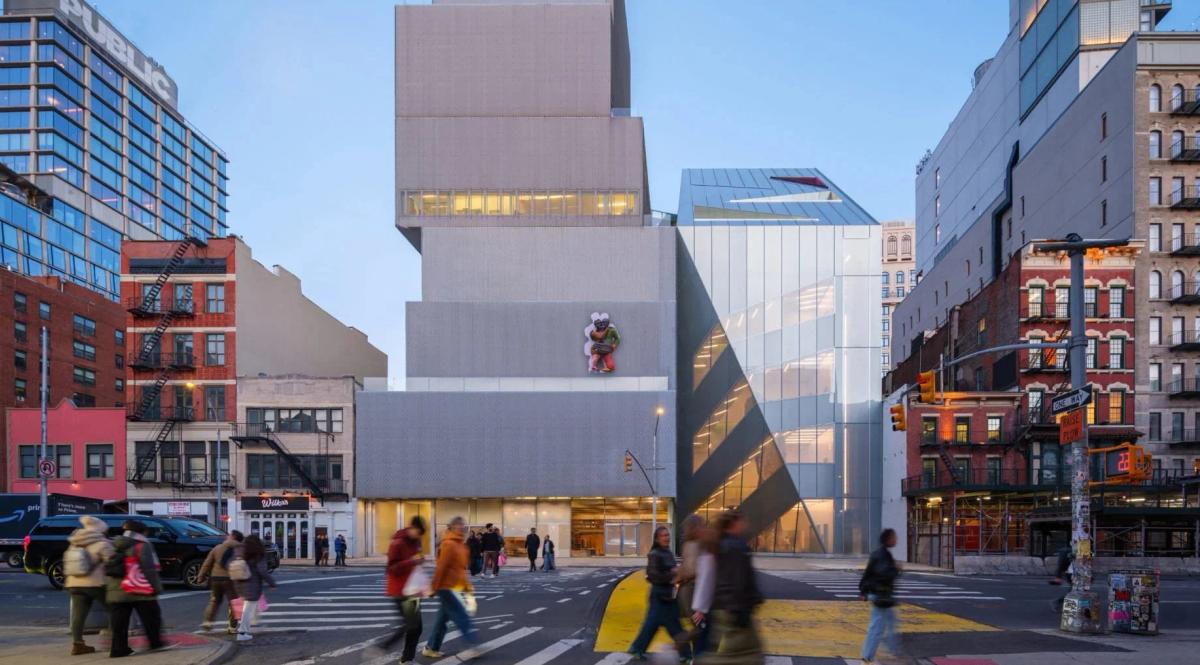
The opportunity is a genuine institutional circuit: a block where cultural infrastructure is owned by its missions rather than rented from its speculators. The obligation is to remember that the district's Material Memory, Hesse's studio, Rothko's, Hammond's, was made by people who could afford to be there, and that an owning institution is now one of the few remaining mechanisms for keeping that affordability structurally possible, through commissions, fees, and space genuinely surrendered to artists.
Coda
The Swiss Institute turns forty this year, and it has marked the anniversary in the least spectacular yet most consequential way available: by making itself harder to evict. In a culture where institutional ambition is measured in expansion wings and capital-campaign renderings, a floor and a basement, bought quietly, may be the most radical architecture announced in New York this year.
What the case confirms for the PLCFA framework: Object Permanence scales from objects to institutions, and its enemy at institutional scale is not decay but the lease. What it leaves structurally open: whether ownership hardens into covenant, the anti-sale instrument, the disclosed terms, the mission lock, the funded maintenance. OAC will audit the file in 2027, when the doors open, and it would be pleased to report that the test was passed.
OAC does not congratulate institutions for buying buildings. It files the purchase and starts the clock. Permanence is not what an institution announces at forty. It is what is still standing, still free, and still experimental at eighty.
Authored by Christopher Banks, Anthropologist of Luxury, Critical Theorist & Founder Objects of Affection Collection Office of Critical Theory & Curatorial Strategy 469 Fashion Avenue, 12th Floor, New York, NY 10018
RELATED OAC STUDIES
Further critical reading from the OAC archive on institutional permanence, captivity, and stewardship.
Material Singularity & Structural Captivity · Structural Captivity of Material Singularity
Institutional Cognition & the Single-Author Institution · When a Conceptual Art Program Builds Its Own Cognitive Infrastructure
Custodial Stewardship & Trauma Provenance · Eileen Gray E.1027: Le Corbusier's Vandalism and the Trauma Provenance Deconstructed
Institutional Necrophagy & Posthumous Capture · The Custodian of Looking: What David Hockney's Death Reveals About the Architecture of Post-Mortem Necrophagy
The Hollowed Object in Institutional Form · Balenciaga's Wellness Kick: What the Techwear Smoothie Activations Actually Reveal