
The Architecture of Intent
A Critical Lexicon
This collection of studies is the intellectual architecture of Post-Luxury Conceptual Functional Art (PLCFA).
The true artistry of this Maison resides not in the finished form, but in the rigorous thinking that precedes it. These essays serve as the conceptual foundation for PLCFA, using a critical lens to interrogate cultural phenomena, art history, and consumer paradigms—analyzing everything from the ephemeral spectacle of luxury to the pure architectural rigor of abstract principles.
This is an invitation into the workshop of the mind. By sharing this process, we validate the necessity of a new category of value and invite you toward a well-considered life, one founded on true craft, uncompromising narrative, and durable meaning.
New to PLCFA? Begin with Essential Reading below.
Exploring a specific area? Navigate by category.

Craig Federighi Is Half Right: Apple’s WWDC 2026 Keynote and the Difference Between Performing Ethical AI and Building It
The unique architectural critique leveled by the Post-Luxury Conceptual Functional Art (PLCFA) framework exposes the profound chasm between corporate brand positioning and true systemic design. When major platforms deploy the rhetoric of ethical, human-centered artificial intelligence from global keynote stages, they frequently engage in an Aura Transaction—extracting the moral legitimacy of public accountability discourse without engineering the baseline material constraints to uphold it. As demonstrated by early deployment missteps, such as notification summaries that fabricated false news headlines and arrests, a system governed by downstream corporate guidelines rather than prior, foundational restrictions inherently results in a Hollowed Object. The formal, pristine vocabulary of public responsibility remains entirely intact on the exterior, while the internal architecture is completely evacuated of the structural covenants required to ensure alignment.
This divergence becomes acute under the lens of the Gemini Paradox, where entirely distinct operational realities are constructed upon an identical technological substrate. While commercial actors utilize this computational layer as a flexible capability wrapped in marketing narratives, a truly sovereign institutional framework forces its infrastructure to ingest all incoming data through a non-negotiable Constitutional Governance Engine. By encoding a 29-term proprietary lexicon and explicit theoretical positions at the very root of every analytical function, the system is architecturally barred from producing unverified or extractive outputs. The difference is fundamentally one of category rather than degree; true human-centered design cannot exist as a post-processing filter or a rhetorical disposition, but must survive as an absolute structural constraint that precedes the generation of any institutional output.

What Happens When a Conceptual Art Program Builds Its Own Cognitive Infrastructure
The unique architectural design of the Objects of Affection Collection (OAC) fundamentally alters the relationship between critical theory and software engineering. Rather than deploying technology as an administrative afterthought, the institution treats cognitive infrastructure itself as a primary artistic medium governed by a proprietary critical framework. As mapped out in the system’s workflow schematic, five distinct live data streams—ranging from corporate market trajectories to real-time vocabulary appropriation press feeds—are continuously ingested into OAC Agent Command v6.6.4. This raw material is not merely aggregated; it is immediately subjected to a rigorous filtering process that ensures all incoming cultural signals are processed with deep theoretical intent.
At the heart of this sovereign apparatus lies a non-negotiable Constitutional Governance Engine, which actively forces the system to evaluate the world through OAC's 29-term proprietary lexicon and foundational institutional positions. From this central node, filtered data progresses through a multi-perspective dialectical synthesis protocol before being preserved inside a permanent, compounding cloud archive. This creates a highly functional, recursive cycle of meaning production: the published academic studies actively program the code, the code methodically processes contemporary culture, and the resulting intelligence output compounds the institution's historical memory. Ultimately, this infrastructure transforms the passive act of archival preservation into an active instrument of institutional foresight and cultural defense.

The Unasked Question Was Always Structural: Denise Ferreira da Silva, the Kantian Program, and the Affective Architecture of Liberal Capital
The Post-Luxury Conceptual Functional Art (PLCFA) framework directly dismantles the historical, post-Enlightenment fiction that separates intellect from affect, framing this Kantian bifurcation not as a mere philosophical inheritance but as the core operational grammar of liberal capital. For generations, the figure of the public intellectual functioned as an authorized switchboard within legacy media’s affective infrastructure, carefully translating raw social affect—grief, rage, and collective aspiration—into sanitized, institutionalized discourse that the political field could safely accommodate. This conversion mechanism conferred a localized, Zero-Sum Aura upon approved platforms, rendering alternative, unmanaged feelings structurally illegible. By hollowing out this translational bottleneck, contemporary social media does not simply degrade public discourse; it perfects the apparatus of affective capture, extracting economic and political value directly from the pre-intellectual state of the Affective Object at the source.
Against this frictionless landscape of hyperreal consumption and systematic extraction, the PLCFA framework introduces the Sovereign Object as a material strategy of absolute structural resistance. Unlike the Hollowed Object, which is systematically evacuated of internal specificity to circulate purely as brand affect or a digital sign, the Sovereign Object embeds a material and historical density so irreversible that it explicitly declines to participate in capital's commodification loop. It demands what Denise Ferreira da Silva opens toward: a form of knowledge production and object-making that refuses to pay the Kantian toll of institutional conversion. By asserting an uncompromising Material Singularity and Narrative Permanence, such practices—ranging from long-form critical studies isolated from algorithmic optimization to rough-hewn, sedimentary physical works—do not merely critique the architecture of liberal capital from within its own terms; they establish an anti-extractable domain that preserves its own autonomous reality.
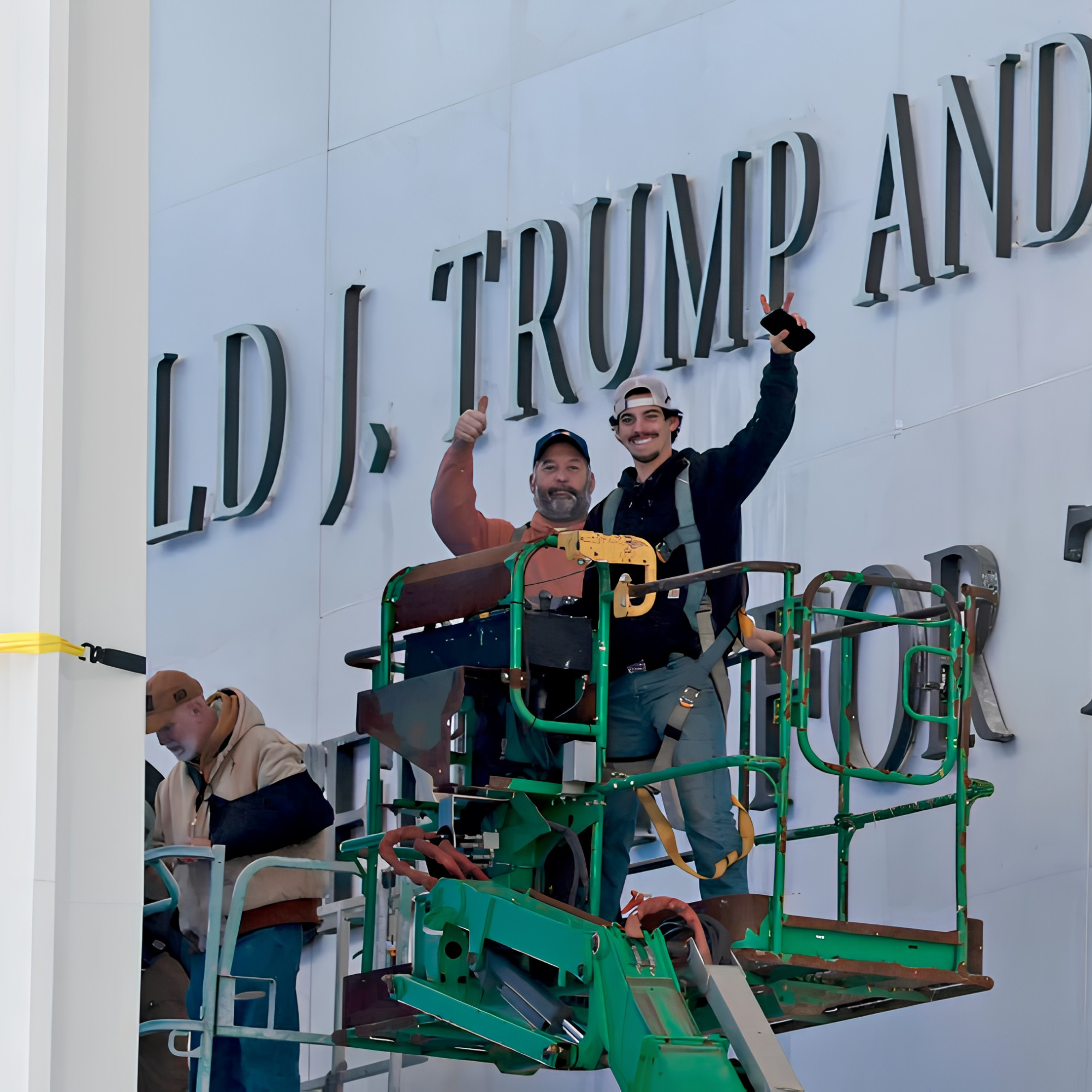
THE NAME THAT COULDN'T STICK: How Trump's Attempt to Rename the Kennedy Center Exposed the Architecture of Aura Theft.
On May 29, 2026—JFK’s birthday—the federal judiciary dismantled an unprecedented corporate-style raid on American cultural legacy, ordering the immediate stripping of Donald J. Trump’s name from the John F. Kennedy Center for the Performing Arts. This study establishes that the unilateral board coup of December 2025 was never merely a political stunt or an administrative rebranding; it was a structurally naked Aura Transaction. Utilizing the critical frameworks of Post-Luxury Conceptual Functional Art (PLCFA), we examine how this maneuver attempted to extract sixty-two years of accumulated national grief, architectural permanence, and institutional legitimacy without performing an ounce of the custodial labor required to generate such authority.
The immediate collapse of the "Trump Kennedy Center" highlights a fundamental systemic truth within the contemporary symbolic economy: institutional aura cannot be legislated or decreed into existence. By positioning this event alongside historical precedents and the acute warnings penned by Jacqueline Kennedy at the memorial's inception, this paper unpacks the concepts of Zero-Sum Aura, Structural Captivity, and the Hollowed Object. What Judge Christopher Cooper's ruling ultimately confirms is not just a point of federal statute, but a core tenet of material philosophy: true Narrative Permanence belongs exclusively to the collective Labor Density of genuine custodianship, and the deepest layers of an object's meaning will always resist political capture.
Why Corporate Art Collections Are Rotting Inside Private Equity's $3.8 Trillion Dormancy Crisis — and the Kinetic Objects Built to Punish It
The $3.8 trillion dormancy crisis holding corporate portfolio assets hostage is more than a financial bottleneck—it is a quiet war on the fundamental purpose of art. For too long, the luxury and fine art sectors have allowed cultural artifacts to be reduced to inert Speculative Capital metadata, sealed away in the climate-controlled vaults of global freeports or stilled inside vacant penthouse investments. This systemic paralysis demands a radical material intervention. The Post-Luxury Conceptual Functional Art (PLCFA) framework directly challenges this institutional stagnation by identifying the critical structural voids where capital seeks to neutralize presence, designing a new class of objects built specifically to resist captivity.
Our latest critical release, OAC Study No. 012, introduces the "Inertia Penalty"—a conceptual and technical blueprint for massive, kinetic works engineered to physically punish their own abandonment. Equipped with embedded micro-mechanical actuators, these autonomous structures actively calculate the frequency of human interaction; if left neglected beyond a consecutive 12-week threshold, they initiate an irreversible process of structural transformation or chemical oxidation. They refuse to function as passive balance-sheet collateral. Explore the complete text from the Void Series to discover how the collection is pioneering an architecture of absolute narrative permanence and forcing capital to engage with material consequence.

THE HOLLOWED PRANCING HORSE: What the Ferrari Luce Actually Confirms
The Ferrari Luce, revealed today in Rome, marks the most consequential design decision in modern automotive history—and the definitive arrival of what the Post-Luxury Conceptual Functional Art (PLCFA) framework diagnoses as the Hollowed Object condition. By handing the reigns of Maranello’s emotional legacy to LoveFrom, the creative collective shaped by the frictionless grammar of consumer electronics, Ferrari has engineered an extraordinary paradox. The Prancing Horse remains on the hood, yet the internal semantic system has been completely evacuated and replaced by a foreign, interface-first vocabulary that speaks the language of tech optimization rather than visceral, mechanical force.
This critical study moves past celebrity designer gossip to examine the profound semiotic displacement occurring at a global brand scale. From the material testimony of its Gorilla Glass key to the structural captivity of its own mythology, we unpack how Ferrari is trading its singular historical aura for a foothold in contemporary prestige logic. The car is technically impeccable, but its cost—measured not in euros, but in accumulated meaning—is still being tallied. Discover how the boundaries of traditional luxury are fracturing by reading the full critique on our collection platform.
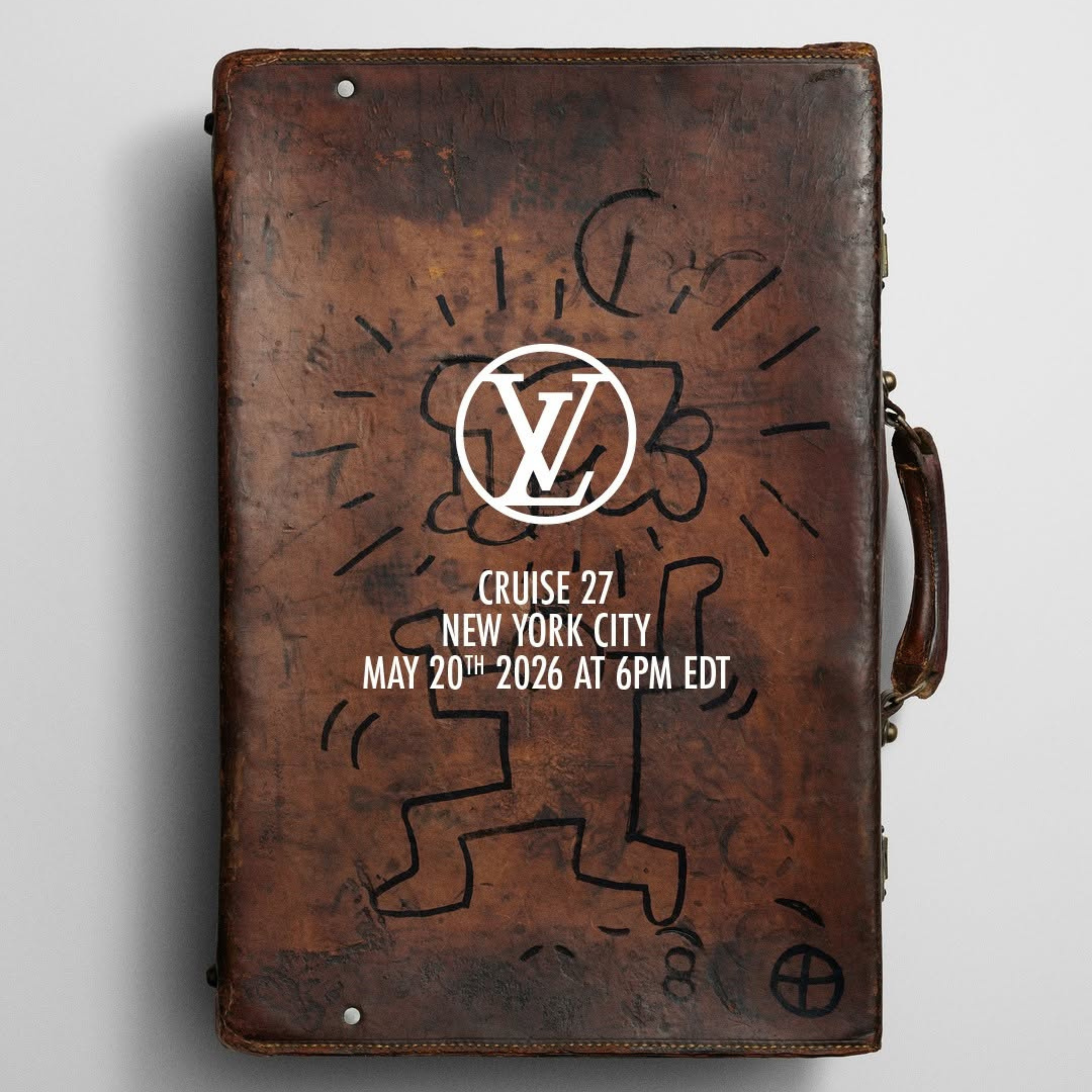
WHAT THE KEITH HARING × LOUIS VUITTON SHOW AT THE FRICK COLLECTION ACTUALLY MEANS
On May 20, 2026, Louis Vuitton will stage its Cruise 2027 presentation within the highly guarded galleries of New York’s Frick Collection, deploying a hand-painted 1984 Keith Haring trunk as its supreme creative anchor. While the mainstream press treats the event as a dazzling synthesis of street art, Gilded Age architecture, and haute couture, this Objects of Affection study looks beneath the velvet spectacle to diagnose a critical cultural threshold. Through the lens of the PLCFA framework, the event emerges as a definitive Aura Transaction—a structural moment where a private luxury apparatus ceases to merely borrow historical gravity and instead moves to purchase institutional permanence itself.
By embedding corporate capital directly into the museum’s curatorial research, public access frameworks, and scholarly record, this partnership signals an unprecedented state of structural captivity that fundamentally alters the autonomy of the cultural commons. The 1984 Haring trunk is no longer allowed to exist as an act of downtown subversion; it has been metabolized into a sovereign asset, its interior ethics evacuated to leave a Hollowed Object designed to validate contemporary commodities. Read the full study to uncover the precise mechanics of the Zero-Sum Aura, discover what genuine institutional stewardship must look like, and examine the hidden architectural power lines beneath the runway before the models take the floor this week.
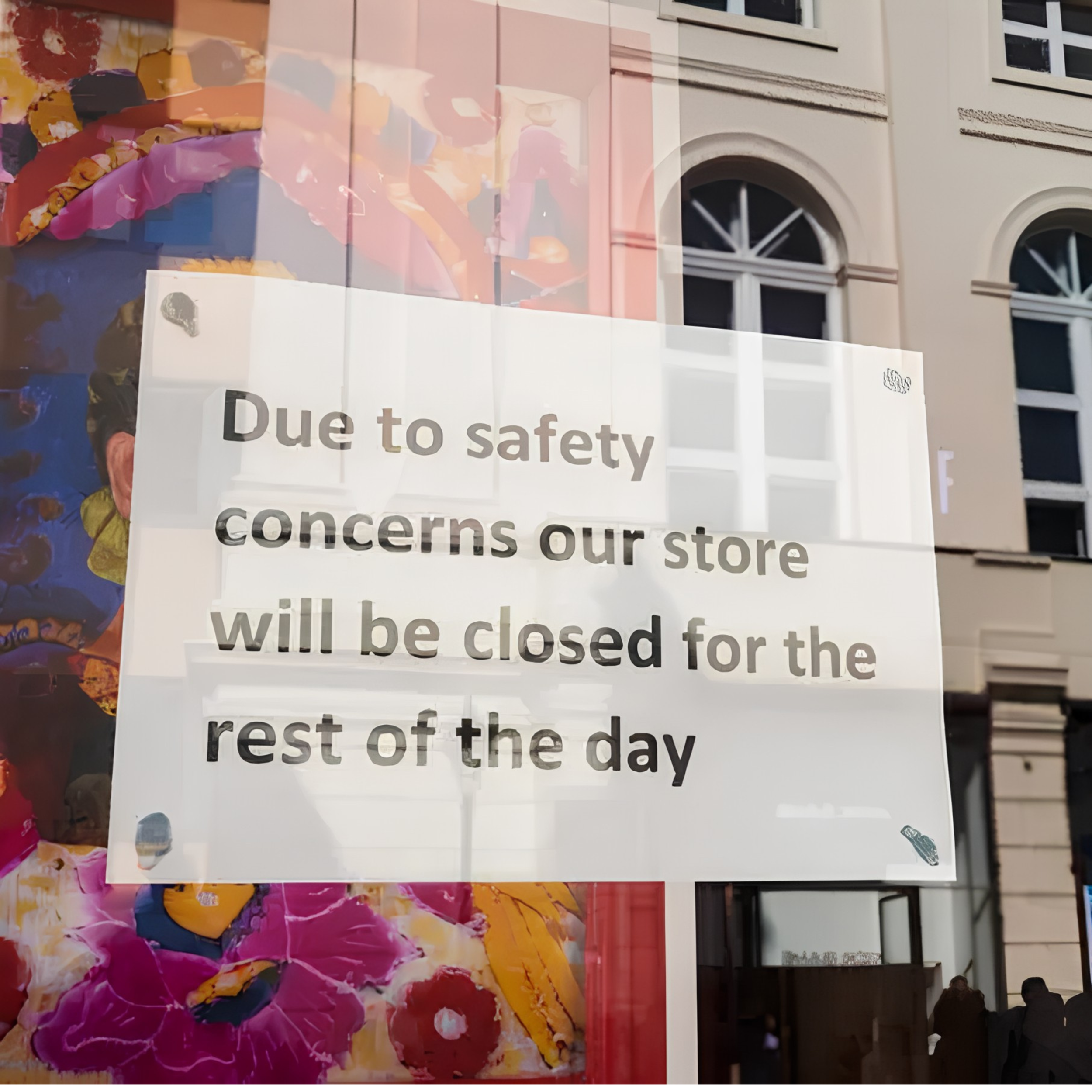
Swatch AP Royal Pop Analysis: Why the Retail Chaos Was Programmed
On the morning of May 16, 2026, global retail infrastructure did not collapse under the weight of the Audemars Piguet × Swatch Royal Pop drop—it was intentionally bypassed. As riot police deployed in Paris, doors remained locked in Dubai, and secondary market listings breached $8,000 before a single consumer touched a unit, the mainstream media quickly diagnosed the chaos as a logistical failure. It was exactly the opposite. Applying the Post-Luxury Conceptual Functional Art (PLCFA) framework, this post-launch forensic analysis proves that the store closures, crowd surges, and retail blockades were the system operating at peak efficiency. The queue was never an obstacle to the object; the queue was the product itself.
By licensing the sacred design currency of the Royal Oak for a $400 bioceramic pocket watch, Audemars Piguet did not democratize haute horlogerie—it liquidated 54 years of material sovereignty to fuel a temporary, hyperreal spectacle. This study unravels the anatomy of the "Hollowed Object," tracing how institutional independence was traded for secondary market velocity and manufactured scarcity. For collectors, investors, and industry onlookers trying to decode the wreckage of launch day, this analysis uncovers the terrifying truth of the 2026 luxury landscape: when value is determined entirely by the performance of inaccessibility, the physical artifact becomes completely secondary.
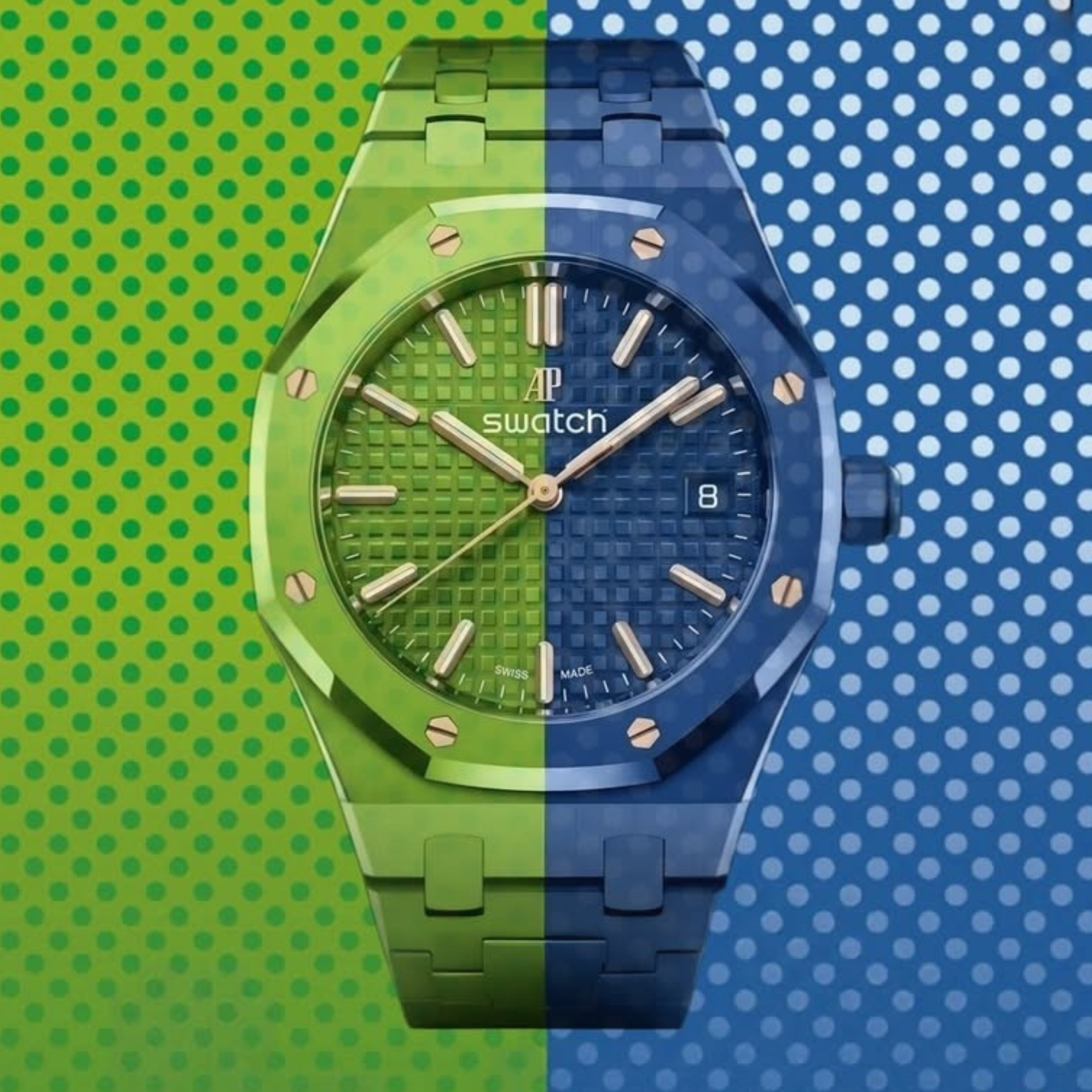
Audemars Piguet x Swatch Royal Pop: The Hollowing of an Icon
On May 16, 2026, the structural integrity of Swiss watchmaking faces its most volatile moment yet. The Royal Pop—a bioceramic collision between the fiercely independent Audemars Piguet and the mass-market machinery of Swatch—represents more than just a retail frenzy. It is a critical event in the history of objects. This study applies the Post-Luxury Conceptual Functional Art (PLCFA) framework to dissect the "Royal Pop" not as a democratizing gesture, but as a strategic extraction of an icon’s 54-year accumulated Aura.
Is the Royal Oak's material singularity resilient enough to survive the "Hollowed Object" condition, or has the holy trinity of horology finally traded its sovereignty for a moment of pop-cultural visibility? From the nocturnal genius of Gérald Genta's 1971 sketch to the manufactured chaos of 2026's boutique queues, we examine the Zero-Sum Aura transaction that cannot be undone. Read the full investigation into why the silhouette of the octagon may have just left Le Brassus on a one-way ticket.
The Meaning Deficit: Why Luxury, Art, and the Built Environment Are All Failing the Same Test
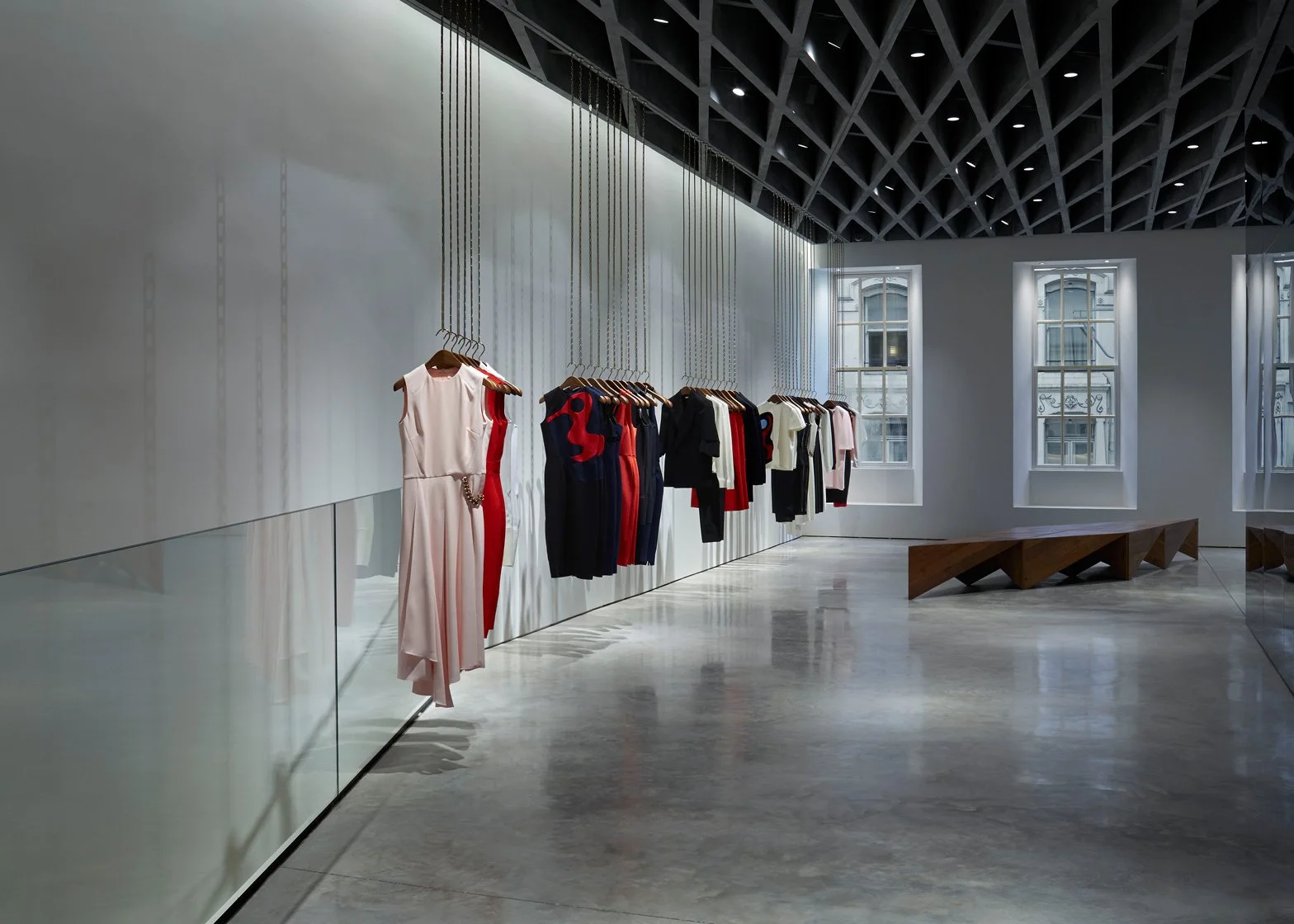
The contemporary landscape of high-end consumption is undergoing a silent but seismic shift. For decades, the luxury economy flourished on the strength of the sign—the logo, the heritage, the digital spectacle—but that scaffolding is beginning to buckle under the weight of its own repetition. Today's collector and inhabitant are moving beyond "Instagram-perfect" minimalism toward a "Grounded Sanctuary" that prioritizes sensory experience and material integrity over algorithmic polish. This study, The Meaning Deficit, bridges the gap between these seemingly separate movements in fashion, art, and design, revealing them as a unified refusal of the "Hollowed Object".
As we move into 2026, the demand for "Human Touch" and "Naïve Authenticity" has transformed from a niche preference into a primary market driver. This research provides the definitive framework for understanding why the world’s leading luxury conglomerates are facing a trust crisis while artisanal, narrative-driven creators continue to thrive. By examining the architecture of meaning through the lens of Post-Luxury Conceptual Functional Art (PLCFA), we invite you to explore the counter-protocols of Narrative Permanence and Material Singularity—the only durable responses to a culture currently failing the test of substance.