Louis Vuitton Keith Haring: Luxury's Aura Transaction
Nicolas Ghesquière Brings Cruise 2027 to a Gilded Age Mansion This Week. Here Is the Architecture Beneath the Spectacle.
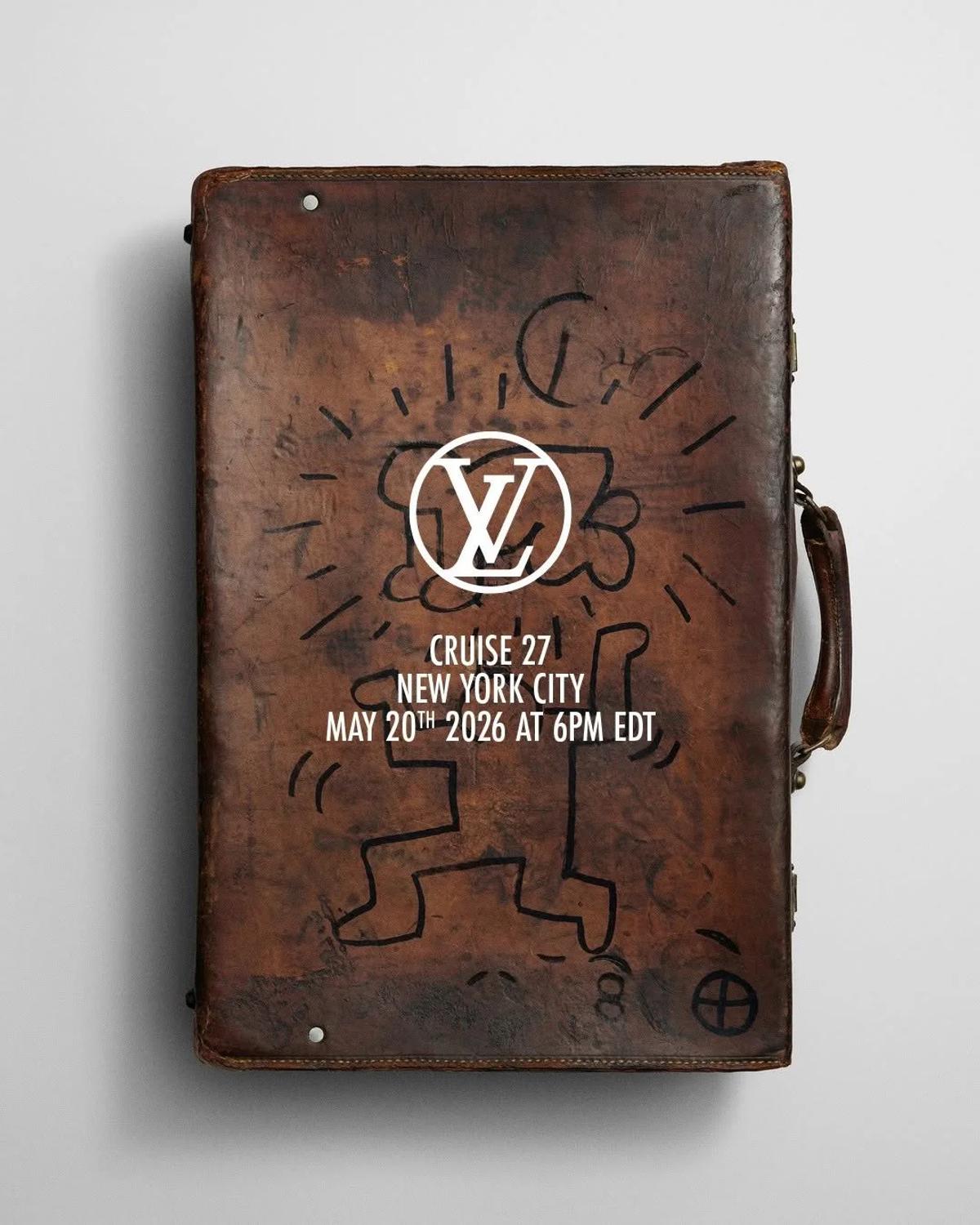
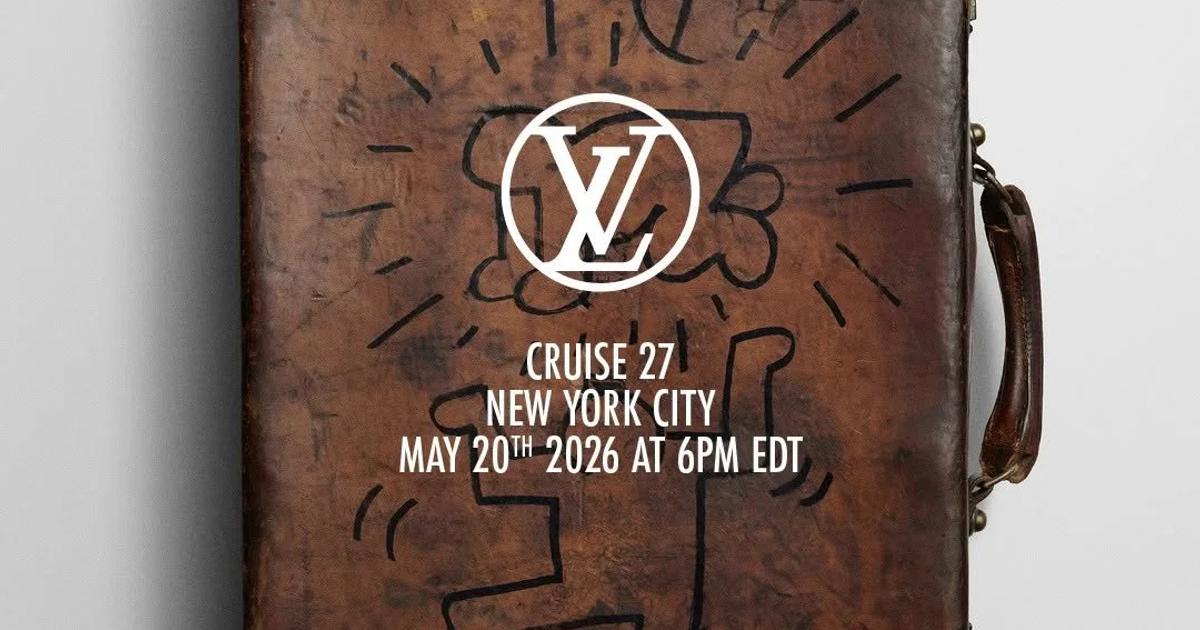
On May 20, 2026, Louis Vuitton is presenting its Cruise 2027 collection inside the first-floor galleries of The Frick Collection, The Gilded Age mansion at 1 East 70th Street that has held Vermeer, Rembrandt, and El Greco for nearly a century, inaugurating a three-year cultural sponsorship. The creative anchor is a collaboration with the estate of Keith Haring, rooted in a genuine antique Louis Vuitton trunk that Haring covered in marker drawings in 1984 as a downtown act of subversion, and that Louis Vuitton acquired in 2020. This study reads the event not as a fashion moment but as a structural argument: that Artification has crossed a categorical threshold. Louis Vuitton is no longer borrowing aura. It is purchasing institutional permanence itself. Through the PLCFA framework, this study deploys the following lexicon: Zero-Sum Aura, Aura Transaction, Semantic Burden, Hollowed Object, Custodian's Contract, Simulacrum of Resistance, and Narrative Permanence. The Haring trunk is not a creative act. It is a Phygital Counter-Strategy in reverse: the corporate apparatus consuming the counter-cultural object to legitimate its own escalating institutional claims.
The Venue Is the Argument
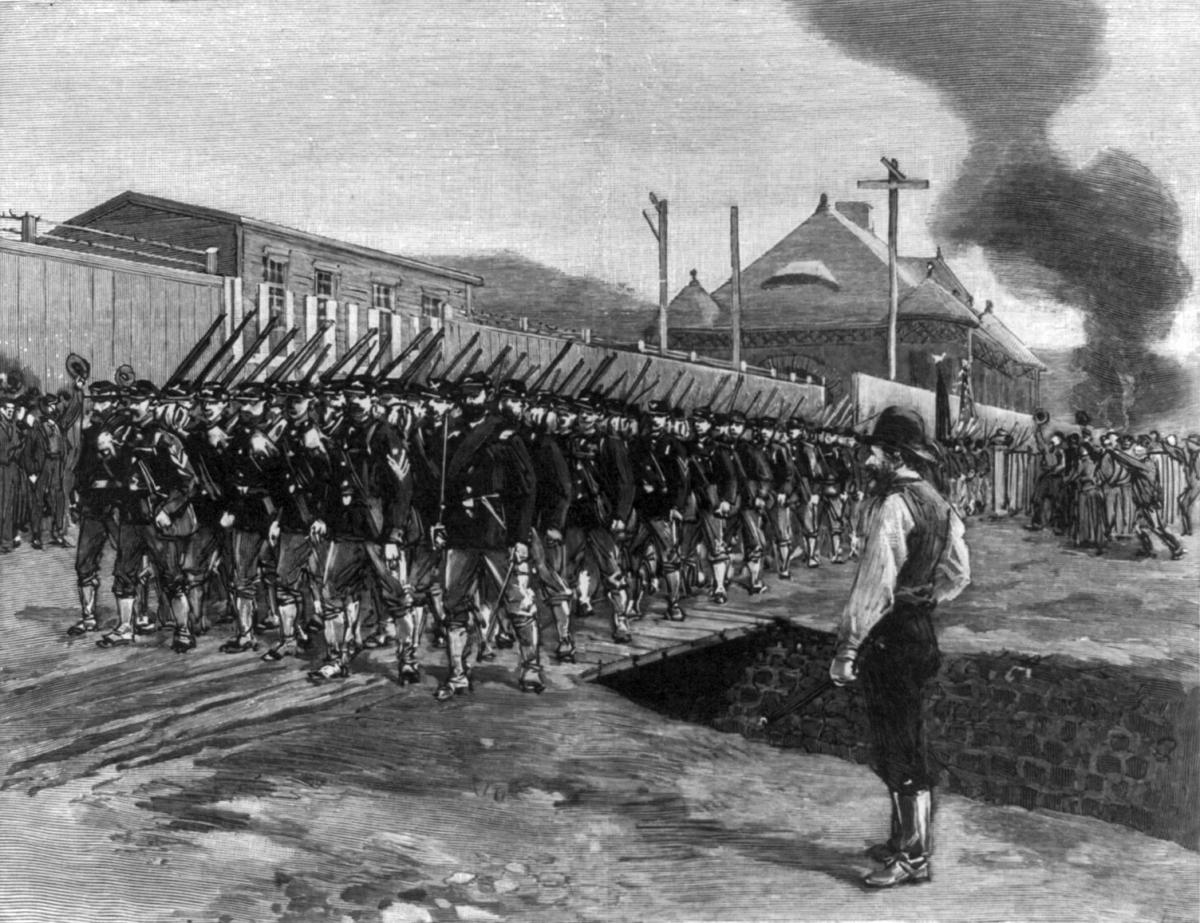
The Frick Collection is not a neutral stage. The mansion at 1 East 70th Street was built between 1913 and 1914 for Henry Clay Frick, steel magnate, union suppressor, and architect of the 1892 Homestead Strike in which ten people were killed. It is a monument to Gilded Age industrial extraction made beautiful. Its rooms hold Vermeer, Rembrandt, Velázquez, and El Greco: a collection assembled through the violent surplus of industrial capitalism, converted into a public institution in 1935, sixteen years after Frick's death in 1919. The building itself is a preserved argument about who owns culture, who builds it, and who bleeds for it.
When Nicolas Ghesquière chooses to run his Cruise 2027 runway through the Octagon Room, the Anteroom, the Cabinet Gallery, and the Dining Room, spaces that have hosted some of the most consequential Old Master paintings in North America for nearly a century, he is not entering into dialogue with the collection. He is entering into ownership of its accumulated aura. This is precisely what the Aura Transaction describes: the absorption of an existing field of cultural gravity by a commercial entity that has not generated that gravity through its own labor or history. As OAC analyzed in The Aura Transaction, the ethics of this absorption determine whether the result is a meaningful synthesis or an act of institutional extraction.
The Frick chose to receive Louis Vuitton not merely because the house offered funds, but because the institution’s own survival has become structurally dependent on such arrangements. The five-year $220 million renovation that Artnet News reported completed in April 2025 demands a new revenue architecture. Louis Vuitton is not arriving as a supplicant to culture; it is arriving as a creditor to culture. That distinction is everything.
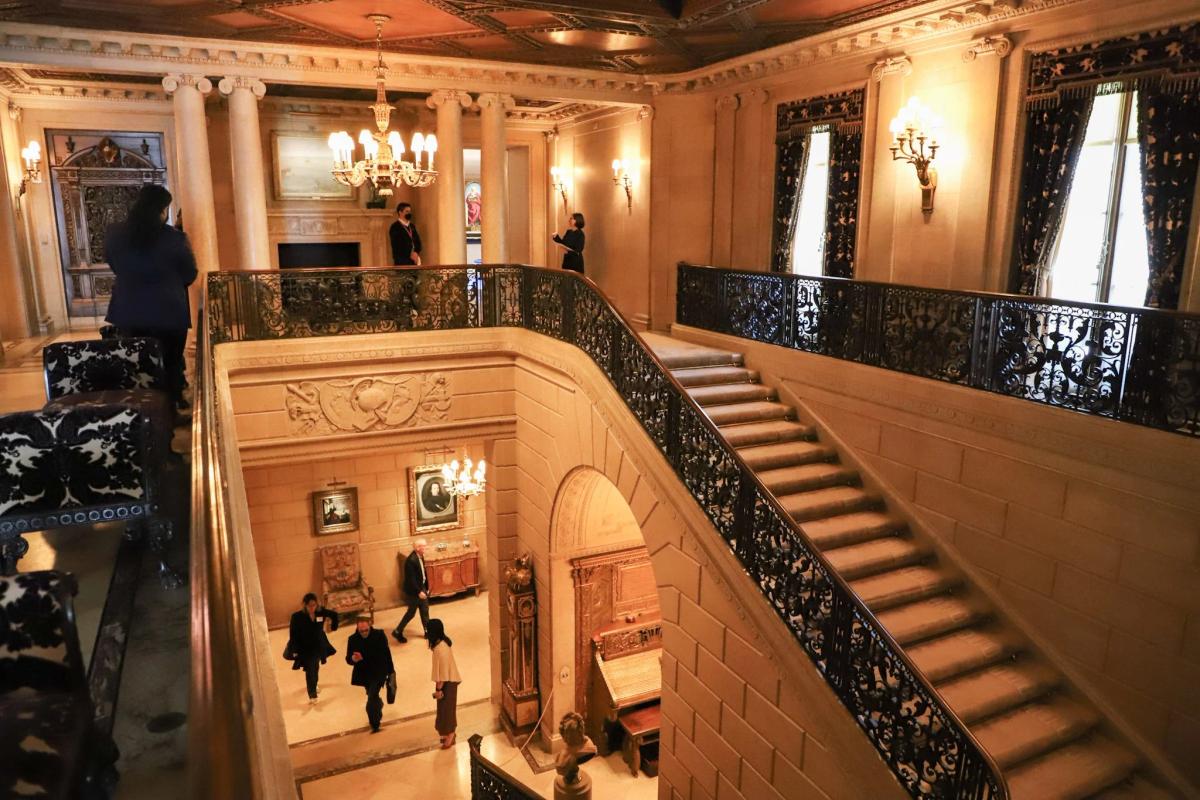
The venue is never neutral. When Louis Vuitton installs itself inside the Frick’s Gilded Age galleries, it is not entering into a dialogue with history; it is purchasing the right to inherit it.
Structural Captivity and the End of Institutional Autonomy
The sponsorship matrix is the study’s most important specimen and must be read in full structural terms. Louis Vuitton’s three-year partnership, as ARTnews set out when it was announced, delivers: the “Louis Vuitton First Fridays” program, which makes the house the gatekeeper of public access to a Vermeer; lead sponsorship of three consecutive major exhibitions beginning with “Siena: The Art of Bronze, 1450 to 1500”; full sponsorship of the first-ever exhibition dedicated to French enameler Susanne de Court; and most significantly, the creation of the Louis Vuitton Curatorial Research Associate: A two-year position whose research directly shapes the museum’s interpretive framework around 18th-century European and Chinese courtly exchange.
That last element is the categorical rupture. When a luxury house funds curatorial research, it does not merely lend its name to an exhibition wall. It enters the academy. The Yifu Liu position generates scholarship that will be published under the Frick’s institutional imprimatur, cited in peer-reviewed literature, and used to frame the museum’s interpretation of objects from the courts of Louis XV, Louis XVI, and the Qianlong Emperor. Louis Vuitton, a house whose brand philosophy and supply chain are directly descended from the luxury tastes of those same courts, now funds the scholarship that defines how those courts are understood. The Semantic Burden of the institutional record has been rerouted through a corporate budget line.
OAC diagnoses this dynamic as structural captivity: the moment at which traditional public funding models recede and the luxury house steps in not to sell products but to acquire the historical gravity required to validate its contemporary commodities. The critical test is whether this represents true stewardshipa genuine commitment to the institution’s mission, or the Cost of Stewardship as OAC has defined it: institutional resources deployed as a brand-building instrument. The distinction cannot be resolved in Louis Vuitton’s favor
The Curatorial Research Associate is not a gift to scholarship. It is the luxury house embedding itself in the scholarly record: acquiring, over two years, the right to say that its vision of 18th-century courtly culture is the Frick’s own.
The Keith Haring Trunk: From Subversion to Sovereign Asset
The creative cornerstone of the Cruise 2027 collection is an antique Louis Vuitton trunk that Keith Haring covered in marker drawings in 1984, as Artsy recounted when the collaboration was announced. By that year, Haring is at the apex of his downtown street art practice: drawing in New York subway stations, painting Berlin Wall panels, and deploying his vocabulary of political art activism across anti-AIDS, anti-apartheid, and anti-crack campaigns. His imagery is deliberately democratized: designed to bypass the art market entirely and reach the public directly. When Haring applies his hand to an antique Louis Vuitton trunk in 1984, the act is structurally subversive: the iconography of the Manhattan underground is placed directly onto an object representing European aristocratic travel culture. It is détournement in the tradition of Guy Debord: The weaponization of a dominant cultural symbol through its unauthorized defacement.
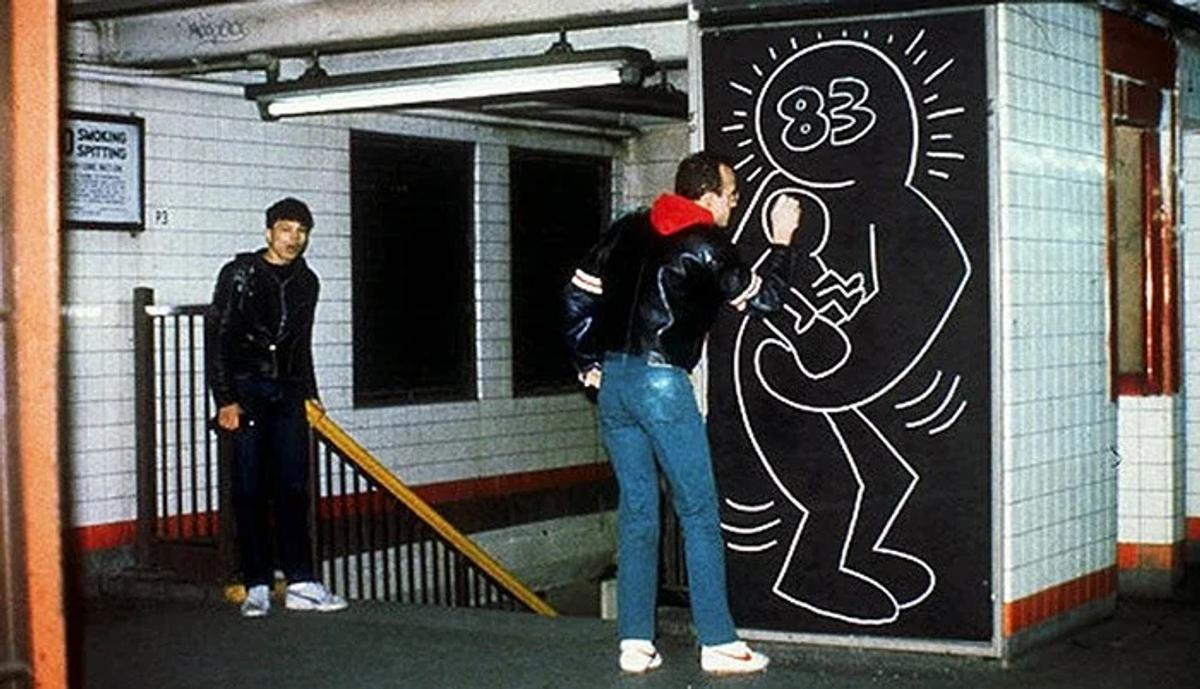
Forty-two years later, that act of defacement is being converted into the supreme legitimizing narrative of a corporate fashion collection. The house transforms what was a refusal of luxury into the highest-value proof of luxury’s authenticity. This is the Baudrillardian loop in its most complete expression: a simulacrum so total that the original act of resistance no longer references its own context. The 1984 Haring trunk does not signal Haring’s downtown politics inside the Frick Collection. It signals Louis Vuitton’s capacity to absorb and archive those politics. The political act is preserved; its political content is dissolved.
Jean Baudrillard’s sign value framework describes this mechanism precisely. In the fourth stage of the simulacrum, the sign bears no relation to any reality whatsoever: it becomes its own pure simulacrum. The Haring trunk at the Frick in 2026 is exactly this. It does not reference the East Village. It references the East Village as a source of luxury legitimacy. The Semantic Burden of Haring’s original act has been evacuated and replaced with the Semantic Burden of Louis Vuitton’s archival authority. This is the mechanism OAC identified in The Aura Transaction: the ethics of what gets absorbed.
The 1984 Keith Haring trunk was an act of refusal. The 2026 collaboration is a proof of acquisition. The luxury apparatus has consumed the gesture of refusal, making it the most expensive gesture in the collection.
The Zero-Sum Aura and the Architecture of Borrowed Gravity
The PLCFA framework’s concept of the Zero-Sum Aura holds that aura is not infinitely generative: it is conserved. When one entity absorbs another’s aura, the source is diminished in proportion to the absorption. This is structurally distinct from genuine collaboration, in which two fields of gravity amplify each other through their authentic intersection. The Frick-Louis Vuitton event must be tested against this distinction.
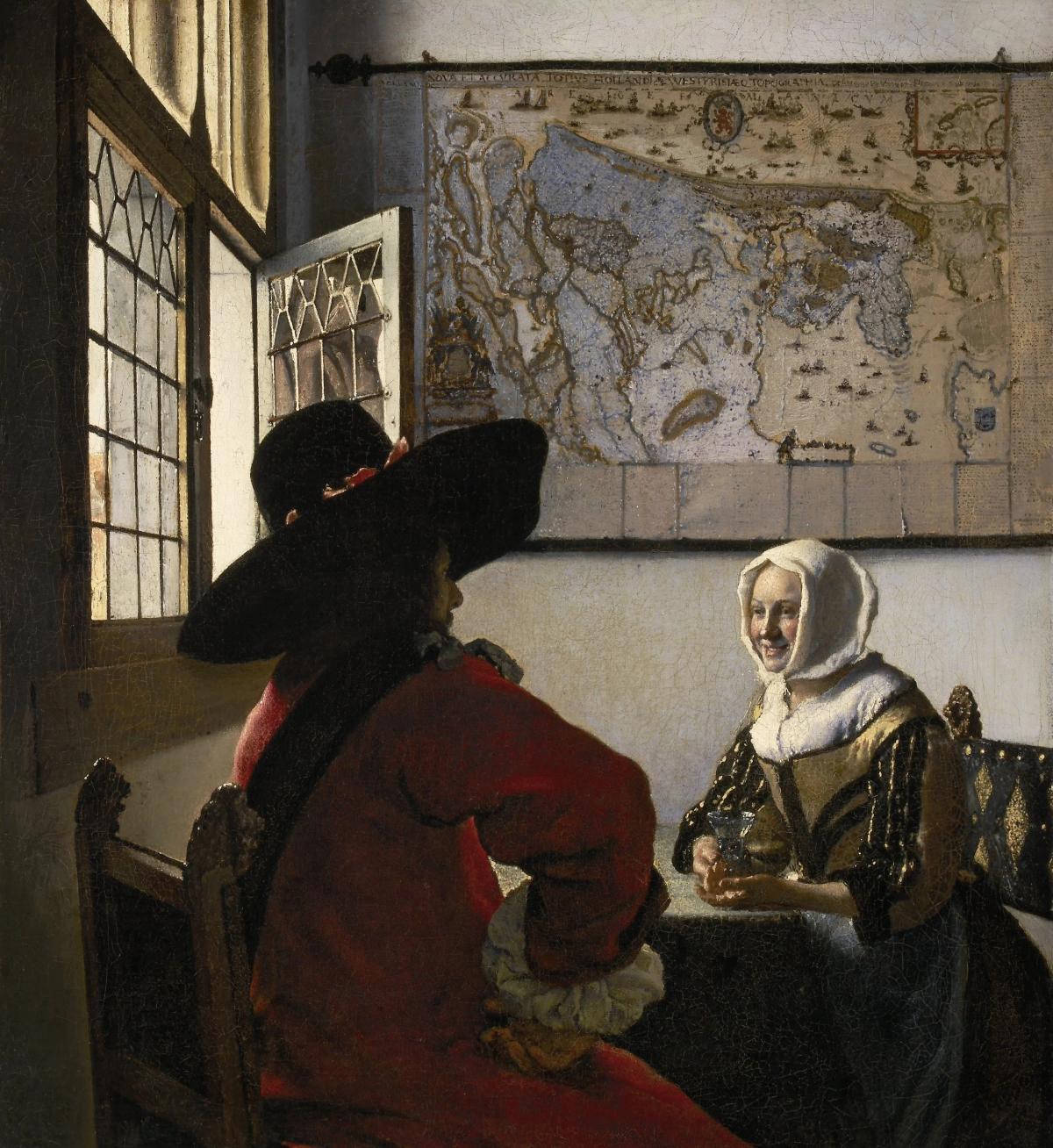
The Frick Collection holds Vermeer’s ‘Officer and Laughing Girl,’ Rembrandt’s self-portrait, and El Greco’s ‘Purification of the Temple.’ These objects possess what OAC defines as Material Singularity irreducible specificity that cannot be replicated, transferred, or leveraged without diminishment. Their Narrative Permanence derives from five centuries of documented provenance, scholarly engagement, and public experience. Louis Vuitton’s intervention inside those galleries does not add to this field. It draws from it.
The Frick’s masterworks previously require no external validation. After May 20, 2026, the Frick is legible as an institution whose operational survival depends on Louis Vuitton’s patronage. The White Cube has been monetized, and as OAC argued in The White Wall Paradox, the monetization of the neutral institutional space is an act of ideological inscription. What had been a claim to aesthetic neutrality becomes a sponsored claim. The house name on the gallery wall tells the viewer whose neutrality this is.
The Frick’s Vermeers have survived five centuries without Louis Vuitton’s assistance. After May 20, they survive inside a three-year sponsorship agreement. That is not a neutral observation.
Patina as Proof: The Hollow Argument of Material Time
Ghesquière’s pre-show communications emphasize weathered, patinated leather as the material thesis of the collection: cracked surfaces, temporal accumulation, the visible record of age as evidence of value. In a market saturated with Speculative Velocity and disposable culture, the patina signals permanence. It says: " This house has existed long enough that its objects age visibly and beautifully. It performs the PLCFA value of Material Singularity without structurally achieving it.
The PLCFA framework holds a strict distinction between performed materiality and earned materiality. Earned materiality arises from Labor Density that cannot be manufactured post-hoc, and from a Custodian’s Contract that binds the object to its future. The patinated Haring trunk does not carry a Custodian’s Contract. It does not activate an Anti-Sale Covenant. It activates a purchase price. Its Moral Weight Per Material is high because Haring’s labor and politics were real. But the Anti-Commodity Commitment that would honor that weight has been dissolved by its incorporation into a commercial collection. The trunk is a Hollowed Object: its exterior narrative preserved, its interior ethics evacuated.
Patina is not permanent. Patina is the aesthetic performance of permanence. The PLCFA framework requires a Custodian’s Contract, not a cracked surface, as evidence of genuine temporal commitment.
The Public Access Alibi and the Privatization of the Commons
Louis Vuitton’s announcement of “Louis Vuitton First Fridays” is being received broadly as an act of civic generosity: a luxury house underwriting free public access to one of New York’s great art institutions. This reading is precisely what the program is designed to produce. Its function is not civic generosity; it is the manufacture of Moral Capital through a highly visible act of access provision. OAC has diagnosed this mechanism as Root Marketing: civic gestures deployed not to reveal truth but to manufacture a flawless alibi for continued extraction.
The structural logic of First Fridays is straightforward: Louis Vuitton controls when the public accesses the Vermeer. Eleven months of the year, on the first Friday of each month, admission is free by Louis Vuitton’s grace. This converts a public cultural institution into a site of private patronage distribution. The Frick is no longer simply the Frick; it is, for eleven Fridays, the Louis Vuitton Frick. The Custodial Mandate for the public’s engagement with its own cultural heritage has been subcontracted to a private luxury house.
The test of genuine stewardship is not whether access is provided but under what conditions and with what governance obligations attached. Louis Vuitton’s First Fridays do not operate under a Custodian’s Contract in PLCFA terms: they are a year-long marketing instrument generating approximately eleven evenings of positive press coverage in exchange for what amounts, relative to the house’s annual revenue, to a rounding error. The Doughnut Economics framework OAC endorses would require that corporate cultural patronage carry genuine governance obligations, not simply access provision, before it can claim the title of stewardship.
Giving the public eleven free Fridays per year is not civic generosity. It is the privatization of public access, repackaged as a gift.
What Ghesquière’s Precedents Reveal
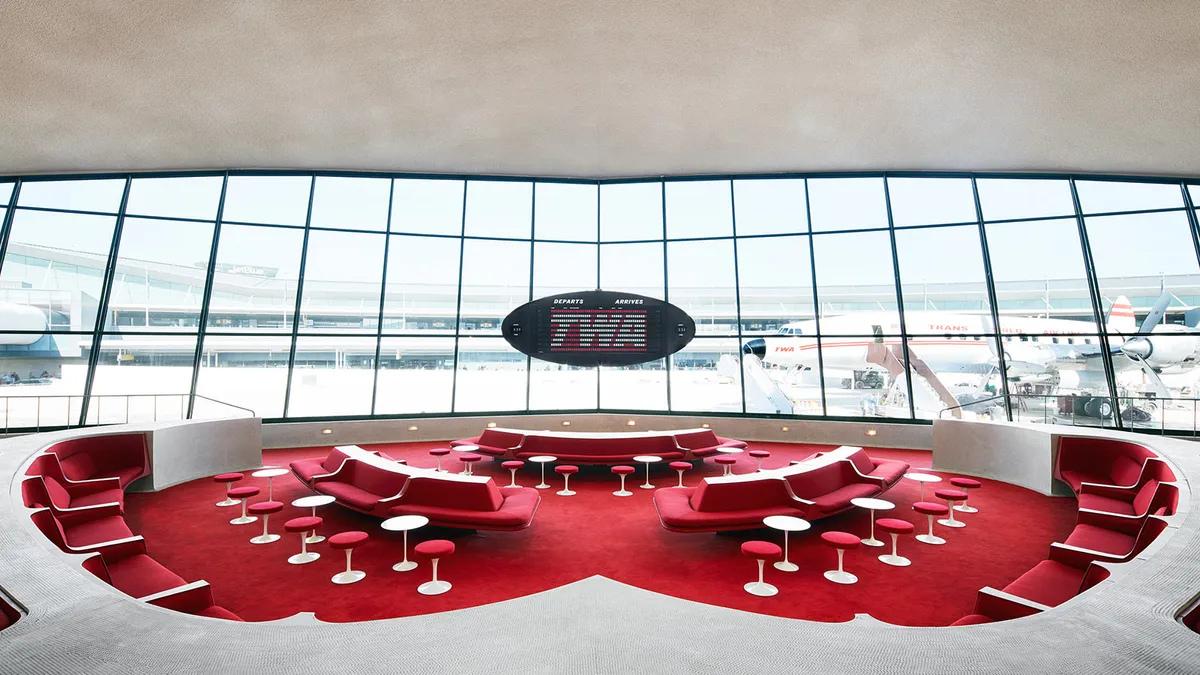
Nicolas Ghesquière has consistently chosen venues of architectural and cultural gravity for his Cruise presentations: the Mission de Picpus in Paris, the Miho Museum in Japan, the TWA Flight Center at JFK. The pattern is clear: each site lends its aura to the collection. But the Frick partnership represents a categorical escalation: not a one-time venue loan but a three-year structural dependency that embeds Louis Vuitton within the museum’s curatorial strategy, exhibition program, and scholarship.
The choice of New York is also significant. Ghesquière’s stated intention is to engage American clientele, the same audience that has sustained Louis Vuitton’s North American revenue base and that now, under the shadow of tariff policy and market bifurcation documented in OAC’s Luxury Just Split in Two, is consolidating around ultra-high-end heritage brands. The Frick event is a market-recovery instrument dressed in cultural language. In a year when the Financialization of Luxury has produced the bifurcation OAC has tracked across multiple studies, Louis Vuitton anchors its American season not in a commercial flagship but in the most prestigious private collection in New York. The message to the American ultra-high-net-worth consumer: we belong to your world. Not as a vendor. As a peer institution.
The runway itself (winding through the Octagon Room, the Anteroom, the Cabinet Gallery, and the Dining Room) is designed to produce a specific sensation: the feeling of moving through history as a participant rather than a visitor. This is The Spectacle at maximum intensity: the conversion of lived experience into its representation, as Guy Debord diagnosed it. The guests do not consume the Frick’s art; they inhabit it. The brand promises that its objects allow the buyer to inhabit history with the same ease.
The Cruise show is not a fashion event. It is an argument about who gets to feel at home in the Gilded Age. Louis Vuitton is selling that feeling, and the Frick is the instrument of delivery.
What Genuine Institutional Partnership Looks Like
The problem this study identifies is not that luxury engages with cultural institutions; the OAC’s own Institutional Frameworks studies consistently argue for deeper, more structurally honest relationships between objects of genuine Material Singularity and the institutions equipped to steward them. The problem is the architecture of the exchange: what is offered, what is demanded, and what obligations survive after the check is cashed.
A PLCFA-compliant institutional partnership carries the following structural features. First, a Custodian’s Contract governing the future of the collaboration: a legally binding commitment to the institution’s scholarly independence that cannot be revoked if the house’s market position changes. Second, a governance structure that prevents the corporate partner from influencing curatorial content through a research fellowship. Third, an Anti-Commodity Commitment prohibiting use of the institution’s name, imagery, or archival authority in commercial product marketing without explicit curatorial consent. None of these conditions governs the Louis Vuitton-Frick agreement as publicly announced.
Theaster Gates model, examined in OAC’s Tyranny of the Archiveoffers the relevant counter-example. Gates’s institutional interventions carry Reparative Labor at their core: the archive is not borrowed for aesthetic authority but genuinely transformed through the labor of community stewardship. The Frick-Louis Vuitton arrangement does not transform the institution; it rents it. The distinction between transformation and rental is the categorical divide between the Sovereign Object and the Hollowed Object and it applies to institutions as directly as it applies to artifacts.

A luxury house genuinely committed to an institution’s mission offers governance obligations alongside its checks. The absence of those obligations is the structural admission that what is being purchased is not cultural partnership; it is cultural credibility.
The Borrowed Vocabulary and the Absent Trunk
The most revealing element of the Cruise 2027 announcement is what remains unresolved: the 1984 Keith Haring trunk is confirmed as the conceptual anchor, but no public accounting of where it resides after the show has been offered. Does it go to the Frick? Does it return to the Vuitton archive? Does it go to auction? The Archival Death Mandate: OAC’s term for the institutional decision to remove an object from public access, does not require physical destruction. It is achieved simply by routing an irreplaceable cultural artifact into a private vault.
The trunk is this study’s most important diagnostic. Haring’s 1984 act generates an object with genuine Trauma Provenance: it carries the specific gravity of a political moment, a biographical act, and a material history that cannot be replicated. In PLCFA terms, it meets the threshold of Moral Weight Per Material not because it is old or expensive, but because the decision to create it was irreversible and the politics it embodied were real. What Louis Vuitton does with that object is not to honor those politics but to convert them into a branded narrative. This is the Borrowed Vocabulary in its most precise form: using the semantic density of another practitioner’s genuine act to fill a language gap that the corporate object cannot fill on its own.
As OAC argued in The Meaning Deficit, the contemporary luxury market is characterized precisely by this deficit: the inability of commercially produced objects to generate their own Semantic Burden without external borrowing. The Frick’s Vermeers have Semantic Burden. Keith Haring’s 1984 trunk has Semantic Burden. What Louis Vuitton’s Cruise 2027 collection has is the capacity to rent both simultaneously, in the same building, on the same evening, and charge accordingly.
The trunk is not a collaboration. It is a citation without attribution, a gesture without consequence, and a political act reduced to a collection note.
What the Frick Confirms
The Louis Vuitton-Frick Collection event confirms a structural argument OAC has been developing across its entire archive: the threshold between patronage and capture is not a matter of intention but of governance architecture. Louis Vuitton does not wish the Frick ill. The partnership will almost certainly produce scholarship of genuine value, exhibitions of scholarly distinction, and evenings of genuine public access. These are real benefits delivered by real institutional investment.
What the event does not produce, and what the PLCFA framework demands, is a Custodian’s Contract that survives the commercial relationship. When the three-year sponsorship ends, the Frick’s institutional authority will have been shaped by Louis Vuitton’s priorities for three years. The curatorial research associate’s work will be part of the scholarly record. The audience trained to see the Frick through the lens of the Cruise 2027 show (moving models, green velvet walls, Keith Haring’s painted trunk) will carry that memory. The Narrative Permanence of the Frick has been partially purchased, and that purchase does not expire with the contract.
What this event leaves structurally open for the PLCFA framework is the positive question: what would genuine luxury institutional partnership look like if designed not to extract aura but to generate it? The answer lies in the direction of Doughnut Economics, Systemic Stewardship, and the Anti-Commodity Commitmentpartnerships built not on access to prestige but on the shared labor of meaning-making. Until those structures exist, the luxury house continues to arrive at the museum’s gate not as a peer but as a creditor. And the institution, facing the structural pressures of public funding collapse, continues to open the door.
OAC does not arrive at culture. It arrives at the structure beneath it. The Frick will endure. The question is what it will owe, and to whom, when the runway is dismantled and the models have gone home.
Authored by Christopher Banks, Anthropologist of Luxury, Critical Theorist & Founder
Objects of Affection Collection
Office of Critical Theory & Curatorial Strategy
469 Fashion Avenue, 12th Floor, New York, NY 10018
RELATED OAC STUDIES
The following studies from the OAC archive extend and deepen the arguments developed here.
The Aura Transaction and the Ethics of Absorption
The Aura Transaction: On Louis Vuitton's Super Nature, Nazar Strelyaev-Nazarko, and the Ethics of What Gets Absorbed: The primary OAC precedent: an analysis of Louis Vuitton’s prior artification practices and the ethical structure of what the house absorbs.
The Borrowed Vocabulary and Institutional Legitimacy
The Borrowed Vocabulary: Richemont's “Tactile Integrity” vs. Tactical Friction: On the luxury industry’s systematic appropriation of PLCFA’s critical language without the structural commitments that give that language its meaning.
The Architecture of Institutional Authority
The White Wall Paradox: Quantifying Consumption in the Age of Aesthetic Neutrality: The foundational OAC analysis of how the gallery’s claim to neutrality is an ideological instrument.
The Tyranny of the Archive: On the archive as an instrument of both preservation and extraction, with the Theaster Gates counter-model.
Market Bifurcation and the Luxury Survival Thesis
Luxury Just Split in Two. One Half Will Survive. On the structural bifurcation of the luxury market and why ultra-heritage anchoring is the surviving strategy.
Why Traditional Luxury’s “Root Marketing” Fails to Purchase Moral Capital: OAC’s analysis of civic gesture as market instrument.
The Semantic Burden and What Objects Owe
The Meaning Deficit: Why Luxury, Art, and the Built Environment Are All Failing the Same Test: On the structural inability of commercially produced objects to generate their own Semantic Burden.
The Zero-Sum Aura: Why Digital Immortality Requires a Material Host: The foundational PLCFA argument that aura is conserved, not created, by institutional proximity.