
The Architecture of Intent
A Critical Lexicon
This collection of studies is the intellectual architecture of Post-Luxury Conceptual Functional Art (PLCFA).
The true artistry of this Maison resides not in the finished form, but in the rigorous thinking that precedes it. These essays serve as the conceptual foundation for PLCFA, using a critical lens to interrogate cultural phenomena, art history, and consumer paradigms—analyzing everything from the ephemeral spectacle of luxury to the pure architectural rigor of abstract principles.
This is an invitation into the workshop of the mind. By sharing this process, we validate the necessity of a new category of value and invite you toward a well-considered life, one founded on true craft, uncompromising narrative, and durable meaning.
New to PLCFA? Begin with Essential Reading below.
Exploring a specific area? Navigate by category.
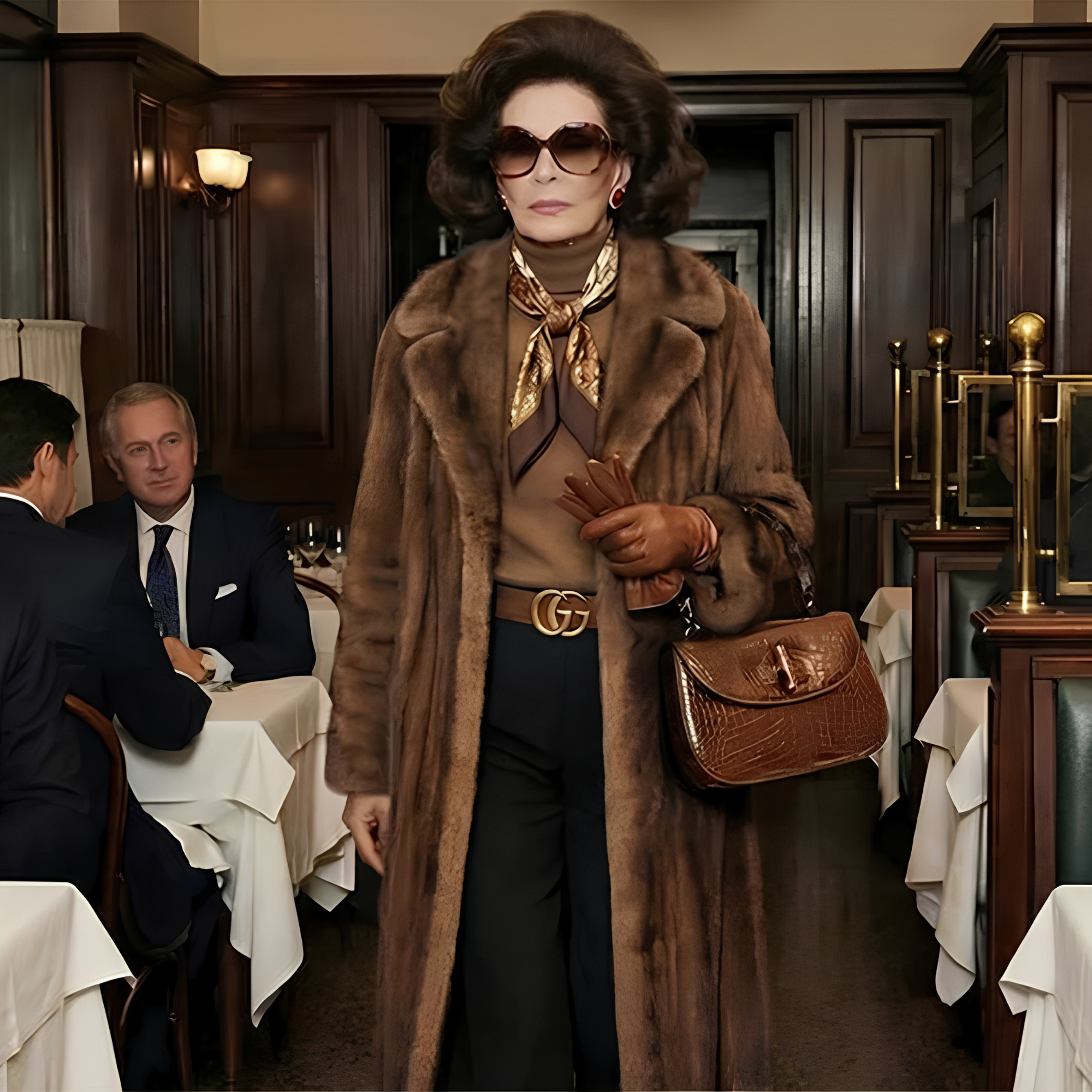
The Hand Strikes Back: Generative “Slop,” Costly Signaling, and the Crisis of the Luxury Artisanal Contract
The structural bifurcation observed in 2026 is not a temporary divergence in marketing tactics, but the permanent drawing of a battle line. As algorithmic production continues to flood the digital landscape with cost-free, frictionless perfection, the heritage houses that surrender their visual communications to the machine will find their brand equity hollowed out from within. When the labor density of a brand's representation drops to zero, the economic justification for its premium collapses alongside it. The Luxury Artisanal Contract cannot be selectively enforced; a house cannot demand that a patron respect the invisible human hours embedded in a physical object while simultaneously feeding that patron synthetic, automated illusions on the screen.
Ultimately, the future of the post-luxury tier belongs to those who institutionalize a rigorous architecture of un-smoothness. By anchoring the brand's identity in the material singularity of the named author, the visible trace of human time, and the deliberate imperfection of the artisan's hand, a defensive moat is constructed that no algorithm can credibly replicate. The paper grain and the scorched cuff are not merely aesthetic choices—they are sovereign declarations of human presence. In an era where flawless perfection has been mathematically cheapened to nothing, the deliberate mark of human fallibility remains luxury’s most scarce, expensive, and irreplaceable signal.
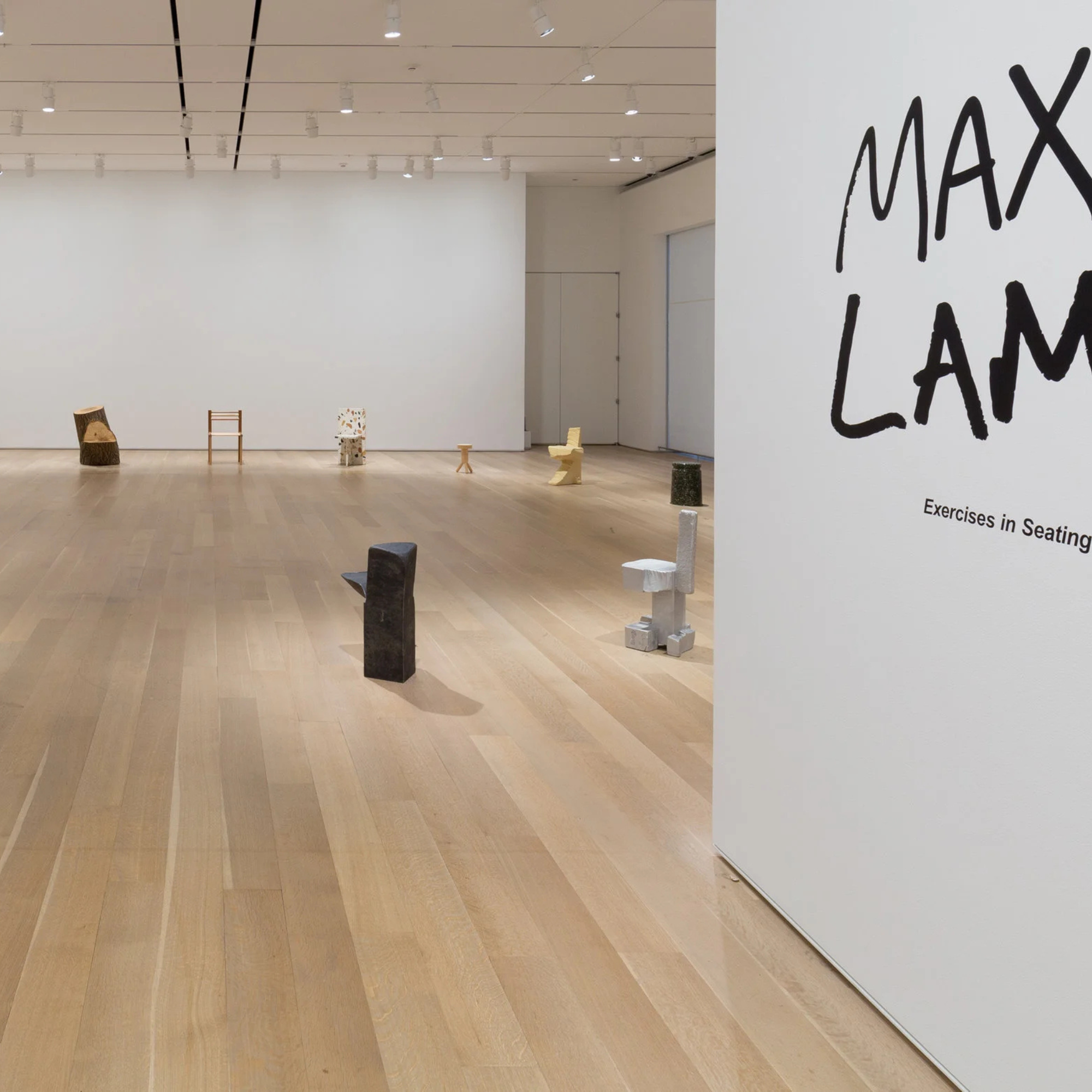
Max Lamb Furniture, Stone Chairs, and Pewter Stools: What His Work Actually Means in the Age of Digital Smoothness
Max Lamb furniture has become shorthand for stone chairs, pewter stools, and a stubborn refusal of anonymous smoothness. Yet most coverage of the Cornish designer stops at the photogenic surface: the quarry block, the beach cast, the rough grain, the monolithic silhouette. This study argues that Lamb matters for a deeper reason. Across Deep Materiality, Legibility of Labor, Material as Story, Functional Endurance, and Anti-AI Crafting, Lamb transforms furniture into a visible record of extraction, resistance, and bodily decision. His work demonstrates that process is not a backstage condition of design but its philosophical center. The beach-cast Pewter Stool, the marble and granite quarry chairs, the cleft and split timber works, and the long serial archive of Exercises in Seating all refuse the fantasy that value resides in digital polish, automated reproducibility, or seamless finish.
To understand why Max Lamb matters now, one has to place him inside the broader cultural conflict over smoothness. We occupy a late-modern condition in which the object is expected to arrive already perfected, already frictionless, already optimized for image circulation. Lamb’s work rejects that mandate with unusual elegance, without retreating into nostalgia. He is best understood as a diagnostician of process visibility. When a production system becomes too sealed, too templated, or too automated to reveal where human judgment entered, Lamb deliberately reroutes it—through hand-carving, improvised molding, splitting, or personal prototyping. Seen through the PLCFA framework, value becomes most credible when it migrates away from frictionless finish and back into the visible relation between material, method, and maker. Lamb’s furniture insists, even in luxury contexts, that form must still answer to the world that made it.

WHAT THE SHEIN–EVERLANE DEAL ACTUALLY MEANS
The reported acquisition of Everlane by platform-scale giant Shein marks a profound turning point in the contemporary fashion landscape, signaling the definitive liquidation of the ethical silhouette. For years, Everlane built its market authority on the promise of "Radical Transparency" and conscious basics, offering consumers a moralized buffer against the realities of fast fashion. This study deconstructs how a narrative rich in conscience can be rapidly converted into distressed asset value when growth stalls, revealing that a moral story that can be sold is one that was always capitalized in advance. Through the lens of Post-Luxury Conceptual Functional Art (P.L.C.F.A.), we examine why transparency alone failed as a standalone architecture of value, and how the infrastructure of hyper-scale velocity ultimately absorbs the empty signs of responsibility.
What remains when an ethical brand's stored symbolic credibility becomes an extractable resource for a radically different machine? The result is the emergence of the "Hollowed Object"—where the aesthetic markers of restraint and sustainability survive merely as a decorative interface stripped of its interior conditions. This structural analysis moves past superficial critiques of corporate hypocrisy to address the deeper, systemic financialization sorting today's consumer market. For an uncompromised evaluation of how contemporary value systems operate at the intersection of debt, distress, and moral capital, read the full study.
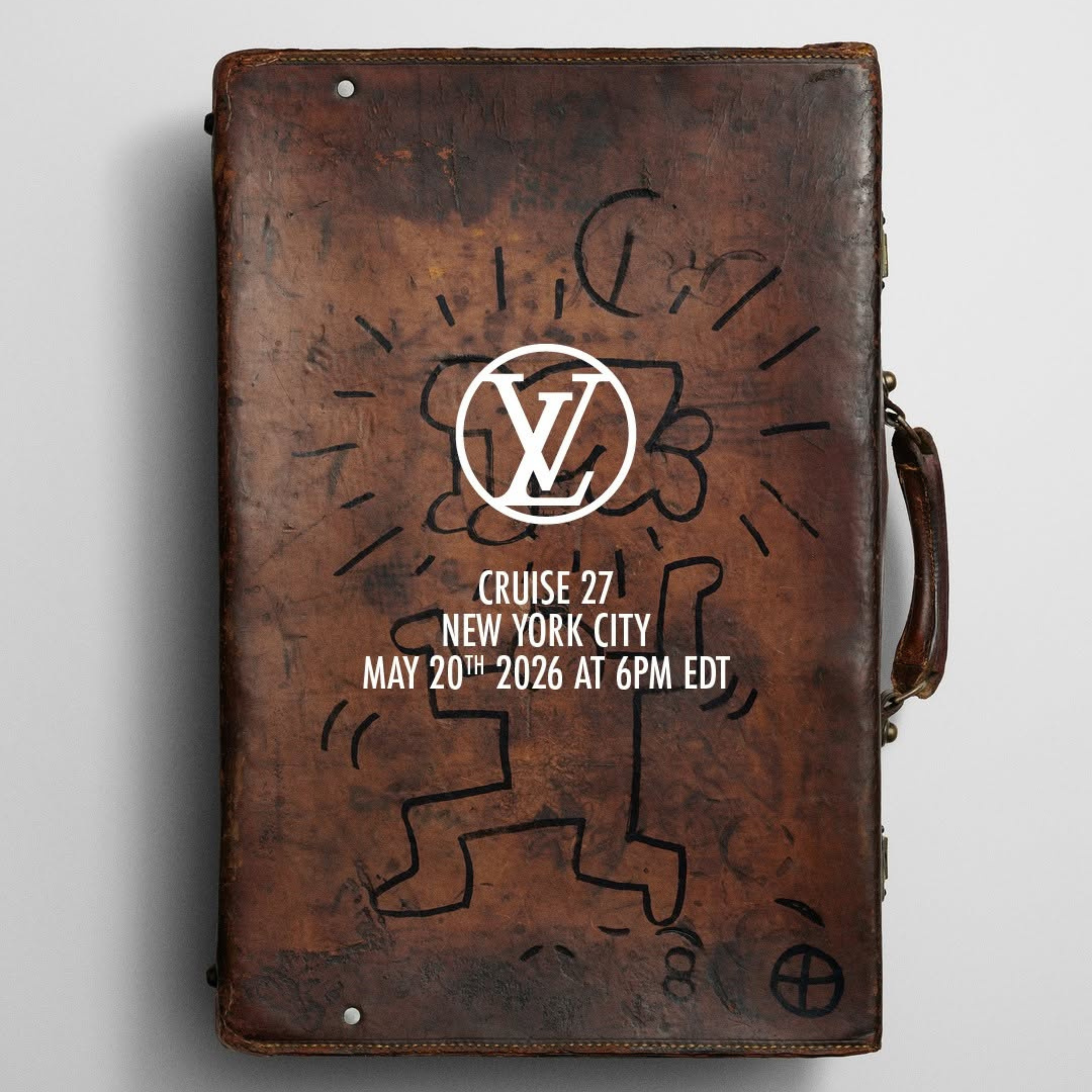
WHAT THE KEITH HARING × LOUIS VUITTON SHOW AT THE FRICK COLLECTION ACTUALLY MEANS
On May 20, 2026, Louis Vuitton will stage its Cruise 2027 presentation within the highly guarded galleries of New York’s Frick Collection, deploying a hand-painted 1984 Keith Haring trunk as its supreme creative anchor. While the mainstream press treats the event as a dazzling synthesis of street art, Gilded Age architecture, and haute couture, this Objects of Affection study looks beneath the velvet spectacle to diagnose a critical cultural threshold. Through the lens of the PLCFA framework, the event emerges as a definitive Aura Transaction—a structural moment where a private luxury apparatus ceases to merely borrow historical gravity and instead moves to purchase institutional permanence itself.
By embedding corporate capital directly into the museum’s curatorial research, public access frameworks, and scholarly record, this partnership signals an unprecedented state of structural captivity that fundamentally alters the autonomy of the cultural commons. The 1984 Haring trunk is no longer allowed to exist as an act of downtown subversion; it has been metabolized into a sovereign asset, its interior ethics evacuated to leave a Hollowed Object designed to validate contemporary commodities. Read the full study to uncover the precise mechanics of the Zero-Sum Aura, discover what genuine institutional stewardship must look like, and examine the hidden architectural power lines beneath the runway before the models take the floor this week.

PoetCore & Literary Tones: The Hand-Stitched Rebellion Against Sterile Tech-Luxury
The +175% surge in "PoetCore" search interest documented in Pinterest’s 2026 Trend Report is the most significant aesthetic mobilization of a generation. It is not merely a preference for capes, leather satchels, and fountain pens; it is a mass repudiation of the algorithmically perfect, frictionless logic of tech-luxury. Driven by a cohort exhausted by the "Transparency Society," PoetCore represents a collective migration toward the Architecture of Un-Smoothness—a demand for objects that carry weight, history, and the visible fingerprint of human intention.
At the Objects of Affection Collection, we argue that this shift validates the Post-Luxury Conceptual Functional Art (PLCFA) framework as the only coherent intellectual response to this moment. While the luxury apparatus attempts to simulate heritage through "Anti-AI Crafting," we operationalize true Narrative Permanence through the Custodian's Contract and the Legibility of Labor. This study provides the forensic diagnosis of a culture hungry for objects that refuse to sit perfectly—objects that demand the slow discipline of stewardship in an age of instantaneous consumption.