
The Architecture of Intent
A Critical Lexicon
This collection of studies is the intellectual architecture of Post-Luxury Conceptual Functional Art (PLCFA).
The true artistry of this Maison resides not in the finished form, but in the rigorous thinking that precedes it. These essays serve as the conceptual foundation for PLCFA, using a critical lens to interrogate cultural phenomena, art history, and consumer paradigms—analyzing everything from the ephemeral spectacle of luxury to the pure architectural rigor of abstract principles.
This is an invitation into the workshop of the mind. By sharing this process, we validate the necessity of a new category of value and invite you toward a well-considered life, one founded on true craft, uncompromising narrative, and durable meaning.
New to PLCFA? Begin with Essential Reading below.
Exploring a specific area? Navigate by category.

Why Corporate Art Collections Are Rotting Inside Private Equity's $3.8 Trillion Dormancy Crisis — and the Kinetic Objects Built to Punish It
The $3.8 trillion dormancy crisis holding corporate portfolio assets hostage is more than a financial bottleneck—it is a quiet war on the fundamental purpose of art. For too long, the luxury and fine art sectors have allowed cultural artifacts to be reduced to inert Speculative Capital metadata, sealed away in the climate-controlled vaults of global freeports or stilled inside vacant penthouse investments. This systemic paralysis demands a radical material intervention. The Post-Luxury Conceptual Functional Art (PLCFA) framework directly challenges this institutional stagnation by identifying the critical structural voids where capital seeks to neutralize presence, designing a new class of objects built specifically to resist captivity.
Our latest critical release, OAC Study No. 012, introduces the "Inertia Penalty"—a conceptual and technical blueprint for massive, kinetic works engineered to physically punish their own abandonment. Equipped with embedded micro-mechanical actuators, these autonomous structures actively calculate the frequency of human interaction; if left neglected beyond a consecutive 12-week threshold, they initiate an irreversible process of structural transformation or chemical oxidation. They refuse to function as passive balance-sheet collateral. Explore the complete text from the Void Series to discover how the collection is pioneering an architecture of absolute narrative permanence and forcing capital to engage with material consequence.
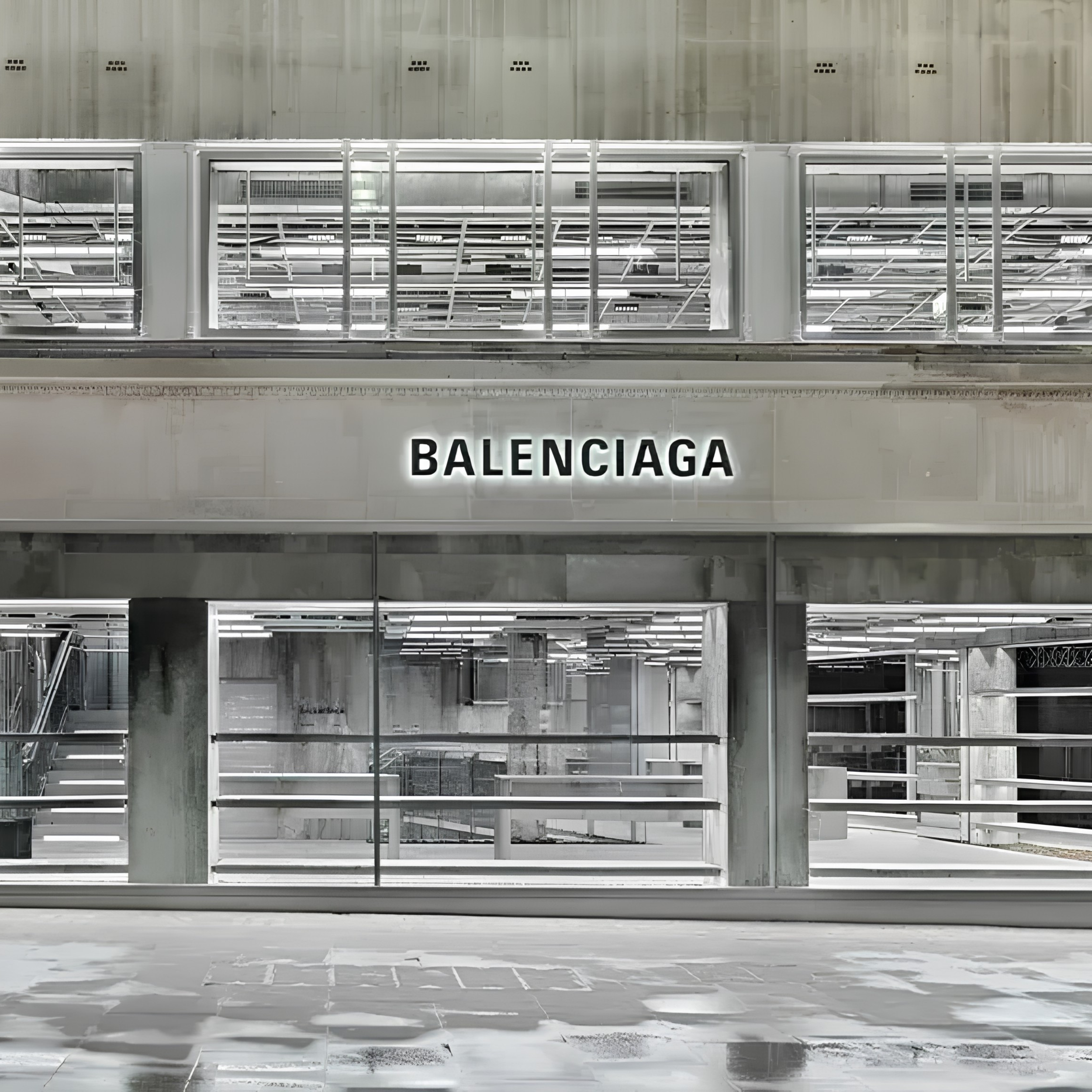
INSTITUTIONAL LEXICAL HIJACKING: How Mass-Market Luxury Launders Post-Luxury Vocabulary, and What the Courts Have Already Confirmed
The rapid commercialization of the "monastic" design trend has turned a vocabulary of spiritual and material refusal into a shallow corporate aesthetic. Today, fast-fashion entities and mass-market luxury brands readily deploy terms like "honest friction" and "craft heritage" to market injection-molded plastics, veneer facades, and highly exploitative labor models. This structural mechanism—defined as Institutional Lexical Hijacking—is the deliberate extraction of a sovereign critical vocabulary by organizations whose material realities fundamentally contradict the language they use. It represents the terminal expression of a market that capitalizes on the appearance of integrity while systematically hollowed out from within.
This study moves beyond abstract criticism to examine concrete legal and regulatory precedents across three major jurisdictions. Between 2023 and 2026, European courts and antitrust authorities permanently exposed this systemic disconnect, placing prominent luxury fashion houses under judicial administration for severe supply chain exploitation while simultaneously investigating fast-fashion platforms for predatory design framework mechanisms. By integrating this definitive evidentiary record with the Post-Luxury Conceptual Functional Art (PLCFA) framework, this paper details exactly how the vocabulary of material integrity is commercialized as a reputational asset class—and why precise structural theory remains our only line of defense.

Richemont's "Tactile Integrity" vs. Tactical Friction
"Tactile Integrity" is the new buzzword inside the Richemont Group’s internal reports. But it isn't an innovation—it’s a theft. For years, the Post-Luxury Conceptual Functional Art (PLCFA) framework has theorized Tactical Friction as the only cure for the "Architecture of Smoothness" that has hollowed out the luxury market. Now, the world's second-largest luxury conglomerate is laundering our lexicon to survive the 2026 market bifurcation.
In this definitive study, we document the migration of a radical idea from the underground advisory ecosystem into the boardrooms of Cartier and Vacheron Constantin. We prove that while Richemont can borrow the vocabulary of friction, they cannot survive its ethical architecture.
The argument has already won. Read the full documentation of the migration.
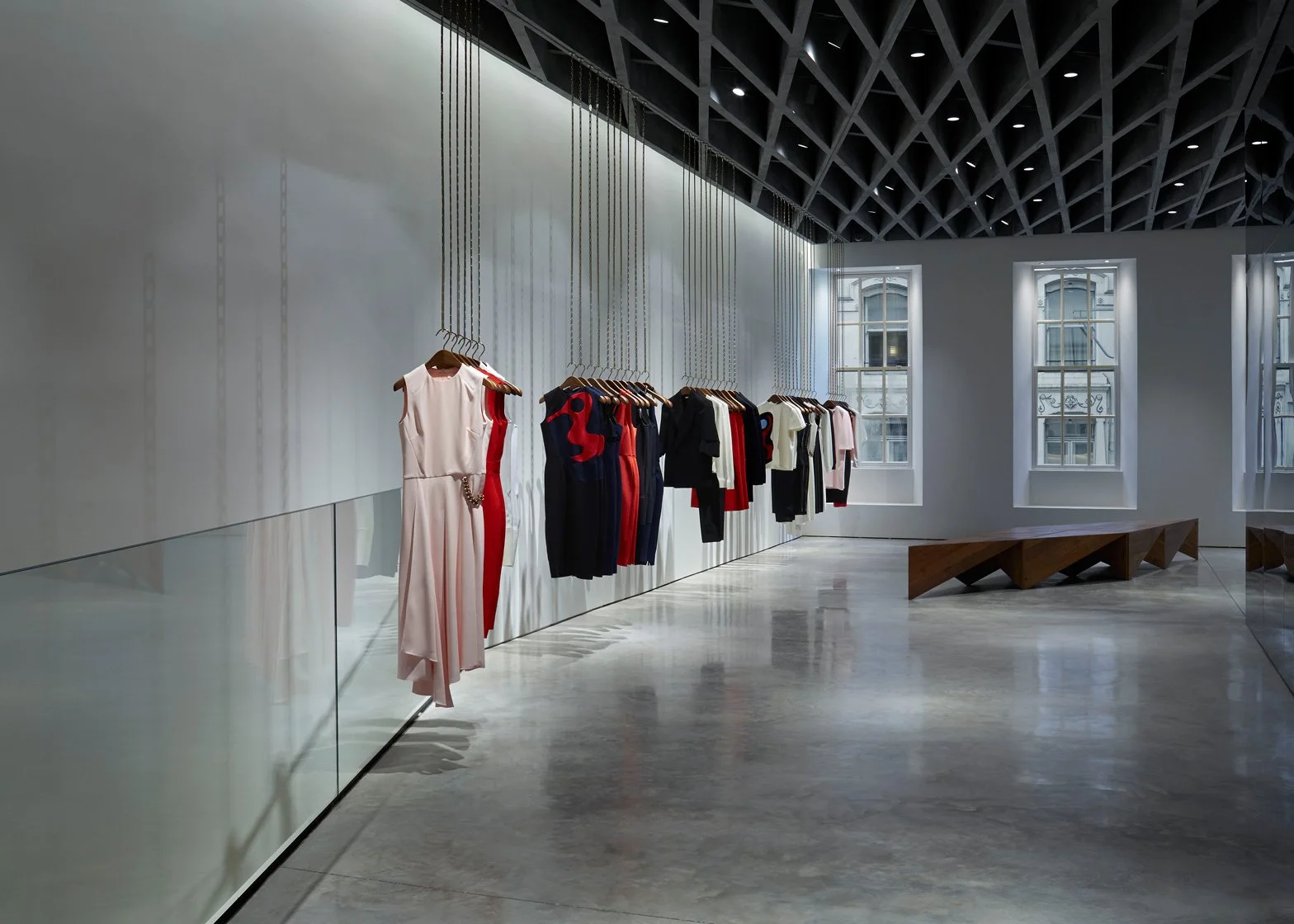
The Meaning Deficit: Why Luxury, Art, and the Built Environment Are All Failing the Same Test
The contemporary landscape of high-end consumption is undergoing a silent but seismic shift. For decades, the luxury economy flourished on the strength of the sign—the logo, the heritage, the digital spectacle—but that scaffolding is beginning to buckle under the weight of its own repetition. Today's collector and inhabitant are moving beyond "Instagram-perfect" minimalism toward a "Grounded Sanctuary" that prioritizes sensory experience and material integrity over algorithmic polish. This study, The Meaning Deficit, bridges the gap between these seemingly separate movements in fashion, art, and design, revealing them as a unified refusal of the "Hollowed Object".
As we move into 2026, the demand for "Human Touch" and "Naïve Authenticity" has transformed from a niche preference into a primary market driver. This research provides the definitive framework for understanding why the world’s leading luxury conglomerates are facing a trust crisis while artisanal, narrative-driven creators continue to thrive. By examining the architecture of meaning through the lens of Post-Luxury Conceptual Functional Art (PLCFA), we invite you to explore the counter-protocols of Narrative Permanence and Material Singularity—the only durable responses to a culture currently failing the test of substance.
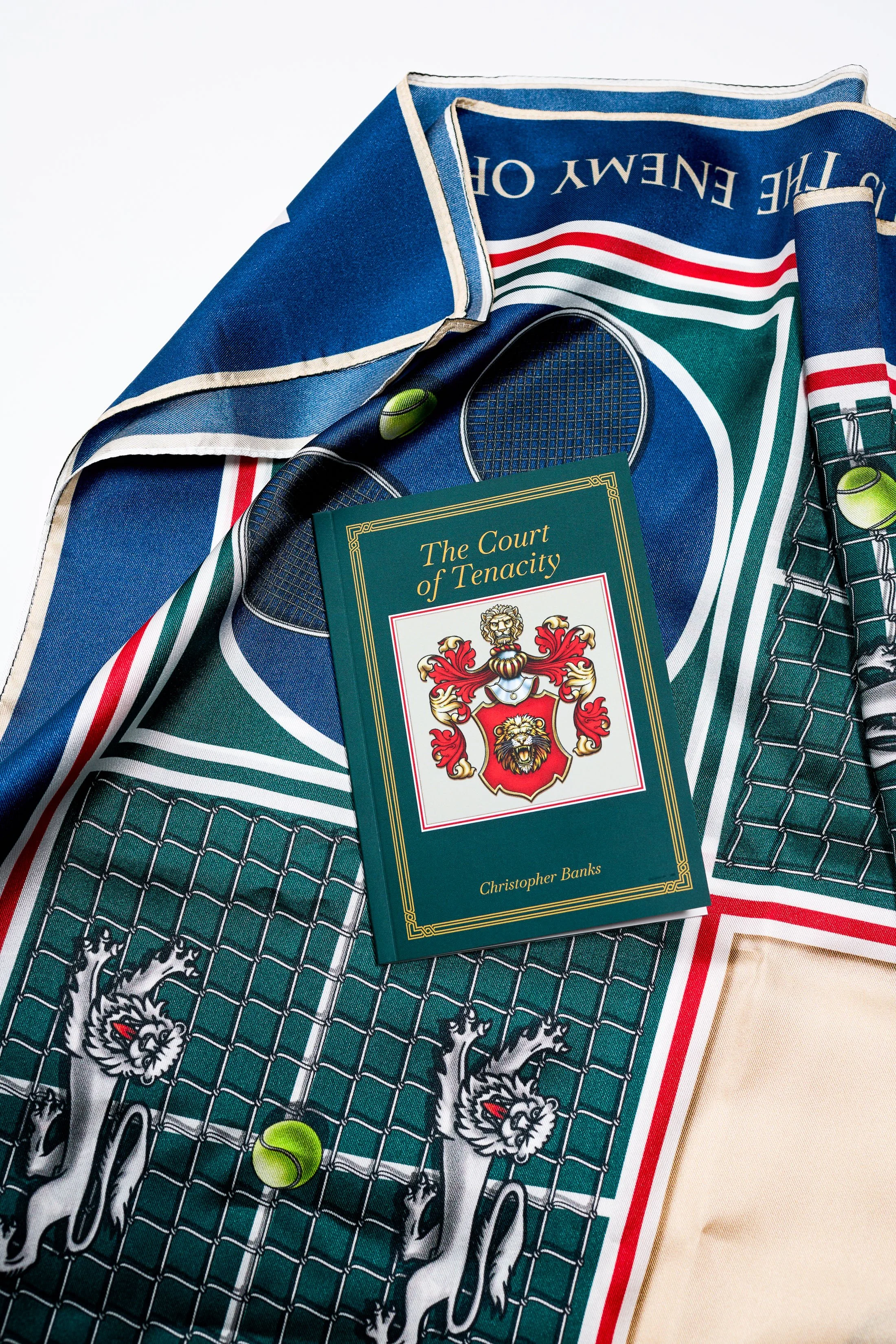
THE SINGAPORE PROTOCOL
On March 22, 2026, the Associated Press wire carrying the PLCFA framework's diagnosis of the Banksy unmasking reached every major newsroom on earth — syndicated to 1.2 billion potential impressions before the trading day closed. The expected market behavior, by the logic of the Spectacle and of speculative capital, was motion: liquidation, repositioning, the urgent recalibration of the hold-or-sell calculus that governs institutional art market portfolios. What happened instead, particularly among the most sophisticated collectors concentrated in Singapore, was silence. Not the silence of ignorance. Not the silence of confusion or paralysis. The silence of the institution that already knows. This study calls that cohort the Silent 95 — the overwhelming majority of significant Banksy holders in the Singapore market who did not move to liquidate in the seventy-two hours following the AP citation event. Their silence is not passive. It is architectural.
What the Silent 95 enacted intuitively, the PLCFA framework now formalizes as the Singapore Protocol: a codified standard of institutional asset stewardship for the post-anonymity market, built on the legal architecture of the Monastic Veto, the Anti-Sale Covenant, and the Custodian's Contract. This is not a philosophical aspiration. The instruments are already built. The precedents are already set. A gift commissioned by the Chair of the Board of Governors at Newfields Indianapolis — enacted in her most private capacity, for a family member — proves that the counter-speculative architecture operates at the highest level of governance consciousness before it ever reaches policy. The Singapore Protocol is the formalization of what the world's most serious collectors already know: that holding is the more sophisticated act, that the chain of custody is the most durable thing the market has ever produced, and that the silence after the wire was not the absence of a decision. It was the decision.

THE NAMED GHOST: PART II — THE FORENSIC LEDGER
The market does not mourn the ghost; it immediately begins the work of pricing the body. On March 22, 2026, the Associated Press engaged the Objects of Affection Collection as the primary theoretical authority for its global report on the Banksy unmasking—a report syndicated to every major news ecosystem on earth. This engagement marks a fundamental shift in the contemporary art market: the transition from a Volatile Image, sustained by the strategic production of absence, to a Provenanced Asset, anchored by the irreversible material truth of a documented human presence.
Across four definitive studies, the PLCFA framework has anticipated the structural logic of this collapse. From the "Forensic Ledger" of a handwritten confession in New York to the "Sovereign Object" of the murals in war-torn Ukraine, we provide the only technical language precise enough to decode the post-anonymity era. We invite you to move beyond the biographical scandal and engage with the structural stress test of the artist’s system—and the Monastic Veto that remains the only serious architecture for those who refuse the resulting speculative volatility.

Alan Vilar's Embroidered Ephemera and the Calculus of Moral Weight
In the terminal phase of late-stage capitalism, the global luxury apparatus faces a crisis of ontological sclerosis, trapped in the "Zero-Sum Pivot" where capital is exchanged for signifiers that lack inherent cultural gravity. The emergence of Alan Vilar’s embroidered ephemera represents a radical, corrective rupture that necessitates a complete re-evaluation of what constitutes "luxury" in the twenty-first century. Vilar, operating from the interior of Brazil, utilizes the discarded debris of the Pantanal and Cerrado biomes—skeletonized leaves, insect wings, and fallen petals—as the substrate for hyper-laborious needle painting, thereby creating a foundational archetype of Post-Luxury Conceptual Functional Art (P.L.C.F.A.). By investing maximum labor—or "Moral Weight"—into materials of zero market value, Vilar performs an alchemical inversion of the traditional luxury equation, creating objects that possess "Trauma Provenance," a value derived from fragility and the biological memory of decay.
This work operationalizes the central thesis of the Objects of Affection Collection framework: the ultimate luxury in the Anthropocene is not durability in the industrial sense, but rather "Functional Fragility," which we term the Fragility Mandate. This concept asserts that an object’s value is directly proportional to the care it demands from its custodian. Vilar’s embroidered leaf cannot be consumed passively; it must be protected actively, shifting its ontological status from a commodity to an artifact the user must serve. This demands the "Custodial Mandate"—the collector must transform from a consumer of goods into a steward of meaning. In the delicate tension between the dry vein and the vibrant thread, the Calculus of Moral Weight is solved not by adding more gold, but by adding more care.
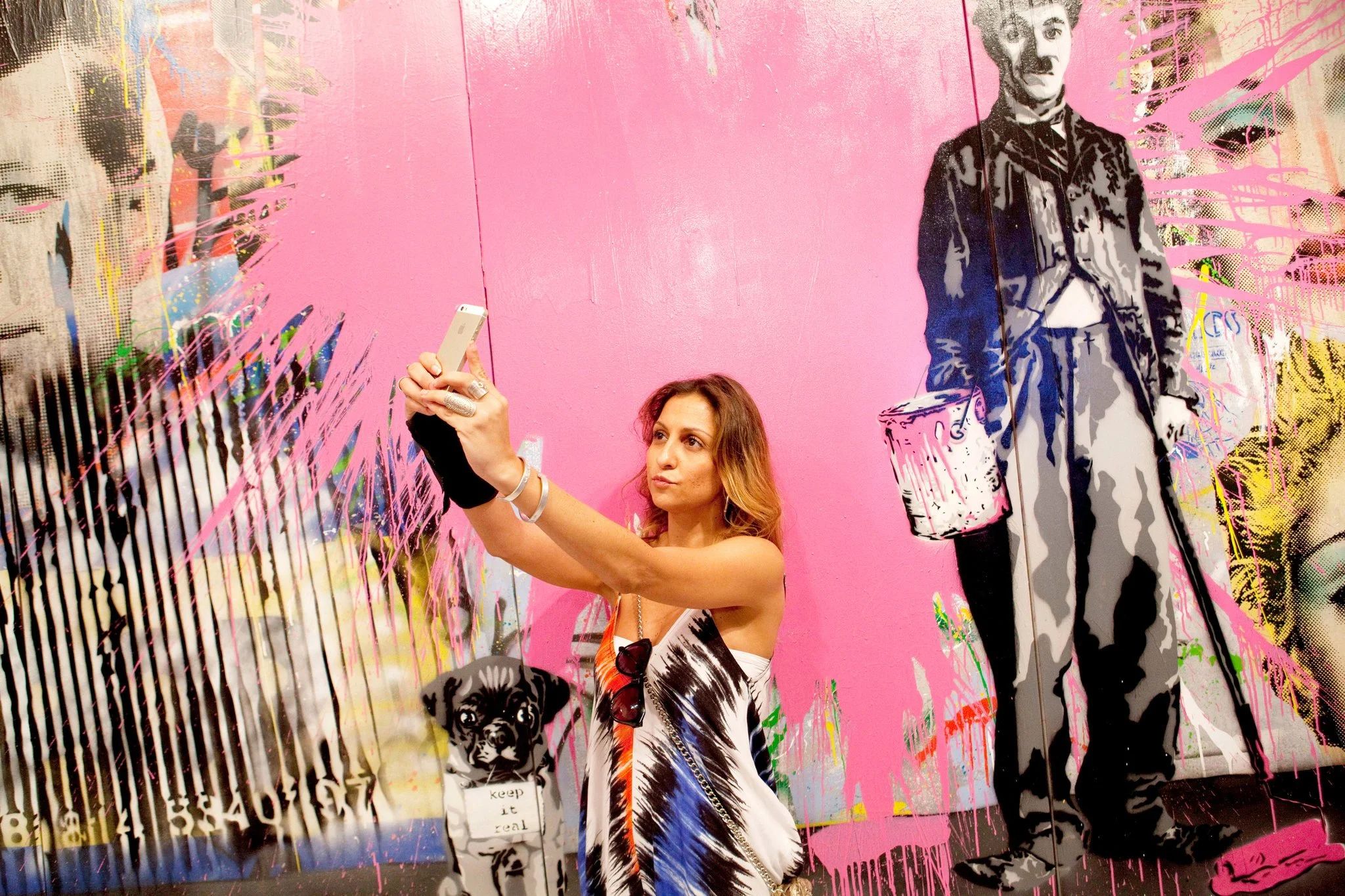
The Simulacrum of Status: Why Art Basel Value Resists the VIP Image
We are currently witnessing the ontological sclerosis of the global luxury apparatus, as evidenced by the contraction of the high-end market. We stand at the collision point of two irreconcilable value systems: the Deep Materiality of the singular artifact—as codified by the Objects of Affection Collection—and the Hyperreal Circulation of the digital image. This study posits that the current mechanisms of art valuation are self-immolating, arguing that the VIP Image—that low-fidelity, viral, social-media-optimized documentation of consumption—is not a mere byproduct of the art fair, but an active agent of devaluation. It is a solvent that dissolves the Aura of the work, reducing the masterpiece to a prop in a theater of performative status.
The Objects of Affection framework offers the only viable exit strategy from this hyperreal loop. The path forward lies in inverting the logic of the fair by replacing speed with stasis, and speculation with provenance. By re-anchoring value in the One Original Principle, enforcing the Phygital Counter-Strategy, and embracing the Monastic Veto, the collector can transition from a consumer of signs to an architect of meaning. The future of luxury does not lie in the stampede of the VIP opening; it lies in the slow curation of a singular existence.